Biodiversity and the Healthy Society
 Call Kai
 Learn
 Practice Test
 Spaced Repetition
 Match
 Flashcards
 Knowt Play
1/46

Earn XP
Description and Tags
Vocabulary practice flashcards covering biodiversity levels, status, and endemic as well as endangered Philippine fauna and flora.
47 Terms
Biodiversity
The variety of life forms on Earth, ranging from the smallest microorganisms like mycoplasma to the largest animals like blue whales; short for biological diversity.
Genetic Diversity
The variations in the different genes present in individual organisms, referring to the variety of genetic information contained in all individual plants, animals, and microorganisms.
Species Diversity
The variations within and among populations in a species, as well as the differences between and among different species.
Ecosystem Diversity
The variety of biotic communities, habitats, and ecological processes observed among ecosystems in a particular region or across the biosphere.
Endemic Species
Species that are native or restricted exclusively to a specific geographic area, such as the Philippine Eagle, Philippine tarsier, and Rafflesia speciosa.
Endangered Species
Species that have been categorized as very likely to become extinct in the near future.

Philippine Eagle (Pithecophaga jefferyi)
A critically endangered bird of prey inhabiting rainforests of Isabela, Samar, Leyte, and Mindanao; also known as the monkey-eating eagle, with an estimated remaining wild population of 100 to 300.

Red-vented Cockatoo (Cacatua haematuropygia)
An endangered bird species native to the Philippines, commonly referred to as the Philippine cockatoo.

Sulu Hornbill
Anthracoceros montani. __ and cebu black shama, the Philippin Eagle might follow the cebu flowerpecker which is now persumed extinct

Palawan Peacock Pheasant (Polyplectron emphanum)
An endangered, endemic bird species native to the island of Palawan.

Cebu Flowerpecker
An endemic Philippine bird species that is currently presumed extinct.
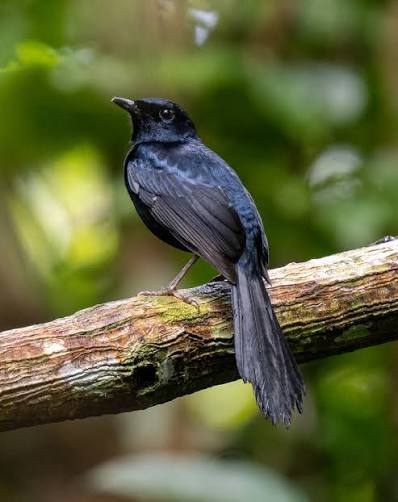
Cebu Black Shama
An endangered bird species endemic to the island of Cebu.
Negros Bleeding Heart Pigeon
Gallicolumba Platenae
Visayan wrinkled hornbill
Aceros waldeni
Red bellied pitta
pitta erythrogaster

Philippine Spotted Deer (Cervus alfredi)
One of the world's rarest mammals inhabiting the dwindling forests of Panay Island, considered by many to be the most endangered deer species on Earth.

Calamian Hog Deer
A rare deer with longer and darker legs compared to other hog deer; declared endangered after its population declined to around 900 by 1996.

Tamaraw (Bubalus mindorensis)
A solitary, critically endangered pygmy water buffalo endemic solely to Mindoro Island, characterized by V-shaped horns, standing about 106cm at the shoulder and weighing up to 300kg.
Carabao
The number of in livestock farming in the Philippines amounted to approximately 2.78 million in 2023, indicating a slight increase from the previous year's supply. __ is an indigenous animal in the country known as water buffalo. (Feb 5, 2024)

Philippine Tarsier (Tarsius syrichta)
A tiny primate measuring about 12cm with immobile eyes that lack a tapetum, capable of turning its head 180∘, and named for its elongated tarsus bone.

Palawan Bearcat
A mammal native to Palawan whose population is increasingly threatened by human activities; despite its name, it is neither a bear nor a cat.

Philippine Mouse Deer (Tragalus nigricans)
Locally known as Pilandok, it is the world's smallest hoofed mammal, native to Balabac Island south of Palawan and standing about 40cm at shoulder height.

Dugong
The world's only strictly herbivorous marine mammal, capable of living over 70years; protected in the Philippines by a commercial exploitation ban since 1991.

Golden-capped Fruit Bat (Acerdon jubatus)
A giant fruit bat species that inhabits the 10,000hectare Subic Forest National Protected Area, recognized as the largest bat roosting site globally.

Philippine Bamboo Bat
The smallest bat in the world, measuring roughly 4cm (121inches) in length, having a 15cm wingspan, and weighing approximately 1.5grams.

Bare-backed Fruit Bat (Dobsonia chapmani)
A Philippine bat species believed to have gone extinct in the 1970s due to a combination of forest destruction, disturbance by guano miners, and hunting.
Mindoro Pallid Flying Fox
smallest flying fox in the Philippines
The Philippine tube-nosed bat
Nyctimene raboiof Negros is considered highly endangered

Kagwang
An endangered Philippine flying lemur species native to Basilan, Leyte, Samar, Bohol, and Mindanao that has been protected under a commercial exploitation ban following extensive deforestation.

Visayan Warty Pig (Sus cebifrons)
An endemic Philippine mammal categorized as Endangered in 1994 and later listed as Critically Endangered from 1996 to 2004.
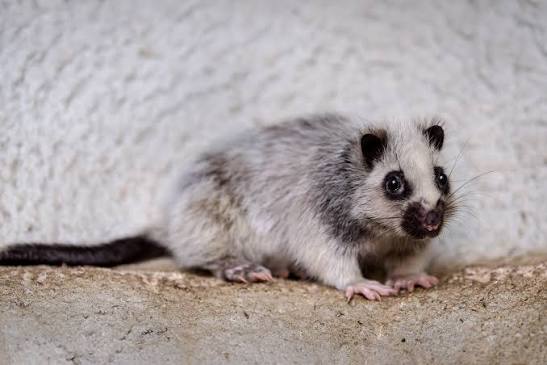
Northern Luzon Giant Cloud Rat (Phloeomys pallidus)
A large endemic rodent species locally known as 'Bu-ot', widespread in northern and central Luzon from sea level up to mountain elevations of at least 2000m.
Crocodylus porosus
it is different from mindoro’s freshwater crocodile (crocodylus mindorensis) There were tales that a 27-foot saltwater crocodile was killed near Lake Taal in Batangas in 1823. It reportedly took 40 men to bring the body ashore.

Philippine Flat-headed Frog (Barbourula busuangensis)
An amphibian native to Busuanga, Culion, and Palawan that inhabits clear, unpolluted, swift-flowing mountain streams in lowland rainforests.

Gray's Monitor (Varanus olivaceus)
A monitor lizard species that inhabits the forested slopes of low mountains in southern Luzon and Catanduanes Island.

Whale Shark (Rhincodon typus)
Locally called 'butanding', this is the largest fish in the world; it visits Donsol, Sorsogon between November and May and is ovoviviparous.
Loggerhead
Caretta caretta
Leatherback sea turtle
Olive ridley
lepidochelys olivacea
Philippine pond turtle
heosemys leytensis
Philippine green turtle
hawksbill sea turtle
Ovoviviparous
A mode of reproduction where embryos develop inside eggs that remain in the mother's uterus until they hatch, resulting in the birth of live young.

Dwarf Goby (Pandaka pygmaea)
The world's smallest freshwater fish and tiniest known vertebrate, measuring 1.2cm; first discovered in 1925 in the Malabon River by Albert Herre.

Sinarapan (Mistichthys luzonensis)
The world's smallest commercial fish, endemic to Lake Bato and Lake Buhi in Camarines Sur, reaching an average length of 1.25cm.

Tridacna gigas
One of the world's largest shell-bearing mollusks, found in Philippine waters, capable of reaching 1meter in length and weighing up to 600pounds.

Pisidum
The world's tiniest shell, found in Philippine waters, measuring less than 1millimeter in length.

Glory of the Sea (Connus gloriamaris)
A rare and highly valued sea cone shell found in the Philippines, considered one of the most expensive shells in the world.