Orgo 1 Exam 2 Synthesis Wheel
 Call Kai
 Learn
 Practice Test
 Spaced Repetition
 Match
 Flashcards
 Knowt Play
1/17

There's no tags or description
Looks like no tags are added yet.
18 Terms

Base Reactant
Give the mechanism for the Product

H2O, H2SO4, Alkene Hydration, (Mixture, OH on substituted C)

H2(g) + Pd/C catalyst, Hydrogenation, (Syn, H2 on metal)

Br2, Bromination, (Anti, Bromonium ion formation (RDS), backside attack, initial Br on least substituted Carbon)
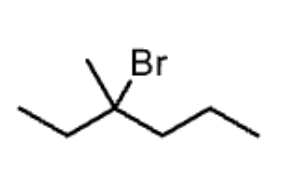
HBr, Hydrohalogenation, (Mixture, carbocation intermediate)

Cl2 (g) + HOCH2CH3, Alkoxy Halogenation, (anti, Cl on least substituted C)
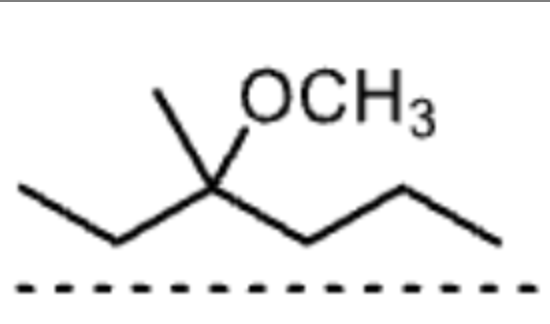
H2SO4 + HOCH3, Acid-Catalyzed addition of an Alcohol, (Mixture, ether on substitute)

O3 (g) + 2. (CH3)2S or Zn, CH3CO2H, Ozonolysis, (double bond breaks down the middle)
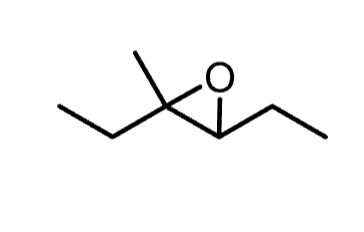
mCPBA, Peroxyacid addition to an alkene, (Epoxide formed syn with enantiomers, double bond replaced by CO bonds)

Br2 + H2O, Halohydrin Formation, (Anti, Br on least substituted C)
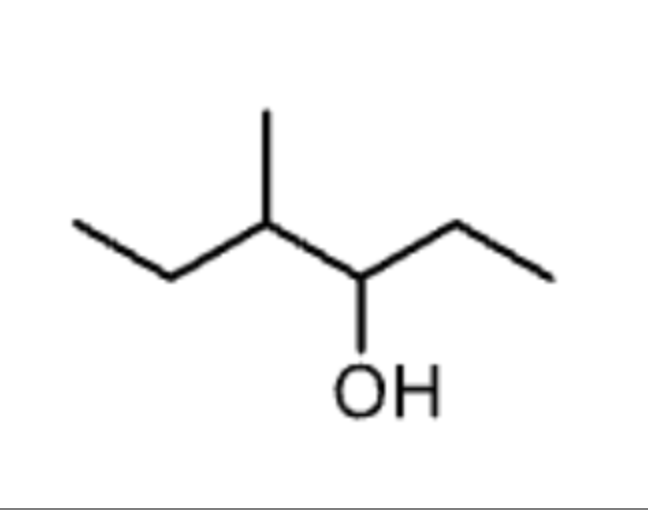
BH3/THF, 2. NaOH, H2O2, H2O, Hydroboration, (Syn for H, BH2, OH, OH/BH2 on least substituted C)

Excess HCl, anti addition

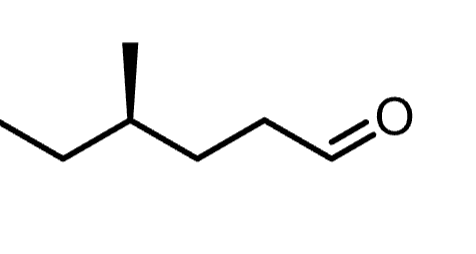
BH3/THF, 2. NaOH, H2O2, O2, Adds syn and then H+ comes out
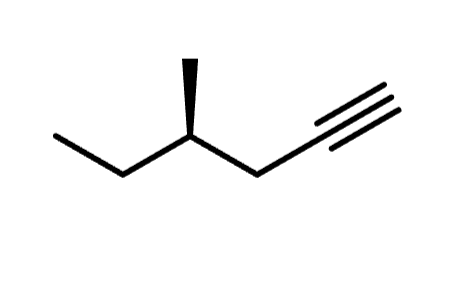
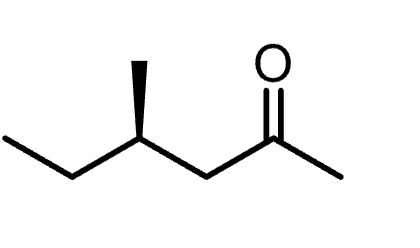
H2O, LAuX, adds anti but is lost to keto-enol tautomerization
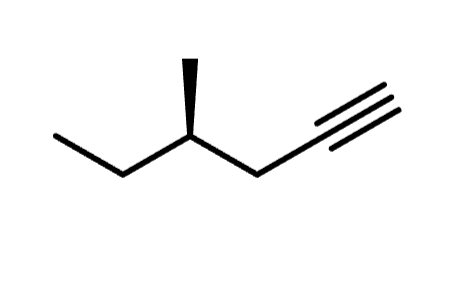

1.NaNH2/2.CH3Br - alkylation so no Anti or Syn

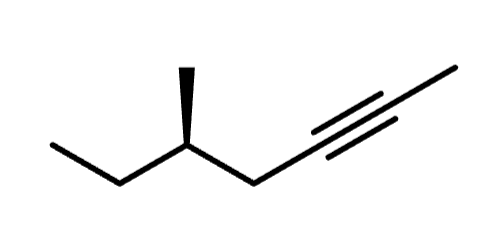
H2, Poisoned Catalyst - Hydrogens add syn

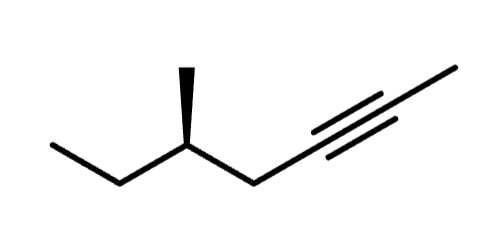
Na, NH3 (liq), -78 C, Adds H anti

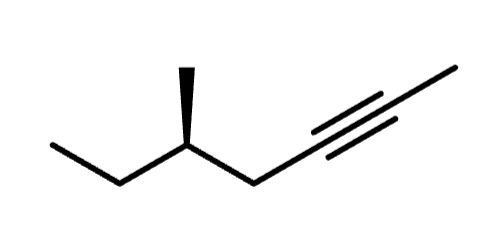
H2, Pd/c, adds syn
