WWI Test
 Note
 Call Kai
 Learn
 Practice Test
 Spaced Repetition
 Match
 Flashcards
 Knowt Play
 Podcast
1/61

There's no tags or description
Looks like no tags are added yet.
62 Terms
Who was the ruler of Great Britain (1910–1936) and what was his primary background?
King George V. He spent 15 years in the Royal Navy before becoming King.

Describe the personality and physical traits of Kaiser Wilhelm II of Germany.
He was energetic with a strong, outgoing personality but could be charming, rude, and impatient. He was born with a withered left arm and was noted to be jealous of the British Empire.

Who was the autocratic ruler of Russia, and who was the monk that influenced his family?
Tsar Nicholas II. He was influenced by Grigori Rasputin, who claimed to have hypnotic powers to heal the Tsar’s son (who had haemophilia).

What were the two rich provinces France lost to Germany in 1870, fueling their desire for revenge?
Alsace and Lorraine.
Why was Austria-Hungary known as a 'Patchwork Empire'?
It was a union of two separate countries ruling over eleven different nationalities, many of whom wanted independence and their own freedom.

What was Britain's foreign policy called in the late 19th century when they had no ties to other countries?
'Splendid Isolation.'

Name the three countries in the Triple Alliance (1882).
Germany, Austria-Hungary, and Italy.
What does 'Entente Cordiale' mean, and which two countries signed it in 1904?
It means 'Friendly Understanding.' It was signed by Britain and France.
Which countries made up the Triple Entente by 1907?
Britain, France, and Russia.
What was the significance of the HMS Dreadnought launched in 1906?
It was the most powerful battleship ever built; its revolutionary design made all other existing battleships obsolete ('out of date').

Explain the German 'Risk Theory' regarding their navy.
The idea that the German fleet should be large enough that the British navy would stay in port rather than risk being badly damaged in a battle.
What was the Schlieffen Plan?
Germany's plan to avoid a two-front war. It involved traveling at high speed through Belgium to capture Paris quickly, then turning to fight Russia, who they estimated would take 6 weeks to mobilize.
What was the French military plan called, and what was its main goal?
Plan Seventeen. Its goal was an all-out attack on Alsace and Lorraine to recapture the 'lost provinces.'

What happened during the Tangier Crisis (1905)?
Kaiser Wilhelm landed in Morocco to support Moroccan independence, testing the strength of the new friendship between Britain and France.

What was the result of the Agadir Crisis (1911)?
Germany sent a gunboat (the Panther) to Agadir. It alarmed Britain and ended with Germany backing down, though it scared both nations and brought them closer to war.

State the 'spark' event that triggered WWI: Who was assassinated, where, and when?
Archduke Franz Ferdinand (heir to the Austro-Hungarian throne) was assassinated in Sarajevo on June 28, 1914, by a Serbian nationalist.

Why did the alliance system turn a local assassination into a world war?
Austria-Hungary declared war on Serbia; Russia mobilized to protect Serbia; Germany mobilized to support Austria and attacked France (via Belgium); Britain then joined to protect Belgium and its allies.
Why did Russian socialists believe a revolution was the only way to achieve a socialist future?
They were inspired by the teachings of Karl Marx and believed uncompromising revolution was the only path forward, especially under the pressure of WWI.
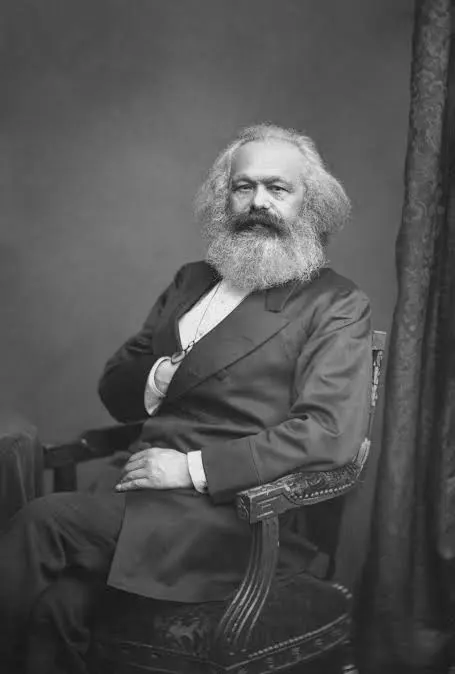
What happened to the Romanov dynasty in early 1917?
Tsar Nicholas II lost all support and was forced to abdicate the throne, ending over three centuries of Romanov rule.
Who were the Bolsheviks and who was their leader?
A small socialist party that seized power in late 1917 under the leadership of Vladimir Ilyich Ulyanov (Lenin).

Define 'Totalitarian' as it relates to the Communist Political System.
A system where the government controls almost everything: Arts, Education, Media, and even Thinking. Independent organizations were not allowed.
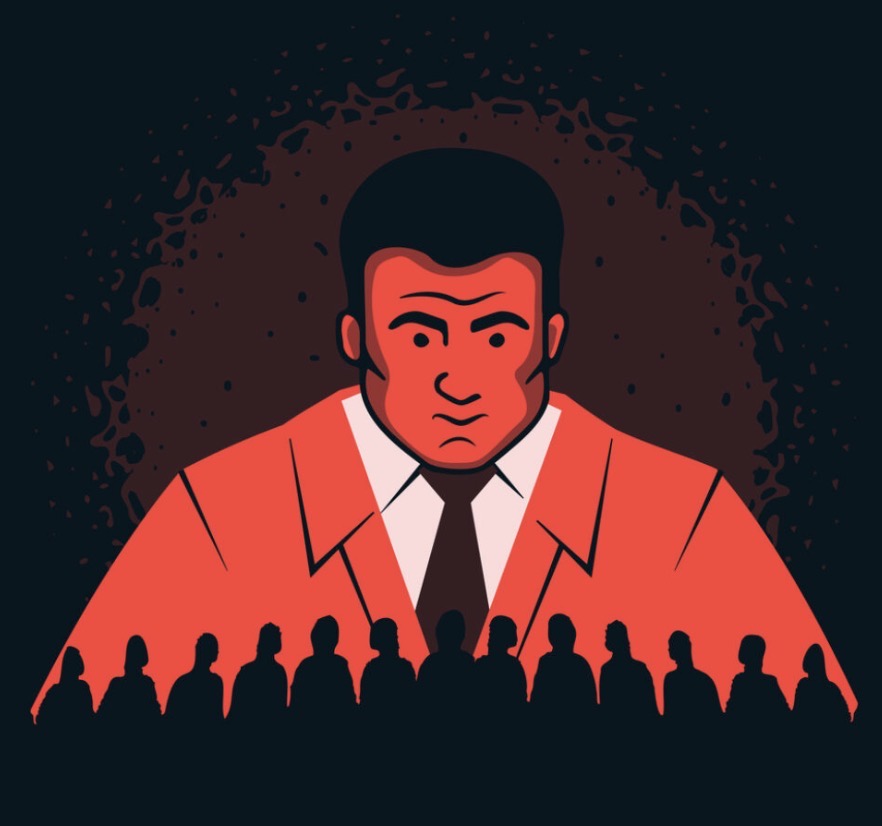
What was the 'Great Purge' under Stalin?
A period of terror where millions were arrested or killed, and many were sent to Gulags (forced labor camps) for being 'enemies of the people.'
What was a major negative result of Stalin’s Collectivization of agriculture?
It led to a massive famine, millions of deaths, and the destruction of traditional villages and livestock.

What was the Armenian Genocide (1915)?
The Ottoman Turks targeted the Armenian Christian minority, accusing them of helping Russia. It led to mass killings and forced deportations, killing up to 75% of the Armenian population.

What was the Sykes-Picot Agreement (1916)?
A secret deal between Britain and France to divide Ottoman lands in the Middle East between themselves after the war, instead of giving independence to the Arabs.

How did the breakup of the Ottoman Empire affect the modern Middle East?
It created modern borders that didn't reflect ethnic or religious groups, leading to long-term instability and conflict (e.g., Sunni vs. Shia tensions).

What is the difference between a Global War and a Total War?
Global War: Effects and involves the entire world. Total War: A conflict where nations mobilize all available resources and the line between soldiers and civilians disappears.
How did WWI change the role of women in society?
Women worked in factories, transportation, and munitions. This effort contributed to women gaining the right to vote after the war.

Which country was the 'winner' of the naval race but entered the war with the largest force of Indians?
Britain. (India contributed 1.3 million soldiers/workers).
What were the main terms of the Treaty of Versailles for Germany?
Germany had to pay reparations ($33 billion / 132 billion gold marks), give up colonies, limit its military, and accept 'war guilt.'
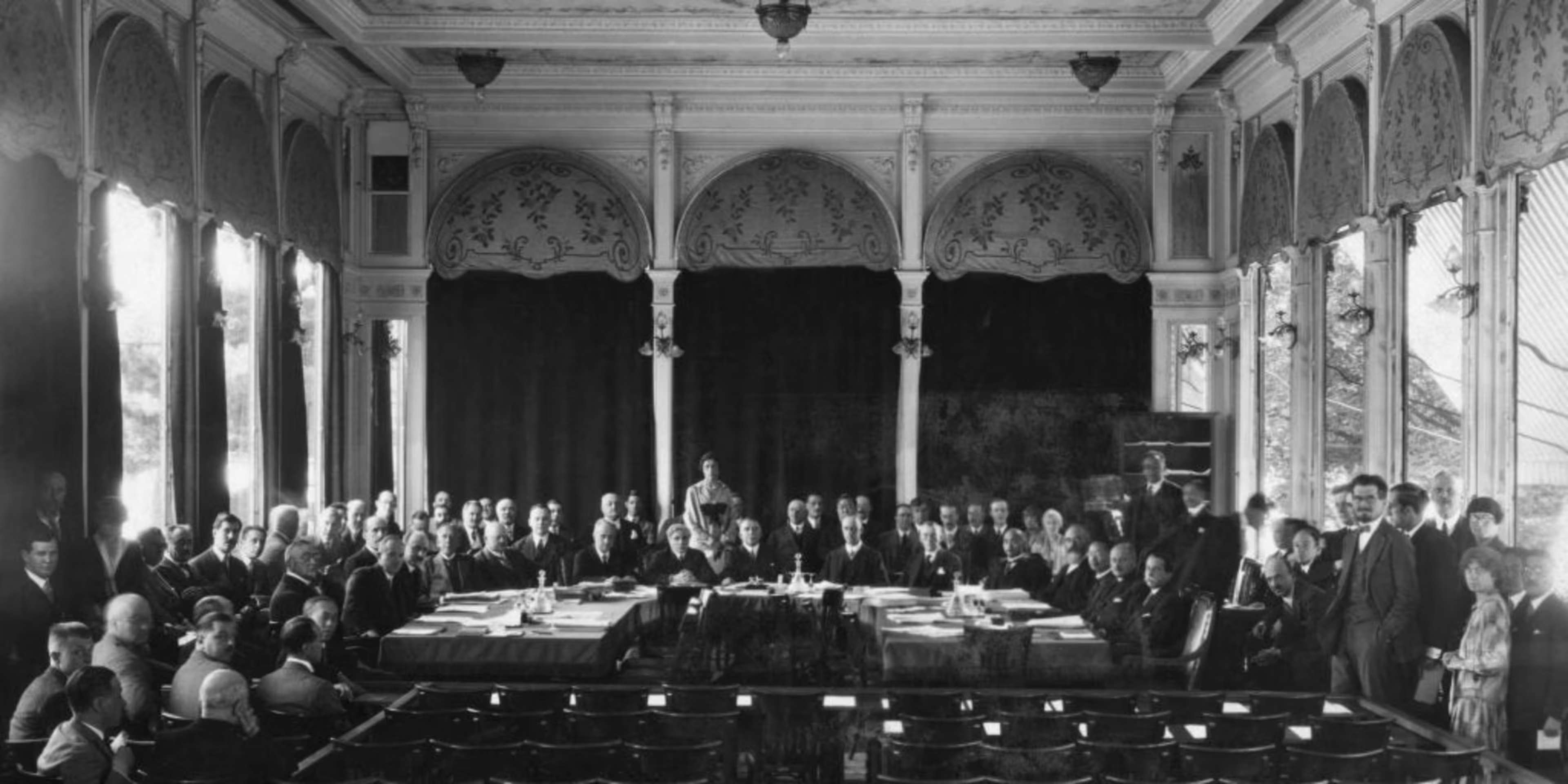
What was the League of Nations?
An international organization established on Jan 10, 1920, specifically to maintain world peace and prevent future wars.
List three causes of the Great Depression (1929).
Stock market speculation (the bubble burst). 2. Economic collapse spread from the U.S. to Europe. 3. Banks closed and people lost their life savings.
What was the 'New Deal' in the United States?
A series of programs by FDR (1933–1942) that increased the government's role in the economy through public works, Social Security, and a minimum wage.
What are the five 'M.A.A.I.N.' long-term causes of WWI?
Militarism: Glorifying the military and arms races. Alliances: Treaties that dragged multiple nations into local conflicts. Assassination: Of Savejo, of Austria Hungary heir to the throne. Imperialism: Competition for colonies (Africa/Asia). Nationalism: Intense pride in one's nation or the desire for independence.
Who was the assassin of Archduke Franz Ferdinand, and what group did he belong to?
Gavrilo Princip, a member of the Black Hand (a Serbian nationalist group).
Explain the 'Two-Power Standard' held by the British Navy.
The British policy that their navy must be equal in size to the next two strongest navies in the world combined to maintain dominance at sea.
Why is WWI considered a 'Total War'?
Because nations mobilized all available resources (human, industrial, and agricultural). The line between soldiers and civilians blurred as everyone became part of the war effort.
How did the war affect the status of women in Great Britain and the U.S.?
Women took over roles in factories, transportation, and munitions while men were at war. This contribution eventually led to women gaining the right to vote.
What role did colonies play in the military force of the Allied Powers?
Colonies provided massive numbers of soldiers. For example, India contributed over 1 million soldiers to the British effort, winning 13,000 medals.
What was the 'greatest weakness' of Tsar Nicholas II according to your notes?
He tried to rule Russia as an autocrat (complete control) and refused to share power, despite being a 'weak' judge of people and influenced by poor advisors like Rasputin.
Who were the Soviets?
Grassroots organizations of workers and soldiers who emerged to speak for ordinary people and eventually seized control of factories.

Describe the Soviet 'Command Economy' under Stalin.
The government controlled all resources and industry. It focused on heavy industry and forced collectivization of farms, which resulted in higher literacy but also massive famines and millions of deaths.
Why did the Ottoman Turks commit genocide against the Armenians in 1915?
The government accused the Armenian Christian minority of helping Russia (their enemy). They used this as an excuse for mass killings and forced deportations.
What was the 'Mandate System' established after the war?
Instead of independence, former Ottoman territories were divided into 'Mandates' governed by Britain and France, leading to long-term resentment in the Middle East.
How did the Great Depression become a 'Global' event?
European economies were tied to the U.S. economy via war debts and trade. When the U.S. stock market crashed in 1929, the collapse spread worldwide.

What was the primary goal of the 'New Deal' (1933-1942)?
To change the government's role in the economy by providing relief, recovery, and reform through public works, Social Security, and labor union support.
How did Nazi Germany use the Great Depression to their advantage?
During the economic misery of the Depression, the Nazis rose to power by promising to fix the economy and scapegoating the Jewish people for Germany's problems.
What was the 'War Guilt Clause' (Article 231)?
A provision in the Treaty of Versailles that forced Germany to accept total responsibility for starting the war.
What were the reparations Germany was ordered to pay?
132 billion gold marks (roughly $31-33 billion).

Name the four major Empires that collapsed because of WWI.
German Empire 2. Austro-Hungarian Empire 3. Russian Empire 4. Ottoman Empire.
What type of people did the British use to fight in WWI?
West Indians/ Indians

Outcome of WWI: Political
Empires collapsed: The Ottoman Empire, Austria- Hungary Empire, German Empire, and the Russian Empire all fell apart.
New countries formed: Nations like Poland, Czechoslovakia, and Yugoslavia were created.
Rise of communism: The Russian Revolution led to the creation of the Soviet Union.
Outcome WWI: Treaty and Peace Settlements
Treaty of Versailles
Germany had to accept blame (war guilt clause)
Lost territory and military power
Forced to pay heavy reparations
Outcome of WWI: International Organizations
Creation of the League of Nations to prevent future wars
It ultimately failed (the U.S. never joined, and it lacked enforcement power)
Outcome of WWI: Economic and Social Effects
Massive economic damage across Europe
Millions of deaths and wounded soldiers (about 16 million dead)
Civilians suffered from famine and disease
Women took on new roles in factories, helping push forward women’s rights movements
Outcome of WWI: Causes of Future Conflict
Harsh terms of the Treaty of Versailles created resentment in Germany
Helped lead to the rise of Adolf Hitler and eventually WWII
League of Nations
was an international organization created after WWI to maintain peace and prevent future wars.
Global War
Effects the entire world
Total War
is a type of war where a country uses all of its resources—military, economic, and civilian—to win, and where the entire society is involved in the war effort.

Total war meant the mobilization of African and Asian colonial subjects. This young man, fighting for “the greater glory of France,” is a Senegalese Sharpshooter, most likely a West African Muslim. He stands proudly, with German helmets perched atop his head.

typical Western Front trench system. It highlights how complex these underground networks actually were

comparing two different generations of naval power, specifically highlighting why the HMS Dreadnought (1906) changed naval warfare forever.