Biology 1001A midterm
 Call Kai
 Learn
Learn Practice Test
 Spaced Repetition
 Match
Match Flashcards
 Knowt Play
1/58

Earn XP
Description and Tags
cycle 2 done, cycle 3 done, cycle 1 to be done, cycle 4 to be done, cycle 5 to be done
Name | Mastery | Learn | Test | Matching | Spaced | Call with Kai | Chat |
|---|
No analytics yet
Send a link to your students to track their progress
59 Terms
how many divisions are in mitosis?
one
how many divisions are in meiosis?
two
what is the product of mitosis?
two identical cells
what is the product of meiosis?
four different cells
what is the difference btwn a gene and allele?
gene - codes for a trait (e.g. hair colour)
allele - the specific trait (e.g. brown hair)
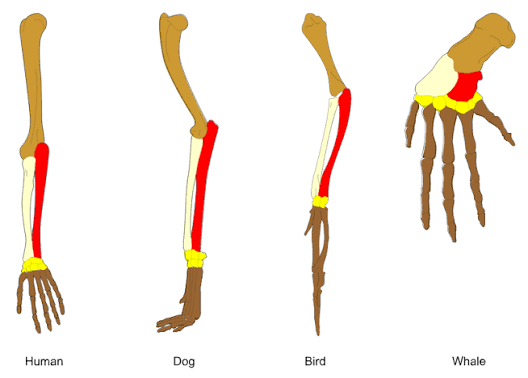
what is a homolog?
a shared gene btwn two different species (e.g. human arm and bird wing)

how many chromosomes are there?
one chromosome

how many chromosomes/sister chromatids are there?
one chromosome, two sister chromatids

how many chromosomes are there?
two chromosomes
what is a homologous chromosome?
two chromosomes paired up (one from each parent)
crossing over happens btwn…?
two chromosomes (NOT sister chromatids)
why is meiosis I reductional?
ploidy goes from 2n to n
why is meiosis II equational?
ploidy stays the same (n to n)
what is genetic recombination?
alleles btwn homologous pairs switch (through chiasma)
in which step does genetic recombination occur?
prophase I
how many chiasmas can form on one homologous pair?
1-4
what are linked genes?
genes that are close together on one chromosome
what are haplotypes?
genes that are inherited together

which two genes are more likely to be inherited together?
A and B bc they are so close together, there is a less chance of crossing over to occur
what is independent assortment?
during metaphase I, the order in which homologous chromosomes line up at the equator is random so the resulting haploid cells will have a different combination of alleles
what are three factors that ensure genetic diversity during meiosis?
1) genetic recombination
2) independent assortment
3) random fertilization (diff. egg w diff. sperm)
what is the difference btwn a gamete and zygote?
gamete - either sperm or egg
zygote - combination of sperm and egg
what is aneuploidy?
when haploid cells have an abnormal number of chromosomes (e.g. one more or less)
what is trisomy 13 (patau syndrome)?
cleft palate and lip
what is trisomy 18 (edwards syndrome)?
small head, heart defects, deafness
what is trisomy 21?
three copies of chromosome 21, chance increases as mother’s age increases
which has a better outcome: autosomal or sex chromosome aneuploidy?
sex chromosomes bc they mostly affect physical appearance. autosomal aneuploidy has serious affects on development

fill in the blanks for the animal life cycle
mitosis, meiosis, fertilization

fill in the blanks for the plant/fungi life cycle
mitosis, meiosis, mitosis, mitosis, fertilization

fill in the blank for the the fungi/algae life cycle
meiosis, mitosis, mitosis, fertilization
when doesn’t independent assortment occur and why?
independent assortment doesn’t occur during metaphase II bc it refers to only homologous pairs
what is ploidy?
the number of sets (coefficient of n)
what is the n-value?
the number of unique chromosomes
what is the coefficient of C?
the number of copies (of one set)
what is the c-value?
the amount of DNA/genome size
what is the c-value measured in?
bp (base pairs) or pg (DNA mass)
what is important to know about karyotypes?
the camera isn’t strong enough to show the sister chromatids (taken during metaphase)
what happens to ploidy during anaphase?
ploidy goes from 2n to 4n (but we ignore it)
what is the c-value paradox?
that genome size does not mean complexity
why can genome size become so large?
DNA replicates everything (even noncoding regions)
transposable elements copy and paste themselves (can move)
there are more insertions/duplications than deletions
what does G stand for in G1 and G2?
gap
what does the S stand for in S phase?
synthesis
what happens in G1?
cell grows (enzymes/organelles)
what happens in S phase?
DNA is replicated
what happens in G2?
cell prepares for division
what happens in G0?
the cell exists the cell cycle after G1 (can be temporary or permanent)
when does a cell undergo differentiation (becomes a specific type of cell)?
during G1
what is the goal of an embryo?
to just divide, cells specialize later
what are some examples of cells that are permanently in G0?
heart cells and brain cells
what are some examples of cells that are temporarily in G0?
stem cells as WBC and neurons
what is the difference btwn oocytes and spermatocytes?
oocytes are limited spermatocytes are not (stem cells can become them)
why do cells divide instead of growing larger?
surface area must be sufficient enough materials to be transported (meet the cell’s needs)
for repair
to specialize
how many checkpoints are there in the cell cycle?
G1/G2 to make sure replication is okay
miotic spindle during anaphase to make sure sister chromatids are pulled apart correctly (aneuploidy)
what is the most important checkpoint in the cell cycle?
G1 checkpoint
what is positive regulation?
CAK (CDK activating kinase) donates a phosphate to CDK (cyclin dependent kinase) and cyclin
phosphate moves to target protein
target protein changes shape to active form
cell reenter the cell cycle
what is the guardian of the genome?
p53 (a transcription factor) activates enzymes
what happens if there is DNA damage?
p53 binds to the p21 promotor to produce it, p21 binds to cyclin-cyclin dependent kinase complex to stop proteins from being activated
what happens if a cell repair is unsuccessful?
apoptosis (cell death)
what happens if p53 is lost or mutated?
p21 is not produced, cell cycle continues and damaged DNA replicates, divides and mutations occur (cancer)