History243 Exam 2 Review
 Call Kai
 Learn
 Practice Test
 Spaced Repetition
 Match
 Flashcards
 Knowt Play
1/45

There's no tags or description
Looks like no tags are added yet.
46 Terms
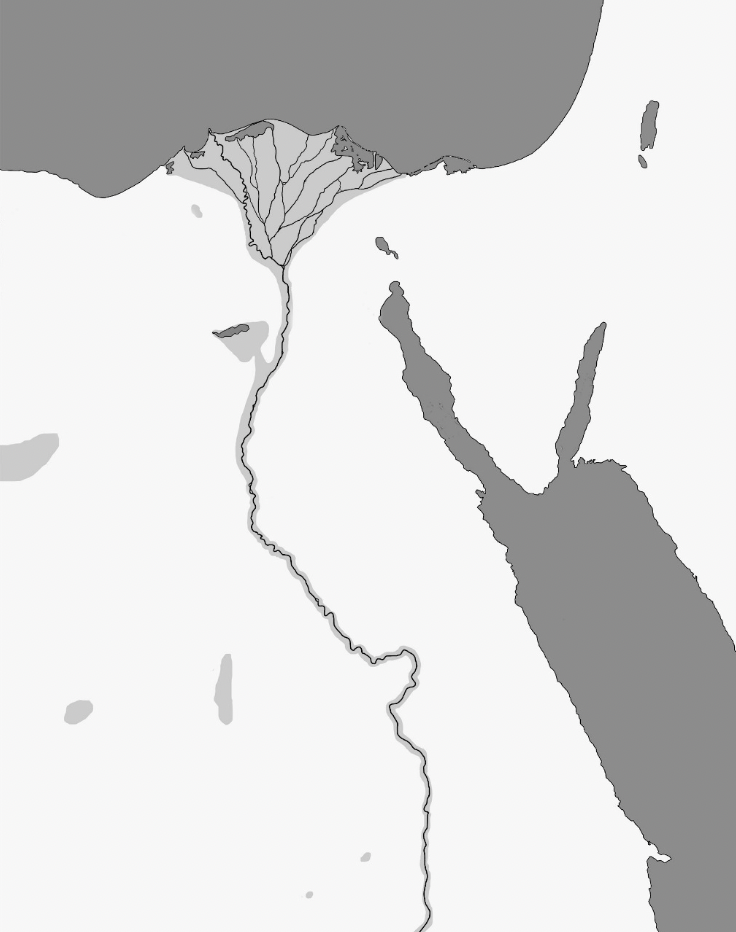
Map: Deir el-Medina, Amarna, Meggido, Sharuhen, Abydos, Thebes, Avaris/Tell el-Dab’a, Valley of the Kings, Deir el-Bahri
Akh: ID/date/3 details?
Shabti: ID/date/3 details?
Small funerary figurine placed in tombs designed to serve the dead and work in their stead for eternity
Spell in more elaborate versions disclose purpose (BoD?)
Shabti and coffins are often masculine or gender neutral for women
Sennedjem, his wife Iyneferti, and son Khonsu had the most expensive burials with coffins, shabtis, canopic boxes, and other material, other family members buried with far less provisions, suggesting number of shabtis correlated with wealth and social standing
Kerma: ID/date/3 details?
Key political player during the Second Intermediate Period, just south of third cataract in Nubia
No native writing system which means no texts, meaning for a while, historians did not regard Kerma of economic/political significance but a facet of Egypt, although with an inverse relationship of power
Also had massive temple complexes such as Western Deffufa, showing that not only Egyptians partook in monumental buildings, also royal tumuli in a circular burial with evidence of some level of human sacrifice and ox skulls, signifying a powerful native culture very distinct from Ancient Egypt
Height of classic Kerma period simultaneous with the Hyksos 15th Dynasty, which lines up with the end of the Theban 17th Dynasty, Stela of Kamose, last king of Dynasty XVII, describes a letter intercepted from Apopi, the Hyksos king, to Kerma, intercepted by Kamose, meaning that Thebes was flanked and war trapped from the North and the South
Seqenenre Tao: ID/date/3 details?
Ruler of Egypt during Theban 17th Dynasty
Important family history, technically Seqenenre Tao II, married to Ahhotep, had two sons, Kamose and Ahmose (Ahmose was part of the 18th Dynasty, after the end of Hyksos rule)
Started the war of reunification against the Hyksos, likely died in battle, suffered an ax wound to the head
Seqenenre and Kamose both fight with the Hyksos king Apepi (Apophis),
Ahhotep: ID/date/3 details?
Wife of Seqenenre Tao II, key player of Theban 17th Dynasty
Stela for Ahhotep by Ahmose I at Karnak shows atypical praise given to a queen, "took care of Egypt, looked after its troops, guarded them, rounded up fugitives, brought back deserters”
Also highlights her role in the south, “pacifying and repelling those who repelled against her”
Buried with gold weapons and Gold of Valor, necklace with flies, award given to troops, shows that Ahhotep was seen as a militaristic protector
Hatshepsut: ID/date/3 details?
Heliopolitan Cosmogony: ID/date/3 details?
Ancient Egyptian myth of creation centered around Heliopolis
Osiris Myth: ID/date/3 details?
Chapel of the Hearing Ear: ID/date/3 details?
Reversion offerings: ID/date/3 details?
Daily Ritual: ID/date/3 details?
Amenhotep I and Ahmose Nefertari: ID/date/3 details?
Karnak: ID/date/3 details?
Marriage: ID/date/3 details?
Avaris: ID/date/3 details?
God’s Wife of Amun: ID/date/3 details?
Great Pit: ID/date/3 details?
Amarna Letters: ID/date/3 details?
Aten: ID/date/3 details?
Soleb Temple: ID/date/3 details?
Medinet Habu: ID/date/3 details?
Harem Conspiracy: ID/date/3 details?

ID/date/3 details?
Horus spearing Seth (as a hippo) from the temple of Horus of Behdet at Edfu, Ptolemaic Period
Myth of Horus, Horus represented in two main ways, 1) as defenseless child under attack who requires protection from his mother and aunt, so in other art, depicted sitting in the lap of mother, or with a lock of hair, in child form
In this case, other representation 2) as king, as enemy and opponent of Seth in power, mythic contest between Horus and Seth, both intellectual and physical, cyclical and never ending
Shows Seth as a small hippo at the bottom, signifying role of size in Egyptian art as indicative of power and control

ID/date/3 details?
Mural art in Tomb of Ramose from southern wall TT55, 18th Dynasty
Ramose was a high official/vizier, tomb as status symbol all about how much money person had, mural art depicts scenes from his funeral, right hand side shows men carrying lots of offerings
Right hand side, shows mourners with their arms raised and natural hair, when they usually wear perfectly styled wigs in other art, breasts out disheveled in terms of mourning, showing heightened emotion
Mourners served 2 roles: 1) women associated with the deceased or they were paid mourners, and the more one had, the better remembered they were
However, funeral was not only a time to mourn, but also a festival and part, and the celebration component was also depicted on the tomb, shows music being played, and also a lotus flower, with intoxicative properties, and people being so intoxicated, turning to the side to vomit

ID/date/3 details?
Statuette of Amun-Ra, likely cult statue, silver and gold plate, 26th dynasty, late period
Shrines force restriction closer and closer you get to center, until no one can enter the center but the high priest or the king, can find the cult statue in the middle of shrine, made of precious metals
Cult statues rare with few left now since many were looted/stolen, then melted, this particular one was found at the Temple of Amun within the Karnak Temple complex
Power (ba) of a god fills the statue, physical statue itself is an image or physical representation of the ka, receives and takes nourishment from offerings

ID/date/3 details?
Figure of Taweret, a household god
Household gods were the most direct form of interaction between normal people and gods, as most people did not worship in the temples during everyday life
Primary function of household gods was to ward off evil, had body of hippopotamus, lion legs and ears, crocodile back and tail, meant to be intimidating
Bes another common household god, combination of a lion and a human, both function for childbearing and family oriented purposes, Tawaret as patroness of pregnancy, childbirth, and breastfeeding and Bes took over after baby was born as protection, sleep, and family joy

ID/date/3 details?
Stela of Iykhernofret: date/audience/historical setting/theme?
Penitential Hymns: date/audience/historical setting/theme?
Song of the Harper: date/audience/historical setting/theme?
Hymn to the Aten: date/audience/historical setting/theme?
Book of the Heavenly Cow: date/audience/historical setting/theme?
Selections from the Coffin Texts: date/audience/historical setting/theme?
Book of the Dead 125: date/audience/historical setting/theme?
Will of Naunakht: date/audience/historical setting/theme?
Love Poems (1-8, 31-37): date/audience/historical setting/theme?
Kamose Texts: date/audience/historical setting/theme?
Quarrel of Apophis and Seknenre: date/audience/historical setting/theme?
Obelisk Inscription of Hatshepsut: date/audience/historical setting/theme?
Boundary Stela of Akhenanten: date/audience/historical setting/theme?
Restoration of Tutankhamun: date/audience/historical setting/theme?
Poetical Stela of Thutmose III: date/audience/historical setting/theme?
Bentresh Stela: date/audience/historical setting/theme?
Astarte and the Insatiable Sea: date/audience/historical setting/theme?
Late Ramesside Letters: date/audience/historical setting/theme?