Antimicrobial Agents Intro/β-Lactams (Cell Wall Inhibitors) (L)
 Call Kai
 Learn
 Practice Test
 Spaced Repetition
 Match
 Flashcards
 Knowt Play
1/149

There's no tags or description
Looks like no tags are added yet.
150 Terms
Localized infection
Limited to one area of the body or organ system (I.e. ear or eye infection)
Systemic infection
Affecting the entire body, rather than a single organ or body part (I.e. infection in the bloodstream)
Bacteria
Microscopic, single-celled organisms that thrive in diverse environments
- can be found anywhere, including human gut
Normal flora
Microorganisms that live on living organism (human or animal) without causing disease
- helps prevent us from becoming colonized with more dangerous bacteria, which might lead to infection
(T/F) The human body is not sterile. We are covered with, and contain within our intestines, approximately one hundred trillion bacteria that form the normal flora of our bodies
T
Normal flora in skin
Staphylococcus spp., Streptococcus spp., Diphtheroids (non-pathogenic Corynebacterium)
Normal flora in GI tract
Enterobacteriaceae (e.g. E.coli, Klebsiella, etc..), Enterococcus spp., Anaerobes, Staphylcoccus spp., Yearst, Pseudomonas spp.
Normal flora in genital tract
Streptococcus spp., Lactobacillus spp.
Normal flora in urine
None
Normal flora in blood
None
What are the benefits of normal flora?
- compete with invading pathogenic bacteria to prevent infections
- digestion of substrates such as non-digestive carbohydrates
- production of vitamins (e.g. vitamin K and various B vitamins)
- stimulation of cell maturation
- stimulation of the immune system
Bacterial infection
A proliferation of a harmful strain of bacteria on or inside the body
— can infect any area of the body
How can bacteria be classified?
- morphology or shape
- gram staining
- number of flagella
- optimum temperature for growth
- optimal pH for growth
- salt conc'n
- gaseous requirement
- spore
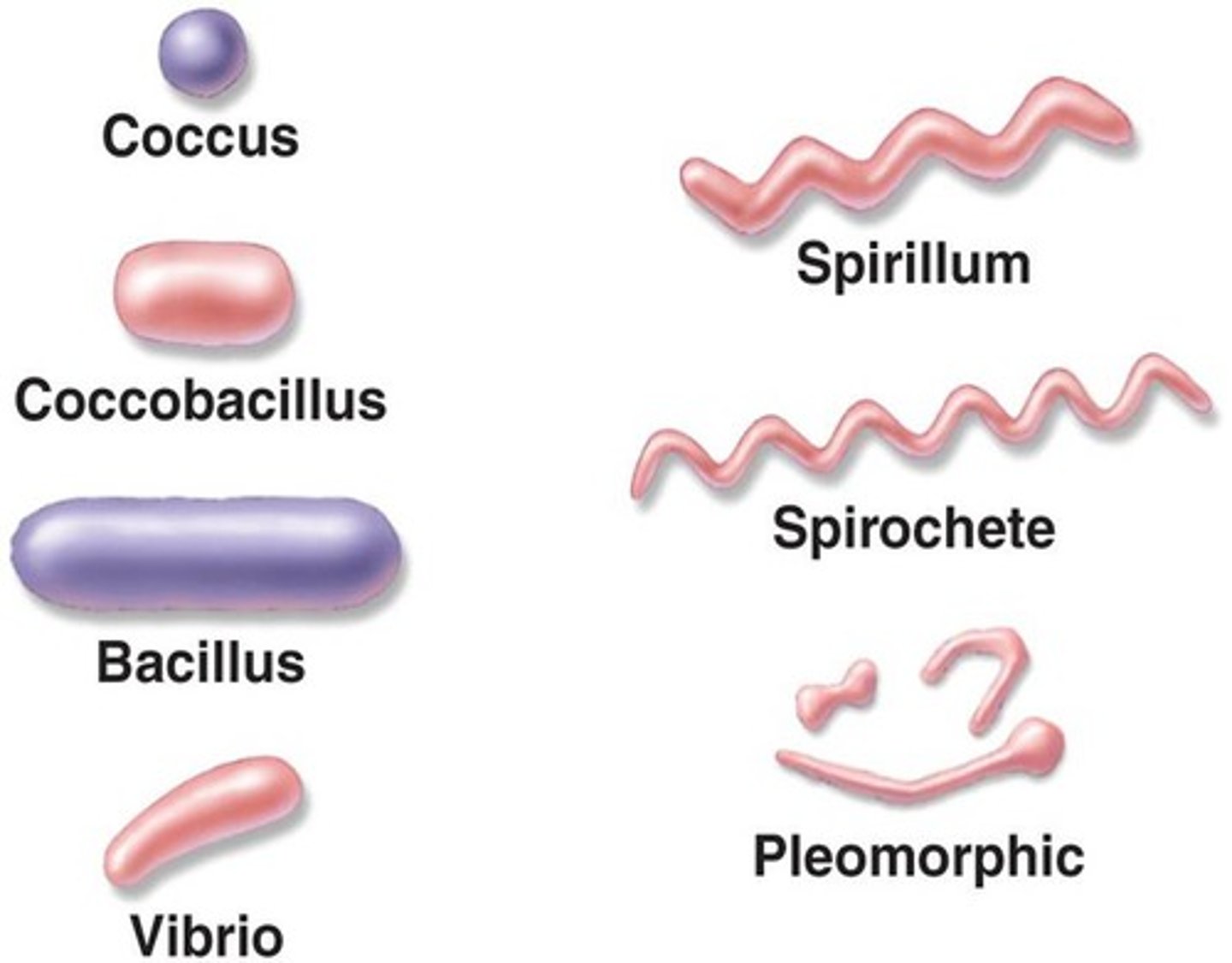
What are the 4 major types of bacteria morphology?
1) Cocci - unicellular and spherical shape
2) Bacilli - rod shaped or cylindrical bacteria which either remain singly or in pairs
> ex. Bacillus cereus
3) Vibrio - curved, comma shaped bacteria and represented by a single genus
> ex. Vibrio cholerae
4) Spirilla - spiral or spring like with multiple curvature and terminal flagella
> ex. Spirillum volutans
How is bacteria classified based on gram stain reactions?
> Gm positive (+)
— this type of bacteria retains the Gm stain, which appear violet
(Ex. Streptococcus, Staphylococcus)
> Gm negative (-)
— do not retain the Gm stain, but they take up the red color of the counter stain
Ex. Escherichia coli, Salmonella
> Atypical bacteria
— do not color with Gm staining but rather remain colorless; neither Gm+ nor Gm-
Ex. Chalmydia pneumoniae, Mycoplasma pneumoniae
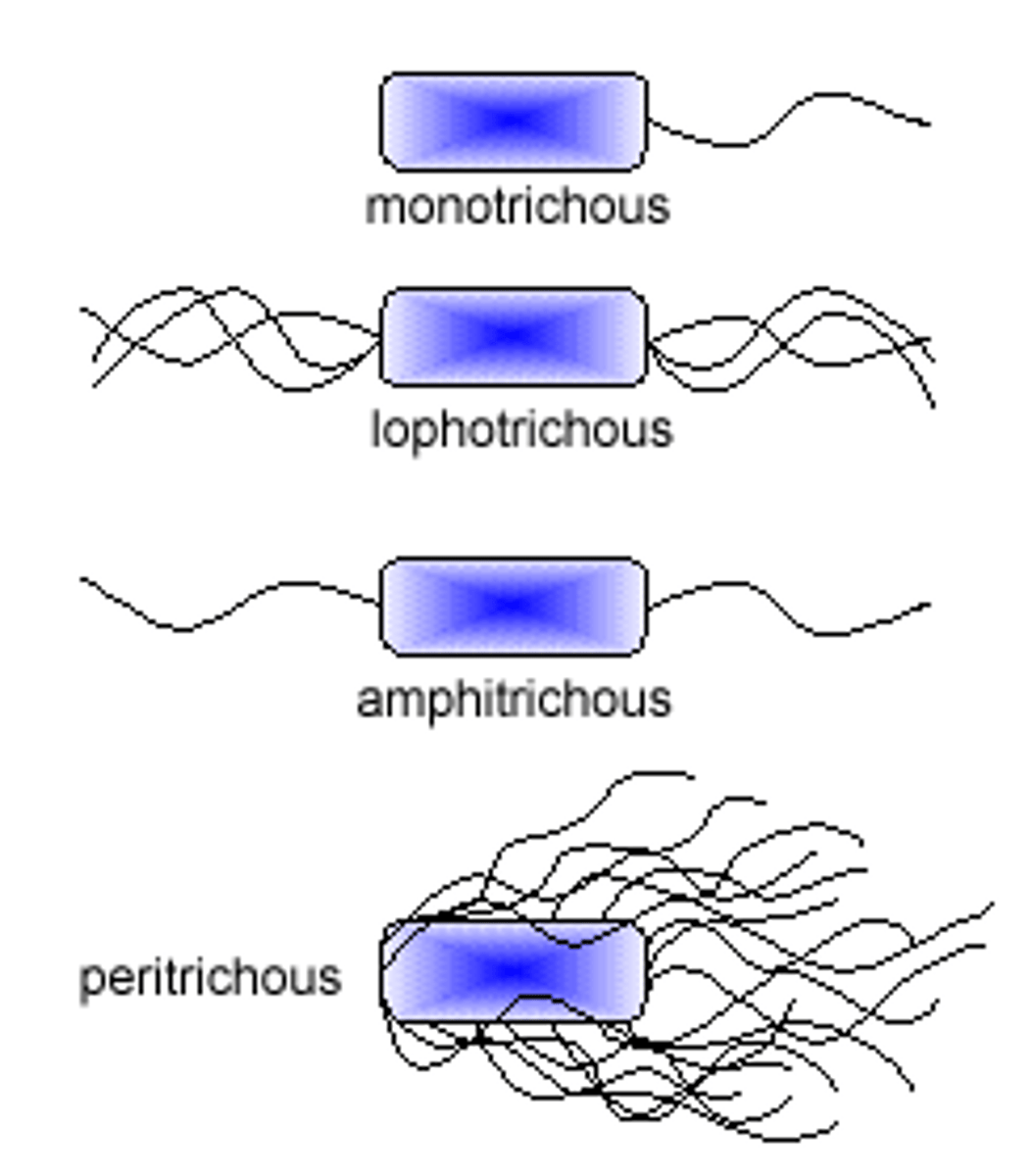
How is bacteria classified based on number of flagella?
> Atrichous
— has no flagella. Ex. Corynebacterium diphtherae
> Monotrichous
— has one flagellum. Ex. Vibrio cholera
> Lophotrichous
— has bunch of flagella. Ex. Pseudomonas
> Amphitrichous
— has one flagella on both sides. Ex. Rhodospirillum rubrum
> Peritrichous
— bunch flagella are evenly distributed, surrounding the entire bacterial cell. Ex. Bacillus
How is bacteria classified based on optimum temperature of growth?
> Psychrophiles (cryophiles)
— can grow at 0°C or below but the optimum temp. Of growth is 15°C or below and max temp. Is 20°C
Ex. Vibrio psychroerythrus, vibrio marinus, Polaromonas vasculata, Psychroflexus
> Mesophiles
— can grow best between 25-40°C but the optimum temp. Of growth is 37°C. Most of the human pathogens are mesophilic in nature
Ex. E. Coli, salmonella, klebsiella, staphulococci
> Thermophiles
— can best grow above 45°C
Ex. Streptococcus thermophiles, Bacillus stearothermophilus, Thermus aquaticus
> Hyper thermophiles
— optimum temp. Of growth above 80°C. They are resistant to heat and adopt to grow in higher temp.
Ex. Thermodesulfobacterium, Aquifex, Pyrolobus fusarium, Thermotoga
How is bacteria classified based on optimum pH of growth?
> Acidophiles
— grow best at acidic pH (usually pH 2.0 or below)
Ex. Thiobbacillus thioxidans, Thiobacillus ferroxidans, Thermoplasma, Sulfobolus
> Alkaliphiles
— grow best at alkaline pH (pH roughly 8.0 - 11)
Ex. vibrio cholerae, optimum pH of growth is 8.2
> Neutriphiles
— grow best at neutral pH (6.7 - 7.5)
— most of the bacteria grow at neutral pH
Ex. E. Coli
How is bacteria classified based on salt requirement?
> Halophiles
— require high concentration of NaCl for growth
Ex. Archeobacteria, Halobacterium, Halococcus
> Halotolerant
— most of these bacteria do not require NaCl but can tolerate low concentration of NaCl in growth media
How is bacteria classified based on gaseous requirement?
> Obligate aerobes
— require oxygen (O2) and cannot grow in the absence of O2
Ex. Mycobacterium, Bacillus
> Obligate anaerobes
— can grow only in absence of O2; O2 is harmful to obligate anaerobes
Ex. Peptococcus, Peptostreptococcus, Slostridium, methanococcus
> Capnophiles
— require carbon dioxide (CO2) for growth. They are CO2 loving organisms
Ex. Campylobacter, Helicobacter pylori, Brucella abortus
How is bacteria classified based on spore?
(1) Spore forming bacteria
- produces spore during unfavorable condition nutrients, such as sources of carbon and nitrogen, are depleted. Bacterial spores are highly resistant to Dehydration, Radiation, Chemicals, high temperature and extreme freezing
Two groups of Spores forming bacteria:
I) Endospore forming bacteria - spore produced within the bacterial cell
Ex. Bacillus, clostridium, Sporosarcina etc.
II) Exospore forming bacteria - spore produced outside the cell
Ex. Methylosinus
(2) Non spore forming bacteria
- do not produce spore
Ex. E. Coli, Salmonella
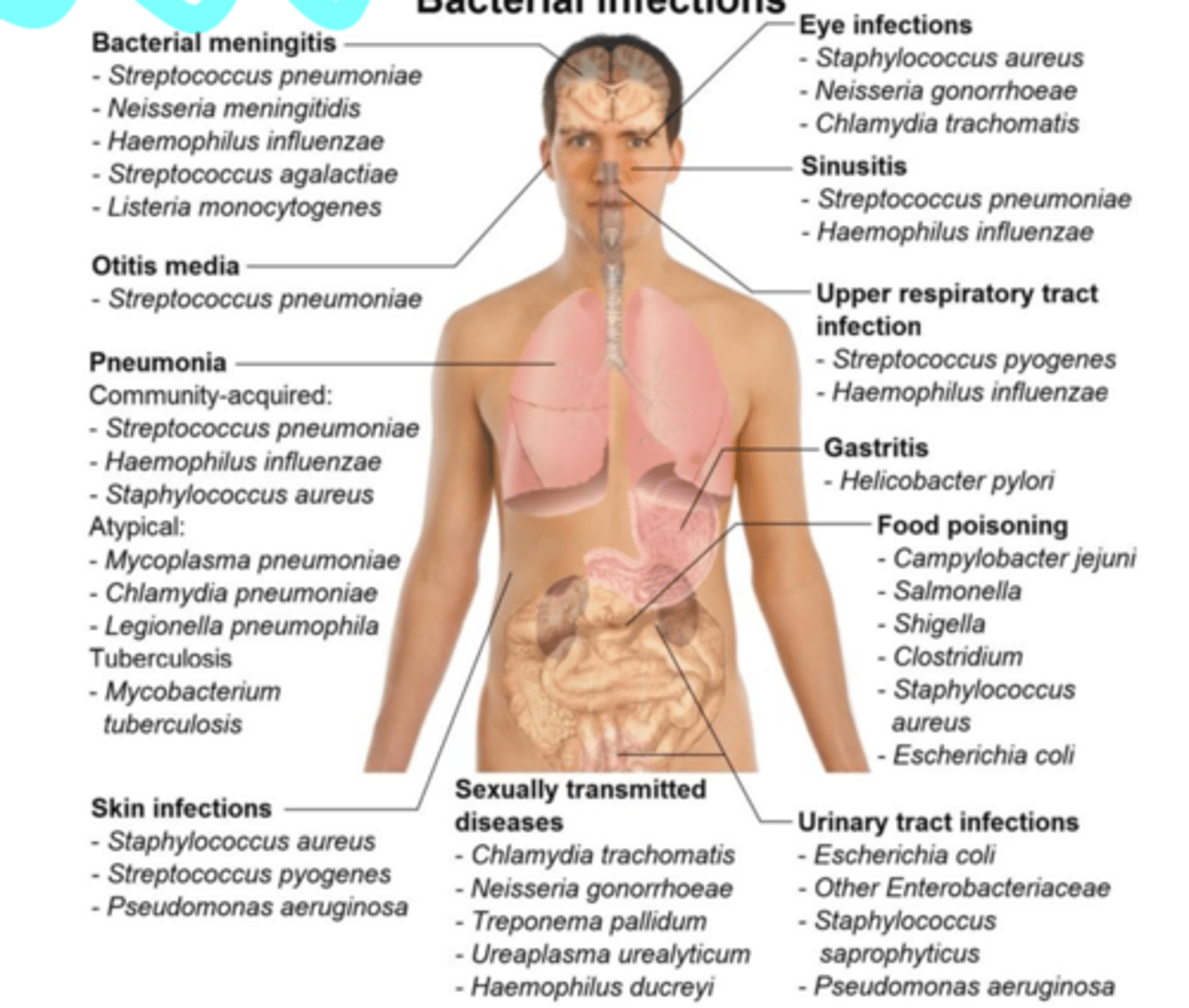
What are the general sites of infection for gm+ cocci?
Skin, soft tissue, heart, lung, bone, joints, hardware, indwelling lines
What are the general sites of infection for gm- rods?
- Lung (hospital-acquired pneumonia (HAP) and ventilator-associated pneumonia (VAP))
- Any intra-abdominal organ, genitourinary system
What are the general sites of infection for anaerobes?
Lung (abscess), oral cavity, any intraabdominal organ
What are the general sites of infection for atypicals?
Lung (community-acquired pneumonia (CAP))
sites of infection on different part of the body
What are antimicrobial agents?
> Chemicals that kill or inhibits the growth of microorganisms; any substance of natural, semisynthetic or synthetic origin that kills or inhibits the growth of microorganisms but causes little or no damage to the host
> All agents that act against all types of microorganisms - bacteria (antibacterial), fungi (antifungal), viruses (antiviral), and protozoa (antiprotozoal)
— used to treat infectious diseases
What are infectious diseases caused by?
Microorganisms such as bacteria, fungi, viruses, or parasite
What are antimicrobials classified by?
(1) Spectrum of activity
(2) Effect on bacteria
(3) Mechanism of action
(T/F) Antimicrobials vary in their ability to inhibit or kill different species of bacteria
T
What are the two spectrums of activities that antimicrobials are classified into?
> Broad-spectrum
— kill many different species of bacteria (do not want to use if target is known)
> Narrow-spectrum
— kill fewer different species of bacteria
Narrow-spectrum antibiotics
- Affects a narrow range of organisms
- Gm+ only OR Gm- only
Advantage:
affects pathogen only, they cause less disruption of normal flora
Disadvantage:
requires identification of pathogen
Broad-spectrum antibiotics
- Affects a wide range, including BOTH Gm+ and Gm- organisms
Advantage:
they are very important in the treatment of acute life-threatening diseases when immediate antimicrobial therapy is essential and there is no time to culture and identify the disease-causing agent
Disadvantage:
- they affect a wide range or organisms, they disrupt the normal flora that play an important role in fighting against pathogens
- this in turn can leave the patient predisposed to other infections
How are antimicrobials classified by their effects on bacteria?
> Bactericidal drugs
-- kill target organisms (bacteria)
Ex. aminoglycosides, cephalosporins, penicillins, and quinolones
> Bacteriostatic drugs
-- inhibit or delay bacterial growth and replication
Ex. tetracyclines, sulfonamides, and macrolides
> Some can be both bacteriostatic and bactericidal, depending on the dose, duration of exposure, and the state of the invading bacteria
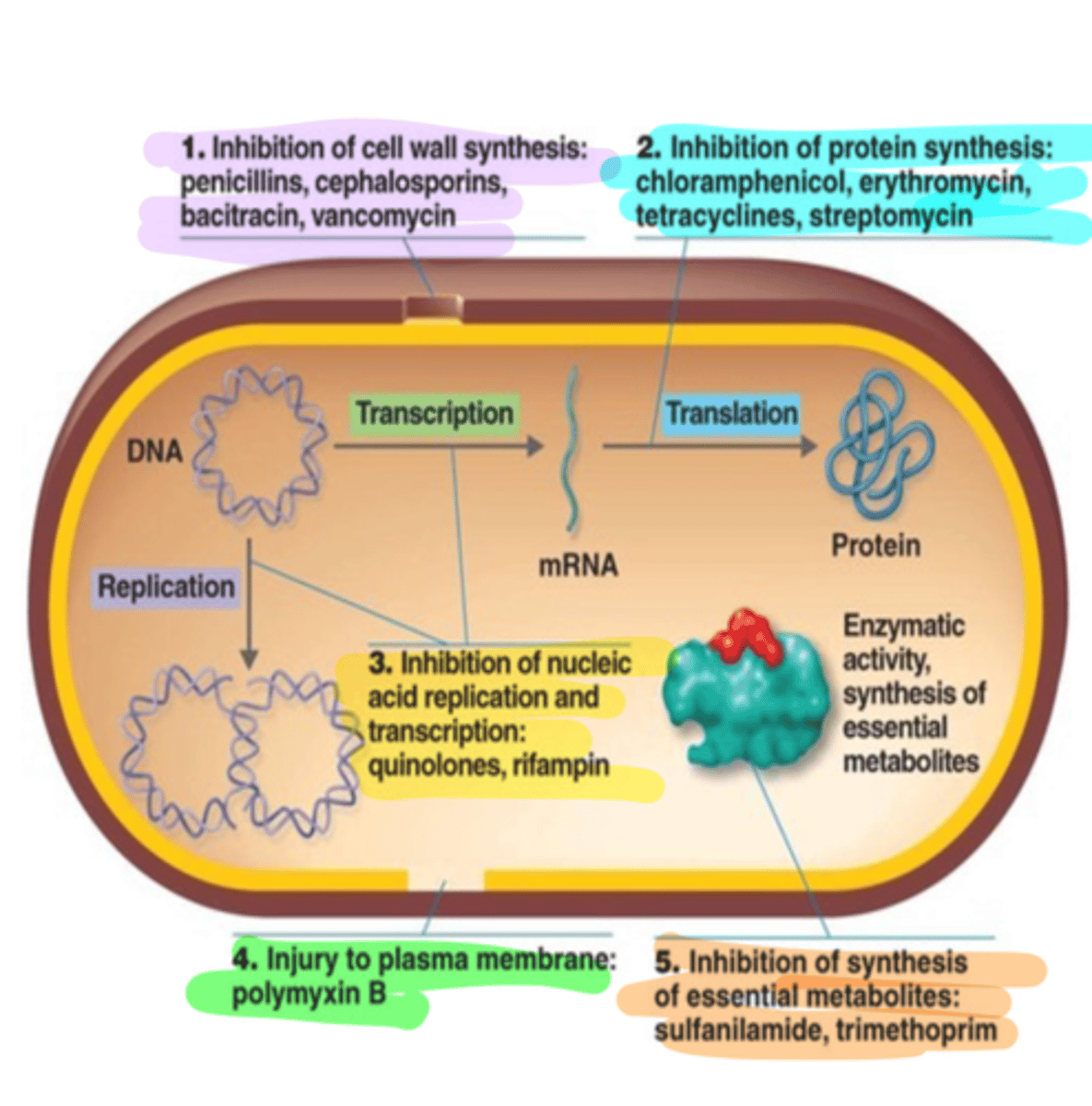
How are antimicrobials classified by MOA?
(1) Inhibition of cell wall synthesis
(2) Inhibition of protein synthesis
(3) Inhibition of nucleic acid replication and transcription
(4) Injury to plasma membrane
(5) Inhibition of synthesis of essential metabolites
What classes of antimicrobial agents inhibit bacterial cell wall synthesis?
β-Lactams and Non β-Lactams
β-Lactams include...?
- Penicillin
- Cephalosporin
- Carbapenem
- Monobactam
Non β-Lactams include...?
- Glycopeptide
- Lipoglycopeptide
Why can β-Lactams and Non β-Lactams selectively kill or inhibit bacteria?
Humans and animals do not have cell walls
What are the first class of antimicrobial drugs that interfere with cell wall synthesis?
β-Lactams
> Bactericidal
> Inhibit the synthesis of peptidoglycan layer of bacterial cell walls
-- peptidoglycan is a primary component of the wall and important for the cell wall structural integrity
How do bacteria often develop resistance to β-Lactams?
Bacteria synthesize a β-Lactamase, an enzyme that attacks the β-Lactam ring
How can β-Lactam resistance be overcome?
β-Lactam antibiotics are often given with β-Lactamase inhibitors such as clavulanic acid
What are the different categories of β-Lactams?
> Penicillins
> Cephalosporins
> Carbapenems
> Monobactams
What 5 categories are penicillins divided into?
(1) Natural Penicillin
(2) Amino-penicillins
(3) Anti-staphylococcal penicillin
(4) Anti-pseudomonal penicillin
(5) β-Lactam/β-Lactamase inhibitors combo
What are the natural penicillins?
- Penicillin G
- Penicillin VK
What are the amino-penicillins?
- Ampicillin
- Amoxicillin
What are the anti-staphylococcal penicillins?
- Nafcillin
- Oxacillin
- Dicloxacillin
- Cloxacillin
What are the anti-pseudomonal penicillins?
- Piperacillin
- Ticarcillin
What antibiotics were among the first medications to be effective against many different types of Gm+ and Gm- bacterial infections?
Penicillin antibiotics
(T/F) Many types of bacteria have developed resistance to penicillins from extensive uses, so they are not widely used today
F; penicillins are still widely used today, although many types of bacteria have developed a resistance
All penicillins are ___ antibiotics
All penicillins are β-Lactam antibiotics
Penicillin MOA
Inhibits bacterial cell wall synthesis by blocking transpeptidase:
> penicillin binds to Penicillin Binding Protein (PBP) receptor on the surface of bacterial cell wall
> PBP receptor is a member of transpeptidase enzyme involved in bacterial cell wall synthesis
> Penicillin binds to PBP receptor and inhibits transpeptidase resulting in inhibition of cell wall synthesis*
*without a cell wall, a bacterial cell is vulnerable to outside water and molecular pressures and quickly dies
(note: doesn't affect human cells, since no cell wall)
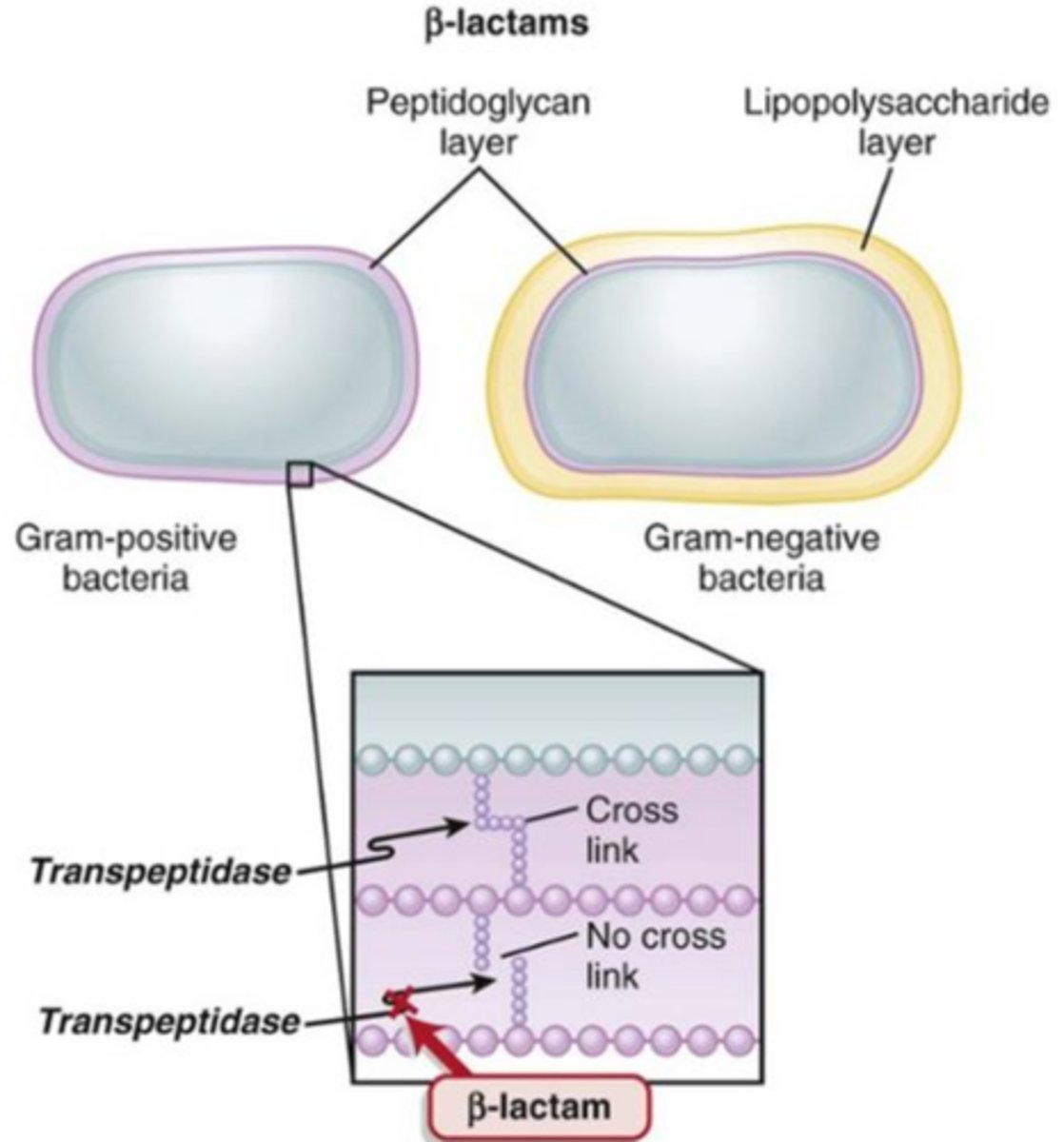
What are natural penicillins active/less active against?
- Active against Gm+ bacteria
- Much less active against Gm- rods, but active against Gm- cocci (Gonococci and Meningococci)
Natural penicillins are susceptible to..?
Hydrolysis by β-Lactamases
Penicillin G (Benzyl penicillin) are generally active against Gm+ organisms, with limited action against Gm-, why?
Gm- organisms have a different cell wall structure
PCN G administration routes
> PO, IM, IV: different dosage forms are used
> PO: well absorbed but destroyed in acidic GI environment. Food interferes.
> IM injections are rapidly absorbed, but also rapidly excreted. Need to give injections every 3-4 hrs
Forms of PCN G
> Procaine penicillin G - used to treat moderate to severe infections of the upper respiratory tract, skin and soft-tissue infections
> IM injections need to be given only every 12-24 hrs
> Benzathine penicillin G - IM injection to treat strep throat, diphtheria, syphilis, and yaws. Longer t1/2 than Procaine PCN G, once daily
> Penicillin G procaine has a prolonged t1/2 compared to penicillin G, but shorter than that of benzathine formulations:
t1/2: Benzathine PCN G > Procaine PCN G > PCN G
Pharmacokinetics of Penicillin G
Distribution
- penetrates most body compartment to different extents
- does not enter the CNS to a significant extent (<1% plasma conc.). But therapeutically effective concentrations (5% plasma conc.) in presence of meningeal inflammation/infection
Excretion
- rapid renal excretion (tubular secretion), t1/2 = 30 min
- all penicillins are excreted via tubular secretion except one (Nafcillin which excretes in bile)
What is sometimes used along with penicillins to increase the antibiotics blood levels?
Probenecid; increase antibiotics blood levels by inhibiting secretion of penicillins in the kidney, thus blocking the kidneys from removing penicillins from the body
What are the adverse effects associated with Penicillin G?
Relatively safe, mostly causing hypersensitivity reactions in the form of skin rashes. Cross hypersensitivity is high
Penicillin V Potassium (Beepen-VK) is used to treat...?
Has a narrow spectrum, used to treat mild to moderate infections caused by Gm+ aerobic organisms
How is Penicillin V Potassium (Beepen-VK) administered?
Given PO - relatively stable in gastric acid
How do aminopenicillins compare to natural penicillins in terms of activity?
Aminopenicillins are part of the broad spectrum penicillins and have a wider spectrum of activity than natural
Aminopenicillins have a higher activity against what type of bacteria?
Higher activity against Gm+ such as Group A streptococcus (GAS) and Group B streptococcus (GBS), and Gm- such as Escherichia coli and Haemophilus influenza
What are aminopenicillins used to treat?
A wide range of infections such as urinary, respiratory, skin, and GI infections
Aminopenicillins get destroyed by ____
Aminopenicillins get destroyed by β-Lactamases
What category of penicillins are resistant to β-Lactamases?
Anti-staphylococcal penicillins
NOT degraded by β-Lactamases
What are the clinical uses of Anti-staphylococcal penicillins?
Treatment of acute bacterial skin and skin structure infections caused by penicillinase-producing Staphylococcus aureus such as methicillin-susceptible Staphylococcus aureus (MSSA)
Although Anti-staphylococcal penicillins can be used for treatment of MSSA, they cannot be used to treat ___
Although Anti-staphylococcal penicillins can be used for treatment of MSSA, they cannot be used to treat MRSA (Methicillin-resistent Staphylococcus aureus)
Nafcillin
- Highly resistant to penicillinase (β-Lactamase)
- Used for penicillin-resistant Staph. aureus infections
- GI absorption is poor, not given PO, only parenterally
- Excreted primarily in the bile
Oxacillin and Dicloxacillin
- More active against penicillinase producing Staph. aureus
- Adm. routes: Dicloxacillin (PO), Oxacillin (IM, IV)
Cloxacillin
Used to treat infections caused by penicillinase (β-Lactamase) producing Staph. aureus, including pneumococci
Which penicillins are very broad spectrum and have activities of penicillins and aminopenicillins, with additional activity against Pseudomonas (P.) aeruginosa (Gm-)?
Anti-pseudomonal Penicillins: Piperacillin, Ticarcillin
Piperacillin and Ticarcillin are sensitive to ___
Piperacillin and Ticarcillin are sensitive to β-Lactamase
Piperacillin uses
Used for treatment of P. aeruginosa infections and more active against P. aeruginosa than Ticarcillin (Spectrum include Bacteroides spp. and Klebsiella spp.)
Ticarcillin are active against what type of infections?
P. aeruginosa
Piperacillin and Ticarcillin are both available for ___ administration
Piperacillin and Ticarcillin are both available for parenteral administration (IV or IM)
Why are β-lactamase inhibitors used? Give examples of drugs.
Block β-Lactamase activity and prevent degradation of β-Lactam antibiotics, such as penicillins and other extended-spectrum penicillins:
> Tazobactam, Clavulanate and Sulbactam
-- have little intrinsic antibacterial activity, but inhibit the activity of β-Lactamases
What are Penicillin/β-Lactamase Inhibitor combos that are in clinical use?
- Amoxicillin/Clavulanate (Augmentin) (PO)
- Ampicillin/Sulbactam (Unasyn) (Injection - IM)
- Piperacillin/Tazobactam (Zosyn) (Injection - IV)
When is Amoxicillin/Clavulanate (Augmentin) used? what ROA?
For patients with otitis media, sinusitis, lower respiratory infection, bite wounds, and urinary tract infections
- given PO
When is Ampicillin/Sulbactam (Unasyn) used?
Parenteral formulation to treat patients with diabetic foot ulcers, intra-abdominal and pelvic infections
- given IM
When is Piperacillin/Tazobactam (Zosyn) used?
For patients with pelvic inflammatory disease, intra-abdominal infection, pneumonia, cellulitis, and sepsis
- given IV
What are the side effects and adverse reactions of penicillins?
> Hypersensitivity: mild or severe
-- Mild: rash, hives and pruritus - Rx with antihistamines
-- Severe: anaphylactic shock (is an acute rxn where BP drops suddenly) - occurs w/in 20 min. EpiPen helps reverse
> Superinfection: secondary infection when normal microbial flora of the body is disturbed during antibiotic Rx
-- Mouth, respiratory tract, GI disturbances, or skin
-- Usually infected by fungus
> Organ toxicity: especially liver and kidneys where drugs metabolized and excreted
What are the mechanisms of bacterial resistance to penicillins?
(1) Capable of producing β-Lactamases
- bacteria like Staphylococcus, H. influenza, Gonococci and Gm- rods are resistant to penicillins b/c they are able to produce β-Lactamases which hydrolyzes penicillins
(2) Altered Penicillin Binding Protein (PBP) receptor
- certain bacteria may be resistant to penicillin b/c they either alter PBP receptor or make impermeability of their cell membranes to antibiotics
(3) Inability of penicillins to activate autolysin (autolytic enzymes)
- in certain bacteria, penicillin cannot activate autolysins to kill bacteria. In such case bacteria are only inactivated but not killed (ex. Streptococcus, Listeria)
(4) Absence of cell wall
- bacteria lacking cell walls are spontaneously resistant to penicillin (ex. Mycoplasma bacteria that lacks a cell wall around their membranes)
(5) Mutation in bacterial gene
- certain bacteria such as Methicillin Resistant Staphylococcus Aureus (MRSA); resistance is due to mutation in bacterial gene which codes altered penicillin binding protein (PBP)
Gram-positive versus Gram-negative bacterial cell wall
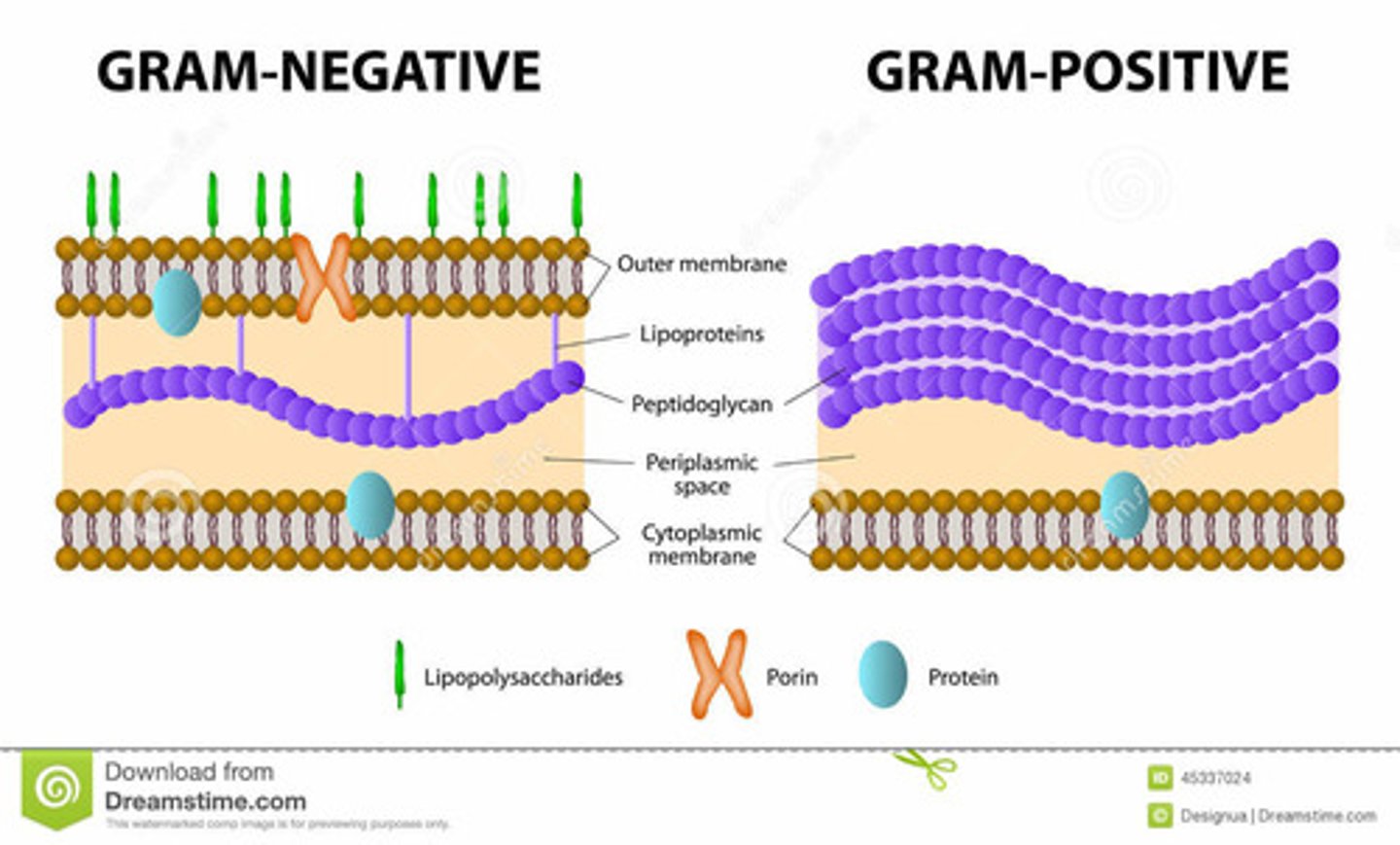
What is the basic structure of Cephalosporins?
4-membered β-Lactam ring attached to a 6-membered dihydrothiazine ring (still β-Lactams)
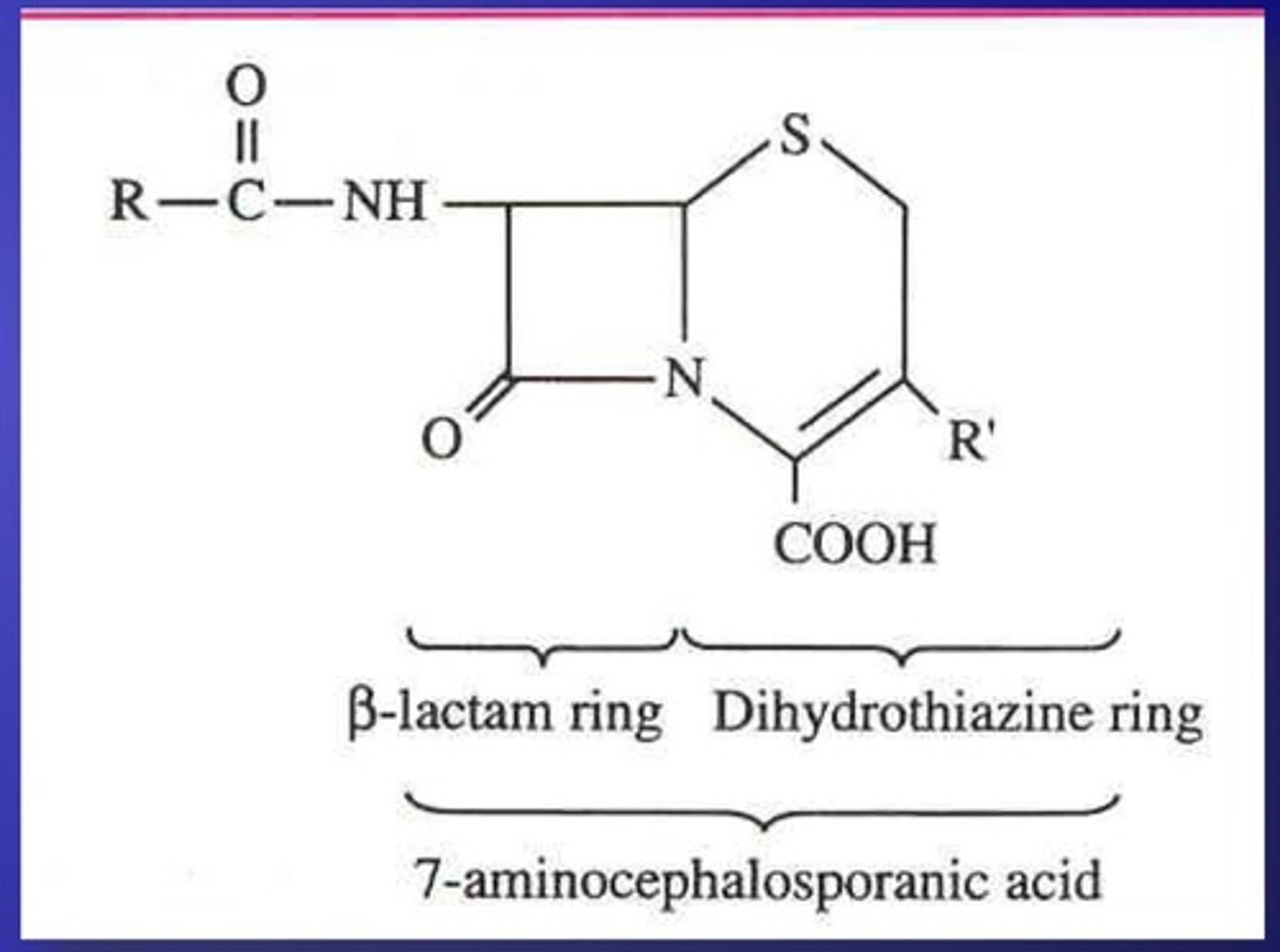
(T/F) Cephalosporins are contraindicated for those allergic to penicillin
T
How do Cephalosporins affect cell wall synthesis?
Inhibit or disrupt bacterial cell wall synthesis
* bactericidal β-Lactam antibiotics
Cephalosporins are ___ susceptible to β-Lactamases than penicillins
Cephalosporins are less susceptible to β-Lactamases than penicillins
All Cephalosporins begin with...?
"Ceph" or "Cef"
Where are Cephalosporins originally derived from?
The fungus Acremonium, which was previously known as Cephalosporium
What ROA are Cephalosporins available in?
Several available PO, most administered parenterally (IV or IM)
Cephalosporins with side chains may undergo ___ metabolism,
but the major elimination mechanism for drugs in this class is...?
Cephalosporins with side chains may undergo hepatic metabolism,
but the major elimination mechanism for drugs in this class is renal excretion via active tubular secretion
What are the Cephalosporin exceptions that are excreted mainly in the bile?
Cefoperazone and ceftriaxone
Where do most 1st and 2nd generation Cephalosporins not enter?
Most 1st and 2nd gen. Cephalosporins do not enter the Cerebrospinal Fluid (CSF) even when the meninges are inflamed
Cephalosporins MOA
- Inhibit bacterial cell wall synthesis by mechanisms similar to those of the penicillins
> Bind Penicillin Binding Proteins (PBPs) on bacterial cell membranes and disrupt the synthesis of the peptidoglycan layer forming the bacterial cell wall
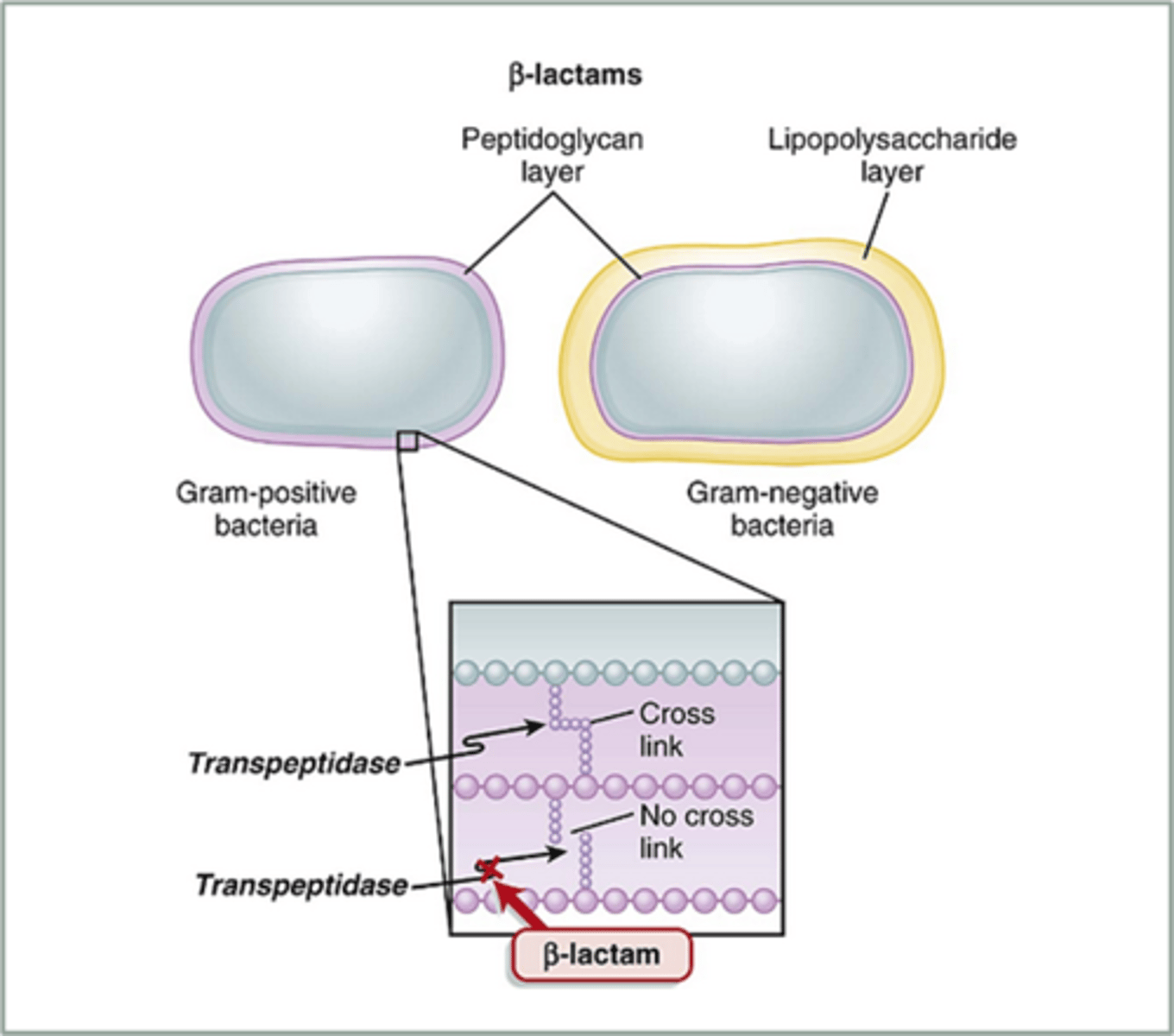
(T/F) Although Cephalosporins are less susceptible to β-Lactamases than penicillins, many bacteria can develop resistance to this class of drugs
T
What causes resistance to Cephalosporins?
(1) Inability of the cephalosporins to reach the site of their actions
(2) Alterations in the PBPs that are targets of the cephalosporins
(3) Bacteria producing β-Lactamases which can hydrolyses cephalosporins
Cephalosporins are classified into ___ "generations,"
these generations are based on the antibacterial spectra
Cephalosporins are classified into 5 "generations,"
these generations are based on the antibacterial spectra
Which generation of Cephalosporins? :
- Have good activity against Gm+ bacteria and modest activity against Gm- microorganisms
- Most Gm+ cocci are susceptible (except for enterococci, MRSA, and S. epidermidis)
- Most oral cavity anaerobes are sensitive (but the B. fragilis group is resistant)
- Have modest activity against Moraxella catarrhalis, E. coli, Klebsiella pneumoniae, and P. mirabilis
1st Generation Cephalosporins