ARCH 2311- Quiz 2- Part 2 (Ancient Egypt I)
 Call Kai
 Learn
Learn Practice Test
 Spaced Repetition
 Match
Match Flashcards
 Knowt Play
1/71

There's no tags or description
Looks like no tags are added yet.
Name | Mastery | Learn | Test | Matching | Spaced | Call with Kai | Chat |
|---|
No analytics yet
Send a link to your students to track their progress
72 Terms
Thomas Cole, The Architect’s Dream, oil on canvas, 1840

Jean-Léon Gérôme, Napoleon and His General Staff in Egypt, oil on panel, 1867

Léon Cogniet, Bonaparte, Surrounded by Scholars and Artists, as a Mummy is Discovered, ceiling painting, 1835

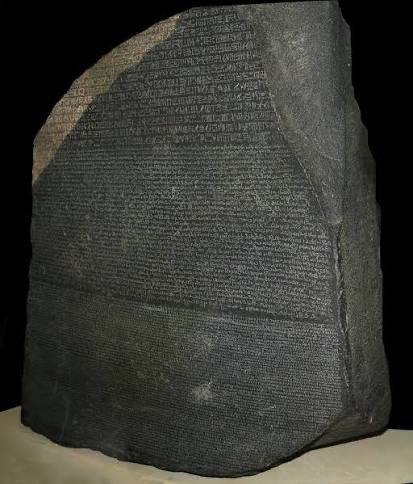
Rosetta Stone
Edfu, Temple Interior, engraving from Déscription de l'Égypte (Paris, 1809-1822)

Guillaume Larrue, In front of the Great Sphinx, at the Louvre, oil on canvas, ca. 1885

I. M. Pei, arch., Grand Pyramid, Louvre, Paris, France, 1984-89

William Strickland, arch., First (Downtown) Presbyterian Church, Nashville, TN, 1848

Aldo Rossi, arch., San Cataldo Cemetery, Modena, Italy, 1971-78

Giza Complex, near Cairo, Dynasty IV (Old Kingdom), ca. 2550-2460 BC

Egyptian Gods
Horus is son of Osiris and Isis.

Temple of Seti I, Chapel of Sokar Osiris, Abydos, Dynasty XIX

Anubis (son of Osiris) introduces embalming rites for the dead to preserve the body for eventual resurrection and eternal life, like he did for Osiris.

Ramasses III crowned by Horus and Seth, granite, Dynasty XX (New Kingdom) [Cairo Museum]

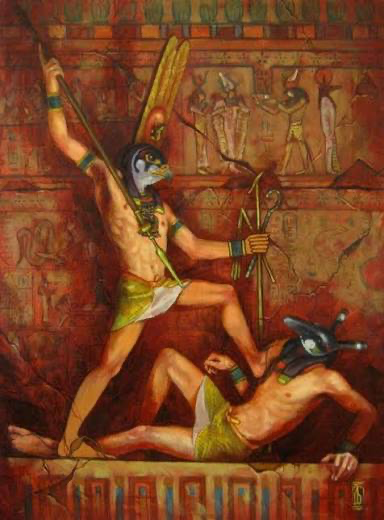
Final battle of Horus and Seth
Mastaba tomb diagrams

Ka-Aper, from his mastaba tomb at Saqqara, Dynasty V, wood, 43” high

Royal tumulus tomb, Abydos (Upper Egypt), Dynasty I (Old Kingdom), ca. 3100-2890 BC
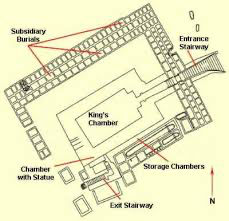
Imhotep, arch., Funerary complex of King Djoser, Saqqara, Egypt,
Dynasty III (Old Kingdom), ca. 2630 BC

Imhotep Deified, bronze, Ptolemaic Period, ca. 332-30 BC

Step Pyramid of Sneferu, Meidum , Egypt, Dynasty IV (Old Kingdom), ca. 2704-2656 BC

Bent Pyramid of Sneferu, Dahshur, Egypt, Dynasty IV (Old Kingdom)

Red Pyramid of Sneferu, Dahshur, Egypt, Dynasty IV (Old Kingdom)

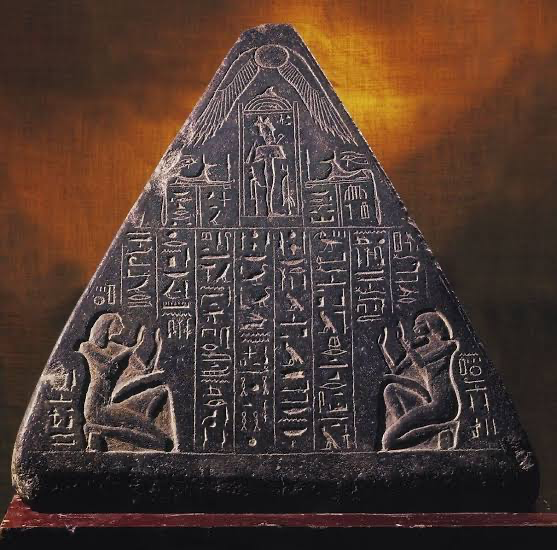
Pyramidion, from private tomb of Amenhotep-Huy, New Kingdom
ben-ben: a cone-shaped stone, which was the most sacred relic of the sun god Re; the basis of the pyramidion form
Giza Complex, near Cairo, Dynasty IV (Old Kingdom), ca. 2550-2460 BC

Pyramid complex of Khafre (Chefren), Giza, Egypt, Dynasty IV (Old Kingdom), ca. 2530 BC

Pyramids of Khafre (Chefren) and Khufu (Cheops)

Pyramid of Minkaure (Mycerinus) ca. 2550-2460 BC

Plan of the Valley and Mortuary Temples for Khafre, Giza, Egypt,
Dynasty IV (Old Kingdom), ca. 2530 BC

Khafre (Chefren), from Giza, Egypt, diorite, Dynasty IV (Old Kingdom), ca. 2520-2494 BC

View inside Valley Temple of Khafre (Chefren) at Giza, Egypt,
Dynasty IV (Old Kingdom), ca. 2530 BC

Great Pyramid of Khufu (Cheops), Giza, Dynasty IV (Old Kingdom), ca. 2550 BC- Sections

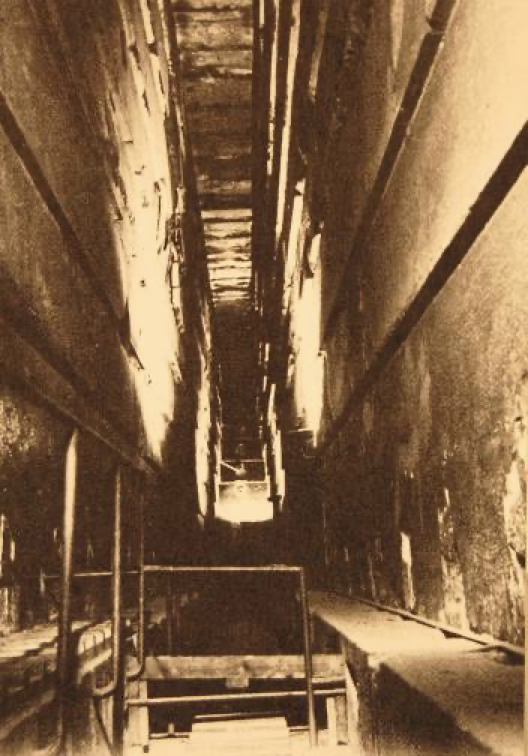
Grand Gallery- Great Pyramid of Khufu (Cheops), Giza, Dynasty IV (Old Kingdom), ca. 2550 BC
Kings Chamber- Great Pyramid of Khufu (Cheops), Giza, Dynasty IV (Old Kingdom), ca. 2550 BC

Sarcophagus of Meresankh II, from Giza, Egypt, granite,
Dynasty IV (Old Kingdom), ca. 2625–2500 BC

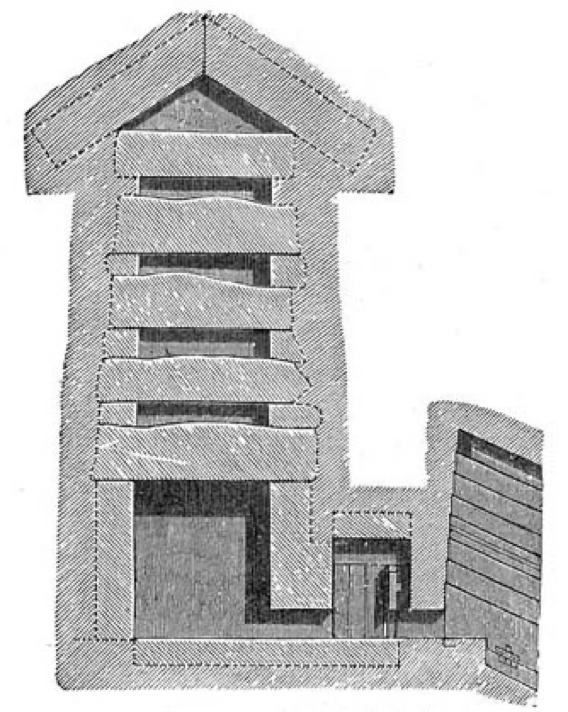
Section showing relieving-lintels over Kings Chamber- Great Pyramid of Khufu (Cheops), Giza, Dynasty IV (Old Kingdom), ca. 2550 BC
Sir Edward John Poynter, Israel in Egypt, oil on canvas, 1867

Statue of Osiris (god of the underworld), bronze, Late or Greco-Roman Period, 760-30 BC

Rock-cut tombs at Beni Hasan, Egypt, Dynasty XII (Middle Kingdom), ca. 2000-1900 BC

Plan & Section- Rock-cut tomb of Amenemhet, Beni Hasan, Dynasty XII (Middle Kingdom), ca. 2000-1900 BC

Interior showing columns cut from rock- Rock-cut tomb of Amenemhet, Beni Hasan, Dynasty XII (Middle Kingdom), ca. 2000-1900 BC

Niche with broken effigy- Rock-cut tombs at Beni Hasan, Egypt, Dynasty XII (Middle Kingdom), ca. 2000-1900 BC

Wall painting showing Amenemhet collecting tribute from his estates- Rock-cut tombs at Beni Hasan, Egypt, Dynasty XII (Middle Kingdom), ca. 2000-1900 BC

Plan & Section- Rock-cut tombs at Beni Hasan, Egypt, Dynasty XII (Middle Kingdom), ca. 2000-1900 BC

Interior showing papyrus-bud-capital “columns”- Rock-cut tombs at Beni Hasan, Egypt, Dynasty XII (Middle Kingdom), ca. 2000-1900 BC

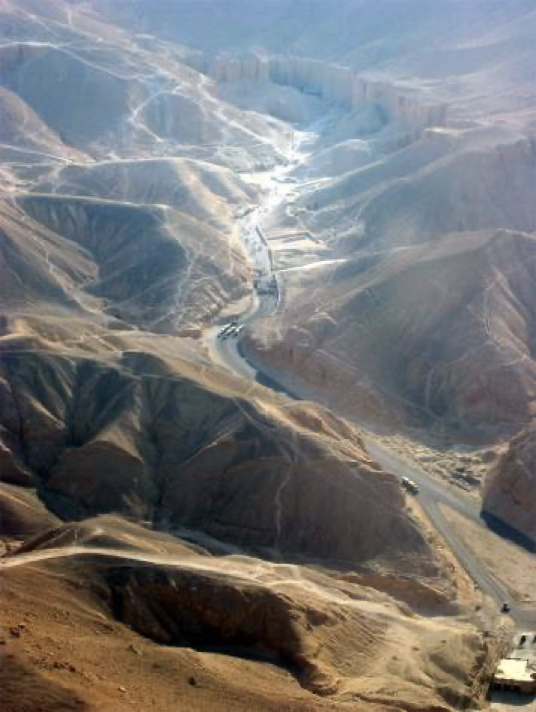
Valley of the Kings
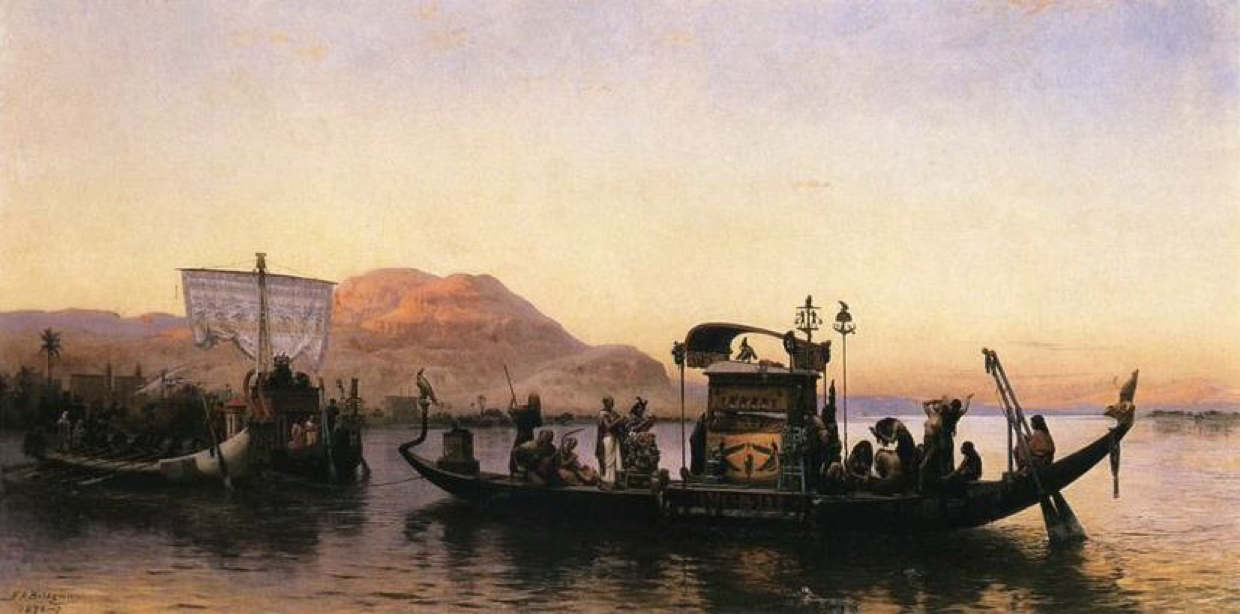
Frederick Arthur Bridgeman, The Funeral of the Mummy, oil on canvas, 1877
Rites before the tomb (‘opening the mouth’ ceremony)
from the Book of the Dead of Hunefer, Thebes, Dynasty XIX, ca. 1300 BC [British Museum]

Hunefer having his heart weighed against a feather, and being presented to Osiris from the Book of the Dead of Hunefer, Thebes, Dynasty XIX, ca. 1300 BC [British Museum]

Corridor tomb of Seti I, Valley of the Kings, near Thebes,
Dynasty XIX (New Kingdom), ca. 1279 BC

Exhibition of the ancient tomb of Seti I (Dynasty XIX),
at The Egyptian Hall, Piccadilly, London, 1821-22
The tomb was discovered and excavated by Giovanni Belzoni in 1817.
This London exhibition of the tomb presented a facsimile of major rooms of the tomb complex,
derived from wax moulds, drawings, and watercolors that Belzoni made.

Cutaway section of a corridor tomb, Valley of the Kings

Death mask of Tutankhamen, from the innermost coffin in his tomb, near Thebes,
Dynasty XVIII (New Kingdom), ca. 1323 BC

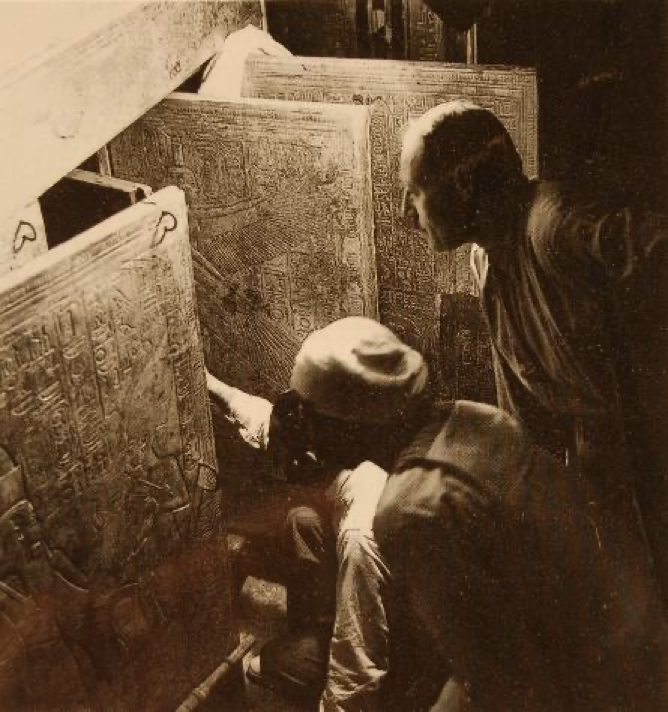
Howard Carter opening the shrines of Tutankhamen’s sarcophagus, 1922
The Tomb and Museum of King Tutankhamun, Luxor Hotel, Las Vegas

Senmut, arch., Funerary Temple of Queen Hatshepsut, Deir el-Bahari, Thebes,
Dynasty XVIII (New Kingdom), ca. 1473-1458 BC

Hatshepsut with offering jars, from the upper court of her mortuary temple, red granite,
Dynasty XVIII (New Kingdom), ca. 1473-1458 BC

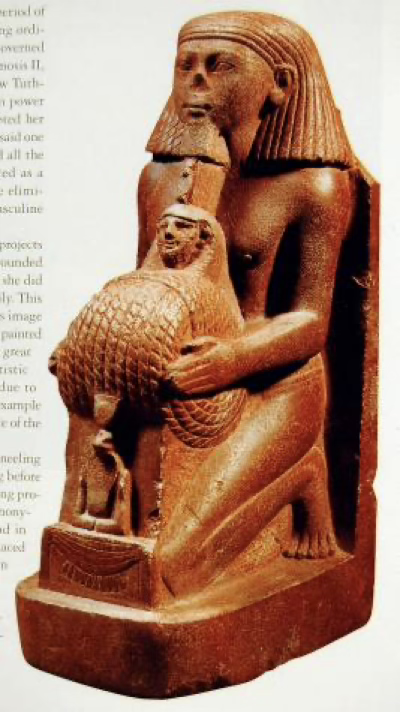
Statue of Senmut, holding coil of cord, Dynasty XVIII (New Kingdom), ca. 1470
Senmut, arch., Funerary Temple of Queen Hatshepsut, Deir el-Bahari, Thebes,
Dynasty XVIII (New Kingdom), ca. 1473-1458 BC

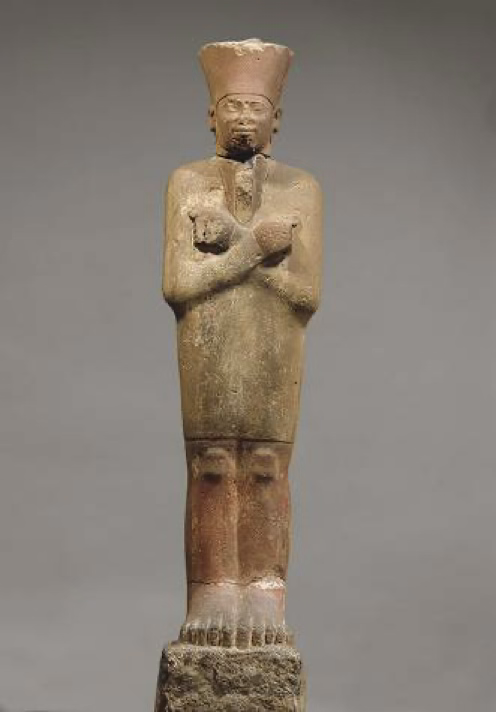
Colossal statue of Mentuhotep II,
Dynasty XI (Middle Kingdom), painted sandstone, ca. 2051-2000 BC
Funerary Temple of Mentuhotep II, Deir el-Bahari, Thebes,
Dynasty XI (Middle Kingdom), ca. 2061-2010 BC

Funerary Temple of Mentuhotep, Deir el-Bahari, Thebes,
Dynasty XI (Middle Kingdom), ca. 2061-2010 BC

Funerary Temple of Mentuhotep, Deir el-Bahari, Thebes,
Dynasty XI (Middle Kingdom), ca. 2061-2010 BC

Senmut, arch., Funerary Temple of Queen Hatshepsut, Deir el-Bahari, Thebes,
Dynasty XVIII (New Kingdom), ca. 1473-1458 BC
Portico of the Anubis Sanctuary

Senmut, arch., Funerary Temple of Queen Hatshepsut, Deir el-Bahari, Thebes,
Dynasty XVIII (New Kingdom), ca. 1473-1458 BC
Chapel to Hathor, with Hathor-headed capitals

Senmut, arch., Funerary Temple of Queen Hatshepsut, Deir el-Bahari, Thebes,
Dynasty XVIII (New Kingdom), ca. 1473-1458 BC
Punt Colonnade

Senmut, arch., Funerary Temple of Queen Hatshepsut, Deir el-Bahari, Thebes,
Dynasty XVIII (New Kingdom), ca. 1473-1458 BC
Restored colossal statues of Hatshepsut as Osiris

Hatshepsut in a Devotional Attitude, granite, Dynasty XVIII (New Kingdom), ca. 1473-1458 BC [Metropolitan Museum of Art]

Heads from broken Osiride statues indicating decapitation of Hatshepsut’s image, Deir el-Bahari, Thebes, Dynasty XVIII (New Kingdom)

Great Temple of Amon, Karnak, Thebes, Dynasty XIX (New Kingdom), ca. 1350-1205 BC
Hatshepsut was a major builder. She particularly worked on major monuments and sections at the holiest Egyptian temple, the Great Temple of Amon at Karnak.

Palace of Ma’at, central sanctuary at the Great Temple of Amon at Karnak, Dynasty XVIII (New Kingdom), built by Hatshepsut ca. 1479-1458 BC; later defaced by Thutmose III
Figure of Hatshepsut between gods Horus and Thoth is carved away.

Temple of Thutmose III was later added between Mentuhotep II’s and Hatshepsut’s temples
