MMW 11 Midterm Visual Sources
 Call Kai
 Learn
 Practice Test
 Spaced Repetition
 Match
 Flashcards
 Knowt Play
1/13

There's no tags or description
Looks like no tags are added yet.
14 Terms

The Lauscaux Cave Paintings
Paleolithic France, c. 17,000 BCE
Context: Prehistoric cave art; its precise purpose is uncertain
Themes: R (spiritual beliefs), A (artistic expression)

James Mellart’s Art on Dorak Treasure
Identify: 1959, allegedly depicting Bronze Age artifacts from Turkey
Context: Mellaart reported seeing the objects but did not produce the treasure; the account remains controversial and unverified.
Themes: A (artistic expression/material culture), W (writing and the recording of the past).
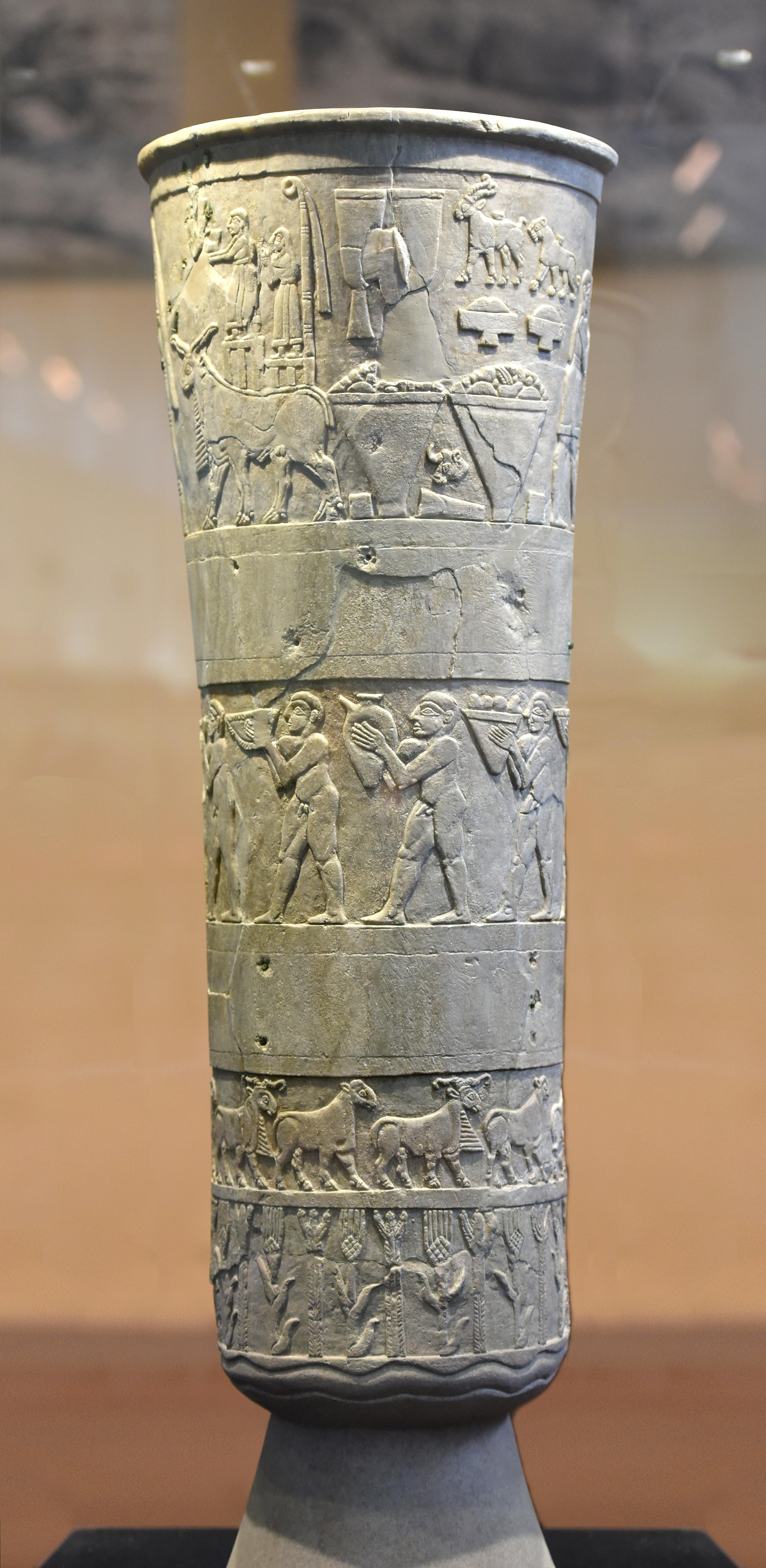
Vase to Inanna
Sumer, Mesopotamia; c. 3200–3000 BCE.
Depiction: Registers show agricultural goods, animals, and offerings associated with Inanna
Context: Connected to temple worship and the agricultural economy
Themes: R (religion), S (social hierarchy)
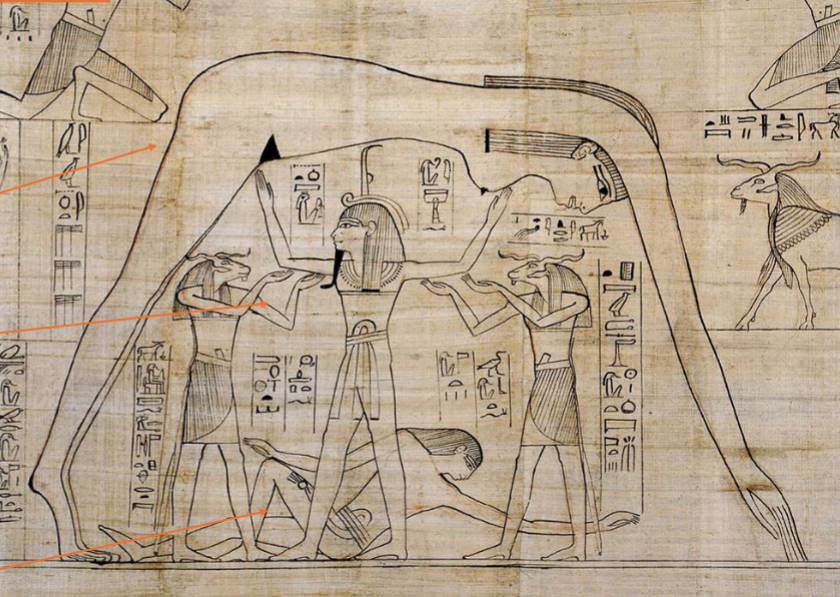
Egyptian creation story of Nut Geb
Ancient Egyptian religious imagery depicting the creation and structure of the cosmos.
Egyptian religious traditions explained the relationship between the sky, earth, and cosmic order
R — creation and divine beings; E — explanations of the natural world

King Djoser performing Heb-Sed Ritual
Old Kingdom Egypt, Third Dynasty, c. 27th century BCE.
Context: The ritual symbolically renewed the king’s strength and legitimacy; it was traditionally associated with a ruler’s continued reign.
Themes: P — royal authority; R — sacred kingship and ritual.

Priest King of Mohenjo Daro
Indus Valley (Harappan) Civilization, Mohenjo-daro, Pakistan, c. 2000–1900 BCE.
Context: The figure was named “Priest-King” by modern archaeologists; its actual identity and role are unknown.
Themes: S — possible elite status; A — sculpture and representation.

Dancing Girl of Mohenjo-daro
Indus Valley Civilization, c. 2500 BCE; small bronze statuette made using lost-wax casting.
Context: From the urban settlement of Mohenjo-daro; the figure’s exact identity and purpose are unknown.
Themes: A — artistic and technical skill; S — representation of the human figure.
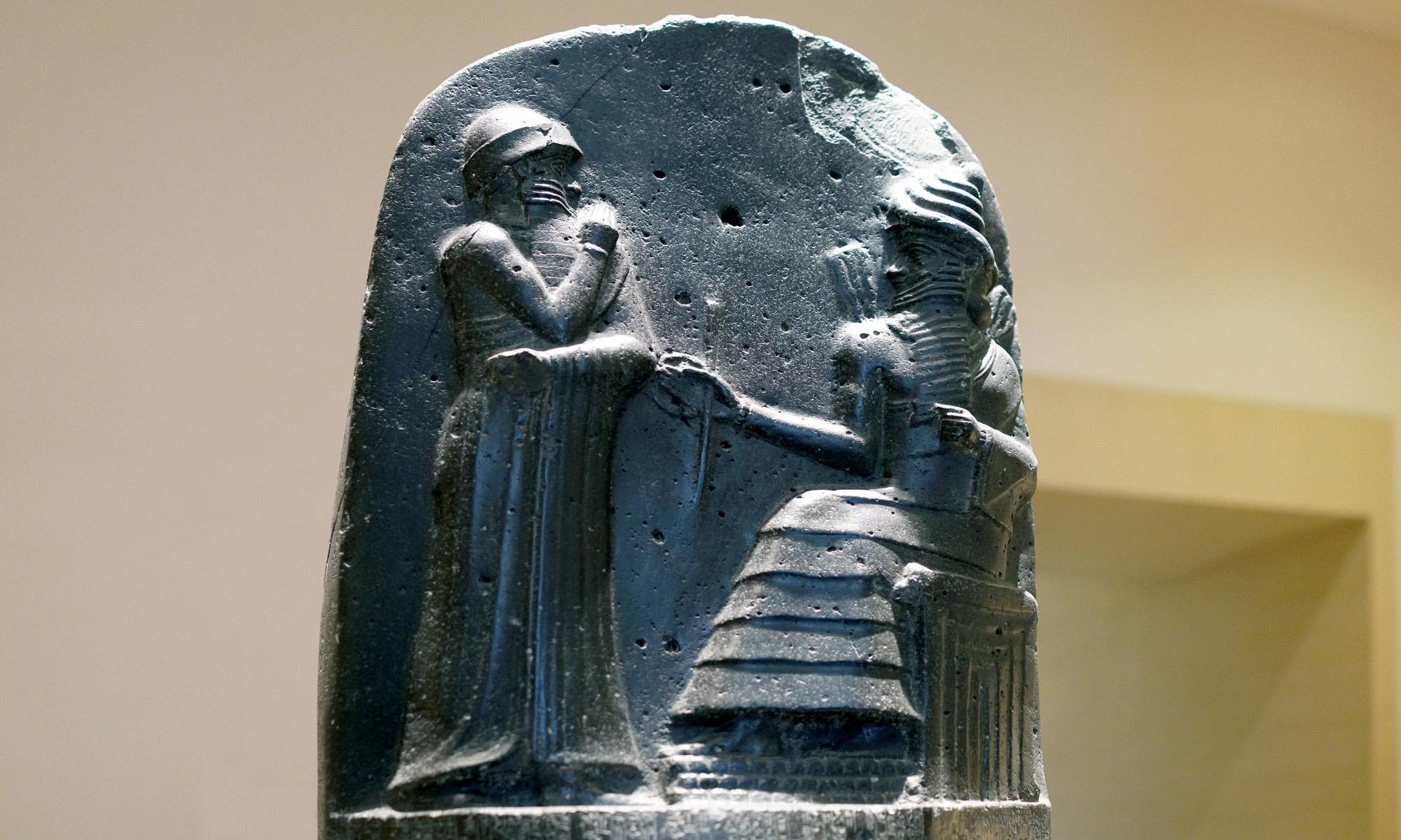
Top of the Code of Hammurabi stele
Old Babylonian Mesopotamia, c. 1750 BCE, during Hammurabi’s reign.
Context: Displayed a collection of laws and presented the king as a divinely supported ruler.
Themes: P — political authority and law; R — divine legitimacy.
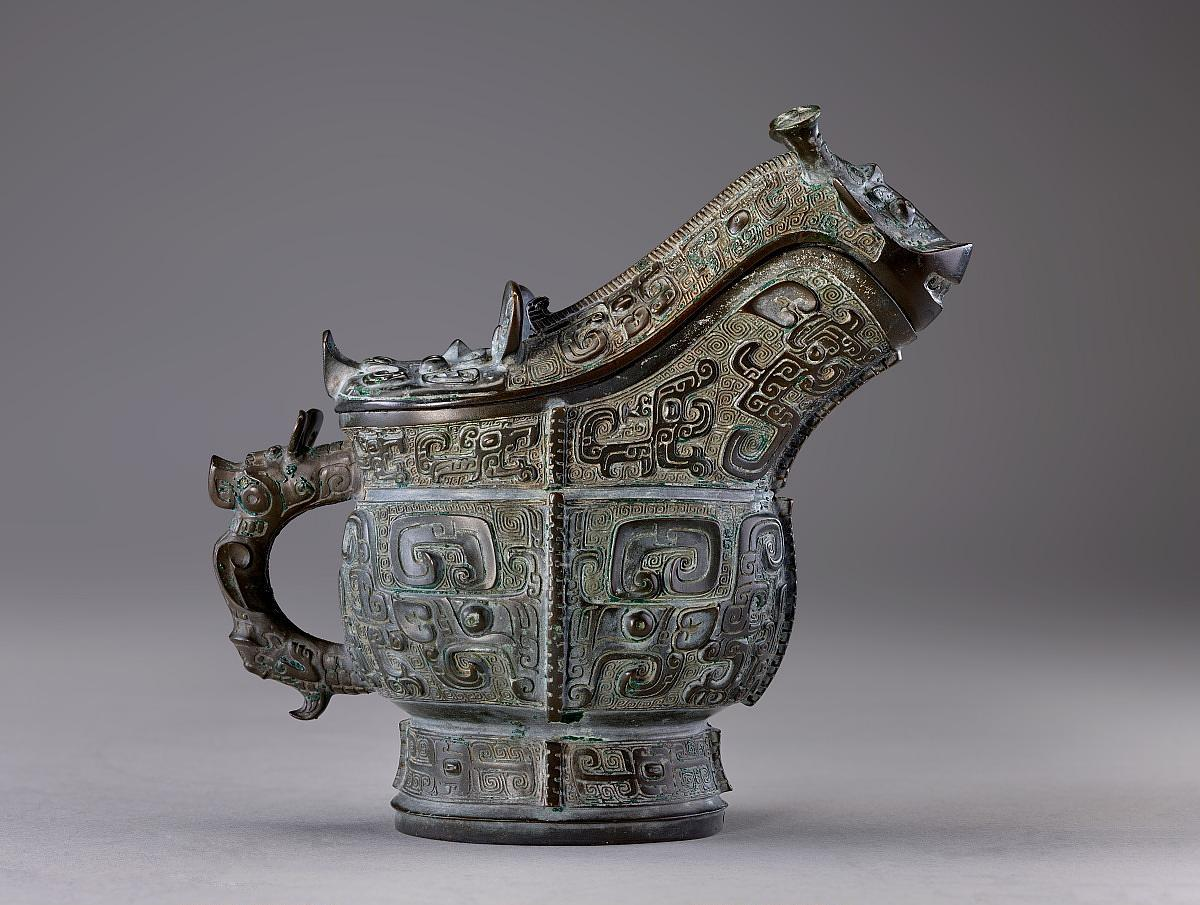
Shang Dynasty Bronze Wine Vessel
Shang dynasty China, c. 1600–1046 BCE.
Context: Bronze vessels were used by elites in rituals honoring ancestors and other spiritual powers.
Themes: R — ancestor worship; S — elite status and hierarchy; A — bronze craftsmanship.

Relief of King Sennacherib’s Siege of Lachish
Neo-Assyrian Empire, Nineveh, c. 700–681 BCE, during Sennacherib’s reign.
Depiction: Assyrian soldiers attack Lachish, while captives and spoils are shown before the king.
Context: Palace reliefs commemorated military victories and communicated royal power.
Themes: P — imperial authority; O — treatment of conquered peoples.

Relief from the Persian Apadana Temple
Achaemenid Persian Empire, Persepolis, primarily 6th–5th centuries BCE.
Context: The Apadana was a monumental audience hall associated with royal ceremonies and imperial rule.
Themes: P — imperial governance; O — relationships between different peoples.
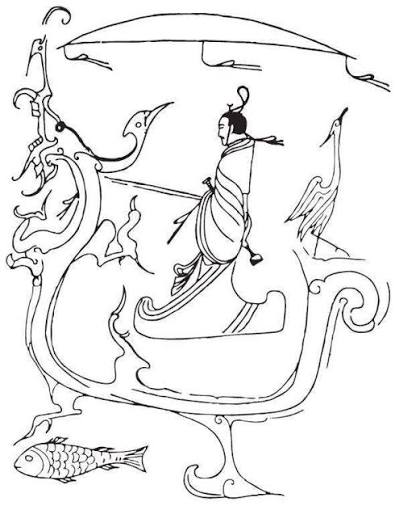
Zhou silk painting of man riding dragon
Ancient China, late Zhou period / Warring States era, approximately 4th–3rd century BCE.
Context: The silk painting was associated with burial practices; its imagery is often interpreted in relation to the afterlife or the journey of the soul.
Themes: R — spiritual beliefs about death; A — symbolic artistic expression.
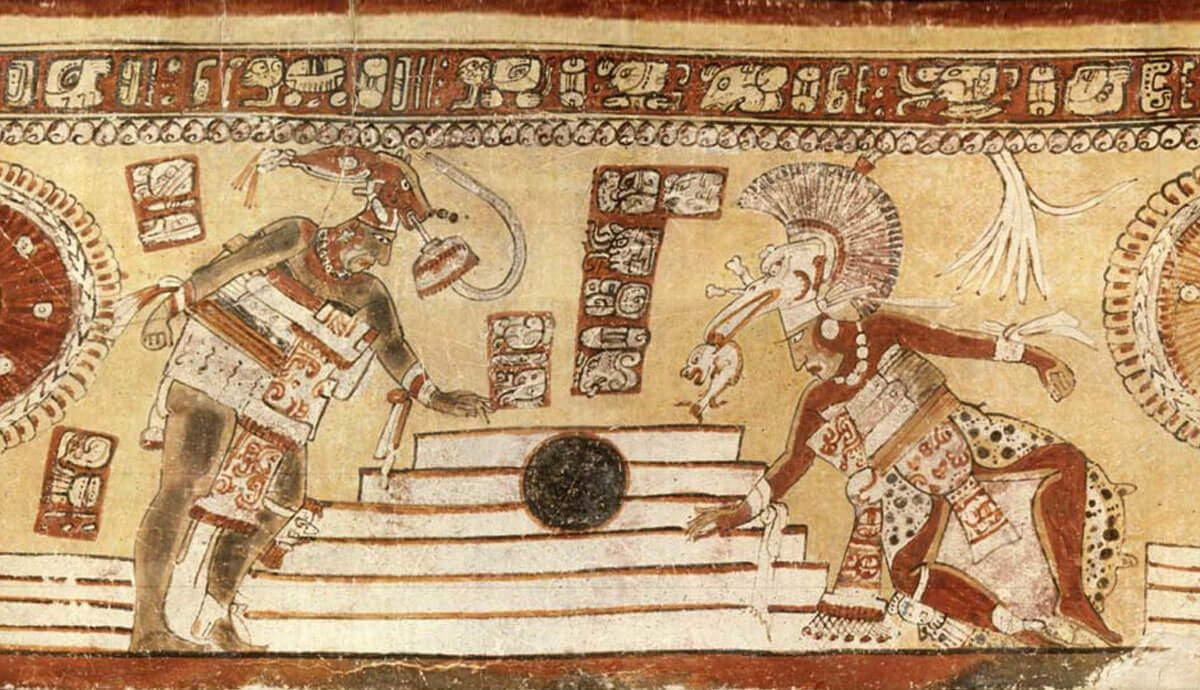
Mayan fresco depicting ball game
Ancient Maya civilization, Mesoamerica; the exact date depends on the particular fresco used in your course.
Context: The Mesoamerican ballgame had social, political, and religious significance and could be associated with mythology and cosmic order.
Themes: R — ritual and cosmology; S — social roles; P — political prestige.

Monument 19, La Venta
Olmec civilization, La Venta, present-day Tabasco, Mexico; approximately 550–450 BCE. Arqueología Mexicana
Context: A carved stone relief from La Venta, an important Olmec ceremonial center. The exact meaning of the scene is debated.
Themes: R — religious and spiritual beliefs; A — artistic expression.