Chemistry U7 Test Prep
0.0(0)
Studied by 2 people Call Kai
 Learn
 Practice Test
 Spaced Repetition
 Match
 Flashcards
 Knowt Play
Card Sorting
1/38

Earn XP
Description and Tags
39 Terms
1
New cards
Properties of Covalent Compounds
* compounds are formed when atoms (nonmetals) share electrons forming individual molecules
* covalent bonds are strong, but bonds holding the molecules together may be weak or strong
* Characteristics:
* relatively low melting point
* gases, liquids, and solids at room temp
* soluble or insoluble in water
* poor conductors of electricity → no ions to carry electrons
* covalent bonds are strong, but bonds holding the molecules together may be weak or strong
* Characteristics:
* relatively low melting point
* gases, liquids, and solids at room temp
* soluble or insoluble in water
* poor conductors of electricity → no ions to carry electrons
2
New cards
Properties of Ionic Compounds
* involves the complete transfer of e- from one atom to another
* electrostatic attraction → the attraction between opposite charges keeps ions together
* after the transfer, both ions have complete outer shells and noble gas configurations
* Characteristics:
* compounds are not made of individual molecules
* lattice solids: ionic bonds are strong bonds → ions are ‘stuck’ in a general position
* high melting points
* brittle solids at room temp
* generally soluble in water
* good electrical conductors, only when there are ions free to move and carry electrons
* this happens in their molten state/when they are dissolved in water
* they are poor conductors in their solid state
\
3
New cards
Metallic Bonding
* metals can’t have covalent bonds → not enough outer e- to share
* can’t be ionic → no electronegativity difference
* properties:
* solid at room temp
* good conductor of electricity as a solid
* malleable → can be shaped
* ductile → can be pulled into a wire
* involve delocalized electrons, valence electrons that can move from one atom to another
* can’t be ionic → no electronegativity difference
* properties:
* solid at room temp
* good conductor of electricity as a solid
* malleable → can be shaped
* ductile → can be pulled into a wire
* involve delocalized electrons, valence electrons that can move from one atom to another
4
New cards
Electronegativity
* the relative tendency for an atom to attract a shared pair of electrons
* trend on the periodic table:
* increases across a period
* decreases down a family
* trend on the periodic table:
* increases across a period
* decreases down a family
5
New cards
Lewis Dot Structure
* a model used to describe covalent compounds
Steps in writing count up the total number of valence electrons using the electronegativity of elements
1. choose a central atom → central atom: the first one written or the single atom, never hydrogen
2. place all other atoms around the central atom
3. give all atoms 8 electrons, except for hydrogen (only wants 2)
4. check to see if the number of dots = the number of valence electrons
* LDS for polyatomic ions
* polyatomic ions: covalently bonded substances that have an overall charge (they have gained or lost electrons)
* if it is a negative ion → you add electrons to the total valence #
* if it is a positive ion → you subtract electrons from the total valence #
6
New cards
VSEPR Theory
Valence Shell Electron Pair Repulsion
* this means that electron pairs want to get as far away from each other as possible
* this means that electron pairs want to get as far away from each other as possible
7
New cards
Valence Electrons/Octet Rule
* octet rule:
* the tendency of atoms to prefer to have eight electrons in the valence shell
* valence electrons:
* electrons that are located in the outermost electron shell of an atom
* the tendency of atoms to prefer to have eight electrons in the valence shell
* valence electrons:
* electrons that are located in the outermost electron shell of an atom
8
New cards
Single/Double/Triple Bond
sometimes you do not have enough available e- to give every atom a simple octet → when this happens you have to use multiple bonds
\
* if one pair of electrons is shared → single bond
* if two pairs of electrons are shared → double bond
* if three pairs of electrons are shared → triple bond
\
* if one pair of electrons is shared → single bond
* if two pairs of electrons are shared → double bond
* if three pairs of electrons are shared → triple bond
9
New cards
Resonance
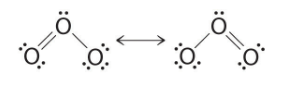
resonance structures:
* are a group of two or more Lewis structures that collectively represent a single polyatomic species ' electronic bonding
* are a group of two or more Lewis structures that collectively represent a single polyatomic species ' electronic bonding
10
New cards
Polyatomic Ions
covalently bonded substances that have an overall charge (they have gained or lost electrons)
11
New cards
Molecular Geometry (shapes and angles)
* shape of molecules is very important and can determine many of its properties
* to determine the shape of molecules:
* first use LDS
* then use the VSEPR theory
* to determine the shape of molecules:
* first use LDS
* then use the VSEPR theory
12
New cards
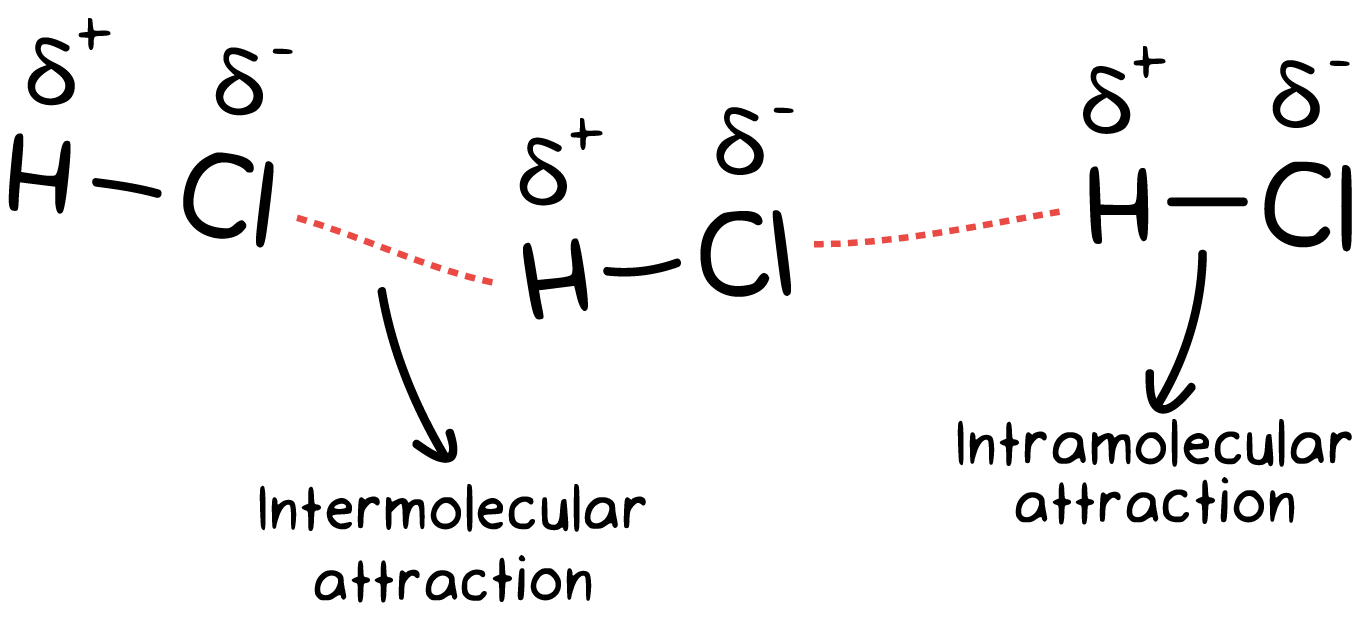
Intramolecular Forces
* the forces (bonds) that hold a molecule together
* ex: ionic and covalent bonds
* **the force between the elements in a molecule**
* ex: ionic and covalent bonds
* **the force between the elements in a molecule**
13
New cards
Intermolecular Forces
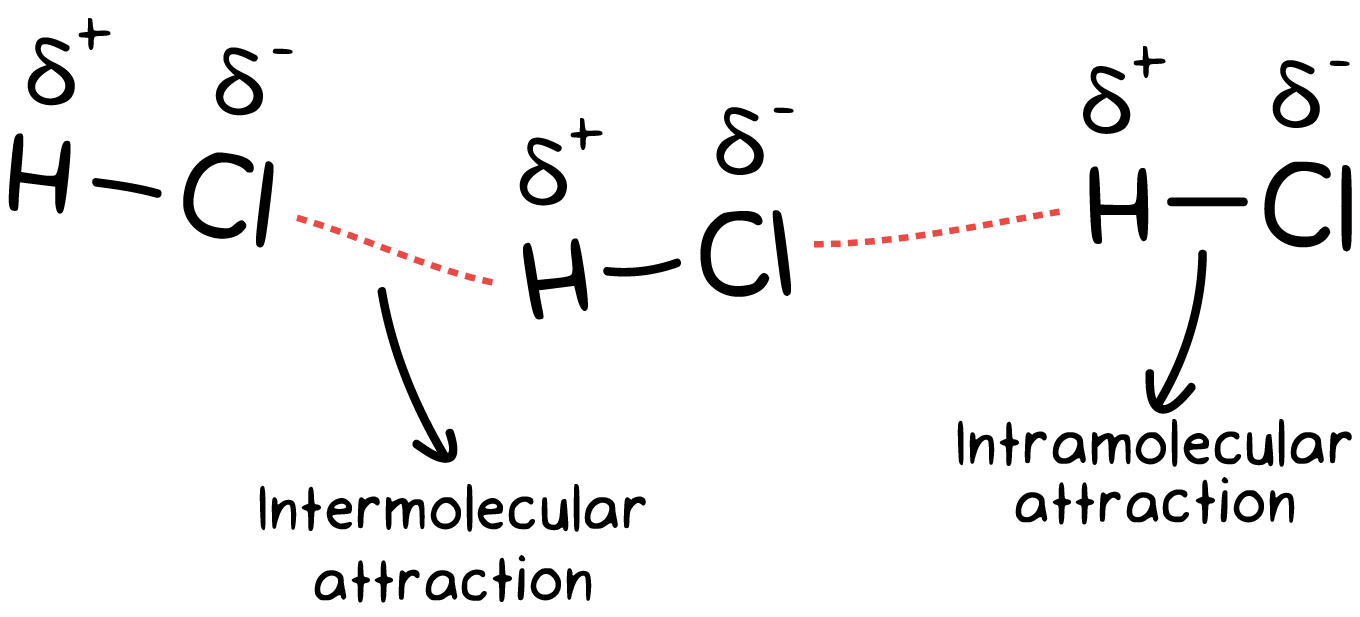
* the attraction **between** molecules
* **the force between molecules**
* three types:
* dipole-dipole force
* hydrogen bonds
* dipole-dipole induced force
* london dispersion forces
* **the force between molecules**
* three types:
* dipole-dipole force
* hydrogen bonds
* dipole-dipole induced force
* london dispersion forces
14
New cards
Dipole-Dipole Force
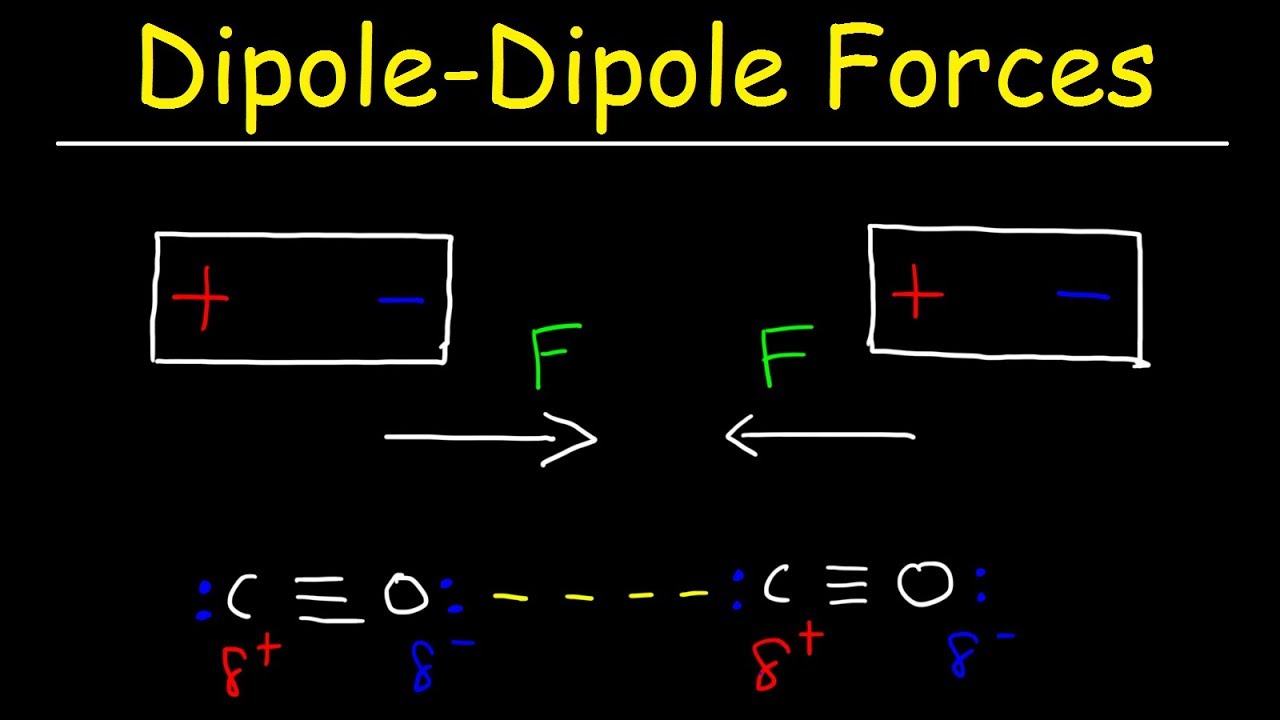
* attractive forces between the positive end of one polar molecule and the negative end of another polar molecule
* **between two polar molecules**
* strongest type of intermolecular force
* **between two polar molecules**
* strongest type of intermolecular force
15
New cards
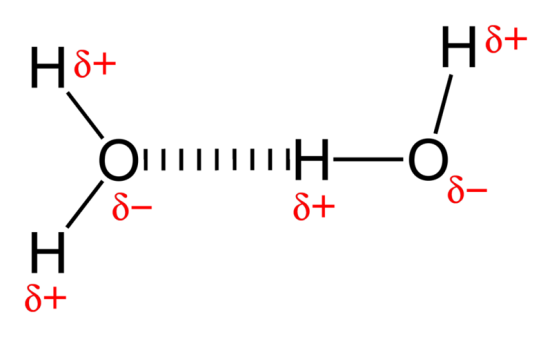
Hydrogen Bonds
* the strongest type of dipole-dipole force
* only occurs when hydrogen is bonded to:
* Oxygen, Nitrogen, or Fluorine
* hydrogen bonds give water its properties (surface tension, etc…)
* only occurs when hydrogen is bonded to:
* Oxygen, Nitrogen, or Fluorine
* hydrogen bonds give water its properties (surface tension, etc…)
16
New cards
London Dispersion Forces
* **between two non-polar molecules**
* at any given time electrons can be found in a greater concentration on one side of a molecule → causes a temporary dipole and will therefore induce a dipole onto a neighboring molecule
* weakest type of intermolecular force
* at any given time electrons can be found in a greater concentration on one side of a molecule → causes a temporary dipole and will therefore induce a dipole onto a neighboring molecule
* weakest type of intermolecular force
17
New cards
IMF and States of Matter
* Intermolecular forces (IMF) are forces of attraction between neighboring particles (atoms, molecules or ions)
* properties:
* polar (liquids or solids) → strong forces
* non-polar (gases or liquids that evaporate easily) → weak forces
* rank of the IMFs
1. Dipole-Dipole (polar + polar)
2. Dipole-Dipole Induced Force (polar + non-polar)
3. London Dispersion Force (non-polar + non-polar)
\
* properties:
* polar (liquids or solids) → strong forces
* non-polar (gases or liquids that evaporate easily) → weak forces
* rank of the IMFs
1. Dipole-Dipole (polar + polar)
2. Dipole-Dipole Induced Force (polar + non-polar)
3. London Dispersion Force (non-polar + non-polar)
\
18
New cards
Rate of Evaporation (lab)
(initial mass-final mass/initial mass) x 100
19
New cards
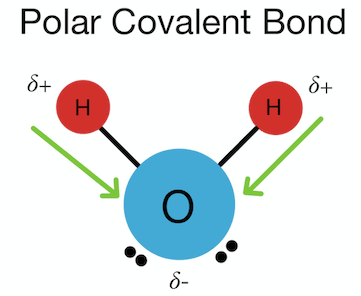
Polar Bonds
a covalent bond between two atoms where the electrons forming the bond are unequally distributed
20
New cards
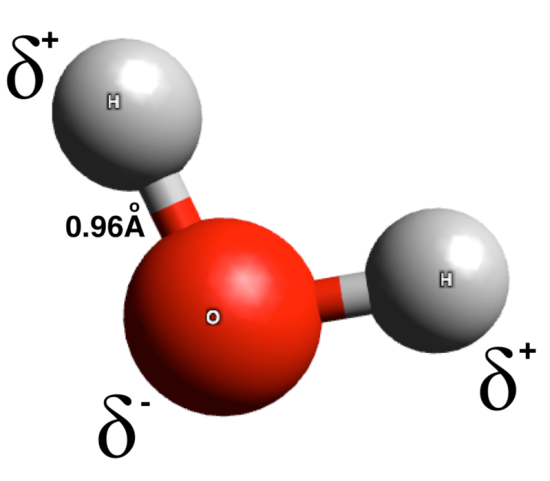
Polar Molecules
* have polar bonds
* a shape that allows for a positive end and a negative end
* **dipole** → molecule with two poles
* a shape that allows for a positive end and a negative end
* **dipole** → molecule with two poles
21
New cards
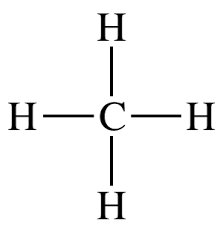
Tetrahedral
* 4 shared pairs
* 0 unshared pairs
* angle → 109.5
* non-polar & polar
* 0 unshared pairs
* angle → 109.5
* non-polar & polar
22
New cards
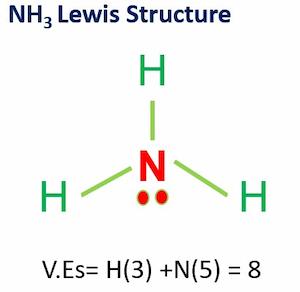
Trigonal Pyramidal
* 3 shared pairs
* 1 unshared pair
* angle → 107.5
* only polar
* 1 unshared pair
* angle → 107.5
* only polar
23
New cards
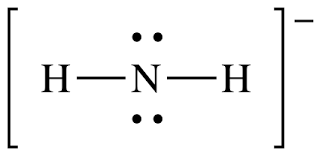
Bent
* 2 shared pairs
* 2 unshared pairs
* angle → 104.5
* only polar
* 2 unshared pairs
* angle → 104.5
* only polar
24
New cards
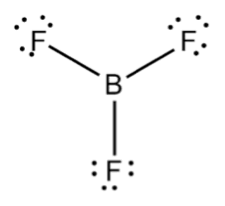
Trigonal Planar
* 3 shared pairs
* 0 unshared pairs
* angle → 120
* non-polar & polar
* 0 unshared pairs
* angle → 120
* non-polar & polar
25
New cards
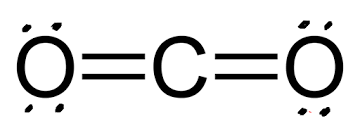
Linear
* 2 shared pairs
* 0 unshared pairs
* angle → 180
* non-polar & polar
* 0 unshared pairs
* angle → 180
* non-polar & polar
26
New cards
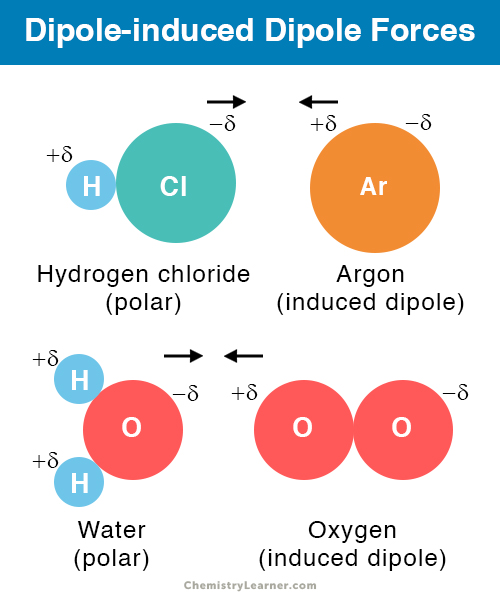
Dipole-Dipole Induced Force
* a weak attraction that occurs when a **polar** molecule causes a dipole to form in an atom or **nonpolar** molecule by disrupting the electron configuration in the nonpolar species.
* **between a polar and a non-polar molecule**
* neither the strongest intermolecular force, or the weakest
* **between a polar and a non-polar molecule**
* neither the strongest intermolecular force, or the weakest
27
New cards
Solute
substance dissolved in a solvent to form a solution
28
New cards
Solvent
fluid that dissolves solutes
29
New cards
Properties of Water
cohesion, adhesion, surface tension, capillary action, holds heat to regulate temperature (high heat capacity), less dense as a solid than a liquid
30
New cards
Cohesion
water attracted to other water molecules because of polar properties
31
New cards
Adhesion
water attracted to other materials
32
New cards
Surface Tension
water is pulled together creating the smallest surface area possible
33
New cards
Capillary Action
* because water has both cohesive and adhesive properties, *capillary action* is present
* water’s adhesive property is the cause of capillary action. water is attracted to some other material and then through cohesion, other water molecules move too as a result of the original adhesion
* ex. water in a straw
* water’s adhesive property is the cause of capillary action. water is attracted to some other material and then through cohesion, other water molecules move too as a result of the original adhesion
* ex. water in a straw
34
New cards
High Heat Capacity
* in order to raise the temp of water, the average molecular speed has to increase
* it takes much more energy to raise the temp of water compared to other solvents because the hydrogen bonds hold the water molecules together
* water has a high heat capacity
* the specific heat is the amount of heat per unit mass required to raise the temperature by one degree celsius
* it takes much more energy to raise the temp of water compared to other solvents because the hydrogen bonds hold the water molecules together
* water has a high heat capacity
* the specific heat is the amount of heat per unit mass required to raise the temperature by one degree celsius
35
New cards
Density
* water is less dense as a solid
* this is because the hydrogen bonds are stable in ice- each molecule of water is bound to four of its neighbors
* solid: water molecules are bonded together, space between fixed
* liquid: water molecules are constantly bonding and rebonding, space is always changing
* this is because the hydrogen bonds are stable in ice- each molecule of water is bound to four of its neighbors
* solid: water molecules are bonded together, space between fixed
* liquid: water molecules are constantly bonding and rebonding, space is always changing
36
New cards
Acids & Bases
* strength compared using a pH scale
* ranges from 0-14
* logarithmic scale (gets 10x bigger/smaller)
* ranges from 0-14
* logarithmic scale (gets 10x bigger/smaller)
37
New cards
Acids
donates H+ when added to aqueous solutions
* ranges from pH 0-6.9
* ranges from pH 0-6.9
38
New cards
Bases
breaks up into hydroxide (OH-) ions and another compound when placed in an aqueous solution
* ranges from pH 7.1-14
* ranges from pH 7.1-14
39
New cards
Buffers
compounds used to maintain a constant pH within a system