Sterile Processing Exam Study Guide Vocabulary Flashcards
 Call Kai
 Learn
Learn Practice Test
 Spaced Repetition
 Match
Match Flashcards
 Knowt Play
1/58

Earn XP
Description and Tags
A complete set of vocabulary flashcards keying in on essential definitions, terms, and procedures for the HSPA CRCST sterile processing exam.
Name | Mastery | Learn | Test | Matching | Spaced | Call with Kai | Chat |
|---|
No analytics yet
Send a link to your students to track their progress
59 Terms
Ethylene oxide (EtO)
A low-temperature gas sterilant used for compatible heat- and moisture-sensitive devices.
Aeration
process in which sterilized packages are subjected to moving air to facilitate the removal of toxic residuals after exposure to a sterilizing agent such as ethylene oxide
FIFO
First In, First Out; a principle of using older supplies before newer ones when packages are intact and facility policy allows.
IUSS
Immediate Use Steam Sterilization
Liquid chemical sterilization (LCS)
A validated liquid chemical process for compatible, fully immersible devices intended for immediate use after required rinsing and handling.
Point-of-use treatment
the process of removing gross soil and moistening reusable medical instruments immediately after use,
Biofilm
collection of microorganisms that attach to surfaces and each other and form a colony
Impingement
spray force action of pressurized water against instruments being processed to physically remove bioburden
Disinfection
destruction of nearly all pathogenic microorganisms on an inanimate ( non living ) surface
Sterilization
A validated process that destroys all forms of microbial life, including bacterial spores.
High-level disinfection (HLD)
A process that kills all microorganisms except high numbers of bacterial spores on items that have been cleaned first.
Spaulding classification
A system that groups items by infection risk into critical, semi-critical, or noncritical categories.
Critical items
Items that enter sterile tissue or the vascular system and must be sterile before use.
Semi-critical items
Items that contact mucous membranes or nonintact skin and require at least high-level disinfection after cleaning.
Noncritical items
Items that contact intact skin only and generally require low-level disinfection according to device and facility policy.
Pasteurizer
Equipment that uses controlled hot water for thermal disinfection of compatible items, but does not sterilize.
Prions
infectious protein particle that unlike a virus contains no nucleic acid, does not trigger an immune response and is not destroyed by extreme heat or cold
Asepsis
surgical technique procedures performed to eliminate the presence of all microorganisms and or prevent the introduction of microorganism to an area
Biocidal
process or ability to kill or control the growth of living organisms
Chemical indicator (CI)
An indicator that shows exposure to one or more process variables, but does not prove sterility by itself.
Biological indicator (BI)
sterilization process monitoring device consisting of a standardized viable population of microorganism know to be resistant to the mode of sterilization being monitored
Bowie-Dick test
test run daily to validate the vacuum function of the sterilizer test should be run in an empty load and at the same time each day
Hydrogen peroxide sterilization
A low-temperature sterilization method for compatible devices using system-validated packaging and accessories.

A hard, wear-resistant material used in some instrument jaws or blades.
Kerrison / laminectomy instrument
A rongeur used in certain spinal procedures to remove small pieces of bone.
Arthroscopy
minimally invasive surgical procedure used by doctors to diagnose and treat joint problems using a tiny camera called an arthroscope.
Tympanoplasty
Surgery to repair the eardrum, sometimes including middle-ear structures.
Stapedectomy= surgery on the ear
An operation involving removal of part or all of the stapes bone in the middle ear.
Cholecystectomy
Surgical removal of the gallbladder.
Endometrium
The lining of the uterus.
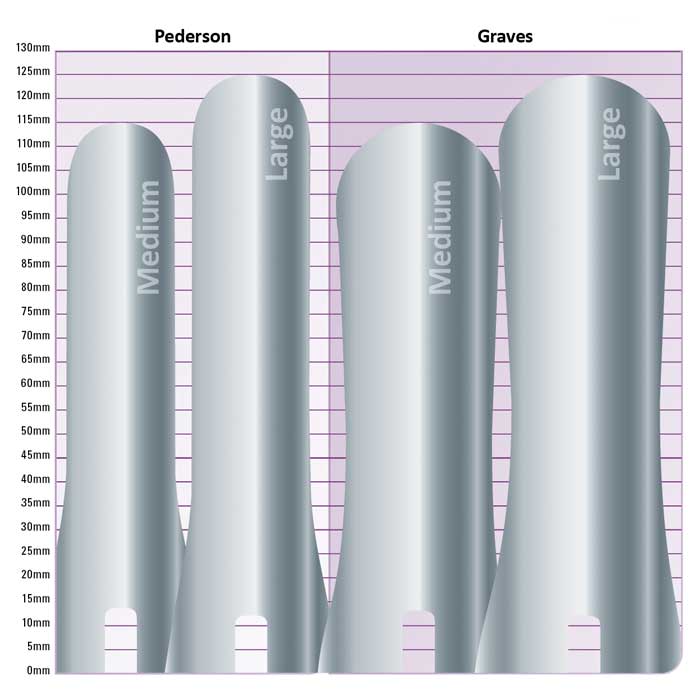
Pederson speculum
A narrow-bladed vaginal speculum used to visualize the vaginal canal and cervix.
Gram-positive bacteria
retaining the violet stain or resisting decolorization by alcohol in grams method of staining
Binary fission
A common method of bacterial reproduction where one cell divides into two.
HAI
see healthcare acquired infection
Protease
An enzyme that breaks down proteins, including blood and tissue.
Lipase
An enzyme that breaks down fats and oils.
Amylase
An enzyme that breaks down starches and other carbohydrates.
Passivation
chemical process applied during instrument manufacture that provides a corrosion resistant finish by forming thin transparent oxide film
TASS
Toxic anterior segment syndrome; a non-infectious, sterile inflammatory reaction in the front part of the eye after surgery.
MedWatch
An FDA program for reporting serious problems with medical products, including device-related adverse events.
29 CFR 1910.1030
The OSHA Bloodborne Pathogens Standard addressing occupational exposure to blood and other potentially infectious materials.
ANSI/ASHRAE/ASHE Standard 170
Standard addressing ventilation in healthcare facilities, including room pressure relationships and air changes.
Negative pressure
An airflow state where air flows into the room from adjacent areas, helping contain contaminants.
Positive pressure
situation in which air flows out of a room or area because the pressure in the area is greater than that of surrounding areas

tissue forceps

vaginal speculum

vaginal wall retractor

scalpel holder

mayo scissors

single action rongeur
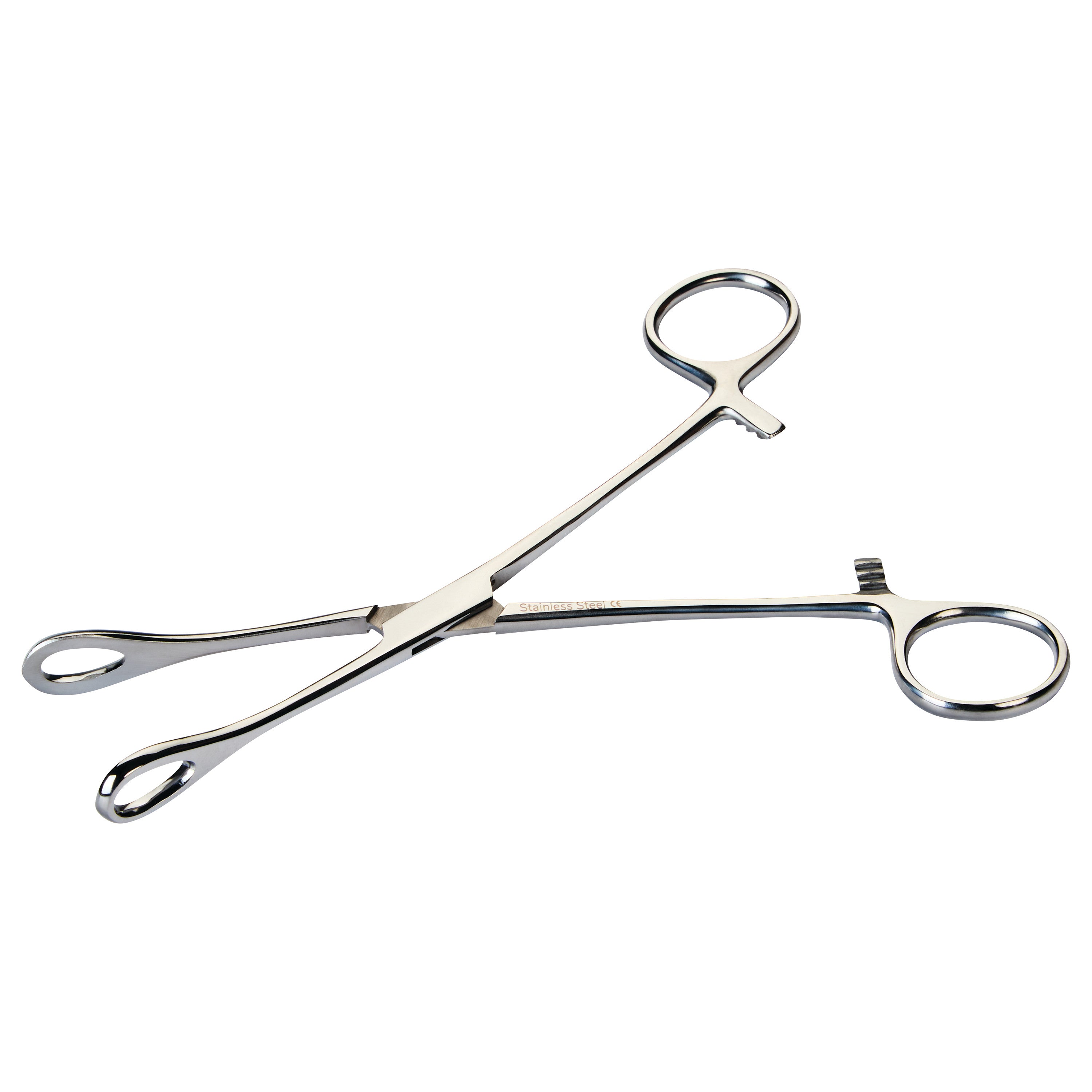
sponge forceps

left: uterine sound

right: iud remover

tenaculum

manual retractor

tungsten carbide ( gold rings )

double action rongeur