GEOG 200 U9
 Call Kai
 Learn
 Practice Test
 Spaced Repetition
 Match
 Flashcards
 Knowt Play
1/20

There's no tags or description
Looks like no tags are added yet.
21 Terms
1947 Partition
The subdivision of the British Indian Empire into India and Pakistan at the end of colonial rule on August 15, 1947. The day is known as Independence Day. Caused by Muslim activists promoting the second state of Pakistan. Caused one of the biggest migrations in the world containing at least 14 million immigrants, however many stayed in their homeland.

Bengaluru formerly Bangalore. A rapidly growing city. Population 10.9 million. Satellite and fiber optic cable links have caused it become the center of a burgeoning software-producing complex that reaches world markets.
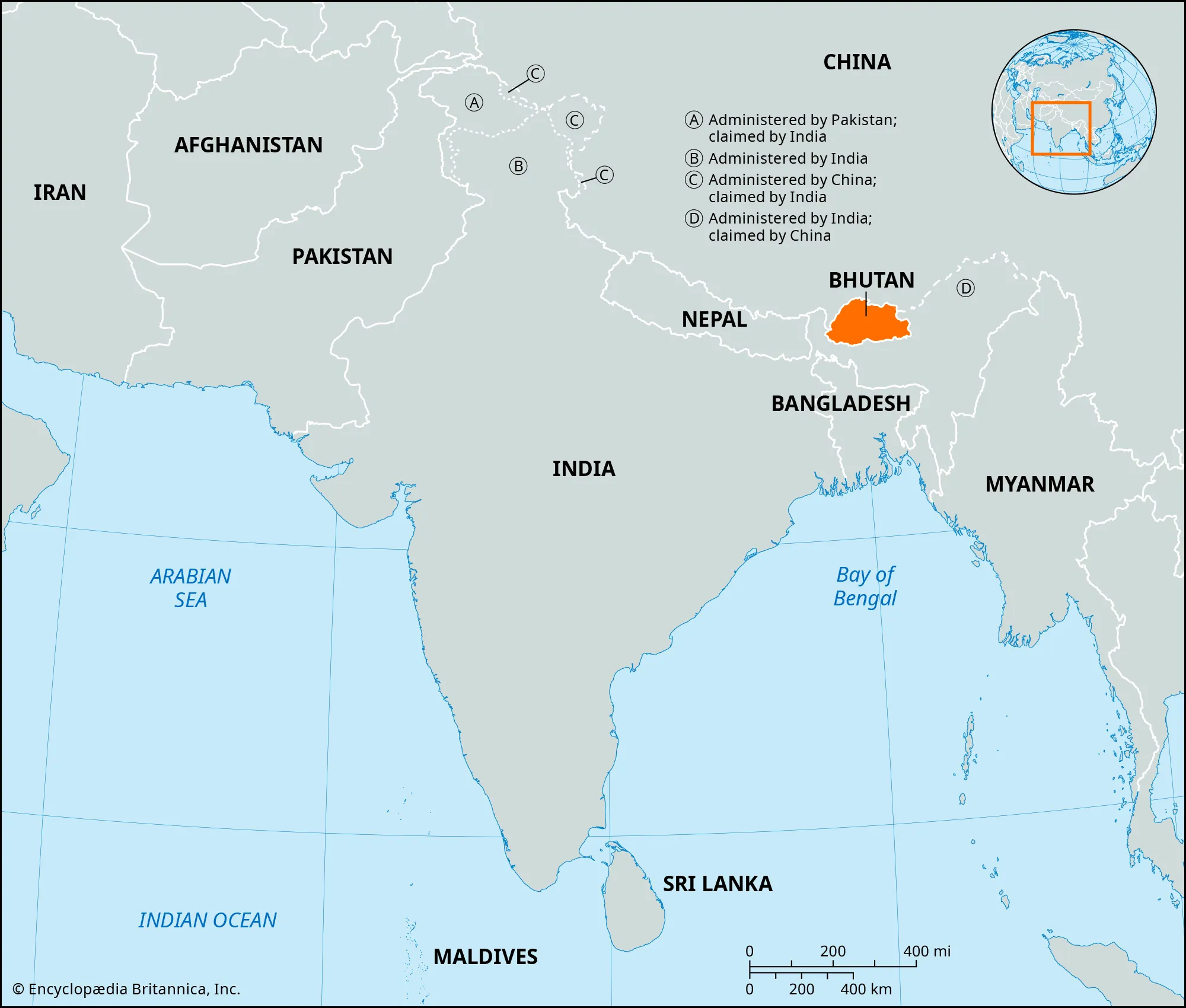
Bhutan. Apart of the Northern Mountain region along with Nepal. Population of 764,000. Has a long history of being an absolute monarchy. Became a democracy in 2007. Capital Thimphu. Official religion is Buddhism.Only opened up to foreign investors in the 1970s and still is strict on tourism.
Brahmins/Brahmans
The highest-order priests in the Hindu class system. Estimated to account for about one sixth of all Hindus
Caste System
The strict social stratification and residential segregation of people—specifically in India’s Hindu society—on the basis of ancestry and occupation. It seems to have been eroding in recent years from globalization, urbanization, and economic growth, but not usually in rural area. Castes are associated with specific occupations. A person is born into a caste on the grounds of what they were like in their past life.

Deccan Plateau.
Hinduism
Around 1500 BC northern India was invaded by the Aryans who brought with them their religion Vedism out of which came Hinduism. Makes up 80% of India's population and also dominates Nepal. Outlasted the Mughal and British empire take overs. Was born in the Ganges Valley.
Hindutva
“Hinduness” as expressed through Hindu nationalism, Hindu heritage, and/or Hindu patriotism. The cornerstone of a fundamentalist movement that has been gaining strength since the late twentieth century that seeks to remake India as a society dominated by Hindu principles. It has been the guiding agenda of the Bharatiya Janata Party (BJP), which has emerged a powerful force in national politics and in big States like Maharashtra, Gujarat, and Madhya Pradesh. They essentially want to make a new India where non-Hindus are outsiders.
Indo-European Language Family
The major world language family that dominates the European geographic realm. This language family is also the most widely dispersed globally, and about half of humankind speaks one of its languages. They predominate in the west and northern parts of South Asia.

Kashmir. A high mountainous green a tree-studded land. The area actually consists of several political divisions, including the Indian State properly referred to as Jammu and Kashmir. Two thirds of it are Muslim, but when Independence in 1947 came, the Hindu leader wanted to remain autonomous, and not join Pakistan causing a Muslim uprising. The fighting left four fifths of their territory in India’s control. Today, Pakistan demands a referendum, but supporters of keeping them under India’s control argue that they treat their minorities better than Islamic countries. In 2019 the Indian government revoked its special status of allowing them to have their own constitution.

The Indian state Kerala. Faces the Arabian sea. Population 35 million.
Lowland Physiography
The river lowlands extend eastward rom Pakistan’s lower Indus Valley (the area known as Sindh) through India’s wide Gangetic Plain and then on across the great double delta of the Ganges and Brahmaputra in Bangladesh. In the east it is often called the North Indian Plain. To the west lies the lowland of the Indus River, which rises in Tibet, crosses Kashmir, and then bends southward to receive its major tributaries from the area known as Punjab (“Land of Five Rivers”) to the east.
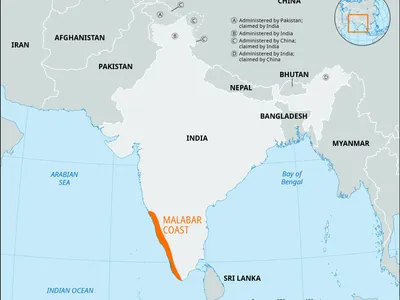
The Malabar Coast. The wet monsoon brings life giving rain to this southwestern coast. Rice can be grown as a stable crop here.
Micro-credits
Small loans extended to poverty-stricken borrowers who would not otherwise qualify for them. The aim is to help combat poverty, encourage entrepreneurship, and to empower poor communities—especially their women. The key providers of these are NGOs. Frequently, such loans have gone to small farmers to buy a piece of land or construct a farmhouse, or to starter entrepreneurs to buy machinery or transport equipment. They have spread to other parts of the Global Periphery and is now widely considered to be a key element in formulating economic development strategies.
Monsoon
Refers to the seasonal reversal of wind and moisture flows in certain parts of the subtropics and lower-middle latitudes. The dry monsoon occurs during the cool season when dry offshore winds prevail. The wet monsoon occurs in the hot summer months, which produce onshore winds that bring large amounts of rainfall. The air-pressure differential over land and sea is the triggering mechanism, with wind-flows always moving from areas of relatively higher pressure toward areas of relatively lower pressure. In South Asia Two thirds of India’s agricultural areas do not have irrigation and depend fully on rainfall. The monsoon brings the annual rain usually in June.
Neoliberal reforms
Neoliberalism is a national or regional development strategy based on the privatization of state-run companies, lowering of international trade tariffs, reduction of government subsidies, cutting of corporate taxes, and overall deregulation of business activity. Most countries in the South Asia realm have liberalized their economies since the 1980s. The results are higher per capita income and higher economic growth. India, Bhutan, Sri Lanka and Bangladesh showing the strongest growth while Afghanistan, Pakistan, Nepal, and the Maldives have been lagging behind. Most of the growth is in manufacturing, services, and, in India, information technology. There is increased foreign investment and during the past two decades an urban middle class has emerged. It has also increased the consumer market. Affects only 25% of the population, usually living in rural areas.
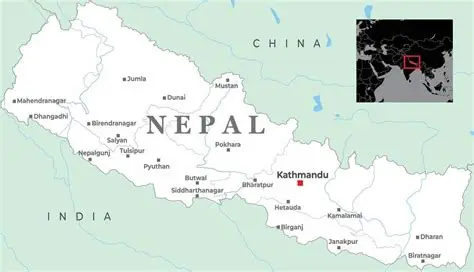
Nepal. Population 30 million. 82% Hindu. Its core area and capital is Kathmandu which lies in the east central part. Well over a dozen languages are spoke, but most speak Nepali. Contains three geographic zones: southern, subtropical lowland called Terai, a central belt of Himalayan foothills with streams and canyons named the Mahabharata Range (or Himalayas), and the Himalaya itself. Has the realms second lowest GDP after Afghanistan and is also vulnerable to earthquakes.
Non-governmental organizations
A legitimate organization that operates independently from any form of government and does not function as a for-profit business. Mostly seeks to improve social conditions, but is not affiliated with political organizations. Much quality of life improvements in this realm is due to these.
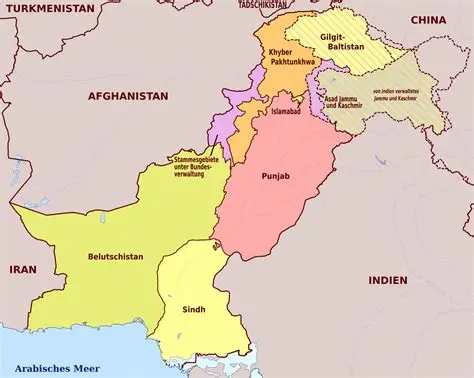
Pakistan. Capital is Islamabad, but it’s biggest city is Karachi. Home to the Indus river. Urdu is its official language but English is the lingua franca of the elite. 80% Sunni Muslims who attack the Shi’ite minority. Has four subregions: Punjab, Sindh, Khyber Pakhtunkhwa, and Balochistan (biggest)
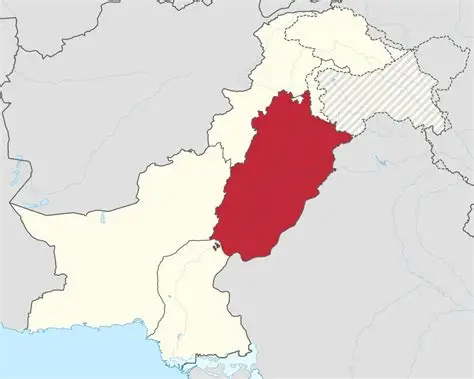
Punjab, Pakistan. The most populous of Pakistan’s four subregions, home to just over half of the country’s population. Punjabi is mostly spoken here. Wheat farming is the mainstay. Home to Lahore, the foremost center of Islamic culture in this realm. Has tensions with Sindh who control the downstream of the Indus river and they control the upstream. India also has a Punjab on the other side of the border.
Sinhalese
Make up the majority of Sri Lanka. Descendants of the migrants who arrived at Sri Lanka from Northwestern India about 2500 years ago. Most of them probably walked across India by a land bridge known as Rama’s Bridge, which was eroded by a powerful cyclone in the fifteenth century. The migrants brought with them advanced culture and introduced Buddhism to Sri Lankan. The Sinhalese speak Sinhala.