AP Bio- Unit 2: Cell structure and function
 Call Kai
 Learn
Learn Practice Test
 Spaced Repetition
 Match
Match Flashcards
 Knowt Play
1/35

Earn XP
Description and Tags
PC: (10/1)
Name | Mastery | Learn | Test | Matching | Spaced | Call with Kai | Chat |
|---|
No analytics yet
Send a link to your students to track their progress
36 Terms
Cells
Basic structural and functional units of all life
Organelles
Membrane bound structures in eukaryotes
Eukaryote
Cell present in animals, plants, and fungi
DNA is located in the nucleus and contains membrane-bound organelles

Prokaryote
Cell present in bacteria
DNA is in the nucleus
Generally smaller than eukaryote cells

Organelles: Nucleus.. and nucleolus
Contains chromosomes (nucleus). Nucleolus is found in nucleus

Organelles: Golgi Apparateus
Receives, transports, packs, and adds tags to vesicles
Contains cisternae
Trans-face(sending off) vs Cis-Face (recieving)
Lysosome synthesis

Cisternae
Flattened membrane sacs in the Golgi

Organelles: Smooth ER
Contains no ribosomes. Synthesizes lipids, metabolizes carbs and detox’s cells
located in the cytoplasm of eukaryotic cells

Organelles: Rough ER
Contains ribosomes bound to the ER membrane

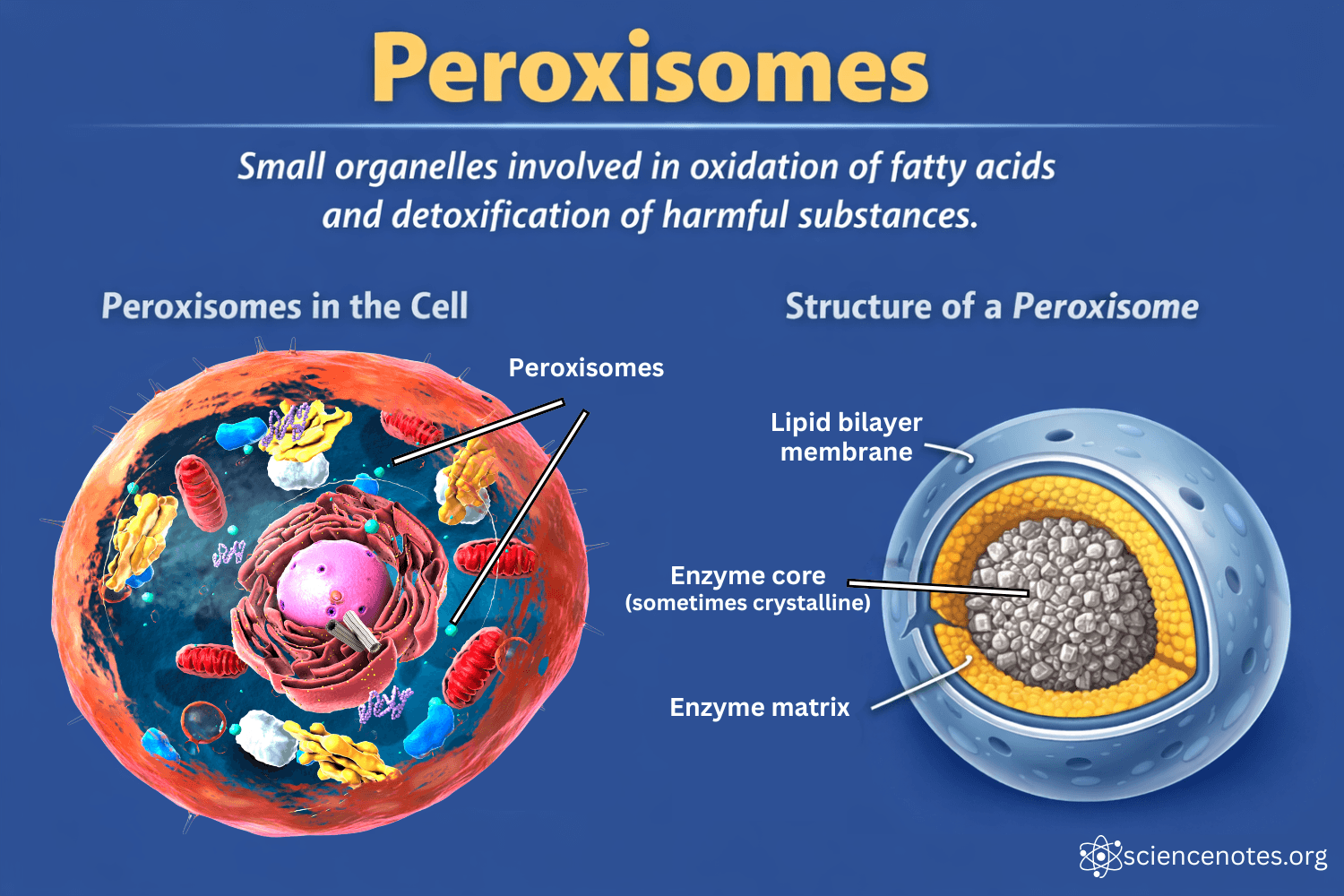
Peroxisomes
Breaks down fatty acids and detoxifying harmful substances
Has membrane bound metabolic compartments that catalyze reactions that make H2O2
similar to lysosomes
Organelles: Mitochondria
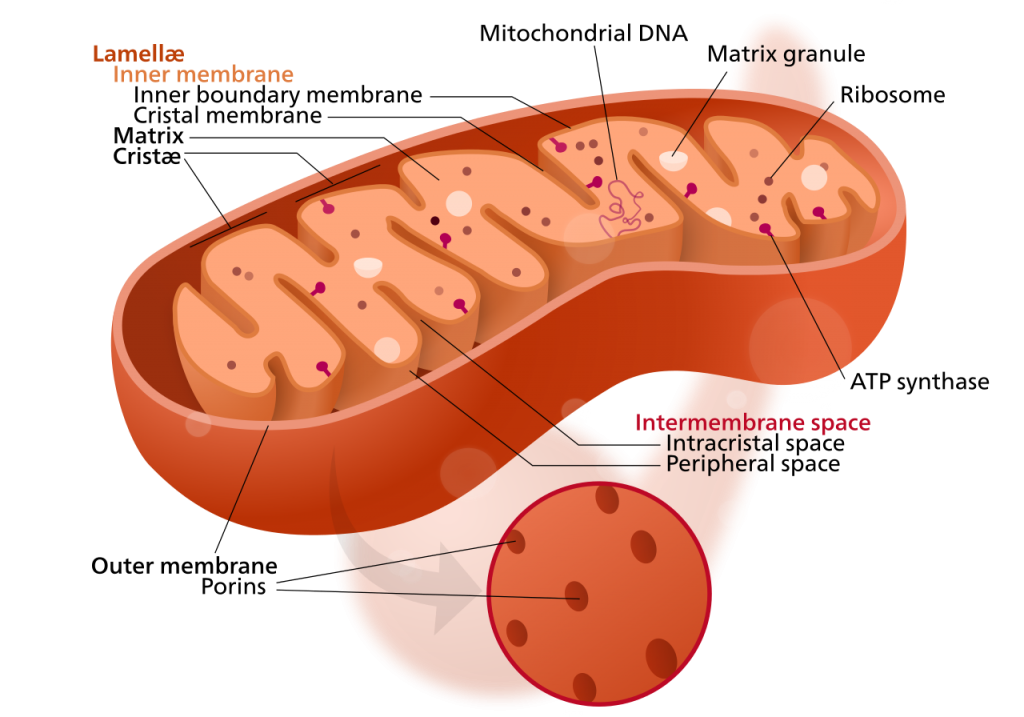
Cite of cellular respiration. Highly folded to greatly increase its surface area → more protein housed → more chemical energy
Has an inner membrane and mitochondrial matric
Krebs cycle
ATP synthesis
Kreb’s cycle
Contains a series of chain reactions that cells use to release energy stored in food and make usable cellular energy.
happens in the mitochrondria
Organelles: Chloroplasts
Located in plants only. Specialized organelles in photosynthetic organisms
Photosynthesis occurs here
Calvin cycle

Photosynthesis
Plants and certain bacteria convert light energy into chemical enegry
Happens in the chloroplasts
Thylakoids
Membranous sacs/ compartments that can organize into stacks called grana in the chloroplasts

Grana
Light dependent reactions occur here in the chloroplast
stacks of thylakoid
Light Reactions
The light-dependent reactions of photosynthesis convert solar energy into chemical energy (ATP and NADPH)
occur in the thylakoid membranes of chloroplasts.
Stroma
Fluid around Thylakoids in chloroplast
Calvin Cycle
A set of light-independent chemical reactions in photosynthesis that converts carbon dioxide into sugar
Happens in the stroma (chloroplasts)
Why is chlorophyll important to plants?
Because the pigments help capture light energy during photosynthesis, protect cells from excess light damage, and provide color to attract pollinators
Cilia
Permits cell mobility in a eukaryotic cell
Flagella
Permits cell mobility in a prokaryotic cell
Actin
A vital, highly conserved globular protein that forms microfilaments in the cytoskeleton of all eukaryotic cells and thin filaments in muscle fibers
Organelles: Ribosomes
Compromised of ribosomal RNA and protein
Synthesizes proteins
“protein factory” of the cell and read genetic info
Autophagy
When cells clean out damaged parts and recycle them into reusable energy and building blocks
Microtubules
Serves as structural support for the movement of organelles that are interacting with motor proteins
intermediate filaments
Ropelike cytoskeletal fibers that provide mechanical strength and structural support to cells.
Plasma membrane
Flexible, semi-permeable barrier that surrounds all lining cells and separates their interior from the outside environment
Organelles found only in animal cells
Lysosomes, centrosomes, and flagella
Organelles found only in plant cells
Chloroplasts, central vacuole, cell wall, and plasmodesmata
Endomembrane system
A group of membranes and organelles inside eukaryotic cells that work together to modify, package, and transport lipids and proteins

Compartmentalization
Important because it allows for different metabolic reactions to occur in different locations.
Increases surface area for reactions to occur
The mitochondria and chloroplast use internal membranes to divide specific chemical reactions and make cellular energy production more efficent
Endosymbiotic theory
Early Eukaryotic cells engulfed a prokaryotic cell and became functional.
Proof of this is the similarities in mitochondria and chloroplasts
Electron transport chain
A series of protein complexes and mobile molecules embedded in the inner mitochondrial membrane that transfer electrons and pump protons to generate ATP
Order of transport in organelles
1. Nucleus / DNA
2. Ribosome
3. Rough ER: The rough ER packages the protein into a small membrane sac called a transport vesicle, which carries it to the Golgi apparatus.
4. Golgi Apparatus
5. Secretory / Transport Vesicle (from Golgi): The finished protein is packaged into a new vesicle that buds off the shipping side (trans face) of the Golgi apparatus.
6. Cell Membrane
Kreb’s Cycle vs. Calvin cycle
The Calvin cycle builds sugars using energy, while the Krebs cycle breaks down molecules to release energy.