Week 1: in the beginning
 Call Kai
 Learn
 Practice Test
 Spaced Repetition
 Match
 Flashcards
 Knowt Play
1/17

There's no tags or description
Looks like no tags are added yet.
18 Terms

Life is…
Growth
Response
Cellular
Reproduction
Hereditary
Homeostasis
Metabolism

3 Domains
Eukaryotes, Archaea, Bacteria

Carl Linnaeus
1707-1778
Came up with a system to classify life (8 class system)
Organisms grouped by similarities.

Charles Darwin
1809-1882
Came up with the theory of natural selection
Proposed the idea of evolution
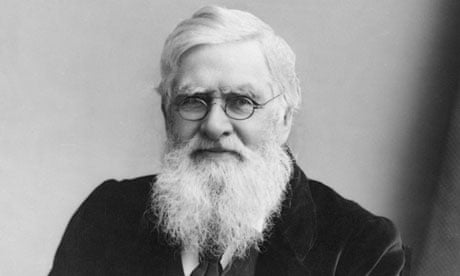
Alfred Russel Wallace
1823-1913
Developed Charles Darwin’s idea of natural selection and evolution
LUCA
Last universal common ancestor - all life on earth is descended from a single individual cell which possesses the characteristics shared by all living organisms today

Characteristics of LUCA
DNA, RNA, protein, carbohydrates, membranes that separate the cell contents from the rest of the universe and transport proteins that control entry and exit
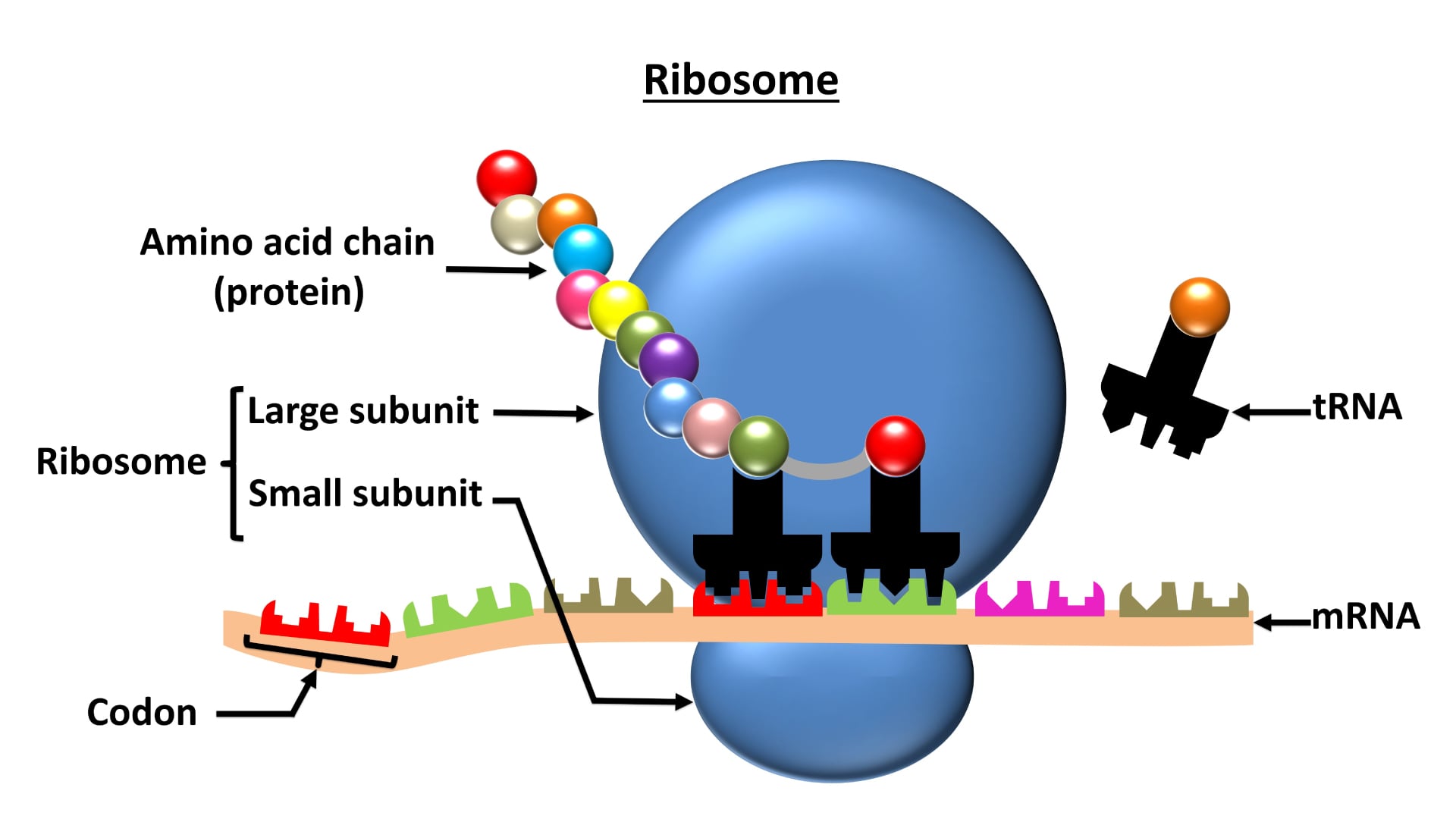
Ribosomes
Convert genetic code into protein sequences
Made of rRNA and Protein

Second Law of Thermodynamics
The total entropy (degree of randomness) of an isolated system can only increase over time

ATP
Adenosine Triphosphate
Universal energy currency of the cell
Energy released when Pi broken off

Peter Mitchell
1920-1992
Came up with Chemiosmotic hypothesis

Chemiosmotic hypothesis
Motor pumps H protons to produce proton gradient
ATP synthase turns ADP —> ATP by pumping H protons back
pH gradient produced by electron transport chain

REDOX reactions need…
Electron donors (reductants) and electron acceptors (oxidants)

Chemoautotrophs
Use chemicals from the environment as reductants: Fe2+, H2S, S, H2, NH3 etc. (chemical energy).

Photoautotrophs
Use energy from sunlight and elements from inorganic compounds to produce organic materials needed to sustain their own metabolism

Bacteriorhodopsin
Retinal
Absorbs and reflects light
Cis-trans isomerisation driven by light
Pumps protons but no electrons moved
1 ph light = 2 pr H

Chlorophyll
Photosynthetic pigment
Allows plants to absorb energy from light
Absorbs mostly blue and red light, reflects green

Reaction centres
Dimeric core with a special pair of chlorophylls
Light absorption results in electron transfer
Feeds the ETC
They convert light energy into chemical energy