neurogenic dysphagia
 Call Kai
 Learn
 Practice Test
 Spaced Repetition
 Match
 Flashcards
 Knowt Play
1/169

There's no tags or description
Looks like no tags are added yet.
170 Terms
neurogenic dysphagia occurs when there is damage to the …
CNS and PNS
how many individuals are affected by neurogenic dysphagia each year?
300,000 to 600,000 individuals
what does neurogenic dysphagia result in?
sensory-motor changes
what is neurogenic dysphagia often concurrent with?
dysarthria, dysphonia, and/or cognitive-linguistic disorders
etiologies: central-nondegenerative
CVA
brain injury
medication
neoplasm
congenital CP syringobulbia
arnold Chiari malformation
cognitive linguistic disorders associated with neurogenic dysphagia
articulatory, respiratory, phonatory/laryngeal, velopharyngeal, cognitive
etiologies: central-degenerative
dementia/AD
PD and PD +
MS
HD
ALS
etiologies: peripheral- myopathy
polymyositis
dermatomyositis
muscular dystrophies
OPMD
MD
DMD
etiologies: peripheral- neuropathy
Guillain-Barre Syndrome
etiologies: peripheral- Iatrogenic
post- surgery or RT of H&N
neuromuscular
MG
polio, post-polio syndrome
etiologies: central/nondegenerative- neoplasm
an abnormal and uncontrolled growth of cells in the body, commonly known as a tumor
etiologies: central/nondegenerative- congenital CP syringobulbia
is a rare neurological condition present from birth where a fluid-filled cavity or cyst develops inside the lower part of the brainstem, specifically the medulla. It is most frequently a congenital issue caused by structural defects that block or disrupt the normal flow of cerebrospinal fluid
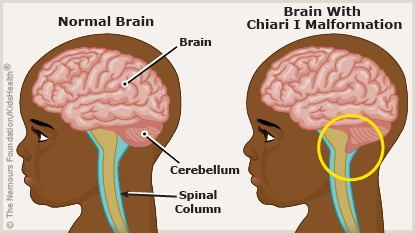
etiologies: central/nondegenerative- Arnold Chiari malformation
a structural defect where part of the lower brain (the cerebellum and sometimes the brainstem) pushes downward into the spinal canal through the opening at the base of the skull called the foramen magnum
etiologies: central/nondegenerative- psychogenic
a condition, symptom, or disorder originates in the mind or from psychological and emotional factors, rather than a physical, biological, or organic cause
etiologies: central/degenerative- PD +
a group of atypical neurodegenerative movement disorders that mimic classical Parkinson's disease (PD) but feature additional neurological symptoms, faster progression, and a poor response to levodopa medication
etiologies: central/degenerative- MS
a chronic autoimmune disorder of the central nervous system (the brain and spinal cord). In MS, the immune system mistakenly attacks and destroys myelin—the protective fatty coating around nerve fibers—causing inflammation, scar tissue (lesions or plaques), and interrupted signal transmission between the brain and the body
etiologies: central/degenerative- HD
a fatal, inherited neurodegenerative disorder that causes the progressive breakdown of nerve cells in the brain, typically presenting in a person's 30s or 40s

etiologies: central/degenerative- ALS
Amyotrophic Lateral Sclerosis (ALS) aka Lou Gehrig's disease or motor neuron disease—is a progressive, fatal nervous system disease that destroys nerve cells in the brain and spinal cord (motor neurons)
etiologies: central meaning
brain, brainstem, and spinal cord
etiologies: peripheral meaning
cranial nerves, efferent axons, etc.
etiologies:peripheral- iatrogenic meaning
any illness/infection/side effect caused by med tx, physicians, procedures
etiology: peripheral- myopathy meaning
effects skeletal muscle fibers
etiology: peripheral/myopathy- polymyositis
a rare, chronic inflammatory disease that causes symmetrical muscle weakness, primarily affecting the muscles closest to the center of the body (the hips, shoulders, and neck
etiology: peripheral/myopathy- dermatomyositis
a condition in which swelling and irritation (inflammation) attacks the body's tissues, causing muscle weakness and skin rash
etiology: peripheral/myopathy- muscular dystrophies
MD: A broad umbrella term for a group of more than 30 genetic muscle disorders that cause progressive muscle weakness and degeneration
OMPD (Oculopharyngeal Muscular Dystrophy:A specific, rare type of muscular dystrophy that typically begins in adulthood (ages 40–60) and primarily affects the muscles of the eyelids (causing drooping or ptosis) and the throat (causing swallowing difficulties or dysphagia)
DMD (Duchenne Muscular Dystrophy): A severe, fast-progressing form of muscular dystrophy caused by the lack of the dystrophin protein. It typically affects young boys, showing symptoms in early childhood and leading to significant muscle loss
etiology: peripheral- neuropathy meaning
when damage occurs to the peripheral nerves outside your brain and spinal cord
etiology: peripheral/neuropathy- Guillain Barre Syndrome
a rare, rapid-onset neurological disorder in which the body's immune system mistakenly attacks the peripheral nervous system, damaging nerve insulation (myelin) or nerve fibers
etiologies: peripheral/iatrogenic causes
post surgery
Radiation tx of head and neck
etiologies: peripheral- neuromuscular disease meaning
conditions that affect the peripheral nervous system, the neuromuscular junction, or the skeletal muscles themselves. These systems work together to control voluntary movement, breathing, and swallowing. When communication or structure breaks down, it leads to muscle weakness and other physical symptoms
etiologies: peripheral/neuromuscular- MG (myasthenia gravis)
a chronic autoimmune neuromuscular disease that disrupts communication between nerves and voluntary muscles, causing muscle weakness and rapid fatigue that typically worsens with activity and improves with rest
etiologies: peripheral/neuromuscular- Polio
Polio is an illness caused by a virus that mainly affects nerves in the spinal cord or brain stem. In its most severe form, polio can lead to a person being unable to move certain limbs, also called paralysis. It can also lead to trouble breathing and sometimes death
dysarthria
a motor speech disorder caused by weakness, paralysis, or poor control of the muscles used for speaking
dysphonia
a voice disorder that makes your voice sound hoarse, raspy, strained, weak, or breathy
neurogenic dysphagia: evaluations
best completed in a multidisciplinary environment, sensitivity of BCES (bedside clinical eval of swallowing) ranges from 40-80%, specificity ranges 59-91%, instrumental assessment is invaluable
disordered oral prep phase definition
lack of interest in food following sensory impairments, depression, reduced alertness/consciousness
oral prep phase disorders
hyperphagia, feeding aversion, reduced appetite
oral prep phase disorders: hyperphagia
overeat, overfill (Prader-Willi) ; pocketing in cheeks (dementia)
oral prep phase disorders: feeding aversion
refusing different textures, only accepting very specific food conditions (chick fil a in red box ex) ; food to mouth issue
disordered oral prep phase: motor problems
may lead to reduced ability to maintain appropriate position for feeding or difficulty bringing food to the mouth
disordered oral prep phase: motor problem examples
tremor, drooling; infants may have difficulties in breast feeding (ex. tongue tie, palatal/lip seal)
oral stage disordered
tongue pumping
lingual paralysis
pre swallow spill
impaired movement of bolus from front to back of oral cavity
residue
weak propulsion of the bolus into pharynx (inadequate mastication)
pharyngeal stage: disordered
nasal regurgitation (palate isn’t elevating)
improper airway closure: penetration/aspiration
slow movement of the bolus through the pharynx
late triggering of swallow
reduced extent and/or duration of cricopharyngeal opening
residue in valleculae
residue in pyriform sinuses
lack of peristalsis
esophageal phase: disordered
esophageal strictures
diverticulum
lack of peristalsis movements
residual food in esophagus
GERD
tertiary contractions
Achalasia
loss of movement in esophagus
leads to vomiting b/c of lack of peristalsis
cerebrovascular accident (CVA): prevalance
found in 29-80% of individuals following an acute stroke
50% of these will aspirate
35% will develop aspiration pneumonia
what is the most common cause of re-hospitalization and leading cause of death in CVA population?
aspiration pneumonia (possibly related to depressed immune system post-stroke)
CVA: timing of eval
required within the first week to assess appropriateness of PO intake
CVA eval assessment
follow up at bedside if any concerns
diet modifications
recommend instrumental
if a patient has a stroke, and their swallow is “ok”, what are your 2 options?
MBS
diet modification (follow up same or next day)
CVA: prolonged dysphagia
symptoms lasting over 2 weeks
when should you do an MBS on a CVA patient?
when stability is reached or when it is clear that PO intake compromises airway protection (exposes to radiation)
cortical stroke
no pharyngeal damage (resilient to UMN damage), expect facial droop
CVA: neuropathophysiology
swallowing function has bilateral cortical and brainstem representations
CVA neuropathophysiology: brainstem - noradrenergic (NA) neurons
These nuclei synthesize and release noradrenaline to regulate arousal, attention, stress responses, autonomic functions, and descending spinal pathways
CVA neuropathophysiology: brainstem
reduced pharyngeal peristalsis
slow pharyngeal transit ( > 1 second)
penetration/aspiration
UES dysfunction
esophageal dysmotility
CVA neuropathophysiology: cortex
reduced facial symmetry
damages higher-level brain functions like thinking, voluntary moving, sensory perception, and language
brain injury - dysphagia prevalance
20-70% of patients who experience brain injury demonstrate dysphagia
types of brain injury that affect dysphagia
surgery/radiotherapy
TBI
vascular insult
metabolic disorder
what % of TBI patients have dysphagia?
up to 70%
brain injury: dysphagia- onset and resolve
acute; after initial injury.
brain injury: dysphagia- prevalence (%) in children
68-76%
why is dysphagia in brain injury vital to re-assess?
to monitor ongoing dietary recommendations and modifications
brain injury: dysphagia- things that increase dysphagia risks
tracheostomy and mechanical ventilation
brain injury: swallowing impairments
voluntary phases of swallowing and discoordination of OME
*level of cognition is a factor
brain injury: swallowing impairments- MBS/VFS may show
tongue pumping
residue
pre swallow spill
delayed initiation of swallow
primitive reflexes (suckle, tongue protrusions)
non-degenerative CNS: cerebral palsy
non-progressive neurological motor and processing disorder
how does cerebral palsy arise?
following injury to the fetal or infant brain (2-3/1000 births)
bilateral UMN damage
what % of individuals with cerebral palsy will survive well into adulthood?
> 85%
what types of dysfunction does cerebral palsy cause
sensory, motor, cognitive-linguistic dysfunction
increased spasticity in cerebral palsy may cause…
unusual posturing, difficulty transferring food and fluids to the oral cavity, penetration/aspiration, increased coughing/choking
non-degenerative CNS: psychogenic dysphagia (AKA conversion dysphagia, functional, hysterical, hyperfunctional
unexplained symptoms or deficits affecting voluntary motor function suggest a neurologic or medical condition
what are the key characteristics of degenerative CNS etiologies of dysphagia
diagnosed and expected decline
Degenerative CNS: Parkinson’s
progressive motor system dysfunction resulting from reduced dopamine production (50%)
what is the 2nd most common movement disorder
Parkinson’s disease
Cardinal motor symptoms of Parkinson’s
tremor, falls, bradykinesia, rigidity
bradykinisia
slowed movement, stooped posture, rigidity, shuffling feet (gait)
what % of PD patients develop dysphagia?
up to 100%
PD: timing of evaluation
early assessment is helpful to establish baseline
follow up in 6-12 months increments as indicated
compensations
rehabilitation
why should PD patients try to stay out of the hospital?
in-patient admission often dysregulates PD meds and increases dysphagia risk (basal ganglia related)
PD cardinal motor symptoms: Bradykinesia
slowness of movement
hypokinesia- small, impoverished movements (shuffling gait)
akinesia- without moving “freezing”
PD cardinal motor symptoms: rigidity
cogwheel or lead-pipe tone, decreased arm swing, hypomimia (masked face)
PD cardinal motor symptoms: resting tremor (and prevelance)
stops with intentional movement
75% of PD patients are tremulous
PD cardinal motor symptoms: postural instability (late vs. early onset)
late manifestation of idiopathic PD (typical type)
early onset implies typical PD?
PD cardinal motor symptoms: additional motor symptoms
hypokinetic dysarthria- motor speech disorder caused by damage to basal ganglia in brain
dysphagia
dystonia: prolonged muscle contraction
micrographia
unilateral onset
PD: patient report (most common complaints)
coughing/choking during meals
greater difficulty w liquids
globus sensation/reflux
unintentional weight loss
pnemonia
minor diet modification
sialorrhea (excessive drooling)
PD: where is dopamine produced?
substantia nigra (diminished in PD)
PD: neuropathophysiology
dysregulation of basal ganglia causes tremor, freezing, rigidity, and bradykinesia of oropharyngeal structures
PD: oral phase signs/symptoms
anterior labial leakage
delayed initiation of swallowing
tongue pumping
impaired bolus formation
lingual tremor
fast oral transit times
pre-swallow spill
PD: pharyngeal phase signs/symptoms
lack of epiglottic inversion
penetration/aspiration
marked valleculae and pyriform sinus residue
slow and fast pharyngeal transit time
reduced extent/duration of CP opening
inadequate hyolaryngeal excursion
2 PD treatments for swallowing
dopaminergic medication and deep brain stimulation (DBS)
impact of PD treatment of swallowing: dopaminergic medication
timing of oral intake can impact extent of symptoms
diet impacts med absorption (protein can effect med)
overtime induces dyskinesias (Michael J Fox)
inhaled dopamine is newly available, improving delivery and inconsistencies with pills
impact of PD treatment of swallowing: deep brain stimulation (DBS)
for medication-resistant PD
markedly improves motor function and QOL
generally agreed that implantation does not improve axial symptoms such as swallowing
* good for things like arm/limb function but puts speech and swallowing at risk
PD: cough function and dysphagia
reflex and voluntary cough function is predictive of swallowing function in PD
aspiration pneumonia and PD
aspiration pneumonia is a leading cause of death in PD
* results from a combination of dysphagia and dystussia
PD+
demonstrates a similar symptomatology of PD dysphagia but at a much faster progression
not responsive to dopamine meds
PEG tube placement more common
increased meal times, more difficult with liquids at first
PD+: progresive supranuclear Palsy (PSP)
marked by early balance loss leading to frequent backward falls, a rigid/stiff neck, and vertical gaze palsy (trouble looking up or down)
popping eyes and spasticity
PD+: corticobasal syndrome/degeneration (CBD)
apraxia (not in PD)
alien limb (moves without consciousness)
asymmetrical
PD+: multiple system atrophy (MSA) 3 kinds
MSA parkinsonism (soft, fast speech)
MSA autonomic (excessive sweat)
MSA cerebellar (ataxic, drunk sounding slur)
PD+: Dementia with Lewy Bodies (DLB)
Involves early cognitive decline and visual hallucinations occurring within a year of or before motor symptoms (Robin Williams)