cell bio exam 1 - cells, unity and diversity, central dogma
 Call Kai
 Learn
Learn Practice Test
 Spaced Repetition
 Match
Match Flashcards
 Knowt Play
1/24

There's no tags or description
Looks like no tags are added yet.
Name | Mastery | Learn | Test | Matching | Spaced | Call with Kai | Chat |
|---|
No analytics yet
Send a link to your students to track their progress
25 Terms
molecules come together in cells with the help of four types of interactions
non-covalent bonds
electrostatic attraction
van der waals forces
hydrophobic forces
hydrogen bonds
non-covalent bonds
interactions between neighboring molecules that are relatively weak and don’t involve sharing electrons
electrostatic attractions
permanent bonding between positive or negative charges between molecules
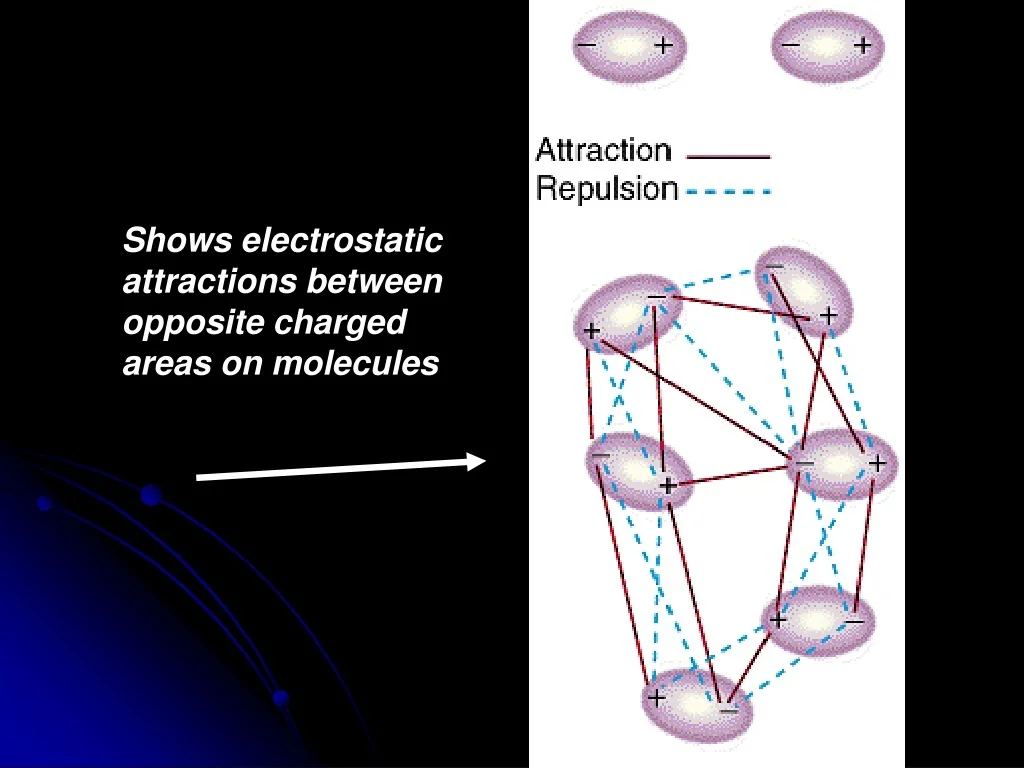
van der waals attraction
interactions due to movement of electrons in atoms, which create temporary dipoles; causes transient attraction when atom cores and electrons align by chance

hydrophobic force
hydrophobic molecules are driven together by water’s tendency to form hydrogen bonds with itself

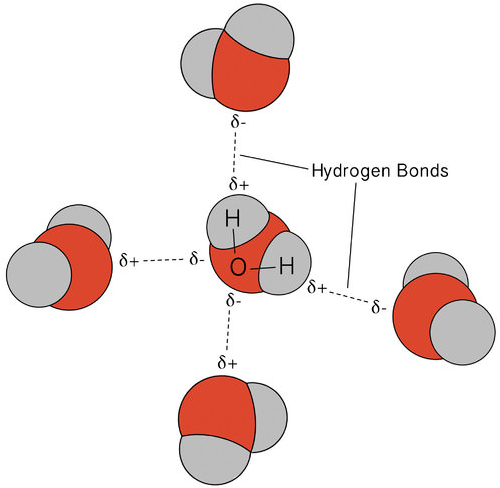
hydrogen bonds
special kinds of noncovalent bond
occurs due to an unequal pull of electrons between H and an electronegative atom (F, N, O)
strongest among intermolecular forces
[?] is a core principle shared by all cells and describes the flow of genetic information as [?]
the central dogma; DNA → RNA → protein
confocal microscopy
combines high intensity laser light with pinholes (blocks out-of-focus light that is reflected off the sample) to create an image with significantly higher resolution
in addition to membrane-less mechanisms, eukaryotic cells are also compartmentalized into membrane-bound organelles including
nucleus - stores genetic info/DNA “information center”
mitochondria - generates energy from food, own division and DNA distinct from cell “powerhouse”
chloroplast - plants/algae, photosynthesis to create energy-rich molecules from light
endoplasmic reticulum - synthesis of complex molecules
golgi apparatus - continues synthesis of complex molecules, packages them for export/insertion into membrane
cytoskeleton - contains three kinds of protein filaments (actin, microtubules, intermediate filaments), controls cell’s mechanical strength/shape/movement
theory of emergence of eukaryotic cells
believed that archael cell engulfed an early bacterial cell → beneficial symbiotic relationship b/c higher efficiency, energy sequestered in one region → evolution into early eukaryotic cell
in DNA, [?] bonds connect each nucleotide “step of the ladder” and [?] bonds connect the strands of complementary bases
phosphodiester & covalent; hydrogen bonds
what acts like engineers of transcription and interprets the information from DNA?
RNA polymerase, transcription factors (eukaryotes) or sigma factors (prokaryotes)
transcription proceeds in which direction?
5’ → 3’
RNA is different from DNA in three ways:
RNA uses ribose sugars
RNA uses uracil instead of thymine - more reactive, less stable
RNA is single stranded and folds into specific structures
in eukaryotes, mRNA undergoes post-transcription processing in the nucleus which includes:
addition of a 5’ cap
addition of a poly-A tail to the 3’ end
removal of introns via RNA splicing
how does RNA splicing work?
spliceosomes: ribonucleoproteins made up of small nuclear RNAs to form a complex
splicing factors (small proteins) attach to the ends of the introns
spliceosome parts are guided by position of splicing factors and form the spliceosome complex
spliceosome brings together ends of the exons together, cuts one end of intron and folds it on itself → loop, cuts off loop from remaining exon ends
exon ends attached, intron and splice some disassemble
after mRNA is properly processed, it will be transported out of the nucleus, a process mediated by the
nuclear pore complex (holes in the nuclear membrane with proteins)
protein polymers are called
polypeptides, held together with covalent peptide bonds
amino acids are distinguished by
their side chains - gives proteins distinct chemistry, structure, function
tRNA structure
made up of a single strand of RNA
folded up into clover-like structure
one end binds to amino acid; other end binds to codon of mRNA (anticodon)
how is an amino acid linked to a tRNA with a specific anticodon?
enzyme aminoacyl-tRNA synthase able to recognize the specific tRNA and amino acid pair
tRNA and amino acid bind to enzyme as substrates, enzyme catalyzes binding between the parts
ribosomes contain these three sites
A - tRNA enters ribosome and amino acid is linked to elongating protein chain w/ peptide bond
P - tRNA shifts over to this site with amino acid still attached; previous tRNA unbonds from its amino acid and shifts to E
E - where the tRNA is ejected
after tRNA is ejected from E, a new tRNA enters the A site
translation is initiated by [?] and ended by a [?]
start (AUG) codon; stop codon
regulation of protein abundance - increasing protein production
polyribosomes
several ribosomes bind at once to one mRNA in different locations
creates spiral structures
able to make many proteins at once
regulation of protein abundance - decreasing protein abundance
protein breakdown by ubiquitin and proteasomes
ubiquitin is a sequence chain that attaches to a site, which will “tag” it for degradation
tagged protein enters proteasome and proteasome cleaves peptide bonds