Lab 4-Tissues
 Call Kai
 Learn
Learn Practice Test
 Spaced Repetition
 Match
Match Flashcards
 Knowt Play
1/37

There's no tags or description
Looks like no tags are added yet.
Name | Mastery | Learn | Test | Matching | Spaced | Call with Kai | Chat |
|---|
No analytics yet
Send a link to your students to track their progress
38 Terms
4 types of tissue found in the body
Epithelial (covers and lines)
Nervous(internal communication)
Muscle (contraction)
Connective(most abundant in the body. Forms the framework in the body)
Classifications of epithelial tissue shape
squamous
cuboidal
columnar
Apical surface
surface of the epithelial cell that faces away from the basement membrane
Basal surface
surface of the epithelial cell that faces the basement membrane
Pseudostratified epithelial tissue
Falsely appears stratified, as some cells are taller than others
Goblet cell
wineglass shaped mucous-secreting unicellular “gland”. Found interspersed between simple columnar and pseudostratified epithelial cells of mucous membranes
avascular or poorly vascularized connective tissue
cartilage and dense connective tissue
fibroblasts
cells that synthesize connective tissue fibers and matrix
macrophages
a type of leukocyte. It is the first cell to recognize and engulf foreign material to activate the immune system
leukocytes
white blood cells that are activated to react against bacteria, toxins and other foreign materials
mast cells
dilate blood cells produce and secrete histamine and recruit other cells
collagen fibers
help strengthen connective tissue
reticular fibers
join connective tissue to other tissue
elastic fibers
stretchable, give elasticity
ground substance
interstitial fluid fibers - support

Function: uses electrical and chemical signals to carry out high order functions (e.g. learning) as well as oversee organ function.
Location: Brain, spinal cord, nerves
name: Nervous tissue

Function: Voluntary movement
Location: skeletal muscles
Name: skeletal muscle

function: Contracts to propel blood into blood vessels; Involuntary
name: cardiac muscle

Function: propels substances along internal passageways; involuntary
Location: walls of hollow organs
Name: smooth muscle

Function: wraps and cushions organs, helps with inflammation
Location: widely distributed under epithelia around organs and capillaries
name: areolar connective tissue

Function: energy source, insulates, supports, and protects
Location: under skin, around organs, in breasts
name: adipose connective tissue

Function: soft internal skeleton
Location: lymphoid organs, e.g., lymph nodes, bone marrow, and spleen
name: Reticular connective tissue

Function: connects muscles to bones and bones to bones
Location: tendons and ligaments
Name: dense regular connective tissue

Function: withstand tension and provide structural strength
Location: joints; dermis of skin
name: dense irregular connective tissue

function: supports, reinforces, cushions, and resists compression
Location: embryonic skeleton; joints of long bones; cartilages of the ribs
Name: hyaline cartilage

function: maintains shape while allowing flexibility
Location: Pinna of ear; epiglottis
Name: elastic cartilage

Function: tensile strength and absorb compressive shock
Location: intervertebral discs
name: Fibrocartilage
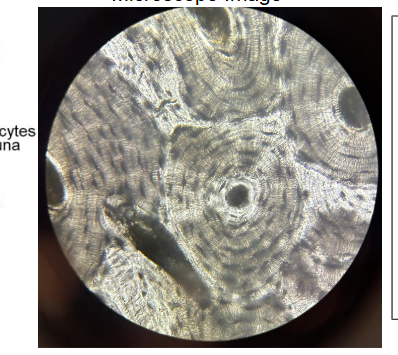
Function: supports; protects; lever for skeletal muscles to act on; mineral storage; blood cell formation
Location: bones
name: Bone (osseous connective tissue)

Function: transport of respiratory gases, nutrients, and wastes
Location: contained within blood vessels
Name: blood

Function: Diffusion and filtration
Location: kidney glomeruli, lung alveoli
name: simple squamous epithelium

Function: Absorption and secretion
Location: Kidney tubules, ovary surface
name: simple cuboidal epithelium
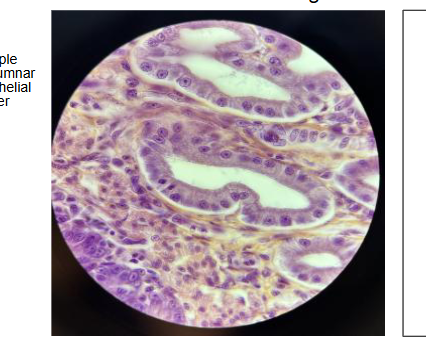
Function: Absorption and secretion
Location: lining of digestive tract
Name: simple columnar epithelium, non ciliated

Function: propels mucus with cilia
Location: bronchus; uterine tubes
name: simple columnar epithelium, ciliated
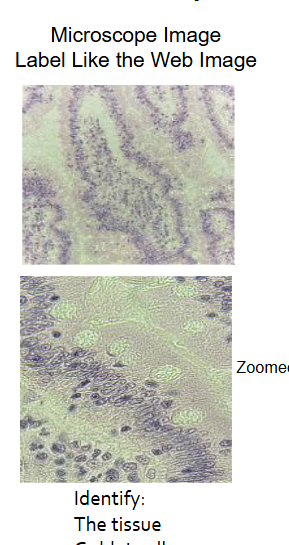
Function: secretion of mucus to form a protective barrier
Location: spermatic ducts
name: pseudostratified columnar epithelium, non ciliated

Function: propels mucus with cilia
Location: trachea
name: Pseudostratified columnar epithelium, ciliated
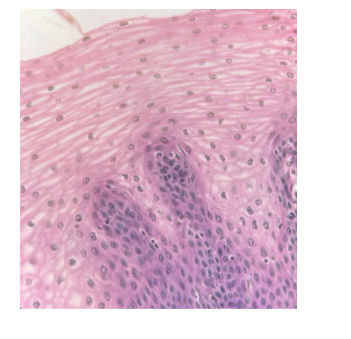
Function: protects underlying tissues subject to abrasion
Location: epidermis of skin
name: stratified squamous epithelium, keratinized
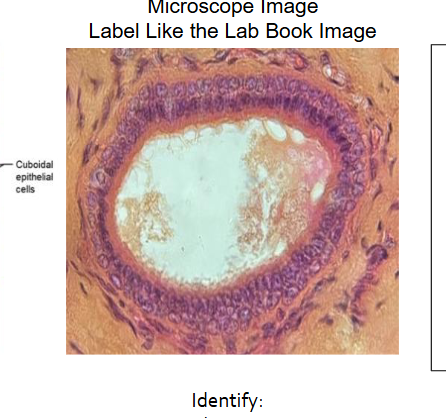
Function: protection
Location: ducts of exocrine glands, e.g., sweat and salivary glands
name: stratified cuboidal epithelium

Function: allows bladder to stretch when full of urine
Location Urinary bladder
name: Transitional epithelium