3. Cardiac Cath
 Call Kai
 Learn
Learn Practice Test
 Spaced Repetition
 Match
Match Flashcards
 Knowt Play
1/20

There's no tags or description
Looks like no tags are added yet.
Name | Mastery | Learn | Test | Matching | Spaced | Call with Kai | Chat |
|---|
No analytics yet
Send a link to your students to track their progress
21 Terms
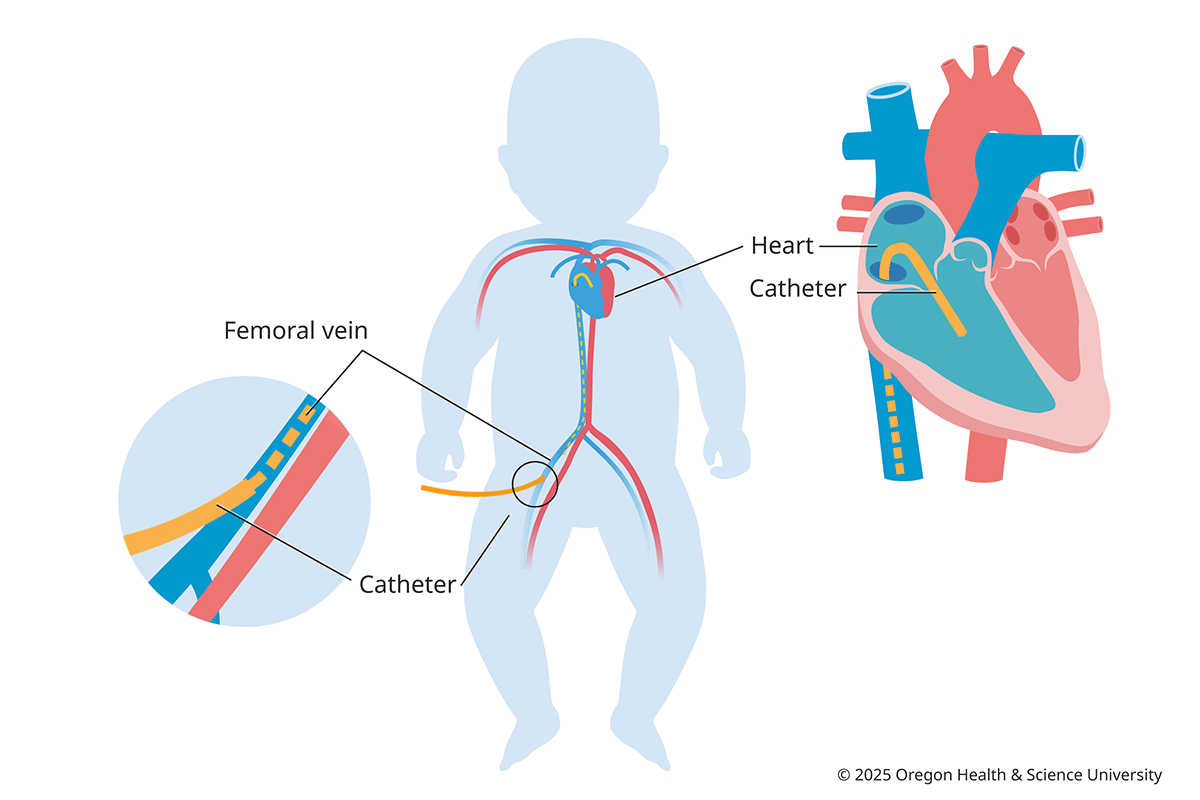
what is cardiac catheterization?
an invasive procedure that guides a thin tube through a blood vessel into the heart using moving x-ray images (uses contrast)
what is the purpose of diagnostic cardiac catheterization? *
identify heart problems by measuring pressures, oxygen levels, and blood flow and examining heart structures
what is the purpose of interventional cardiac catheterization? *
treat or repair certain heart problems through the catheter
what should the nurse assess before a child’s cardiac catheterization? *
baseline vital signs and circulation
allergies
medical history, current medications
what complications should the nurse monitor for after cardiac catheterization? *
bleeding
arrhythmia
hematoma (blood collecting under the skin)
blood clot
infection
what assessments are needed immediately after cardiac catheterization? *
vital signs
neurovascular status in the extremities
pressure dressing
(q15min x 1hr, then q30min x 1hr)
how often are assessments performed during the first 2 hours after cardiac catheterization? *
every 15 minutes for the first hour, then every 30 minutes for the second hour
what extremity findings should be compared on both sides after cardiac catheterization? *
pulses below the insertion site, skin color, and skin temperature
where should the nurse also check if a distal pulse cannot be felt after cardiac catheterization?
a more proximal pulse, closer to the body
the nurse should _____ before cardiac catheterization, so later assessments check pulses in the same exact spots
mark the pulse locations
what activity restriction is needed immediately after cardiac catheterization? *
bedrest (4–8 hours)
how long should the limb stay straight after cardiac catheterization? *
4–8 hours
why should intake and output be monitored after cardiac catheterization?
contrast has a diuretic effect
encourage fluids as permitted
after a cardiac cath, the child can resume a _____ diet
regular
when should the pressure dressing be changed after cardiac catheterization?
the day after the procedure (keep dry for several days)
what insertion-site changes should caregivers watch for after cardiac catheterization?
redness, irritation, swelling, drainage, or bleeding
what extremity checks should caregivers perform after cardiac catheterization?
skin temperature, color, sensation, and pulses
3 day rules to teach parents during discharge
check child’s temperature once a day
avoid strenuous activity, including gym class
avoid tub baths
what medications may be used for pain after cardiac catheterization?
acetaminophen or ibuprofen as instructed
what changes should caregivers report after cardiac catheterization? *
changes in the child’s appearance or insertion site
fever
heart fluttering or skipped beats
difficulty breathing
what follow-up care is needed after cardiac catheterization?
schedule and attend the follow-up appointment as instructed