Upper Respiratory Tract Infections
 Call Kai
 Learn
Learn Practice Test
 Spaced Repetition
 Match
Match Flashcards
 Knowt Play
1/61

There's no tags or description
Looks like no tags are added yet.
Name | Mastery | Learn | Test | Matching | Spaced | Call with Kai | Chat |
|---|
No analytics yet
Send a link to your students to track their progress
62 Terms
Definition of pathogenesis
The development of a disease
Definition of pathogen
Any organism OR agent that produces a disease.
(eg bacteria or a toxin produced by bacteria)
Definition of pathogenicity
The ability of a pathogen to cause disease
Definition of virulence
Intensity of disease/ degree of harm caused.
eg different strains of E.coli some are more harmful than others due to specific virulence factors
Definition of acute infection
Sudden/rapid onset , usually short-lived. Can be mild or severe e.g. common cold, acute appendicitis
Definition of chronic infection
Develop slowly. Long lasting and/ or recurrent
e.g. chronic hepatitis, Tuberculosis
Definition of latent infection
Appears a long time after initial infection
e.g. Herpes → Shingles, Tuberculosis
Definition of Healthcare associated infection (HCAI or HAI)
Results from direct treatment in a healthcare setting or contact with a health care setting.
e.g. Clostridioides difficile- diarrhoea,
E. coli,- UTI -catheter
Staphylococcus aureus (MRSA)- wound infections,
Klebsiella pneumonia- ventilator associated respiratory
Pseudomonas aeruginosa –opportunistic resistant
What % of hospital treated patients get a significant HAI?
10%
Definition of opportunistic
Caused by organisms that DON’T normally infect healthy hosts. e.g. Staphylococcus aureus, Candida albicans, C. diff
Definition of primary infection
Initial infection within a patient
e.g. surgical site infection, urinary tract infection
Definition of secondary infection
Infections that follow a primary infectione.g. infections of blood stream (septicaemia), bones & joints
Definition of localised infection
Infection that remains at one body site or organ.
Definition of systemic infection
Infection that has spread to multiple organs/ sites, or spread to the blood stream.
Definition of septicaemia
Life-threatening condition arising from pathogens in the blood
Definition of sepsis
Host response to high level of infection in the blood-
Definition of septic shock
Sepsis accompanied by low blood pressure- High risk of death
Definition of bacteremia
Bacteria present in the blood - small number not problematic
There are common bacterial infections by body site.
Respiratory tract
Urinary tract
How are infections in the respiratory tract and urinary tract organised?
Respiratory tract:
Upper respiratory tract (nose, throat, ear, conjunctiva)
Lower respirator tract (trachea, lungs)
Urinary tract
Lower/upper
Ascending/descending
Name common upper respiratory tract infections
Rhinitis
Pharyngitis and tonsillitis
Acute otitis media
Conjunctivitis
What is rhinitis?
Inflammation of the nasal lining
What is pharyngitis and tonsilitis?
Inflammation of the pharynx and tonsils
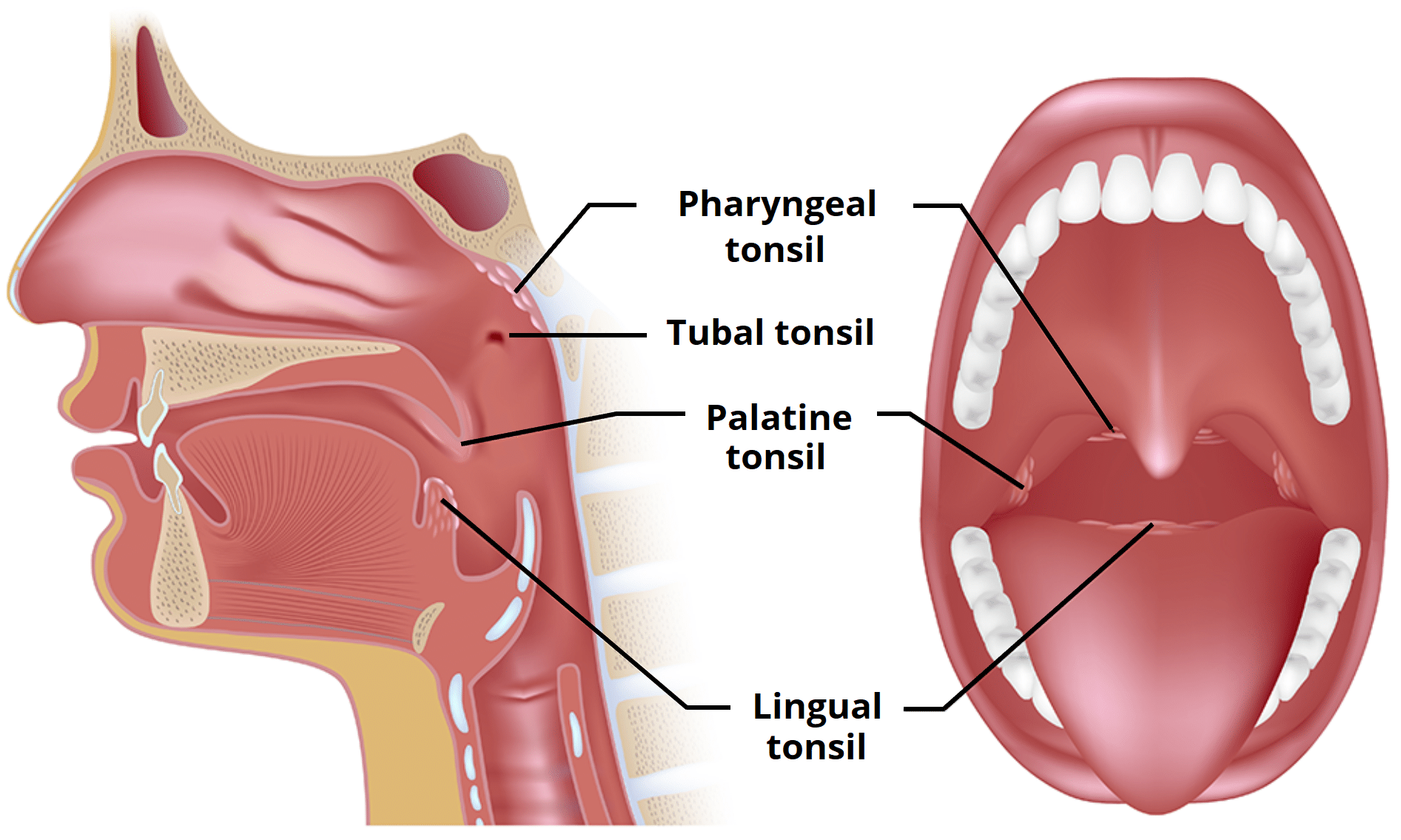
What pathogen usually causes rhinitis, pharyngitis, and tonsillitis?
Viral: Most common source of infection
Bacterial: Group A Streptococcus (GAS)
What causes strep throat?
Streptococcus pyogenes
What is the common cold?
Symptoms
Cause
Transmission
Treatment
The common cold is a viral infection that includes rhinitis as a symptom
Symptoms: Runny nose, sneezing, itching, blocked nose. Generally mild and self limiting. Peak is at day 2-3, resolves within 7-10 days
Cause: Rhinovirus 30-50% of cases, coronaviruses, adenovirus, etc
Transmission: Highly infectious. Aerosol and contaminated hands
Treatment: Decongestants (NOT antibiotics)
Why isn’t there a vaccine for the common cold?
Rhinovirus has over 165 serotypes, with new ones each year
What causes, the symptoms associated with, method of transmission, and treatment for pharyngitis and tonsilitis?
Cause: 70% of cases caused by viruses (rhinovirus, coronaviruses, influenza viruses, etc)
Symptoms: Swollen, sore throat, difficult swallowing, inflamed tonsil, fever, headache
Transmission: Saliva
Treatment: Self limiting. Rest, lozenges, mild pain relievers (NO antibiotics)
What is the gram status of streptococcus?
Gram positive (stains purple)
What is GAS and GBS?
GAS = Group A Streptococcus
GBS = Group B Streptococcus
What’s the difference between GAS and GBS?
They are 2 different types of bacteria from the streptococcus family, which cause different health issues.
GAS stands for Group A Streptococcus (Streptococcus pyogenes). It commonly affects the throat and skin.
GBS stands for Group B Streptococcus (Streptococcus agalactiae). It commonly lives in the digestive and genital tracts
What’s IGAS?
Stands for Invasive Group A Streptococcus
GAS usually causes mild throat and skin infections, but can also cause IGAS
IGAS = TSS and necrotizing fasciitis
Most common cause of bacterial infections?
Bacterial: GAS (streptococcus pyogenes)
What is the microbiology of streptococcus pyogenes?
Capsular bacteria
Outside encased in hyaluronic acid helping to evade immune system / phagocytosis and colonise tissue at the back of the throat
What are the main symptoms of bacterial pharyngitis and tonsillitis (strep throat)?
Inflamed tonsils
Pus
Difficult swallowing
Fever
Headache
How is strep throat transmitted and how is it treated?
Spread via respiratory droplets and direct contact
Treat via antibiotics
What causes scarlet fever?
Some strains of Streptococcus pyogenes secrete a toxin (pyrogenic exotoxin). This toxin causes an immune response, causing a characteristic rash

What are the main symptoms of scarlet fever, how is it transmitted, and how is it treated?
Symptoms: Strep throat symptoms + a body rash, strawberry tongue
Transmission: Respiratory droplets, close contact, shared items
Treatment: Antibiotics
What bacterium causes Group A Streptococcus (GAS) infection?
Streptococcus pyogenes
What is iGAS?
A GAS infection that breaches barriers and becomes systemic
Name 2 examples of iGAS diseases
TSS
Necrotising fasciitis
What autoimmune complication can follow a GAS infection?
Rheumatic fever
What is rheumatic fever?
An autoimmune complication that attacks the body’s own tissues, including heart valves
What kidney complication can follow streptococcus infection?
Glomerulonephritis?
What is acute otitis media?
Ear ache
Infection of the middle ear
Inflammation and swelling (there’s a build up of fluid behind the eardrum)
50% of acute otitis media cases are viral. Cases caused by bacteria, what strains of bacteria cause them?
Streptococcus pneumoniae
Haemophilus influenzae
What are the symptoms of acute otitis media?
Pain in ear
Hearing loss
Dizziness
Fever
Vomiting
Diarrhoea
Perforation of ear drum
Children tug their ear
What is chronic otitis media?
Repeated infections or inflammation of the middle ear
What can chronic otitis media cause?
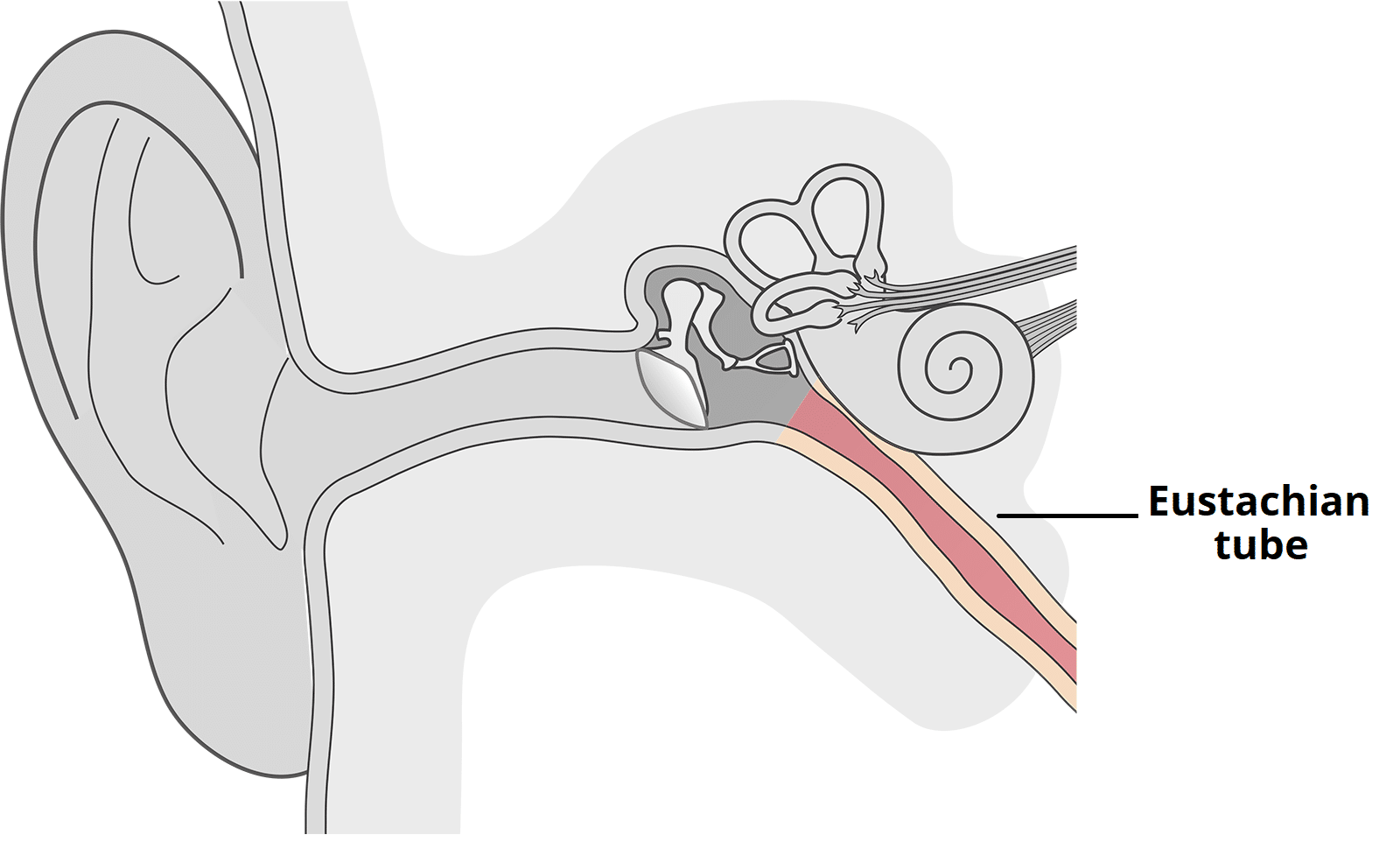
Can cause tissues surrounding the eustachian tube to swell up, blocking it
The air in the middle ear is absorbed into the surrounding tissues
A vacuum forms in the middle ear
Fluid accumulates
Leads to glue ear
How do you treat glue ear?
Children may get grommets fitted to help equalise the pressure
What is conjunctiva?
Loose connective tissue that covers the surface of the eyeball
What causes conjunctivitis?
Viral (most common)
Bacterial (e.g. staphylococcus sp, streptococcus sp, haemophilus sp)
Allergic
Reactive
STI associated
What are the symptoms of conjunctivitis?
Redness in the white of the eye
Increased tears
Thick yellow discharge that crusts over the eyelashes
Green/white discharge from eye
Burning eyes
Blurred vision
What’s the treatment for bacterial infections of the conjunctiva?
Topical chloramphenicol
Which bacterium can cause severe conjunctivitis in newborns?
Neisseria gonorrhoeae
What serious complication can gonococcal conjunctivitis cause?
Corneal perforation, potentially causing vision loss
Which bacterium causes inclusion conjunctivitis in adults?
Chlamydia trachomatis
What condition is specifically associated with repeated Chlamydia trachomatis eye?
Trachoma
What happens to the eye in trachoma?
Roughening of the inner eyelid surface, causing eye damage
How is trachoma spread?
Contact, touch, flies
What can untreated trachoma lead to?
Blindness
How is a chlamydia eye infection treated?
Oral and topical antibiotics
Can chlamydia eye infection cause permanent eye damage?
Yes, even after treatment. This is because repeated infection causes trachoma, which roughens the inner surface of the eye lid, damaging the eye. You can’t unroughen the inner eyelid.