Lab 6 Quiz
 Call Kai
 Learn
Learn Practice Test
 Spaced Repetition
 Match
Match Flashcards
 Knowt Play
1/33

There's no tags or description
Looks like no tags are added yet.
Name | Mastery | Learn | Test | Matching | Spaced | Call with Kai | Chat |
|---|
No analytics yet
Send a link to your students to track their progress
34 Terms
Conditions that contribute to the systolic and diastolic pressures
Walls of blood vessels may contain smooth muscle which can contract and decrease lumen size, raising resistance, which raises blood pressure

Walls of blood vessels may contain ______ ______ which can contract and decrease _______ size, raising _______, which raises ______ ______
smooth muscle, lumen, resistance, blood pressure
What also plays an important role in blood pressure (recall that blood plasma is mostly water, so amount of water in body influences ____ ____ and therefore blood pressure)?
Blood volume
Blood volume
total amount of fluid circulating through the heart, arteries, veins, and capillaries of the bod

Diastolic blood pressure:
Occurs during _____ ______; ______ pressure exerted on artery
ventricular relaxation, minimum
Occurs during ventricular relaxation; minimum pressure exerted on artery
Diastolic blood pressure

Systolic blood pressure:
Occurs during _____ ______; _______ pressure exerted on artery
ventricular contraction, maximum
Occurs during ventricular contraction; maximum pressure exerted on artery
Systolic blood pressure
Where can arterial pulse be palpated?
The Fat Cats Always Be Running From Poor Pet Ducks.
Arteries - temporal, facial, common carotid, axillary, brachial, radial, femoral, popliteal, posterior tibial, dorsalis pedis


Pulse pressure formula =
systolic blood pressure - diastolic blood pressure
average pulse rate in a resting adult
60 – 80bpm
MAP formula =
diastolic blood pressure + (systolic - diastolic) / 3
Pulse Pressure should be at least __% of systolic pressure
25
Low Pulse Pressure may result from low _____ ______(CHF, valve stenosis, hemorrhage)
stroke volume

low stoke volume can result from …
CHF(Congestive heart failure), valve stenosis, hemorrhage
High ___ _____ is common in healthy people following exercise
(resting PP may be ___ to _____ and it may increase to _____ mm Hg as stroke volume increases)
High Pulse Pressure is common in healthy people following exercise (resting PP may be 30 – 40 and it may increase to 100 mm Hg as stroke volume increases)
Chronically high PP can indicate abnormally high ______ in _______
resistance in arteries
MAP measures the average ______ of blood in the _____ throughout the ______ _____
pressure, arteries, cardiac cycle
MAP is directly proportional to _____ and ______ _______
CO(cardiac output), peripheral resistance
MAP: Normal range of values is ____ to ____ mm Hg (enough to provide blood flow and oxygen to heart, brain, kidneys)
70 – 110
MAP value of 70 - 110 mm Hg is enough to provide ____ _____ and ______ to heart, brain, kidneys
blood flow, oxygen
MAP value of ____ - ____ mm Hg is enough to provide blood flow and oxygen to ______, _____, and _____
70 - 110
heart, brain, kidneys
MAP indicates ______ of vital organs
perfusion

Minimum of ____ mm Hg is necessary to perfuse tissues
60

ischemia (____ ____ ____) will often produce hypoxia (_____ ____ ____)
insufficient blood flow, insufficient oxygenation of tissues
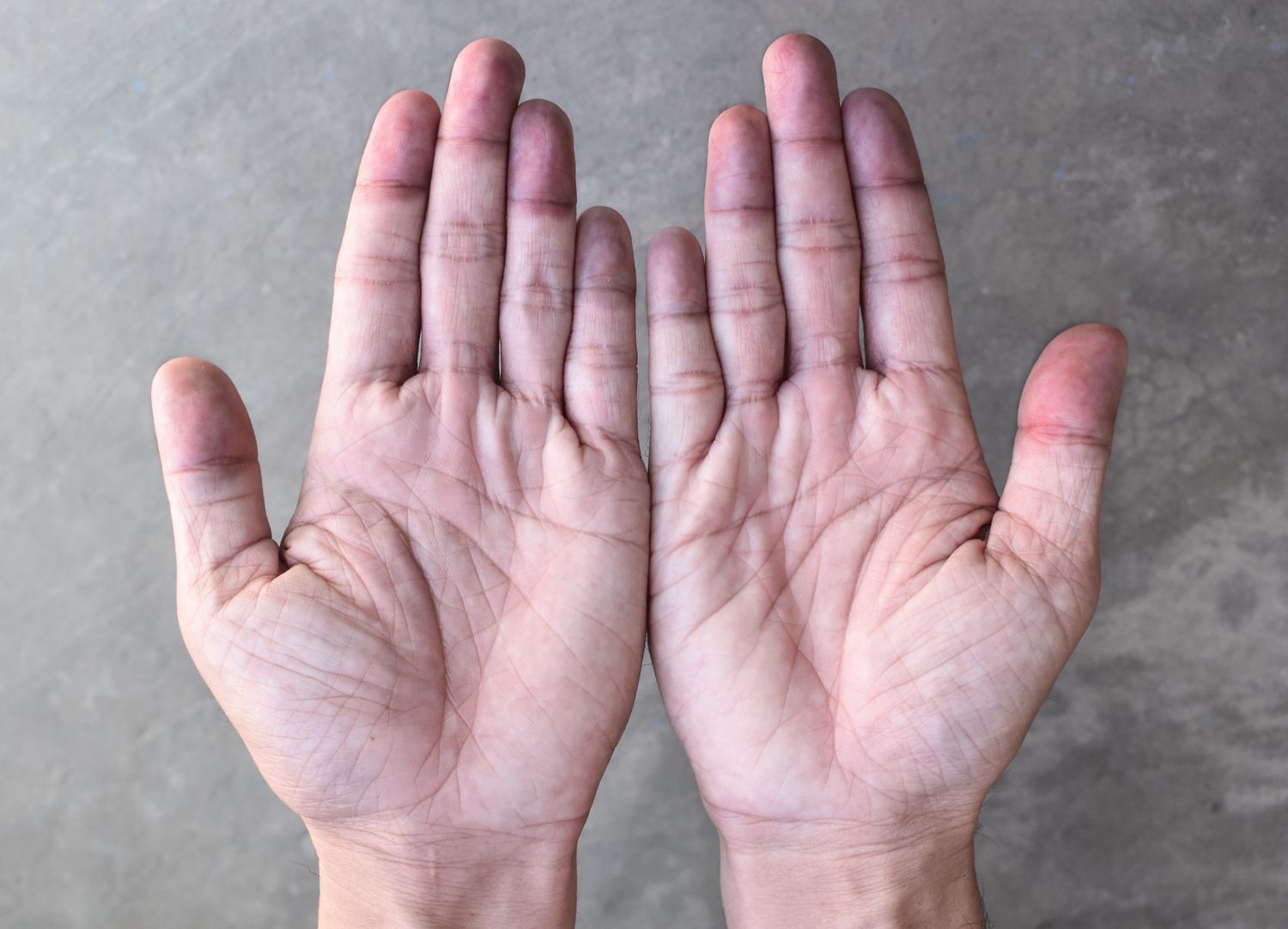
what will often produce hypoxia?
ischemia
High PP is common in ______ people following _______(resting PP may be 30 – 40 and it may increase to 100 mm Hg as stroke volume increases)
healthy, exercise
Effect of Exercise on blood pressure
increases blood pressure, lowers resting blood pressure over time
Effect of Exercise on MAP
increases MAP
Effect of Exercise on cardiac output
increases cardiac output
Cardiac output formula 🫀🥵
CO = HR × SV
Effect of Exercise on heart rate
increases your heart rate immediately during physical activity and lowers your resting heart rate over time
Effect of Exercise on stroke volume
increases stroke volume
stroke volume formula 😪 - 😅
SV = EDV (end diastolic volume) – ESV (end systolic volume)