understanding pain in context of health triad
 Call Kai
 Learn
 Practice Test
 Spaced Repetition
 Match
 Flashcards
 Knowt Play
1/23

There's no tags or description
Looks like no tags are added yet.
24 Terms
why is behavioural medicine relevant to pain cases
Pain is perceived in the brain
Limbic system involvement in the physiology of pain
Emotional disturbance influences perception of pain
Presence of pain alters expression of emotional responses to a range of stimuli
Emotional disorders (which includes disorders of the pain emotional system) reduce available emotional capacity
Cases involving pain benefit from a comprehensive veterinary healthcare approach considering all aspects of the health triad
physcial health aspects of acute pain
accidental
surgical
physical health aspects of chronic pain
orthopaedic pain
ear pain
oral pain
visceral pain
skin related pain
neuropathic pain
Consideration of soft tissue related chronic pain is not limited to injuries associated with sport or to dogs
Surgical and trauma patients and those individuals with compromised gait, sometimes associated with morphological abnormalities, can also develop soft tissue discomfort
cognitive health aspects of pain
Pain can have cognitive impact through the process of learning
Pain is an emotion and can become associated with other stimuli through classical conditioning
pain can also be involved in operant conditioning leading to increased or decreased probability of behaviours occuring again

emotional health aspects of pain
The Heath Model of Emotional Health considers the importance of two aspects of emotional health
Emotional valence
Emotional arousal
what is the significance of the valence of emotional pain
behavioural change can be the result of emotional effects of pain
pain is protective emotion related to fear-anxiety system
In the context of chronic pain the emotions of fear- anxiety and frustration can also be relevant further increasing protective emotional input
Related to the other aspects of the emotional health of each individual:
1. emotional capacity (size of sink)
2. other emotional input (flow from either the cold or the hot tap associated with triggers not associated with their pain condition)
3. emotional drainage (functioning of the outlet pipe from the sink)
need for emotional management
High emotional input will increase the potential for the protective emotional impact of the pain to have noticeable effects
presence of an emotional disorder
presence of other physical illness
stimulating interactions
=protective, such as being exposed to fear inducing situation
= engaging, such as play or social interaction
This can lead to variation in the reported pain at times when emotional input from other sources is increased
Emotional management should therefore be considered as part of the therapeutic approach to chronic pain cases
Any restriction on emotional drainage can also increase the impact of increased protective emotional input
Restriction of species specific drainage behaviours
Sleep disturbance – seen in association with chronic pain
emotional disease and sleep disturbance
Emotional illness is associated with sleep disturbance in human patients
Individuals who get less than 5 hours of sleep a night, on average, have a 2- to 3-fold greater risk of anxiety or depression compared to those who get 7 hours of sleep a night
Research in the veterinary field into the relationship between sleep and emotional disturbance is limited
emotional implications
REM sleep in humans is thought to modulate emotional arousal via a
noradrenaline reduction mechanism
An individual has a greater capacity to cope with emotional arousal of any sort (protective or engaging) the day after they achieve sufficient REM sleep during their night-time rest
Overnight amygdala adaptation is proportional to the duration of sound REM sleep
cognitive implications
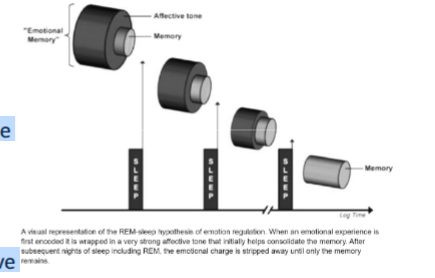
REM sleep also enables emotional memory processing
The aim is to retain emotional memories which are important for survival, without retaining the intense emotional experience along with that memory
Reduction in REM sleep has the potential to detrimentally influence emotional and cognitive health and thereby influence physical health, including chronic pain conditions
sleep hygiene
advice about sleep hygiene is considered to be an important part of the advice for human patients with chronic health conditions
can equally important in veterianry patients with chronic pain
To determine the relative contribution from emotional health consider
Presence of behavioural response and body language consistent with
protective emotion
Evidence of high emotional arousal – displacement behaviours
Evidence of compromised emotional drainage
how can we identify and monitor pain
Identification of pain requires knowledge of species specific communication systems
Validated pain scoring systems use a combination of facial expression, body posture and behavioural responses

behavioural responses to pain
behaviour is an output - signal of underlying health
physical
behavioural responses will be related to form of chronic pain e.g - mobility impact, body system impact, sensation impact
cognitive
behavioural responses will be established through learning
often have contextual component
emotional
emotional valence
emotional arousal

behavioural respinses tree analogy

importance of recognising appeasement
Appeasement behaviours are information gathering behaviours
Caregivers may report that the dog is more clingy or describe them as “demanding” or “attention seeking”
Ignoring or rejecting these behaviours can lead to
Increased anxiety
Frustration
In patients with chronic pain these protective (negative) emotions can exacerbate pain
Protective emotions lead to behavioural responses which are designed to resolve the situation
When behaviours are unable to resolve pain there can be a perception of failure which triggers frustration
Frustration increases the speed, intensity and confrontational nature of behavioural responses
This can increase risk for caregivers, veterinary professionals and others
Recognising the full range of potential responses and ensuring a perception of success for the patient at the lowest possible intensity of the most appropriate branch reduces this risk
what can chronic pain lead to
limitations of mobility which may result in
issues of indoor toileting
exacerbation of fears and anxieties where avoidance is not possible due to restricted mobility
increased anxiety resulting in
physical avoidance strategies
social avoidance strategies - decrease in play and social interaction
behavioural changes as a result of physical pain
Reluctance to walk on certain surfaces
Gait changes
Impact of gastrointestinal discomfort
Response to manipulation
During physical examination remember that there can be emotional factors which alter an animal’s response to manipulation
The style of handling
The animal’s emotional health (other than pain)
Behavioural output is the result of the predominant emotion – not the only emotion
detection of chronic pain
When MSK related chronic pain is mentioned there is a tendency
to look for a locomotory effect i.e. lameness or alteration in mobility
Other signs may be overlooked, such as excessive licking or grooming and other repetitive behaviours, sit position, toileting behaviour
visceral pain
Pain associated with internal organs or viscera
Visceral pain >> potential or actual tissue damage
Organs most frequently affected:
Gastrointestinal tract
Oesophagus
Stomach and small/ large intestines
Pancreas
Gallbladder
Urogenital tract
Urinary bladder
Prostate
What sorts of behavioural presentations can be associated with visceral pain?
Some behavioural change may be directly related to the physical aspects of the discomfort
Examples include:
Lip licking
Air gulping
Retching
Praying posture
Rigid posture / gait
Reaction to touch
Visceral pain involves dull vague sensations which are poorly
localised
Behavioural responses can therefore be vague as well
They can include:
Alterations in response to food
Difficulty settling and sleeping
Lack of interest in previously enjoyable activities
In some cases the pain is referred and the behavioural response is not
readily linked to the origin of the discomfort
Examples include:
Overgrooming
Another feature of behavioural responses to visceral pain is that they can be repetitive in nature
Examples include
“Fly catching”
Surface licking
Visceral pain is associated with increased protective emotion and behavioural presentations may be related to this
Examples include
Confrontational behaviour associated with
Touch
Threat to resources
Avoidant behaviour associated with
Touch
Interactions
inhibited behaviour
appeasement behaviour
What sorts of behavioural presentations can be associated with neuropathic pain?
Neuropathic pain is associated with altered sensations
This can lead to a range of behavioural responses:
Facial grimacing (pain face)
Head rubbing
Head shaking
Skin nibbling / rippling
Feline conditions involving neuropathic pain include
Feline orofacial pain syndrome
Feline hyperaesthesia syndrome
sometime lead to
alterations in breathing
changes in response to interaction
resistance to movement = gait and posture changes
Some of the alterations in sensation and resulting impact on posture and gait can also exacerbate the emotions of fear-anxiety and frustration
A perception of instability on certain surfaces can increase anxiety
Neuropathic pain can alter the dog’s reaction to being handled or disturbed
A repulsion response might be the most problematic from a caregiver perspective
Pain is a protective emotion and can also lead to behaviours of avoidance, inhibition or appeasement
Alterations in social relationships can occur in association with pain of
varying types
Anticipation of pain can lead to alterations in social interaction
Reduced object play
Reluctance to engage in social play
Avoidance of physical proximity
Presence of pain can decrease tolerance of members of other social
groups in cats
Anticipation of pain leading to use of protective repulsion behaviours
and increase social tension in multi-pet households
how does comprehensive healthcare affect treatment
When the behaviour is directly related to the physical component of the pain
Treat appropriately with medication, surgery, physiotherapy and environmental modifications etc
When the behaviour is related to the emotional and cognitive burden of pain
Alter emotional bias to modify pain perception
= Improve engaging emotional bias
= Increase triggers for engaging emotions
Improve perception of coping success to reduce frustration
Decrease or control triggers for protective emotion
Use cognitive approaches to alter behavioural responses
Improve emotional drainage
When the behaviour is related to the memory of pain
Form new behavioural associations in contexts of previous pain