Wetland Herps of Vermont

0.0(0)
Studied by 0 people
call kaiCall Kai
learnLearn
examPractice Test
spaced repetitionSpaced Repetition
heart puzzleMatch
flashcardsFlashcards
GameKnowt Play
Card Sorting

1/31

encourage image

There's no tags or description

Looks like no tags are added yet.

32 Terms

1
New cards

Snapping Turtle

Chelydra serpentina

omnivorous, floats in shallow water

widespread in VT

<p>Chelydra serpentina</p><p>omnivorous, floats in shallow water</p><p>widespread in VT</p>
2
New cards

Eastern Musk Turtle

Stenotherus odoratus

eats carrion, small fish, snails, & clams

walks on bottom to hunt

<p>Stenotherus odoratus</p><p>eats carrion, small fish, snails, &amp; clams</p><p>walks on bottom to hunt</p>
3
New cards

Painted Turtle

Chrysemys picta

eats aquatic insects and mollusks

young overwinter in nest

common in VT
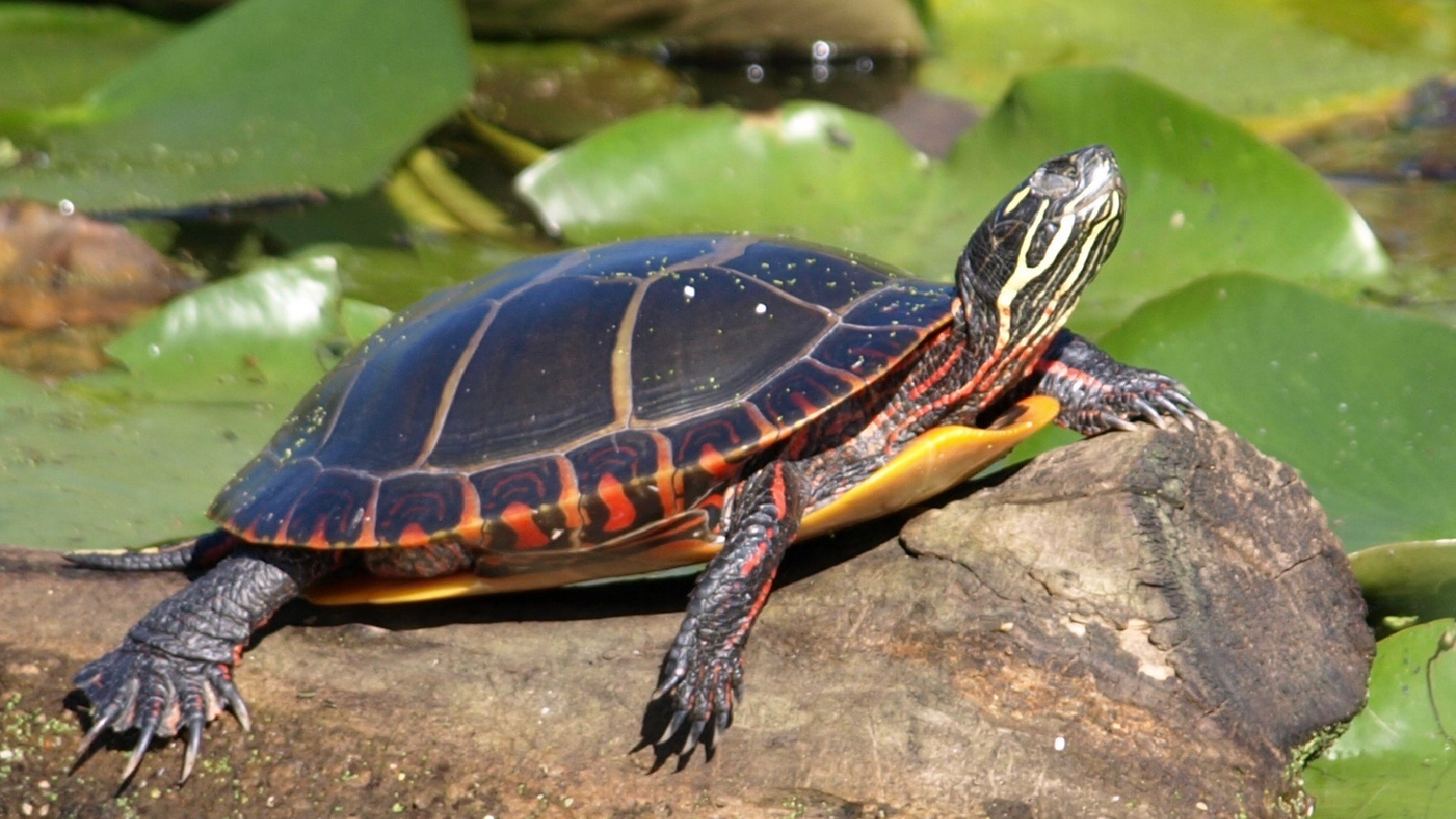
<p>Chrysemys picta</p><p>eats aquatic insects and mollusks</p><p>young overwinter in nest</p><p>common in VT</p>
4
New cards

Northern Map Turtle

Graptemys geographica

lakes and rivers only

dorsal keel

rare
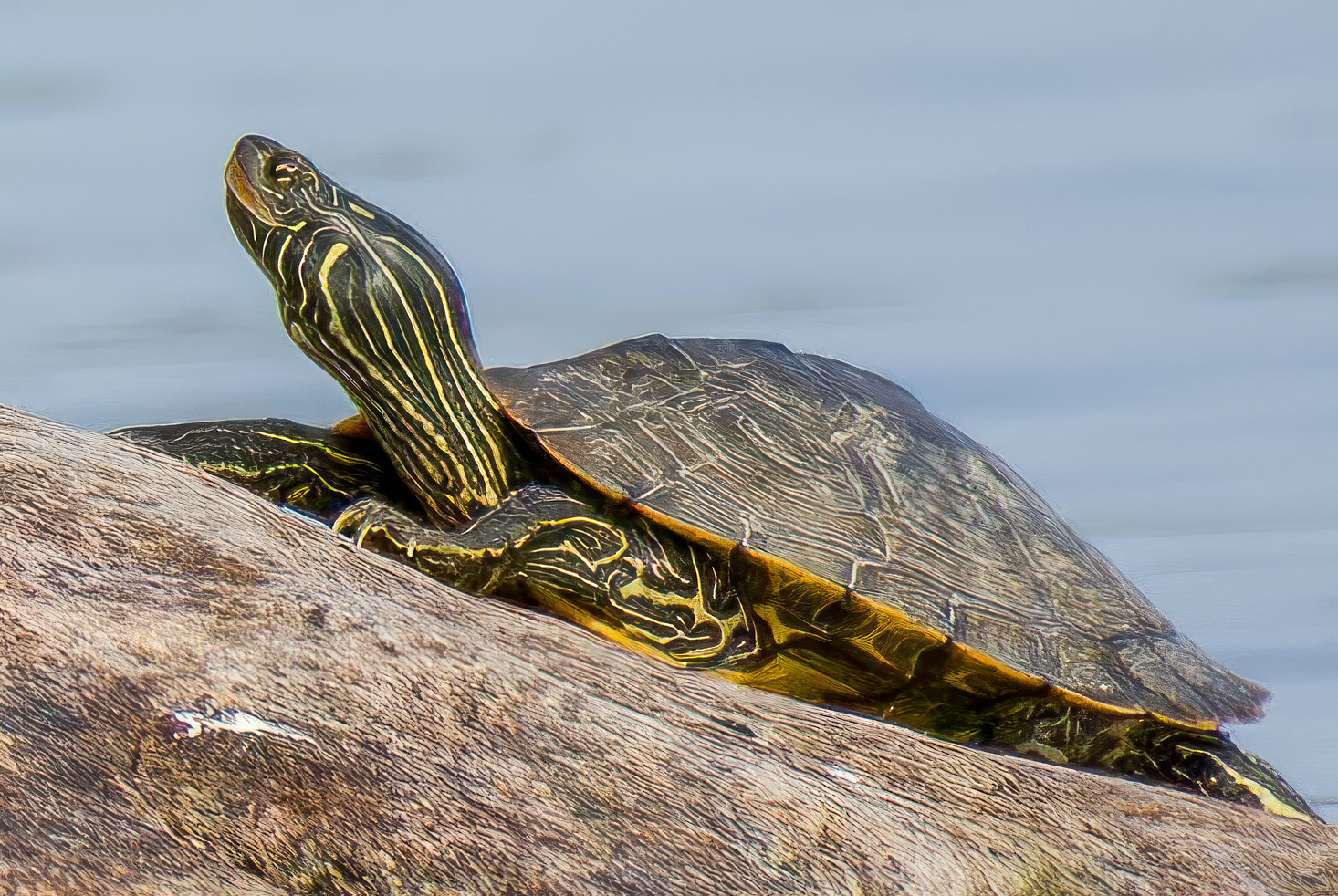
<p>Graptemys geographica</p><p>lakes and rivers only</p><p>dorsal keel</p><p>rare</p>
5
New cards

Wood Turtle

Glyptemys insculpta

riparian woodlands

hibernates in muddy stream bottoms

omnivorous

greatest conservation concern

<p>Glyptemys insculpta</p><p>riparian woodlands</p><p>hibernates in muddy stream bottoms</p><p>omnivorous</p><p>greatest conservation concern</p>
6
New cards

Spotted Turtle

Clemmys guttata

S1 - high risk of local extirpation

wetland generalist

<p>Clemmys guttata</p><p>S1 - high risk of local extirpation</p><p>wetland generalist</p>
7
New cards

Spiny Softshell

Apalone spinifera

rivers

ambush predators, eats crayfish & insects

nests on sandy beaches

state threatened

<p>Apalone spinifera</p><p>rivers</p><p>ambush predators, eats crayfish &amp; insects</p><p>nests on sandy beaches</p><p>state threatened</p>
8
New cards

DeKay’s Brownsnake

Storeria dekayi

eats slugs, earthworms, snails, tree frogs, tiny toads

Champlain Valley only

<p>Storeria dekayi</p><p>eats slugs, earthworms, snails, tree frogs, tiny toads</p><p>Champlain Valley only</p>
9
New cards

Common Watersnake

Nerodia sipedon

frequent basker, good tree climber

eats small fish, frogs, tadpoles, salamanders, small mammals

Champlain Basin, Western VT
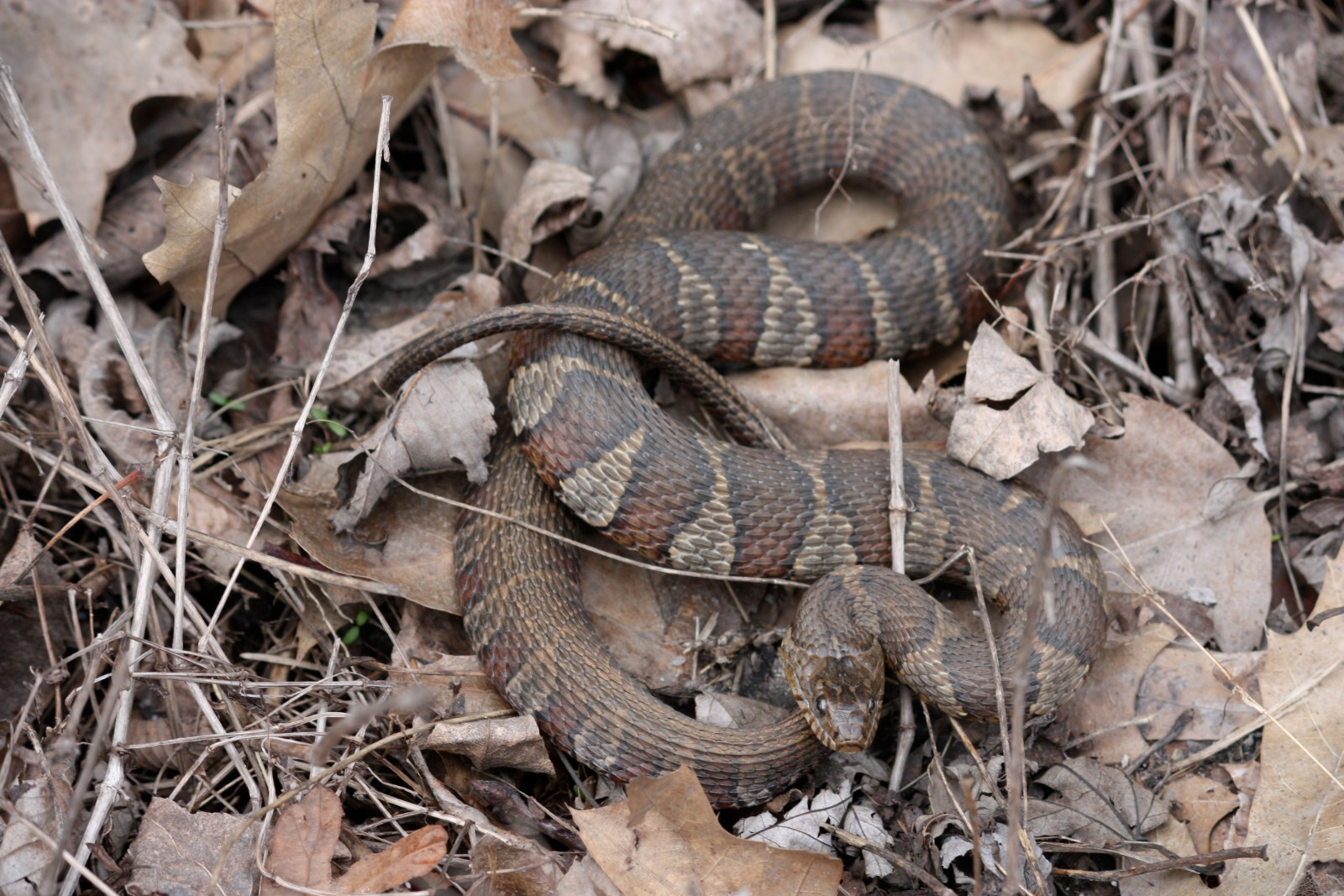
<p>Nerodia sipedon</p><p>frequent basker, good tree climber</p><p>eats small fish, frogs, tadpoles, salamanders, small mammals</p><p>Champlain Basin, Western VT</p>
10
New cards

Eastern Ribbonsnake

Thamnophis saurita

S2 - rare

species of greatest conservation need

<p>Thamnophis saurita</p><p>S2 - rare</p><p>species of greatest conservation need</p>
11
New cards

American Toad

Anaxyrus americanus

Bufonidae family

breeds in small pools

habitat generalist, widespread

eats insects, slugs, & worms

paratoid gland secretes toxins
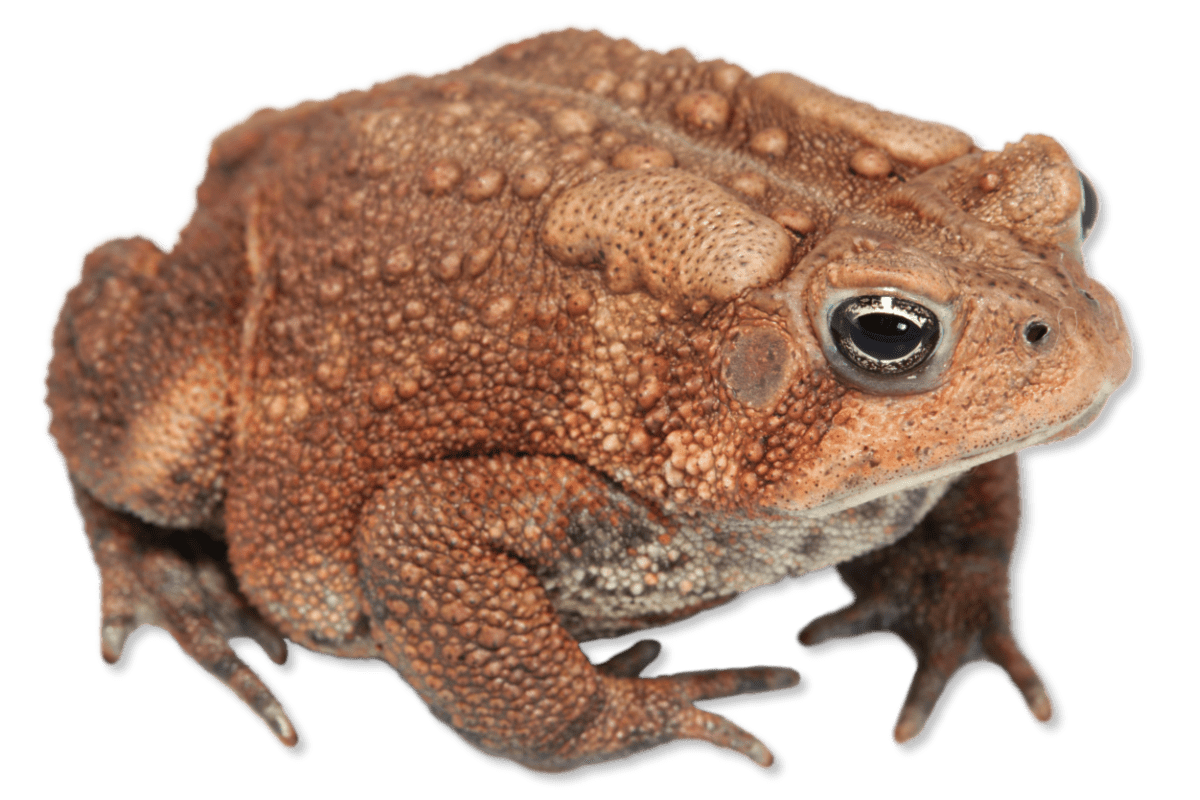
<p>Anaxyrus americanus</p><p>Bufonidae family</p><p>breeds in small pools</p><p>habitat generalist, widespread</p><p>eats insects, slugs, &amp; worms</p><p>paratoid gland secretes toxins</p>
12
New cards

Fowler’s Toad

Anaxyrus fowleri

Bufonidae family

3 warted spots, different call from American Toad

limited to CT valley in Vermont

<p>Anaxyrus fowleri</p><p>Bufonidae family</p><p>3 warted spots, different call from American Toad</p><p>limited to CT valley in Vermont</p>
13
New cards

Spring Peeper

Pseudacris crucifer

Hylidae family

tiny and tan, x on back

wetland generalist, avoids areas with fish

eats terrestrial prey such as ants, ticks, & caterpillars
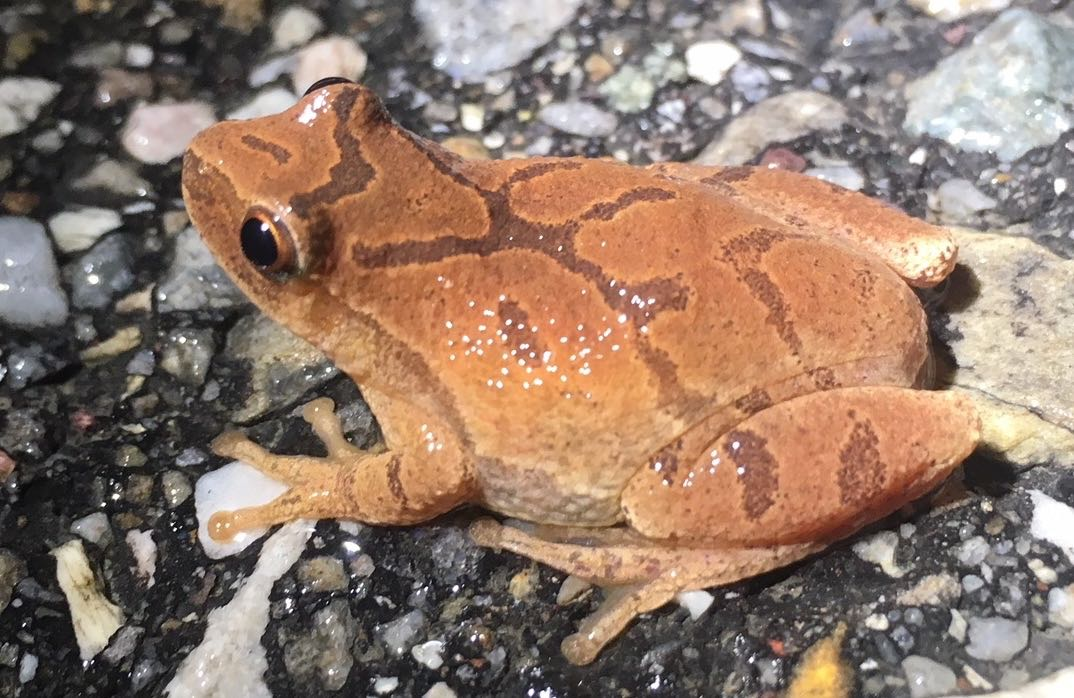
<p>Pseudacris crucifer</p><p>Hylidae family</p><p>tiny and tan, x on back</p><p>wetland generalist, avoids areas with fish</p><p>eats terrestrial prey such as ants, ticks, &amp; caterpillars</p>
14
New cards

Grey Treefrog

Dryophytes versicolor

Hylidae family

moist & warty, grey green

tetraploid - 4 sets of chromosomes

eats insects, snails, & spiders

<p>Dryophytes versicolor</p><p>Hylidae family</p><p>moist &amp; warty, grey green</p><p>tetraploid - 4 sets of chromosomes</p><p>eats insects, snails, &amp; spiders</p>
15
New cards

Boreal Chorus Frog

Pseudocris maculata

Hylidae family

S1 - very rare

species of greatest conservation need

small marshes, wet meadows, riverine forests, swamps

<p>Pseudocris maculata</p><p>Hylidae family</p><p>S1 - very rare</p><p>species of greatest conservation need</p><p>small marshes, wet meadows, riverine forests, swamps</p>
16
New cards

American Bullfrog

Lithobates catesbianus

Ranidae family

no dorsolateral line, largest North American frog, common in VT

lives in permanent wetlands

stays in tadpole phase 2-3 years

eats smaller frogs, fish, macroinvertes

<p>Lithobates catesbianus</p><p>Ranidae family</p><p>no dorsolateral line, largest North American frog, common in VT</p><p>lives in permanent wetlands</p><p>stays in tadpole phase 2-3 years</p><p>eats smaller frogs, fish, macroinvertes</p>
17
New cards

North American Green Frog

Lithobates clamitans

Ranidae family

has dorsolateral lines and thick legs

permanent wetlands

tadpole phase for 1 year

eats insects, smaller frogs, & crayfish

<p>Lithobates clamitans</p><p>Ranidae family</p><p>has dorsolateral lines and thick legs</p><p>permanent wetlands</p><p>tadpole phase for 1 year</p><p>eats insects, smaller frogs, &amp; crayfish</p>
18
New cards

Northern Leopard Frog

Lithobates pipiens

Ranidae family

permanent water for overwintering

floodplains/marshes for breeding

wet meadow/fields for foraging

move large distances

eats beetles, snails, slugs, & earthworms

S4 - widespread with low high-quality occurances or restricted total area

<p>Lithobates pipiens</p><p>Ranidae family</p><p>permanent water for overwintering</p><p>floodplains/marshes for breeding</p><p>wet meadow/fields for foraging</p><p>move large distances</p><p>eats beetles, snails, slugs, &amp; earthworms</p><p>S4 - widespread with low high-quality occurances or restricted total area</p>
19
New cards

Pickeral Frog

Lithobates palustris

Ranidae family

similar to Leopard frog but with square & paired spots

<p>Lithobates palustris</p><p>Ranidae family</p><p>similar to Leopard frog but with square &amp; paired spots</p>
20
New cards

Mink Frog

Lithobates septentrionalis

Ranidae family

green with dark markings, musks when handled

cold water ponds & lakes

eats aquatic insects

S3 - vulnerable/uncommon

<p>Lithobates septentrionalis</p><p>Ranidae family</p><p>green with dark markings, musks when handled</p><p>cold water ponds &amp; lakes</p><p>eats aquatic insects</p><p>S3 - vulnerable/uncommon</p>
21
New cards

Wood Frog

Lithobates sylvatica

Ranidae family

brown with black mask

vernal pool specialist

adults spend much time away from water
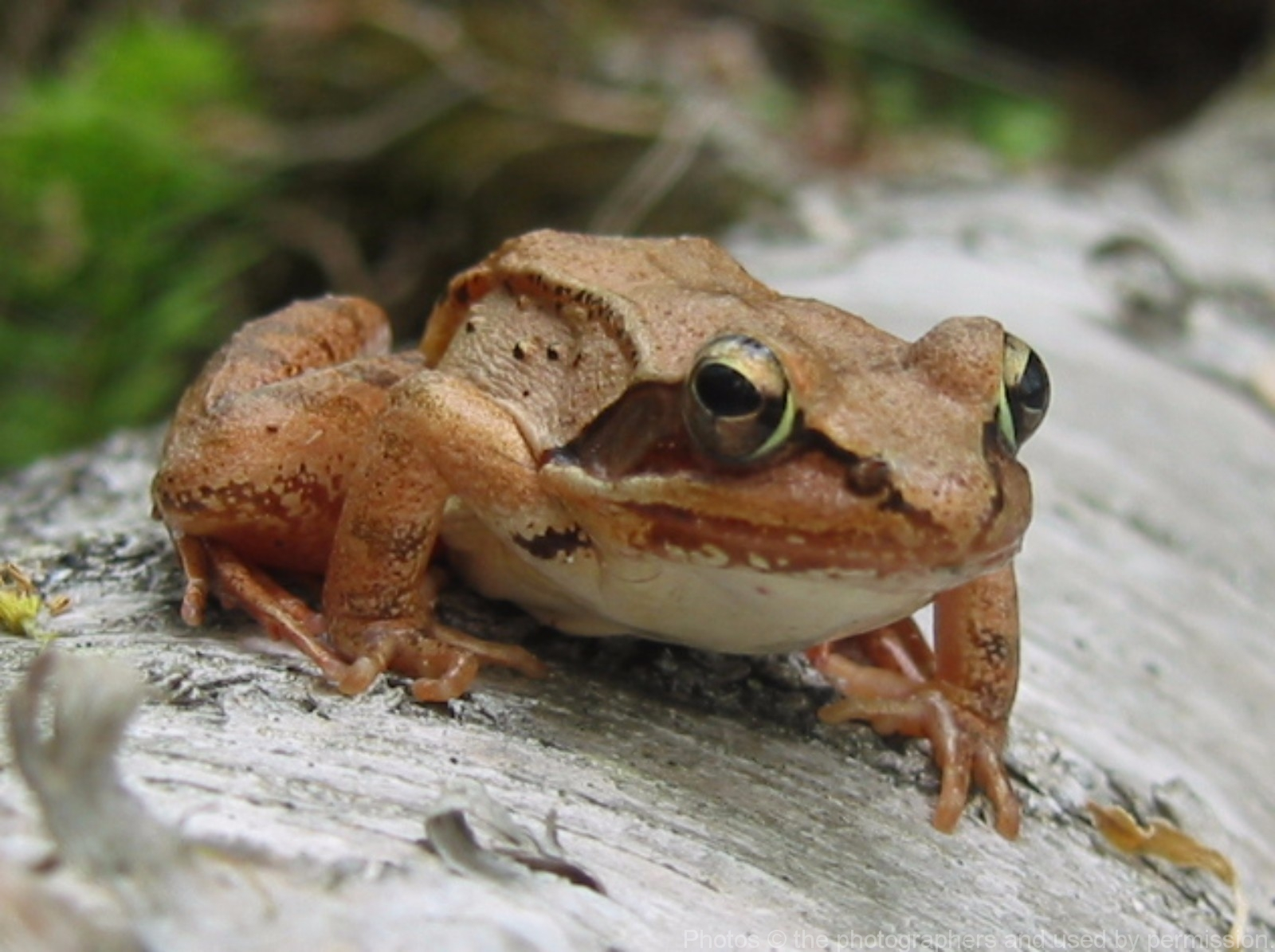
<p>Lithobates sylvatica</p><p>Ranidae family</p><p>brown with black mask</p><p>vernal pool specialist</p><p>adults spend much time away from water</p>
22
New cards

Mudpuppy

Necturus maculosus

Proteidae family

eggs laid in fall, hatch in spring, guarded by females

eat fish, crayfish, insects, & mollusks

sensitive to TMF (lampricide)

S2 - rare

greatest conservation need
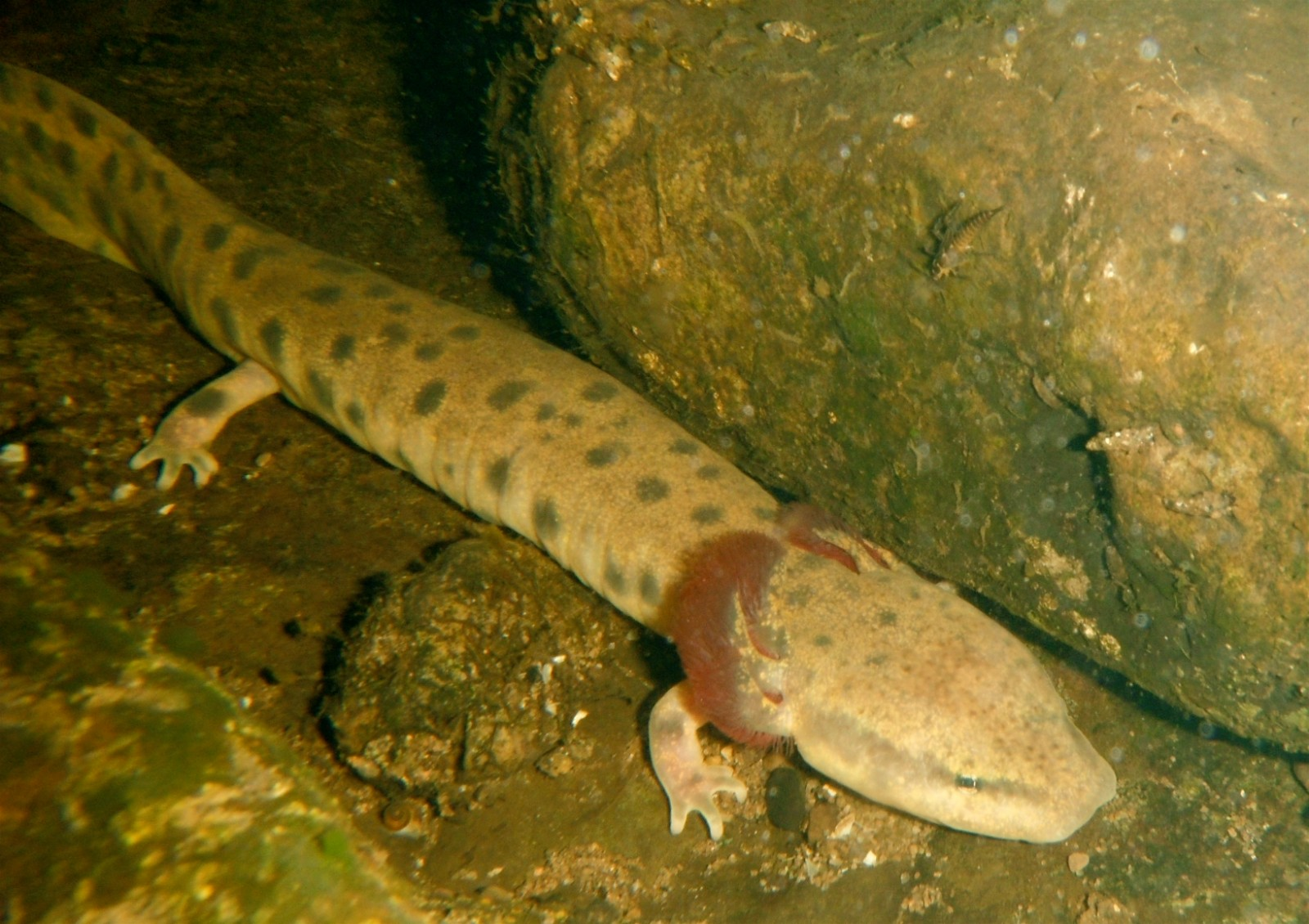
<p>Necturus maculosus</p><p>Proteidae family</p><p>eggs laid in fall, hatch in spring, guarded by females</p><p>eat fish, crayfish, insects, &amp; mollusks</p><p>sensitive to TMF (lampricide)</p><p>S2 - rare</p><p>greatest conservation need</p>
23
New cards

Spotted Salamander

Ambystoma maculatum

Ambystomidae family

deciduous forests & floodplains

larvae transform at 60 days and move to the woods

common, but a species of greatest conservation need due to a relative lack of protection for habitat

<p>Ambystoma maculatum</p><p>Ambystomidae family</p><p>deciduous forests &amp; floodplains</p><p>larvae transform at 60 days and move to the woods</p><p>common, but a species of greatest conservation need due to a relative lack of protection for habitat</p>
24
New cards

Blue-spotted Salamander

Ambystoma laterale

Ambystomidae family

deciduous forests, floodplains, forested wetlands, shrub swamps

hybridizes with Jefferson

S3 - uncommon

<p>Ambystoma laterale</p><p>Ambystomidae family</p><p>deciduous forests, floodplains, forested wetlands, shrub swamps</p><p>hybridizes with Jefferson</p><p>S3 - uncommon</p>
25
New cards

Jefferson Salamander

Ambystoma jeffersonianum

Ambystomidae family

lead grey to brown

low to hilly areas

species of greatest conservation need
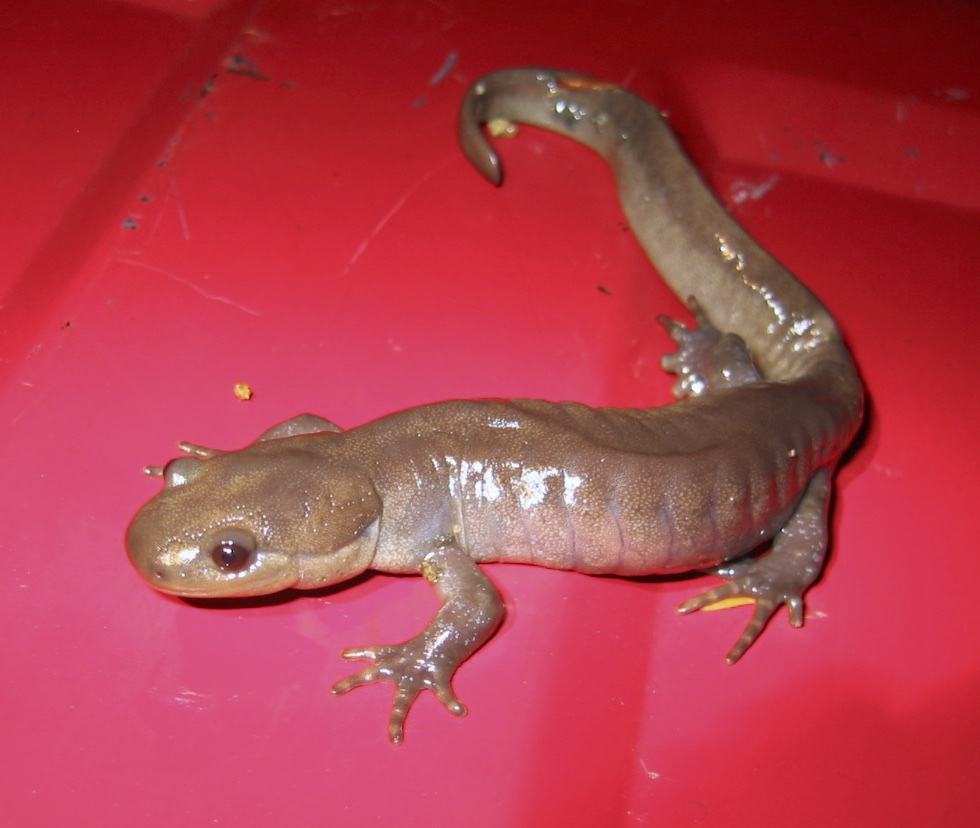
<p>Ambystoma jeffersonianum</p><p>Ambystomidae family</p><p>lead grey to brown</p><p>low to hilly areas</p><p>species of greatest conservation need</p>
26
New cards

Marbled Salamander

Ambystoma opacum

Ambystomidae family

floodplain forests

breed in fall in dry vernal pools, females guard until flooded

not documented in VT

<p>Ambystoma opacum</p><p>Ambystomidae family</p><p>floodplain forests</p><p>breed in fall in dry vernal pools, females guard until flooded</p><p>not documented in VT</p>
27
New cards

Eastern Newt

Notophthalamus viridescens

Salamadridae family

rough skin, poison glands, no costal grooves, not smooth or slimy

terrestrial eft stage for 2-7 years in damp woodlands, good dispersers

permanent ponds, beaver ponds, edges of lakes

common & widespread
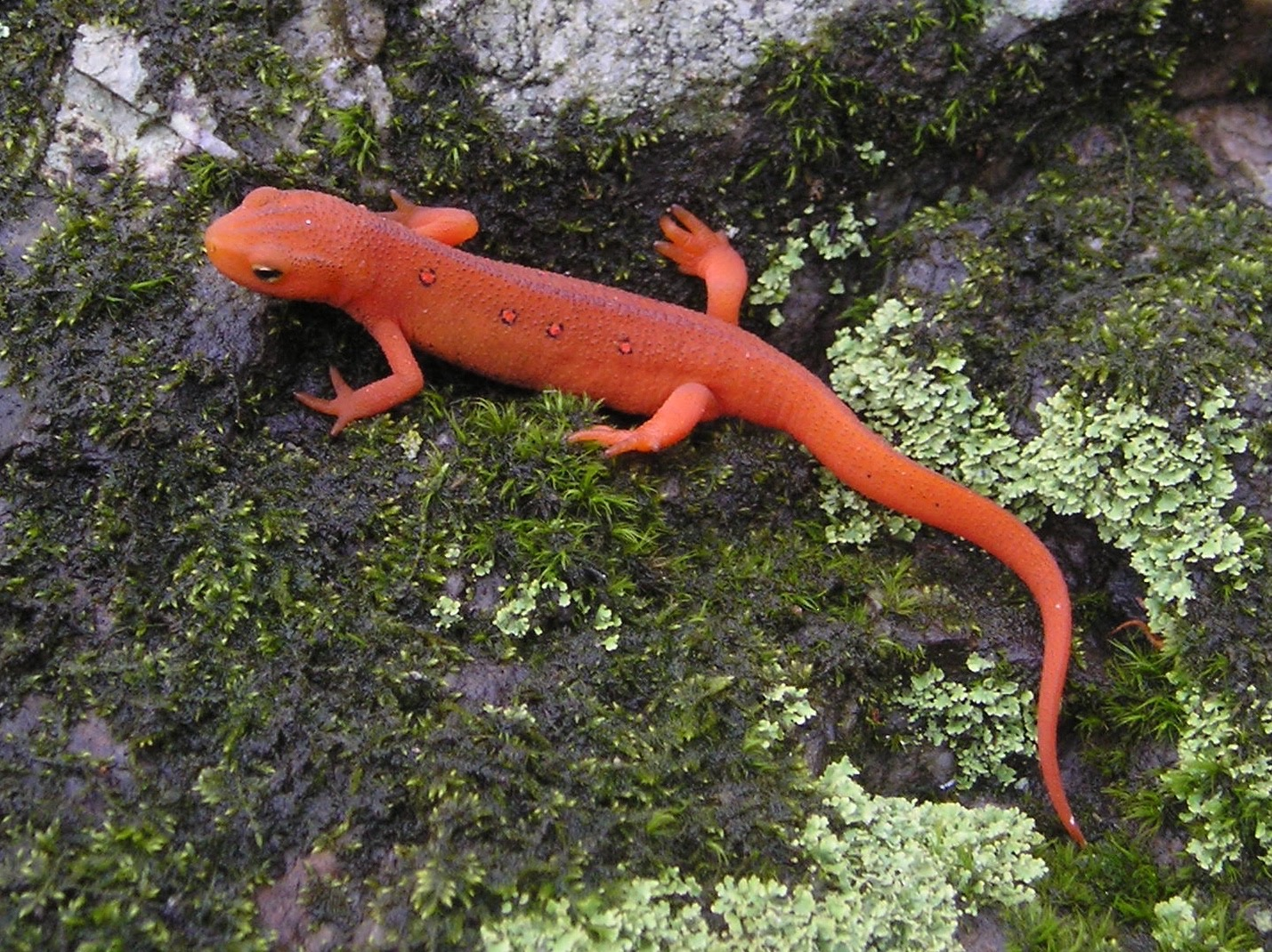
<p>Notophthalamus viridescens</p><p>Salamadridae family</p><p>rough skin, poison glands, no costal grooves, not smooth or slimy</p><p>terrestrial eft stage for 2-7 years in damp woodlands, good dispersers</p><p>permanent ponds, beaver ponds, edges of lakes</p><p>common &amp; widespread</p>
28
New cards

Northern Dusky

Desmognathus fuscus

Plethodontidae family

lay eggs in summer, females guard them

common

<p>Desmognathus fuscus</p><p>Plethodontidae family</p><p>lay eggs in summer, females guard them</p><p>common</p>
29
New cards

Northern Two-lined Salamander

Eurycea bislineata

Plethodontidae family

damp alkaline woods

larvae spend 2 years in the water before transforming

widely distribute

<p>Eurycea bislineata</p><p>Plethodontidae family</p><p>damp alkaline woods</p><p>larvae spend 2 years in the water before transforming</p><p>widely distribute</p>
30
New cards

Spring Salamander

Grynophilous porphyriticus

Plethodontidae family

damp woodlands near mountain streams - high oxygen

3-4 year larval stage

adults feed on land & water

S4 - widespread with low high-quality occurances or restricted total area

<p>Grynophilous porphyriticus</p><p>Plethodontidae family</p><p>damp woodlands near mountain streams - high oxygen</p><p>3-4 year larval stage</p><p>adults feed on land &amp; water</p><p>S4 - widespread with low high-quality occurances or restricted total area</p>
31
New cards

Four-toed Salamander

Hemidactylium scutatum

Plethodontidae family

boggy woodland swamps

S3 - vulnurable/uncommon

<p>Hemidactylium scutatum</p><p>Plethodontidae family</p><p>boggy woodland swamps</p><p>S3 - vulnurable/uncommon</p>
32
New cards

Eastern Red-backed Salamander

Plethodon cinereus

Plethodontidae family

likely most common vertebrate in NE

litter layer

completely terrestrial, adults emerge right from egg

common
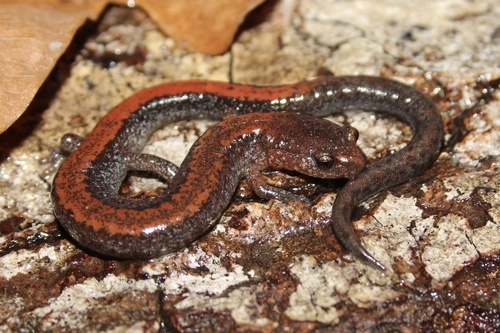
<p>Plethodon cinereus</p><p>Plethodontidae family</p><p>likely most common vertebrate in NE</p><p>litter layer</p><p>completely terrestrial, adults emerge right from egg</p><p>common</p>



