TOEFL Vocabulary (copy) (Edit by Claude)
 Call Kai
 Learn
 Practice Test
 Spaced Repetition
 Match
 Flashcards
 Knowt Play
1/836

There's no tags or description
Looks like no tags are added yet.
837 Terms
abandon
to leave or give up completely
In short: give up
Mnemonic: a + band + on: A BAND ON the bus drives away and leaves you behind, abandoned.
Example: They had to abandon the car in the snow.

ability
the skill or power to do something
In short: skill
Mnemonic: abil + ity: ABLE + ity, the state of being able.
Example: She has the ability to speak four languages.

abolish
to officially end or stop something, especially a law or system
In short: end (a law)
Mnemonic: a + bol + ish: A BOWL-ish of old rules dumped in the bin, ended for good.
Example: Many countries have abolished the death penalty.

absence
the state of being away or not present
In short: not present
Mnemonic: ab + sence: AB (away) + SENSE: you're away, so nobody senses you there.
Example: Nobody noticed his absence from the meeting.

absorb
to take in information, ideas, or substances
In short: soak up
Mnemonic: ab + sorb: AB (in) + SORB (sip): sip it all in like a sponge.
Example: A sponge absorbs water quickly.

abstract
consider (something) theoretically or separately from something else; extract or remove (something); used euphemistically to say that stolen something; (abstract oneself) withdraw.
(adj.) conceptual / theoretical
(verb) extract / remove
Example: The scientist abstracted the key data from the long report.
abundant
having a lot of something
In short: plentiful
Mnemonic: a + bun + dant: A BUN DANCE: so many buns dancing, there's plenty.
Example: Fruit is abundant in summer.

accelerate
to speed up or increase the speed of something
In short: speed up
Mnemonic: ac + celer + ate: CELER (speed, as in celerity): add speed.
Example: The car accelerated on the highway.

accessible
1. (adj.) (of a place) able to be reached or entered.
2. (adj.) (of a person, especially one in a position of authority) friendly and easy to talk to; approachable.
Example: The new library is accessible to people in wheelchairs.

accommodate
to make room for something or someone, or to adjust to fit a need or condition
In short: make room / adjust
Mnemonic: ac + commod + ate: A COMMODE-ATE: the hotel makes room for you, even a commode.
Example: The hotel can accommodate 200 guests.

accompany
to go with someone or to be provided or exist at the same time as something
In short: go with
Mnemonic: ac + company: keep someone COMPANY, go with them.
Example: My mother will accompany me to the doctor.

accumulate
(v.) to increase in number or amount; to pile up, collect, or gather
(v.) to increase
Example: Dust accumulates quickly under the bed.

accurate
correct and precise
In short: exact
Mnemonic: ac + cur + ate: A CURE that is exactly right: precise.
Example: The weather report was accurate today.

accustomed to
being familiar with something and accepting it as normal
In short: used to
Mnemonic: ac + custom + ed: your CUSTOM, a habit you're used to.
Example: I am accustomed to waking up early.

achieve
to reach a goal or complete something successfully
In short: reach a goal
Mnemonic: a + chieve: A CHIEF: work hard and you achieve becoming the chief.
Example: She worked hard to achieve her dream.

acknowledge
to accept that something is true or exists, or to show appreciation or recognition
In short: admit / recognize
Mnemonic: ac + knowledge: show your KNOWLEDGE that it's true; admit it.
Example: He acknowledged his mistake and said sorry.
acquire
to get or gain something, often through learning or experience
In short: get / gain
Mnemonic: ac + quire: A CHOIR: join a choir and you acquire a trained voice.
Example: She acquired a new skill this summer.

active
doing things, not just sitting and waiting, often involving physical movement
In short: doing things
Mnemonic: act + ive: ACT-ive: always acting, always doing.
Example: My grandfather is still very active at 80.

adaptation
a change or adjustment to fit new conditions or needs
In short: adjustment
Mnemonic: adapt + ation: ADAPT like an adapter plug: change to fit.
Example: Thick fur is an adaptation to cold weather.

adept
(adj.) Skilled; expert at
Example: She is adept at solving difficult math problems.

adequate
(adj.) enough, sufficient
Example: We had adequate food for the whole trip.

adhere to
to stick to or follow closely (a plan, rules, etc.)
In short: stick to
Mnemonic: ad + here: ADD HERE: glue it here and stick to it.
Example: All students must adhere to the school rules.

adjacent
next to or near something
In short: next to
Mnemonic: ad + jacent: AD + JASON: Jason sits right next to you.
Example: The park is adjacent to my house.

adjust
to change something slightly
In short: change slightly
Mnemonic: ad + just: ADD JUST a little: a small tweak.
Example: Please adjust your seat before driving.

adopt
to take up or start to use something new
In short: take up
Mnemonic: a + dopt: ADD + OPT: opt to add it to your life, take it up.
Example: The school adopted a new uniform policy.

advantageous
providing a benefit or leading to a better situation
In short: beneficial
Mnemonic: advantage + ous: full of ADVANTAGE, beneficial.
Example: Speaking English is advantageous for this job.

advent
the arrival or beginning of something important or impressive
In short: arrival
Mnemonic: ad + vent: AD (to) + VENT (come): the coming, the arrival.
Example: The advent of smartphones changed our lives.

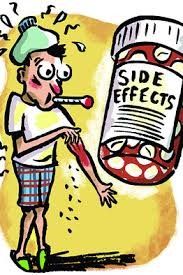
adverse
preventing success or development; harmful; unfavourable.
(adj.) harmful
Example: The medicine had no adverse effects.
advise
to give someone suggestions about the best course of action
In short: suggest
Mnemonic: ad + vise: ADD + VISE (view): add your view, tell them what to do.
Example: The doctor advised me to rest.

advocate
noun: supporter, ally
Example: He is a strong advocate of free education.

aesthetic
(adj.) relating to beauty
Example: The room has a calm, simple aesthetic.

affect
(1) pretend; fake;feign (2) influence, affect
(Verb) Pretend / Feign
(Verb) Influence
Example: Lack of sleep can affect your test score.

agent
a person or thing that takes an active role or produces a certain effect
In short: cause / doer
Mnemonic: a + gent: A GENTleman who acts and gets things done.
Example: Water is the main agent of erosion.

aggregate
a total amount or value made up of smaller parts added together
In short: total
Mnemonic: ag + gre + gate: A GREAT GATE that gathers everything into one total.
Example: The aggregate score of the team was 250.

aggression
behavior intended to harm or upset, or forceful action
In short: attack behavior
Mnemonic: ag + gress + ion: GRR + GRESS (step): growling and stepping in to attack.
Example: The dog showed aggression toward strangers.

agitate
to disturb, upset, or excite someone or something
In short: disturb / stir up
Mnemonic: agi + tate: AGI-TATE sounds like JIGGLE-ate: shake it up, disturb.
Example: The news agitated the workers.

alienate
make (someone) feel isolated or estranged.
(verb) isolate / drive away / estrange
Mnemonic:
ALIENATE → make someone feel like an ALIEN → make them feel isolated or disconnected.
Example: His rude jokes alienated his classmates.

alleviate
(verb) to relieve, make more bearable
syn: lesson, lighten, allay, mitigate, assuage
(verb) lessen the intensity or severity of something negative
(verb) lighten
Example: This medicine will alleviate your headache.

allocate
to set aside or distribute for a specific purpose
In short: distribute
Mnemonic: al + locate: ALL + LOCATE: locate a share for all.
Example: The school allocated money for new books.

alter
to change or modify something
In short: change
Mnemonic: al + ter: ALL + TURN: turn it all a little, change it.
Example: The tailor altered my jeans.

alternative
a different choice or option that can be used instead of something else
In short: other option
Mnemonic: alter + native: ALTER + NATIVE: the other native road, another option.
Example: We need an alternative plan if it rains.

altitude
how high something is above the ground or above sea level
In short: height
Mnemonic: alti + tude: ALTI (high) + TUDE: how high up.
Example: The plane flew at a high altitude.

amateur
someone who is not a professional in a particular field
In short: non-professional
Mnemonic: ama + teur: AMA (love, as in amour): does it for love, not money.
Example: He is an amateur photographer, not a professional.

ambiguous
having more than one possible meaning, which can cause confusion
In short: unclear
Mnemonic: ambi + guous: AMBI (both) + GUESS: you can guess both meanings.
Example: The question was ambiguous, so many students got it wrong.

ambitious
having a strong desire to achieve something important
In short: driven
Mnemonic: ambi + tious: AIM BIG + tious: aims big for success.
Example: She is ambitious and wants to become a CEO.

ambivalent
having mixed feelings or contradictory ideas about something or someone
In short: mixed feelings
Mnemonic: ambi + valent: AMBI (both) + VALENT (value): you value both sides, mixed feelings.
Example: I am ambivalent about moving to a new city.

amend
(verb) to make changes to improve, correct, or modify something, especially a document, law, or statement.
(verb) modify / revise / correct
(verb) correct
Example: The government amended the law to protect workers.

ample
(adj.) enough or more than enough
Example: There is ample time to finish the test.

amplify
render larger, more extended, or more intense.
to increase, strengthen, or make something more noticeable/intense.
(verb) intensify
Example: The speakers amplify the singer's voice.

analogy
a comparison between two things to show how they are similar in some way
In short: comparison
Mnemonic: ana + logy: AN ALLY-logy: one thing is an ally (match) of another, a comparison.
Example: The teacher used an analogy to explain the heart as a pump.

analyze
to carefully study something in order to understand it better
In short: examine
Mnemonic: ana + lyze: ANA + LYSE (break apart): break it apart to study it.
Example: Scientists analyze the water samples.

ancient
very old or from a long time ago
In short: very old
Mnemonic: an + cient: ANCE-stors: from your ancestors' time.
Example: We visited ancient temples in Egypt.

annual
happening once every year
In short: yearly
Mnemonic: ann + ual: ANNU (year), as in per annum: once a year.
Example: The school holds an annual sports day.

anomaly
noun: abnormality, irregularity
noun: something different from usual pattern
Example: A cold day in July is an anomaly here.

antagonize
(verb) cause (someone) to become hostile or alienated.
(verb) make someone hostile
provoke / anger / make hostile / alienate
(verb) provoke
Mnemonic:
ANTAGONIST = enemy → ANTAGONIZE = make someone your enemy.
Example: Don't antagonize the dog by pulling its tail.

anticipate
to expect or predict something that will happen in the future
In short: expect
Mnemonic: anti + cipate: ANTE (before) + CIPATE (take): take it in before it happens.
Example: We anticipate heavy traffic this evening.

apparatus
a set of equipment or tools used for a specific purpose
In short: equipment
Mnemonic: appa + ratus: A PAIR OF RATS used in the lab equipment: the apparatus.
Example: The lab has modern apparatus for experiments.

apparent
easy to see or understand; clear to anyone
In short: obvious
Mnemonic: appa + rent: APPEAR-ent: it clearly appears.
Example: It was apparent that he was tired.

appeal to
to ask for something urgently; be attractive or interesting
In short: request / attract
Mnemonic: ap + peal: A PEAL of bells calls out to you: ask, attract.
Example: Bright colours appeal to children.

appearance
the way something or someone looks
In short: looks
Mnemonic: appear + ance: how you APPEAR: your looks.
Example: She changed her appearance with a new haircut.

append
to add something at the end of a document or piece of writing
In short: add at end
Mnemonic: ap + pend: AP + PEND (hang): hang it on at the end.
Example: Please append your resume to the email.

applicable
relevant or appropriate in a given situation
In short: relevant
Mnemonic: appli + cable: APPLY + CABLE: the right cable that applies here, relevant.
Example: This rule is not applicable to children.

apply
use something, like knowledge or a method, to a particular situation
In short: use
Mnemonic: ap + ply: A PLY of cream: put it to use.
Example: Apply this cream to the burn.

appreciate
to recognize the value of something
In short: value
Mnemonic: ap + preci + ate: A PRICE: see the price (value) of something.
Example: I really appreciate your help.

apprehensive
worried or fearful about what might happen
In short: worried
Mnemonic: appre + hensive: APPREHEND (arrest): worried you'll be caught.
Example: She felt apprehensive before her first exam.

approach
move closer to something or someone; a way of doing something
In short: come near / method
Mnemonic: ap + proach: A PROACH sounds like A COACH: walk up close to the coach.
Example: The cat slowly approached the bird.

appropriate
1. take (something) for one's own use, typically without the owner's permission.
2. devote (money or assets) to a special purpose.
3. suitable or proper in the circumstances.
(adj.) suitable
(verb) take
(verb) allocate
Example: He appropriated his roommate's notes without asking.
arbitrary
(adj.) based on random choice or personal whim, rather than any reason or system
(adj.) done without reason
(adj.) random
Example: The teacher's choice of winner seemed arbitrary.

argue
to give reasons for or against something; to try to make someone agree with you
In short: reason / dispute
Mnemonic: ar + gue: R U GUilty? Two sides argue it out.
Example: Scientists argue that the climate is changing fast.

arid
(adj.) very dry
Example: Very few plants grow in arid deserts.

articulate
(adj.) able to use language effectively; expressed clearly and forcefully
(adj.) able to express ideas clearly
Example: She gave an articulate answer to the hard question.

artificial
made by humans, not natural
In short: man-made
Mnemonic: arti + ficial: ART + OFFICIAL: made by art (humans), not nature.
Example: These flowers are artificial, not real.

ascertain
(verb) find (something) out for certain; make sure of.
to find out or determine something with certainty.
(verb) determine / find out / establish
Example: The police tried to ascertain who broke the window.

aspect
a part or feature of something
In short: feature / part
Mnemonic: a + spect: A + SPECT (look): one way to look at it, one part.
Example: Cost is one aspect of the decision.

assemble
to bring or gather things together into a single group or place
In short: gather / put together
Mnemonic: as + semble: AS + SEMBLE (together): bring together into one.
Example: We assembled the new table ourselves.

assert
to state something confidently and forcefully
In short: state firmly
Mnemonic: as + sert: A + SURE-T: say it with sureness.
Example: He asserted that he was innocent.

assessment
the act of evaluating or judging the quality, importance, or value of something
In short: evaluation
Mnemonic: as + sess + ment: A SESSion of judging: an evaluation.
Example: The teacher's assessment of my essay was positive.

assign
to give a task or responsibility to someone
In short: give a task
Mnemonic: as + sign: A SIGN: sign the task over to someone.
Example: The teacher assigned homework for the weekend.

assist
to help someone with a task
In short: help
Mnemonic: as + sist: AS + SISTer: your sister helps you.
Example: Nurses assist doctors during surgery.

associated
connected to or related to
In short: connected
Mnemonic: as + soci + ated: SOCI (companion, as in social): linked together.
Example: Smoking is associated with lung disease.

assumption
a belief or idea that you accept as true without proof or evidence
In short: belief without proof
Mnemonic: as + sump + tion: ASS-U-ME: believed without proof.
Example: Don't make assumptions about people.

attitude
the way you think and feel about something
In short: outlook
Mnemonic: atti + tude: AT-TUDE: your mood toward things.
Example: She has a positive attitude toward learning.

attract
to draw someone or something closer
In short: draw in
Mnemonic: at + tract: AT + TRACT (pull, as in tractor): pull toward.
Example: Flowers attract bees.

attribute
1. a quality or feature regarded as a characteristic or inherent part of someone or something.
2. regard something as being caused by someone or something.
(noun) a quality or characteristic
(verb) regard something as being caused by something; credit something to a cause/person
(noun) characteristic
(verb) credit / ascribe
Example: Patience is her best attribute.
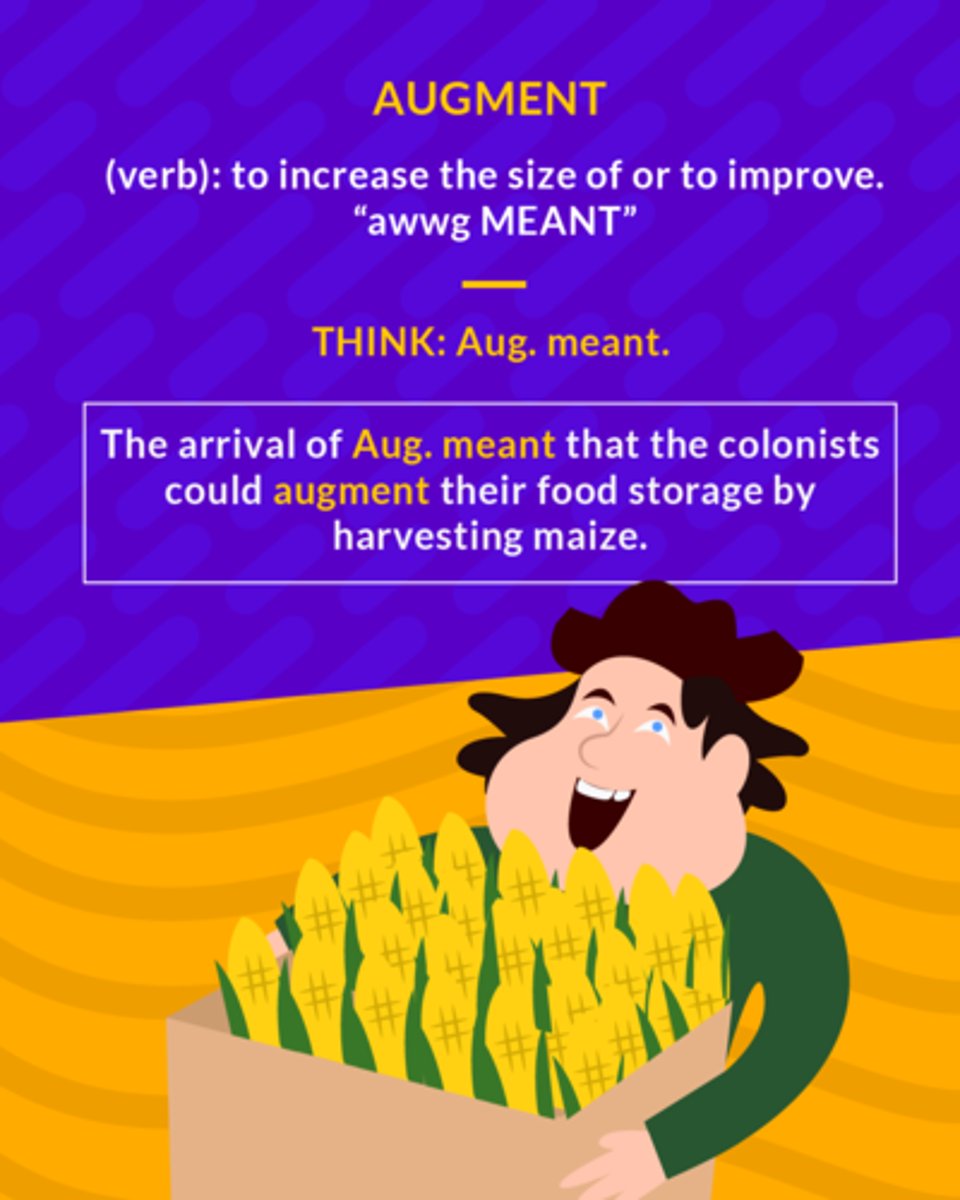
augment
(v.) to make larger, increase
(v.) to increase
Example: He took a part-time job to augment his income.
authority
the power to make decisions or control people and things
In short: power
Mnemonic: author + ity: AUTHOR: the author has power over the story.
Example: The police have the authority to stop cars.

autonomy
the ability to make your own decisions; freedom
In short: self-rule
Mnemonic: auto + nomy: AUTO (self) + NOMY (law): self-rule.
Example: Teenagers want more autonomy from their parents.

available
ready for use or able to be used
In short: ready to use
Mnemonic: a + vail + able: AVAIL-ABLE: you can avail it now.
Example: The book is available in the library.

balance
a state where different things occur in equal or proper amounts or importance
In short: equal state
Mnemonic: bal + ance: BALL + ANCE: equal balls on both sides of a scale.
Example: Try to balance work and rest.

basic
simple and fundamental; forming the base or starting point
In short: fundamental
Mnemonic: bas + ic: BASE + ic: the base level.
Example: Learn the basic rules before you play.

belie
to give a false impression of something
In short: misrepresent
Mnemonic: be + lie: BE + LIE: it tells a lie about the truth.
Example: His smile belied his sadness.

beneficial
helpful or advantageous; producing good results or effects
In short: helpful
Mnemonic: bene + ficial: BENE (good) + FIC (make): makes good things.
Example: Exercise is beneficial to your health.

bestow
to give as a gift or honor
In short: give (honor)
Mnemonic: be + stow: BEST + STOW: place your best gift in someone's hands.
Example: The king bestowed an award on the hero.

bias
a preference or opinion that unfairly affects a person's judgment or decision-making
In short: unfair preference
Mnemonic: bi + as: BI (two) + ASide: two sides, but you lean to one unfairly.
Example: The judge must not show bias.

bland
lacking strong features or characteristics; uninteresting
In short: dull
Mnemonic: b + land: B-LAND: a boring land with no flavour.
Example: The soup was bland without salt.

bolster
(verb) support or strengthen.
(verb) support / strengthen / reinforce
Example: Good grades bolstered her confidence.
bond
a strong connection or relationship between people or things
In short: connection
Mnemonic: b + ond: BOND sounds like BOUND: bound together.
Example: There is a strong bond between the twins.

boost
to increase or improve something
In short: increase
Mnemonic: boo + st: BOO-ST: the crowd's roar boosts you up.
Example: The good news boosted her mood.

boundary
a limit or border that separates one area, region, or thing from another
In short: limit
Mnemonic: bound + ary: BOUND + ARY: where things are bound, the edge.
Example: The river forms the boundary between the two states.

brief
short in time, duration, or length
In short: short
Mnemonic: b + rief: BRIEF-case for short notes: short.
Example: He gave a brief speech.
