Water and Wastewater Treatment: Sources, Characteristics, and Processes
 Call Kai
 Learn
 Practice Test
 Spaced Repetition
 Match
 Flashcards
 Knowt Play
1/54

There's no tags or description
Looks like no tags are added yet.
55 Terms
What is wastewater?
Water that has been affected by human use, including water from toilets, sinks, showers, and industry.
What are the main sources of wastewater?
Domestic (toilets, kitchens), commercial (restaurants, hotels), industrial (food processing, chemicals), and infiltration/inflow (stormwater, groundwater).
What are the key goals of wastewater treatment?
To produce clean effluent, stabilize sludge, and recover resources like nutrients and energy.
What does BOD stand for in wastewater treatment?
Biochemical Oxygen Demand, a measure of the amount of oxygen required to decompose organic matter in water.

What does TSS stand for?
Total Suspended Solids, which are solids that can be removed by filtration.
What is the significance of untreated wastewater?
It can spread disease, harm ecosystems, and contains valuable resources.
What are the physical characteristics of wastewater?
Includes total solids, temperature, odor, and color.
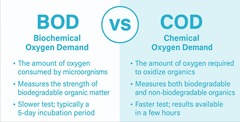
What is the difference between BOD and COD?
BOD measures biodegradable organic matter, while COD measures total oxygen needed to oxidize all organic matter.
What is the typical pH range for wastewater?
6.5 to 8.5, which affects microbial survival.
What are the environmental impacts of untreated wastewater?
Oxygen depletion, algal blooms, pathogen spread, and accumulation of heavy metals.

How is wastewater collected and transported?
Through a network of pipes and pump stations, primarily using gravity flow.

What is the role of pump stations in wastewater transport?
To move wastewater from low-lying areas over hills to treatment plants when gravity flow is insufficient.
What are typical discharge quality guidelines in New Zealand?
BOD < 20-50 mg/L, TSS < 30 mg/L, pH 6-9, NH₄⁺ < 10 mg/L, and faecal coliforms < 1,000 CFU/100 mL.
What is the importance of resource recovery in wastewater treatment?
It supports sustainability by recovering nutrients, fresh water, and energy from wastewater.
What are the characteristics of domestic wastewater?
High in BOD, nutrients, and pathogens with a relatively consistent composition.
What is the significance of temperature in wastewater treatment?
It affects microbial activity and oxygen solubility.
What are settleable solids?
Solids that sink during sedimentation in wastewater treatment.
What is the COD/BOD ratio typically found in wastewater?
Approximately 1.5 to 2.
What is the impact of nutrients like nitrogen and phosphorus in wastewater?
They can cause eutrophication and algal blooms in water bodies.
What is the role of wastewater treatment in environmental engineering?
To protect public health and the environment by treating wastewater before discharge.
What are the types of solids found in wastewater?
Total solids (TS), total suspended solids (TSS), and total dissolved solids (TDS).
What is the goal of producing stabilized sludge?
To kill pathogens and prevent odor problems, allowing it to be used as fertilizer.
What is the impact of high solids concentration in wastewater?
It can lead to sludge accumulation and treatment issues.
What are the main contaminants in industrial wastewater?
Variable strength, may contain toxic or non-biodegradable substances.
What is the main function of wastewater treatment plants (WWTPs)?
To treat wastewater to meet discharge standards before releasing it into the environment.
What is the significance of maintaining a flow velocity > 0.6 m/s in sewers?
To prevent solids from settling out and causing problems like odors and blockages.
What is the relationship between wastewater treatment and public health?
Effective treatment prevents the spread of diseases associated with untreated wastewater.
What are the main stages of wastewater treatment?
Preliminary, Primary, Secondary, Tertiary, and Sludge handling.

What is the purpose of preliminary treatment?
To remove large debris and protect downstream equipment.
What methods are used in preliminary treatment for screening?
Bar screens (manual or mechanical) and fine screens (mesh or drum).

What is grit removal in wastewater treatment?
The process of removing dense, abrasive particles like sand and gravel.

Why is grit removal important?
It prevents accumulation in pipelines and protects equipment from damage.
What is the purpose of primary treatment?
To settle out suspended solids under gravity.
What is the effectiveness of primary treatment?
Removes approximately 60% of suspended solids and 30-35% of BOD.
What is the goal of secondary treatment?
To remove dissolved and colloidal organics using microbes.
What are the main processes in secondary treatment?
Suspended growth (activated sludge systems) and attached growth (trickling filters).
What is the activated sludge process?
A process where wastewater is aerated with return sludge to oxidize organics.
What is the purpose of tertiary treatment?
To remove remaining nutrients, solids, and pathogens before discharge or reuse.
What are the key processes for nitrogen removal in tertiary treatment?
Nitrification and denitrification.
What methods are used for phosphorus removal in tertiary treatment?
Chemical precipitation and biological phosphorus removal.
What are common methods for pathogen removal in tertiary treatment?
Chlorination, UV disinfection, and ozonation.
What is the importance of sludge handling?
To stabilize, dewater, and safely dispose of or reuse the sludge.
What are the benefits of an equalization basin in preliminary treatment?
Flow equalization, waste strength equalization, and improved process reliability.

What is the role of biological treatment in secondary treatment?
To use aerobic bacteria to oxidize BOD to CO₂ and biomass.
What is a trickling filter?
An attached growth system where wastewater is distributed over a bed of media to degrade organics.

What are the limitations of trickling filters?
Lower efficiency and sensitivity to clogging.
What is the significance of effective wastewater treatment?
It protects the environment, supports water reuse, and meets regulatory discharge consents.
What is the purpose of disinfection in tertiary treatment?
To protect public health by removing pathogens before discharge or reuse.
What are the key issues related to odor control in wastewater treatment?
Hydrogen sulfide causes odor; control methods include ventilation and odor scrubbers.
What is the expected removal efficiency of suspended solids and BOD in activated sludge systems?
85-95% removal of BOD and TSS.
What is the role of carbon sources in denitrification?
They are needed for the process to convert nitrates to nitrogen gas.
What is the purpose of chemical precipitation in phosphorus removal?
To form insoluble phosphate compounds by adding aluminum or iron salts.
Why is odor control important in wastewater treatment?
To ensure social acceptance and prevent nuisance odors.
What is the role of aeration in the activated sludge process?
To provide oxygen for aerobic bacteria to oxidize organic matter.

What is the outcome of effective preliminary treatment?
Reduced equipment clogging and pump wear.