N401= Critical Alterations in Perfusion Bleeding Disorders
 Call Kai
 Learn
 Practice Test
 Spaced Repetition
 Match
 Flashcards
 Knowt Play
1/38

There's no tags or description
Looks like no tags are added yet.
39 Terms
What are bleeding disorders?
can broadly be divided into problems with platelets, coagulation factors, blood vessels, or excessive clot breakdown (fibrinolysis).
Platelet disorders- 150,000 normal, 100,000 critical, 50,000 emergency
-Thrombocytopenia- low platelets, Low platelet count
-Petechiae, purpura, mucosal bleeding= Examples: ITP, HIT, DIC, TTP
Platelet function disorders= Platelet count may be normal, but platelets don't function properly.
Hemophilia A
Coagulation Factor Disorder, Factor VIII deficiency
X-linked
Mainly affects males
↑ aPTT, normal PT
Deep tissue/joint bleeding
Hemophilia B
Coagulation Factor Disorder, Factor IX deficiency
X-linked
↑ aPTT, normal PT
Clinically similar to hemophilia A
Common symptoms of Hemophilia A and B
Easy bruising= Large or frequent bruises, Bruising after minor bumps or without a clear cause
Bleeding into joints= Pain, swelling, warmth or tightness, Difficulty bending or moving the joint, Commonly affects the knees, elbows and ankles
Muscle bleeding= Muscle pain, swelling or tightness, Tingling, numbness or difficulty moving the affected limb
Prolonged or unexplained bleeding= Frequent or hard-to-stop nosebleeds, Bleeding gums, Excessive bleeding after cuts, dental work, surgery or injections.
How do you know if a patient has Hemophilia A or B?
Symptoms alone cannot reliably distinguish the two; specific blood tests are needed
Type A is more common.
Treatment for hemophilia depends on
whether a person has Hemophilia A (low clotting factor VIII) or Hemophilia B (low clotting factor IX), as well as the severity of the condition.
Clotting factor replacement
-Hemophilia A: Factor VIII concentrate.
-Hemophilia B: Factor IX concentrate.
Given intravenously to treat bleeding or prevent it through regular prophylactic infusions.- Not cure but manage symptoms.
What is the main goal in Hemophilia patients?
to prevent bleeding, stop bleeding episodes quickly, and protect joints and muscles from long-term damage. There is no universal cure, but modern treatments can help people with _ live active lives.
What should someone with hemophilia do daily?
See a hematologist regularly for prophylactic care
Do appropriate non weight bearing/ low-impact exercise to strengthen muscles and protect joints.
Avoid aspirin and ibuprofen unless the treating clinician specifically approves them, because they can increase bleeding risk.
Tell healthcare professionals about the condition before surgery, dental procedures or starting new medication.
Avoid contact/high impact sports
Follow bleeding precautions- soft tooth brush, electric razor, trimming finger nails.
Apply ice to minor cuts/injuries
Von Willebrand Disease (vWD)
Most common inherited bleeding disorder
↓/abnormal von Willebrand factor
Impaired platelet adhesion + reduced factor VIII stability
Mucosal bleeding, easy bruising, heavy menstrual bleeding
May have ↑ aPTT
Disseminated Intravascular Coagulation (DIC)
is a life-threatening acquired disorder in which widespread activation of coagulation causes formation of micro-thrombi, followed by consumption of platelets and clotting factors, resulting in both thrombosis and bleeding.- everywhere, eyeballs, ears, catheter, IV sites.
Anything that has a hole in body is bleeding. Treat clots and bleeding
What are common causes of DIC?
Think “systemic trigger”:
-Sepsis — most common
-Major trauma
-Obstetric complications: placental abruption, amniotic fluid embolism, retained dead fetus
-Malignancy, particularly acute promyelocytic leukemia (APL)
-Severe transfusion reactions
-Shock and extensive tissue injury
Pathophysiology of DIC?
Trigger → massive coagulation activation → microvascular thrombi → consumption of platelets + clotting factors → bleeding
At the same time, fibrin formation and breakdown generate D-dimer and other fibrin-degradation products. High-yield pattern:Low platelets + prolonged PT/aPTT + low fibrinogen + very high D-dimer = think _
Clinical features of DIC?
Bleeding
Oozing from IV/needle sites
Easy bruising
Mucosal bleeding
GI/GU bleeding
Severe cases → intracranial or internal bleeding
Hypotension- bleeding out
Blood-tinged urine= Hematuria
Thrombosis/organ dysfunction
Renal injury
Respiratory failure
Neurologic abnormalities
Digital ischemia
Decreased platelet count
Elevated D-dimer
Treatment of DIC?
The most important treatment is treating the underlying cause.- what is more critical at the time.
Supportive therapy may include:
-Rapid IVF resuscitation
-Antibiotics if cause is sepsis
-Platelets for significant bleeding or very low platelet counts
-Fresh frozen plasma (FFP) for clinically significant bleeding with prolonged coagulation times
-RBC transfusion when indicated
-Heparin is generally not used for actively bleeding _, but may be considered in selected cases where thrombosis predominates.
Vitamin K Deficiency
_is required for hepatic synthesis of clotting factors II, VII, IX, and X, as well as proteins C and S.
Causes
-Newborns: low _ stores and limited intestinal bacteria → risk of _deficiency bleeding
-Malabsorption: celiac disease, inflammatory bowel disease, pancreatic/biliary disease
-Prolonged antibiotic use: reduces _–producing gut bacteria
-Poor dietary intake
-Warfarin use: inhibits _ recycling
What are Clinical features of Vitamin K deficiency?
The main manifestation is bleeding, such as:
-Easy bruising
-Nose/gum bleeding
-GI bleeding
-Hematuria
-Severe cases → intracranial or other internal bleeding
Treatment of Vitamin K deficiency?
Vitamin K (phytonadione) supplementation
Treat the underlying cause, such as malabsorption
Serious/life-threatening bleeding: vitamin K plus replacement of clotting factors and plasma depending on the situation, Teach patient to eat foods high in Vitamin K.
Thrombocytopenia
means a platelet count (less than) <150,000/µL. Platelets are essential for primary hemostasis, so low counts increase bleeding risk.
Causes — think 4 categories
↓ Production | Bone marrow failure, leukemia, chemotherapy, alcohol, B12/folate deficiency |
↑ Destruction | ITP, SLE, drug-induced thrombocytopenia, HIT |
↑ Consumption | DIC, severe infection |
Sequestration/dilution | Hypersplenism, massive transfusion |
What are clinical features of Thrombocytopenia?
Mild _ may be asymptomatic.
With more significant _:
-Petechiae
-Purpura/ecchymoses
-Epistaxis
-Gingival bleeding
-Heavy menstrual bleeding
-GI/GU bleeding
Very severe _ can cause spontaneous serious bleeding, including intracranial hemorrhage
Platlete Severity?
100–150k | Mild |
50–100k | Moderate |
<50k | Increased bleeding with trauma/procedures |
<20k | Significant risk of spontaneous bleeding |
Initial evaluation done for patients with Thrombocytopenia?
Repeat CBC/peripheral smear
Review medications, recent infections, alcohol use, pregnancy, and medical history.
Examine for hepatosplenomegaly, lymphadenopathy, and bleeding. -examine problems with any organs like spleen.
If appropriate, evaluate for DIC, hemolysis, HIV, B12/folate deficiency, etc.
Immune Thrombocytopenia (ITP)
a blood disorder in which the immune system mistakenly attacks platelets, causing the platelet count to drop.- Body attacks our platelets.
is an acquired autoimmune disorder in which antibodies and immune mechanisms cause increased platelet destruction and impaired platelet production.
Causes of ITP?
Don’t memorize different types just why its caused.
Primary: no underlying cause identified
Secondary: associated with conditions such as: HIV or hepatitis C, SLE and other autoimmune disorders, Certain medications.
In children, _ often occurs after a viral infection and may resolve spontaneously.
Medications known to cause low platelets or ITP-like reactions
Antibiotics | Vancomycin, penicillin, ceftriaxone, trimethoprim-sulfamethoxazole (Bactrim), rifampin |
Pain relievers / anti-inflammatory drugs | Ibuprofen (Advil, Motrin), naproxen (Aleve), diclofenac |
Heart medications | Quinidine; certain medications used during cardiac procedures, such as eptifibatide and tirofiban |
Seizure medications | Carbamazepine (Tegretol), valproic acid (Depakote) |
Other medications | Quinine, mirtazapine (Remeron), furosemide (Lasix), linezolid (Zyvox) |
Cancer treatments | Oxaliplatin and various chemotherapy drugs |
Don’t memorize
Clinical presentations of ITP?
Petechiae
Purpura
Easy bruising
Epistaxis
Gingival bleeding
Heavy menstrual bleeding
Severe internal bleeding, including intracranial hemorrhage, is uncommon but potentially life-threatening.
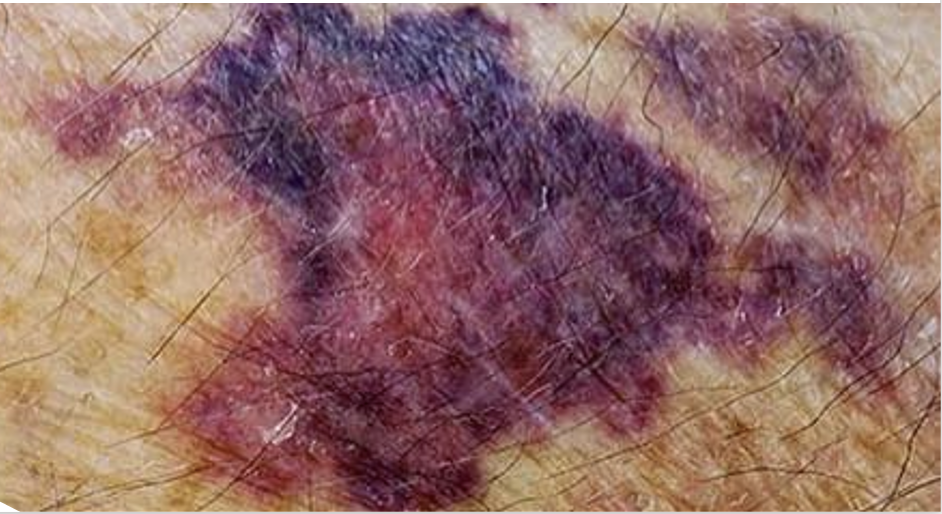
Petechiae and purpura are both spots or patches caused by?
bleeding under the skin. The main difference is their size. Both can occur with ITP (immune thrombocytopenia), when the platelet count is low.
How do Petechiae usually look like?
Tiny spots
Usually less than 2 mm in diameter.
Look like tiny red, purple or brown pinpoints.
Often appear in clusters on the legs, feet, or other areas of the body.

How do Purpura look like?
Larger spots
Usually about 2 mm to 1 cm in diameter.
Look like larger red-purple spots or patches.
May resemble bruises.
Treatment of ITP
depends on platelet count, bleeding, and clinical circumstances.
Observation= Appropriate for many patients with mild/no bleeding.
First-line therapy= Corticosteroids such as prednisone or dexamethasone
-IVIG when a rapid increase in platelets is needed, particularly with significant bleeding
If persistent/refractory= Splenectomy in selected patients
Other immunosuppressive therapies
Life-threatening bleeding→ urgent treatment with therapies such as IVIG + corticosteroids, with platelet transfusion in appropriate circumstances.
How do corticosteroids treat ITP?
Examples include prednisone, prednisolone, and dexamethasone.
They suppress the immune response, reduce immune activity, including the production and effects of antibodies that target platelets.
They slow platelet destruction, Platelets coated with antibodies are normally recognized and removed by immune cells, especially macrophages in the spleen. Steroids reduce this process.
The platelet count rises, As fewer platelets are destroyed, more remain in circulation. The response often begins within several days, although timing varies.
Common side effects: Increased appetite, insomnia, mood changes, elevated blood sugar, higher blood pressure and increased infection risk. Longer courses can cause additional complications.
How does IVIG treats ITP?
stands for intravenous immunoglobulin. It is a concentrated preparation of antibodies collected from donated human plasma and given through a vein. It changes how immune cells behave
_temporarily changes immune signaling and blocks or competes for receptors on macrophages, especially in the spleen. These cells are responsible for removing many antibody-coated platelets from circulation.
It protects platelets from destruction, When fewer platelets are cleared by immune cells, more survive in the bloodstream and the platelet count can rise.
It works relatively quickly, Platelet counts may begin to rise within 24–48 hours. The effect is usually temporary, often lasting days to a few weeks.
Common side effects: Headache, nausea, chills and fever. Less common but serious risks include blood clots, kidney injury and severe headache.
Heparin-Induced Thrombocytopenia (HIT)
Typically occurs 5–10 days after heparin exposure
Platelets fall substantially
Requires immediate clinical assessment and stopping heparin when suspected
The 4Ts estimate the probability of HIT:
Thrombocytopenia — magnitude of platelet fall
Timing — typically 5–10 days after heparin
Thrombosis — new thrombosis or other HIT-related complications
oThere causes — whether another explanation for thrombocytopenia exists
Treatment of HIT
is suspected with intermediate/high probability:
1. Stop ALL heparin= Including heparin flushes and heparin-containing products.
2. Start a non-heparin anticoagulant
Examples: Argatroban, Bivalirudin, Fondaparinux in selected patients. A DOAC may be used in appropriate stable patients
3. Avoid starting warfarin initially
Warfarin can increase the risk of venous limb gangrene/skin necrosis. It can be started later once the platelet count has recovered, when appropriate.
TTP (thrombotic thrombocytopenic purpura)
It is a rare, life-threatening blood disorder in which tiny blood clots form throughout small blood vessels in the body.
These clots use up platelets and can damage red blood cells as they pass through narrowed vessels. The clots can also reduce blood flow to vital organs, particularly the brain, heart and kidneys.
is a medical emergency that requires immediate hospital treatment. It is different from ITP, even though both conditions can cause a low platelet count and purplish skin spots.
What happens in TTP?
1. Tiny clots form= Platelets clump together in small blood vessels, reducing blood flow.
2. Red blood cells break apart= As red blood cells squeeze past these clots, they can fragment.
3. Organs may be damaged= Reduced blood flow can cause neurological symptoms, heart problems and kidney injury.
Symptoms of TTP
can develop suddenly and worsen quickly. They include:
Low platelets: Petechiae, purpura, unexplained bruising or bleeding.
Anemia: Fatigue, weakness, pale skin, shortness of breath or jaundice.
Neurological symptoms: Headache, confusion, difficulty speaking, seizures or stroke-like symptoms.
Kidney problems: Reduced urine output or abnormal kidney blood tests.
Fever: May occur, but is not always present.
Heart complications: Chest pain or abnormal heart function.
Treatment of TTP
Urgent plasma exchange (PLEX)
Corticosteroids
is a hematologic emergency because untreated disease can rapidly cause severe neurologic, renal, or cardiac complications.
How to distinguish TTP and ITP
The most important distinction: TTP causes dangerous small-vessel clotting as well as low platelets, whereas ITP primarily causes platelet destruction. Both can cause purpura, so skin appearance alone cannot distinguish them.