Virtual vs. Physical Labs: The Hybrid Lab Framework
 Call Kai
 Learn
 Practice Test
 Spaced Repetition
 Match
 Flashcards
1/17

Earn XP
Description and Tags
Comprehensive vocabulary flashcards covering the pedagogical debate, operational impacts, and four-stage implementation framework of hybrid virtual-physical laboratories.
18 Terms
Sequenced Virtual–Physical Hybrid Lab Framework
An educational solution that sequences virtual pre-lab conceptual exploration with hands-on physical labs
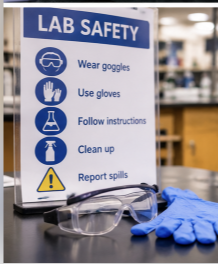
Safety Knowledge vs. Safety Behavior Paradox
The contradiction where virtual lab students score significantly higher on safety knowledge tests yet perform significantly fewer actual safety procedures and clean-up behaviors in real labs
Tactile Skill Gap
The limitation of VR labs or simulations to reproduce necessary physical sensations in real-life labs, including fine finger control, force resistance, or weight
Real-World Troubleshooting Gap
Virtual labs lack real-world problems, such as equipment malfunctions or environmental changes, that teach hands-on problem-solving
Cognitive Offloading vs. Long-Term Retention
When VR features make tasks too easy, students may retain less information long-term unless they reinforce learning through hands-on activities
Learning Transfer Gap
Repeated exposure to consequence-free virtual hazards can reduce students' caution and lead to unsafe behaviors in real labs
Binary Implementation Gap
Treating virtual and physical labs as either-or options instead of using them together to complement learning
Phase 1: Virtual Pre-Lab
Students use VR labs and simulations to explore concepts, visualize 3D models, and practice procedures before entering the physical lab.
Phase 2: Physical Lab
Students apply their virtual practice through hands-on experiments, using real equipment, developing fine motor skills, and troubleshooting problems
Phase 3: Model Comparison
Students compare real experimental results with the virtual ideal models and reflect on differences between theory and practice
Safety Bridge
Students practice virtual lab cleanup procedures before demonstrating proper safety and cleanup in the physical lab
False Sense of Physical Mastery
Believing virtual success means having the hands-on skills needed to safely and correctly use real lab equipment
Video Game Recklessness
Students ignoring lab safety and cleanup procedures because virtual labs have no real-world consequence
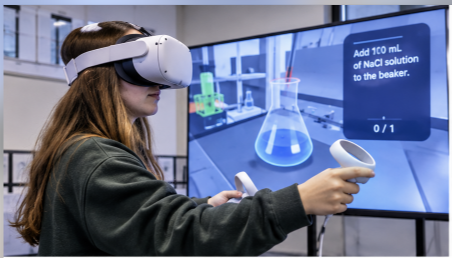
VR lab First View
Favoring VR labs for safe, repeatable, low-cost learning that builds conceptual understanding and reduces student anxiety

Physical-Lab First View
Believing physical labs are essential for developing hands-on skills, lab safety, and authentic scientific experience

Administrative benefit of hybrid labs
Reduce staffing costs and enrollment limitations, making laboratory instruction more affordable and accessible
Lack of Reflection Gap
Students follow lab procedures without reflecting on why their actual results differ from theoretical predictions

Scientific Identity
A student's sense of belonging and confidence as a scientist developed through lab experiences