AP Bio Functional Units, Macromolecules, and pH
 Call Kai
 Learn
Learn Practice Test
 Spaced Repetition
 Match
Match Flashcards
 Knowt Play
1/56

There's no tags or description
Looks like no tags are added yet.
Name | Mastery | Learn | Test | Matching | Spaced | Call with Kai | Chat |
|---|
No analytics yet
Send a link to your students to track their progress
57 Terms
–C=O
Carbonyl group - aldehydes/ketones + affects reactivity + found in sugars
monosaccharides disaccharides polysaccharides
starch glycogen cellulose chitin
triglycerides phospholipids steroids
fats oils cholesterol estrogen testosterone
enzymes structural proteins transport proteins antibodies
hemoglobin keratin actin catalase
DNA RNA
adenine (thymine replaced by uracil in mRNA) guanine cytosine
Vitalism
Debunct scientific belief that only organisms can make organic molecules, and there’s some magic life force
Mechanism
Science follows chemical and physical laws that can be done in a beaker
Wohler & Kolbe
Used vinegar to synthetically produce urine, the first man made biomolecule
Stanley Miller
Simulated the atmospheric conditions of early earth (primordial soup) and zapped it, resulting in organic molecules, suggesting an origin of life
Hydrocarbons
Only H and C, vary in length, shape, and # of bonds. Ex.: C3H8 (Propane)
Pyrimidine bases?
Cleopatra’s Tomb en un Pyramid : cytosine + thymine(and uracil) = Pyrimidines
Purine bases?
Guanine and Adenine
Alcohol
Organic compounds characterized by one or more hydroxyl groups attached to a carbon atom of an alkyl group
Alkane
hydrogen and carbon atoms arranged in a tree structure in which all the carbon–carbon bonds are single
Alkyl
an alkane missing one hydrogen atom
Ketone
Carbonyl group bonded to two carbon atoms
Aldehyde
Carbonyl group bonded to a hydrogen atom: -CHO
Thiol
A molecule with a sulfhydryl
Amino Acids type #?
20 unique
Variable properties of Amino Acids
Polar, nonpolar, electrical charge
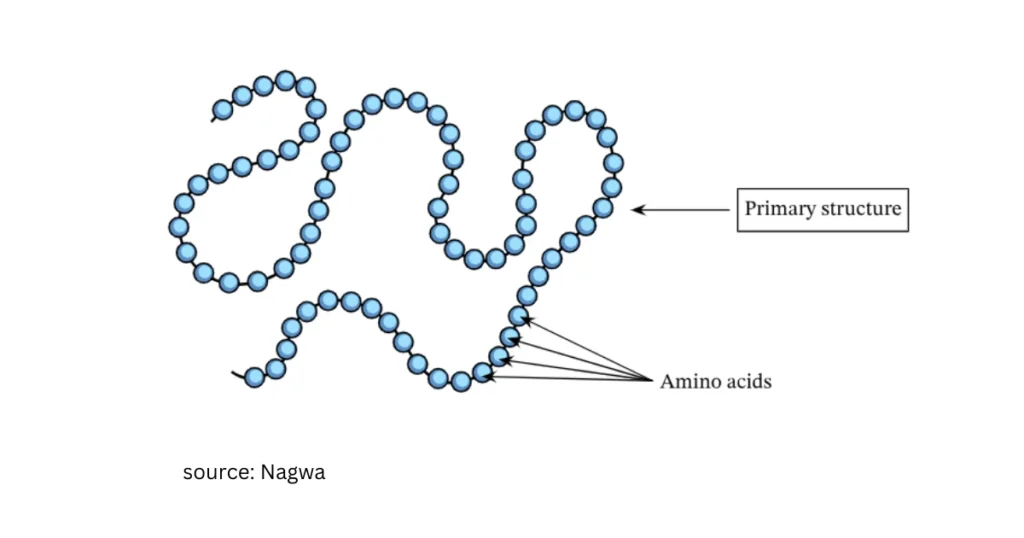
Primary Structure
Sequence of Amino Acids, coded by the DNA, not functional
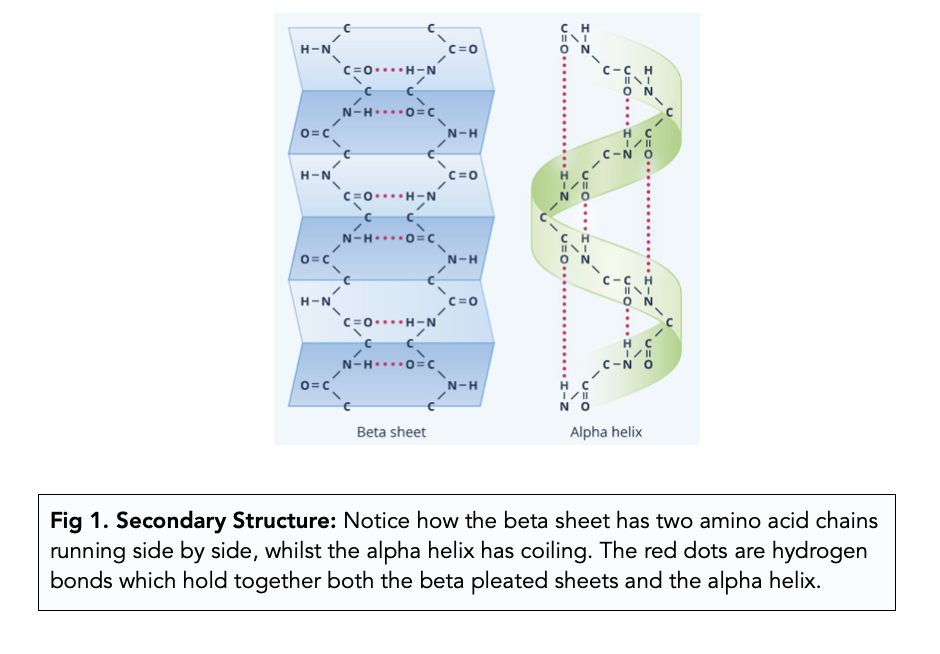
Secondary Structure
Coiling and folding of the molecule, due to hydrogen bonds, not functional
Tertiary Structure
H bonds, stabilizing sulfur bridges, sometimes functional

Quaternary Structure
2+ polypeptide chains

Potential Energy where?
Stored in bonds
1st law of thermodynamics
Energy cannot be created or destroyed
2nd law of thermodynamics
Energy is eventually lost as heat
ΔG meaning?
Gibb’s free energy / available energy / usable energy
ΔG<0
Reaction is spontanous