POP communicable disease
 Call Kai
 Learn
 Practice Test
 Spaced Repetition
 Match
 Flashcards
 Knowt Play
1/52

There's no tags or description
Looks like no tags are added yet.
53 Terms
direct transmission
occurs by immediate transfer of infectious agents from a reservoir to a new host
indirect transmission
occurs when the infectious agent is transported within contaminated inanimate materials such as air, water, or food (vehicle-borne transmission)
specific to each disease
Disease Control
Vector transmission
occurs when the infectious agent is carried by a vector (nonhuman carrier such as an animal or insect)
Food & Water- Related Illness
bacteria, virus, parasites
- examples: Salmonella, Shigella, E. Coli, Giardia, Hep. A,
- Safety measures for preparing and handling food
- examine outbreaks
direct contact
may occur through direct skin to skin contact (such as scabies)
direct contact with blood or bodily fluids
Examples include: HIV, Hepatitis, herpes zoster (shingles – not disseminated).
indirect contact
pathogens may be transferred via hands, equipment, clothing, toys, etc.
Examples of pathogens include MRSA, VRE, ESBL, CRE
enteric contact
organisms are spread via spores
(C-diff & norovirus)
gown and gloves
Contact Precautions PPE
gown & gloves
ALWAYS use soap and water. Hand sanitizer does not kill spores
Enteric Contact Precautions PPE
contact precautions patient care equipment
use disposable noncritical patient care equipment
implement patient dedicated equipment
droplet mode of transmission
form of contact transmission.
spread when and individuals coughs, sneezes or talking.
flu, pertussis, RSV, meningitis (caused by hameophilus influenzae type b)
mask
Droplet Precautions PPE
private room
pt wear a mask when transporting
no mask required for transporter
droplet precautions
airborne mode of transmission
droplets that may remained suspended in the air for some time.
include TB, shingles ( if disseminated), chickenpox, and measles, COVID-19
n95 respirator
Airborne Transmission PPE
negative pressure room
door remain closed
pt n95 mask
airborne precautions
1-4 days
Time between exposure to flu and presentation of signs and symptoms
7-10d or 21d
Time between exposure to whooping cough and presentation of signs and symptoms
14-16d
Time between exposure to shingles and presentation of signs and symptoms
3-6d
Time between exposure to hand foot and mouth and presentation of signs and symptoms
2-21d
Time between exposure to ebola and presentation of signs and symptoms
14d
Time between exposure to COVID and presentation of signs and symptoms
Fever
Headache
Chills
Upset Stomach
Blisters
Shingles ss
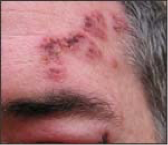
1. Fever
2. Chills
3. Headache/Body Ache
4. Sore throat
5. Stuffy nose
6. Fatigue
flu ss
flu
Immunization recommend for all people 6 months and older
Vaccination may specifically focus on
1. Healthcare workers
2. Children (especially younger than 2)
3. Pregnant women
4. Those with asthma
5. Those with chronic diseases
covid 19
A respiratory virus caused by a coronavirus strand known as SARS-CoV-2
Airborne, Droplet, Contact
Gown, Gloves, N-95 mask, face shield
covid 19 ppe
Adults age 65 and older
Nursing home residents
Immunocompromised individuals
COPD
Diabetes
Heart Disease
Obesity
most vulnerable to covid 19
Fever
Chills,
Cough
Headache
Shortness of breath
Fatigue
Body aches
Muscle Aches
New loss of taste or smell
Congestion or runny nose
Nausea
Vomiting
Diarrhea
COVID-19 Signs/Symptoms
bacteria and virus
pneumonia can be caused by
streptococcus pneumonia
pneumonia bacterial cause
flu, RSV
pneumonia virus cause
chills, fever, pleural pain, cough,
pneumonia ss
hepatitis A
Transmitted by fecal-oral route
S/S fever, malaise, nausea, abd pain, jaundice
Can result in chronic liver disease
Vaccine available
hepatitis B
Transmitted via blood and bodily fluids.
Commonly spread through unprotected sex and sharing of needles.
Can cause liver cancer, failure, and death
HEP B vaccinations
hepatitis C
Transmitted via blood or sexual contact
Causes infection of the liver and chronic disease
No vaccine available for Type C
HIV/AIDS
Transmitted through blood and body fluids
71% of those infected live in sub-Sahara Africa
AIDS is the condition that results from the infection with HIV
Attacks the body’s immune system making individuals more susceptible to disease and infections.
Age of onset may influence progression of disease.
HIV individuals may be symptom free for sometime
Tuberculosis
•Caused by mycobacterium tuberculosis
•Latent and Active forms
•S/S: prolonged cough, fatigue, loss of appetite, weight loss, night sweats
•95% of cases are in developing countries
•Screening: TB Skin Test , IGRA tests (quatniFERON, T-spot)
Cough lasting greater than 3 weeks
Fatigue
Pain in chest
Blood in sputum
Weight loss
Night sweats
TB Signs and Symptoms
isoniazid (INH)
rifampin (RIF)
ethambutol (EMB)
Pyrazinamide
Tuberculosis fist line of defense drugs
Directly Observed Treatment
•Insures that clients take daily and intermittent prescriptions
•Labor intensive
•Meet clients where they are
•Chlamydia
•Gonorrhea
•Syphilis
•Genital Herpes (HSV-1, HSV-2)
•Viral Warts
Sexually Transmitted Diseases
chlamydia
Most commonly reported STD in the U.S.
Transmitted via sexual contact and maternal transmission
Women more susceptible
May be silent “asymptomatic”
Signs & Symptoms in women include: vaginal discharge (mucus often yellow tinged), odor, UTIs, lower back pain, bleeding in between periods
Signs & Symptoms in men include: inflammation in the urethra, watery discharge, burning and itching in the urethra, lower back and testicular pain.
Gonorrhea
•Caused by Neisseria gonorrhoeae bacteria
•Signs and symptoms for men: purulent drainage and painful urination
•Signs and symptoms for women: vaginal discharge, bleeding after discharge, may also be asymptomatic
•May also have lesions
•Treated with antibiotics
Syphilis
•Caused by the spirochete Treponema pallidum
•PRIMARY SYPHILLIS: chancre appears at entry site
•SECONDARY SYPHILLIS: Lesions appear on hands, feet, and trunk. Other symptoms include rash, fever, sore throat, fatigue, lymphadenopathy
•TERTIARY SYPHILLIS: neurological effects including deafness, cranial nerve palsy, meningitis or even death
•Spread through contact with the lesions or from mother to baby
•Treated with penicillin
Genital Herpes
•Caused by Herpes simplex virus type 1 & type 2
•Signs and symptoms: fever, malaise, lesions or blisters on genitalia, rectum, or mouth
•No cure
•May use antiviral meds (Acyclovir) to treat outbreaks
Viral Warts
•Caused by human papillomavirus (HPV)
•Transmitted via direct skin-to-skin contact or from mother to baby
•Incubation period may be 2-3 months
•May lead to cancer of the anus, cervix, vulva, vagina, or penis
•My be prevented with vaccine
•May appear as flat or raised bumps or may be shaped like cauliflower. Lesions may also occur in the throat or respiratory tract.
Preventing Sexually Transmitted Diseases
•Changes in behavior require diverse and multidisciplinary interventions.
•Integration of efforts of parents, families, schools, religious organizations, health departments, community agencies, and the media
•Educational programs that provide adolescents with the knowledge and skills to
•Refrain the early onset of sexual intercourse
•Make informed decisions related to sexual behavior and health
•Increase the use of contraceptive measures
primary prevention for communicable disease
•Mass media education campaigns
•One-on-one education
•Immunization
secondary prevention of communicable disease
screenings
disease investigation
tertiary prevention for communicable disease
Ensure additional people not infected
Ill receive care and treatment