child abuse
 Call Kai
 Learn
 Practice Test
 Spaced Repetition
 Match
 Flashcards
 Knowt Play
1/44

Earn XP
Description and Tags
lecture given 8/24/2026
Name | Mastery | Learn | Test | Matching | Spaced | Call with Kai | Chat |
|---|
No analytics yet
Send a link to your students to track their progress
45 Terms
child abuse and neglect
any act or series of acts of comission or omission by a parent, caregiver, or other person in custodial role that results in harm, potential for harm, or threat of harm to a child
a preventable act
occurs across all socioeconomic, racial, ethnic, and cultural groups
may involve an act that harms or threatens a child or a failure to provide necesary care
why does child abuse matter to dentists?
the head, face, neck, and mouth are common sites of inflicted injury (65-75% of cases of physically abused children)
dentists may be among the first healthcare providers to recognize concerning findings
children with special healthcare needs may be particuarly vulnerable
stats on child abuse (not sure if on exam so i’m putting them here just in case)
MA has one of the highest rates of maltreated children
25% increase in incidence of abuse over the past 20 yrs
drop in cases during COVID
79% of perpetrators of child maltreatment are parents, 20.1% are non-parents or have an unknown relationship
pretty much evenly affects boys and girls
highest victim rate is among infants less than 1 yo
what is the etiology of child abuse?
can occur in any family and across all socioeconomic groups
approx 80% of abusers are family, 20% are non-parents or unknown
~50/50 boys and girls
what are caregiver and family risk factors?
history of experiencing or witnessing violence
substance use
mental health concerns
high caregiver stress
limited social support
unrealistic expectations of child development
what factors increase a child’s vulnerability to child abuse?
young age, esp infancy
developmental or physical disabilities
increased dependence on caregivers
communication limitations
family stressors and limited support
however abuse can affect any child
what factors contribute to child abuse?
lack of parenting skills, financial/family stress, history of child abuse, addicition or substance abuse, unrealistic expectations of caregivers, mental health problems
physical abuse definition
intentional bodily harm (kicking, slapping, pinching, biting, choking, shoving, or using physical restraint)
sexual abuse definition
any sexual behavior or activity with a child or exploitation of a minor
emotional abuse definition
a pattern of caregiver behavior that harms a child’s emotional development, well-being, or sense of self worth
dental neglect definition
the willful failure of a parent or guardian, despite adequate access to care, to seek and follow through with treatment necessary to ensure a level of oral health essential for adequate function and freedom from pain and infection
medical child abuse definition
formerly munchausen by proxy
fabrication, exaggeration, or induction of illness in a child by a caregiver
ex: inducing illness or symptoms, withholding food to prevent appropriate weight gain, adding blood to urine or stool to simulate illness
physical abuse as it relates to dentistry
oral injuries may be inflicted with instruments such as eating utensils or a bottle during forced feedings, hands, fingers, scalding liquids, or caustic substances
may result in contusions; burns or lacerations of the tongue, lips, buccal mucosa, palate (soft and hard), gingiva, alveolar mucosa, or frenum; fracture, displaced, or avulsed teeth, or facial bone and jaw fractures
some studies cited lips as the most common site for inflicted oral injuries (54%), followed by the oral mucosa, teeth, gingiva, and tongue
what are signs and symptoms of physical abuse?
unexplained injuries (bruises, broken bones, burns)
patterned or multiple injuries
injury inconsistent with the reported history
injury inconsistent with the child’s developmental ability
unexplained delay in seeking care
biting, ear pulling, hitting, slapping, choking/strangulation, hair pull
*animal bites tend to…
tear flesh
*human bites tend to…
compress flesh and can cause abrasions, contusions, and lacerations
*an inter-canine distance measuring more than ____cm is suspicious for an adult human bite
3.0
adult average is ~3.4cm
analyzing bite marks
can be difficult to interpret due to time elapsed and distortion presented
ideally they should be evaluated by a forensic odontologist or forensic pathologist, but if none are available a dentist may examine
how should you (as a dentist) document bite marks?
photograph- angle the camera directly over the bite, place a ruler/scale marker next to the bute
double swab technique- swab the area with a sterile cotton swab moistened with distilled water, followed by swabbing the same area with a second, dry cotton swab, thus absorbing any excess liquid- DNA present in epithelial cells from the mouth may be deposited in bites even if saliva and cells have dried
PVS impression- will help to provide a 3D model of the bite mark
what should you do with bite mark evidence?
collect, document, label, and maintain chain of custody
can be difficult to interpret, refer to a forensic odontologist/trained specialist when available
comparison with a suspected abuser’s dentition is handled by law enforcement/forensic specialist, not the healthcare provider
sock or glove burns
immersion of feet or hands in scalding liquid
have very distinct, sharply defined marks
burns with a distinct pattern tend to be deliberate
cigarette burns
even brief contact can cause severe burns
the lit end of cigarette can reach temps over 500F, 260C
bruises
bruise color is not a reliable method for determining the age of an injury
evaluate the location, pattern, developmental ability of the child, and whether the injury is consistent with the reported history
TEN-4-FACESp
bruising in these locations in children <4 may be concerning for abuse and warrents further evaluation
torso, ears, neck, any bruise on an infant under 4 mo, frenulum, angle of jaw, cheeks, eyelids, subjunctiva, patterned bruising
sexual abuse as it relates to dentistry
although the oral cavity is a common site of sexual abuse in children, visible oral injuries or infections are rare
when oral-genital contact is suspected, referral to a specialized clinical setting for a comprehensive examination is strongly recommended
findings that may require further eval: oral/perioral gonorrhea in a prepubertal child, unexplained palatal petechiae or trauma, unexplained oral or perioral lesions like warts
HPV lesions
differential diagnosis- condyloma acuminatum
can be transferred vertically or horizontally

oral gonorrhea

*primary herpetic gingivostomatitis (HSV)
very common viral infection of the mouth
often caused by herpes simplex virus type I
frequently affects children aged 6mo to 5 yr
transient and self-limiting condition, NOT associated with sexual abuse
fever 2-3 days is common precursor

bullying
children with orofacial or dental differences may be targets of bullying
dental providers can ask about bullying when appropriate and help connect pts with support
what factors are necessary for the diagnosis of neglect?
a child is harmed or at risk for harm because of lack of dental care
the recommended dental care provides significant net benefit to the child
the anticipated benefit of the dental treatment outweighs potential risks, making treatment clearly preferable
access to dental care is available but not utilized
the parent or caregiver understands the dental advice and recommendations given
what do you need to keep in mind when considering whether to report a case of dental neglect to CPS?
it is important to distinguish between caregivers who have adequate knowledge and knowingly fail to seek care vs those who are unaware of their child’s dental needs
severe dental disease alone does not establish dental neglect
when should you report dental neglect?
caregiver understands the explanation of the disease and its implications
any barriers to care are identified and the family is assisted to overcoming them
risks and benefits of the proposed treatment are clearly explained
risk of no treatment are also clearly explained
if the parent/caregiver fails to seek or follow through with treatment despite these efforts, the case should be reported to the appropriate CPS agency
*what are 3 conditions that may mimic symptoms of abuse?
epidermolysis bullosa, hemophilia, staphylococcal scalded skin syndrome (SSSS)
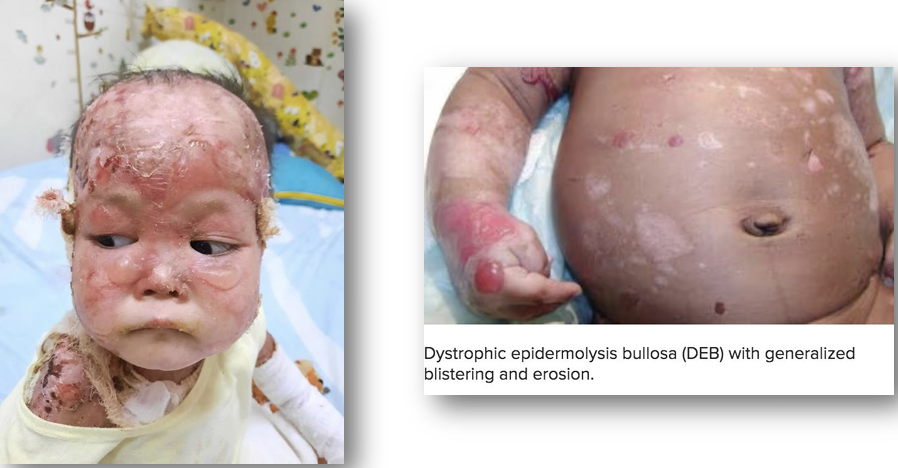
*epidermolysis bullosa
a rare genetic skin disorder characterized by fragile, blistering skin
blisters appear in response to minor trauma such as rubbing, scratching, or heat
blisters and skin erosions may mimic burns
*hemophilia
an inherited bleeding disorder where the blood does not clot properly due to a deficiency in clotting factors (commonly factor VIII or IX)
this can result in spontaneous bleeding as well as excessive bleeding following surgery or an injury
children with bleeding disorders may develop spontaneous or disproportionate bruising

*staphylococcal scalded skin syndrome (SSSS)
a rare but serious skin infection that causes peeling skin over large areas of the body
may appear as though the skin has been burned by a hot liquid
triggered by exotoxin release from specific strains of staphylococcus aureus bacteria
most common in infants and young children bc of immature kidneys that cannot clear s. aureus
dentists are mandated reporters, what does this mean?
mandated to report suspected cases of abuse or neglect
must be familiar with the perioral signs of child abuse and neglect
record all findings that may be helpful in the case including physical evidence and any statements made by the child or caregiver during the dental visit
report all suspected cases to appropriate state or local authorities in accordance with mandated reporting laws
t/f in MA, mandated reporters are proctected from any criminal, civil liability or retaliation by employers from reporting in good faith
true
what are the penalties for failing to report abuse in MA?
$1000 fine for failure to make required oral and written reports of suspected abuse
willful failure to report child abuse and/or neglect that resulted in serious bodily injury or death: fine up to $5000, up to 2.5 years in jail, can be reported to the board of registration in dentistry
how can you report child abuse in MA?
DCF for all suspected abuse/neglect of children under the age of 18
when you have resonable cause to believe that a child is being abused or neglected, immediately contact DCF
a written 51A report must follow in 48 hrs
proof is not required to make a report
what must be included in an 51A report?
your name, address, and phone number
all identifying info about the child and the parent/caregiver
nature and extent of the suspected abuse and/or neglect including evidence and photographs
circumstances under which you first became aware of the child’s maltreatment
detail any immediate steps (if any) taken to assist or protect the child (referral, treatment, hospitalization)
any other information you believe may be helpful
include a copy of the pts dental/med chart (considered a legal document) as supporting evidence
what services are rendered by DCF?
provide mental health and substance abuse services for families and children
recommend parenting skill classes, or alcohol and drug rehab courses as needed
provide prevention services
provide reunification services
provide foster care
what findings should raise concern when considering abuse?
delay in seeking care without a resonable explanation
history inconsistent with the childs injury
injury inconsistent with the child’s developmental abilities
unexplained or multiple injuries
signs of neglect
caregiver history that changes or conflicts with other accounts
what are some behavioral indicators of possible child abuse or neglect?
wary or fearful behavior around parents or caregivers
lack of eye contact
flinching or being fearful to physical touch
feelings or attempts to run away
dramatic mood changes including sudden shifts from calm to agitated
overly aggressive behavior towards others
withdrawn, or emotionally unresponsive demeanor
history of depression, anxiety, or attempted suicide
how should you take action?
evaluate, ask, document, report