Biol unit and exam 3
 Call Kai
 Learn
 Practice Test
 Spaced Repetition
 Match
 Flashcards
 Knowt Play
1/83

There's no tags or description
Looks like no tags are added yet.
84 Terms
what are the criteria for coevolution to occur?
two or more interacting species must exist in the same place at the same time
each species must exert a direct selection pressure affecting the others’ survival and reproduction
Criteria for evolution by natural selection to occur:
variation must exist among organisms in a population
the varying trait must be heritabloe
differential survival and reproduction must occur
individuals with traits best suited to the environment possess higher fitness and leave more offspring
Examples of coevolution:
Predator-prey dynamics
parasite-host interactions
plant-herbivor / granivore, or pollinator relationships
Coevolutionary Arms race?
a continous cycle of reciprocal adaptation where two species evolve new adaptations and counter-adaptation in response to eachother
an example of a coevolutionary arms race and why its a coevolutionary arms race ex
Rough-skinned newts produce powerful neurotoxins (tetrodotoxin) when threatened, while garter snakes have evolved physiological resistance.
restistant snakes survive better and eat toxic newts, which in turn selects for even higher toxicity in newts
What is an example of mutualistic coevolution
Plant-pollinator interacftions
where pollinators obtain nutritional rewards (nectar) while brushing against the plants pollen (reproduction area) and transferring pollen to other plants, ensuring mutual survival and reproduction success
Proboscis Length and Flower Depth Correlation
Coevolving long-tounged flies and flowers (zaluzianskya microsiphon) show a direct positive correlation; deeper flowers require longer probscises, forcing the insect to get clsoe to the pollen source to ensure effective pollination.
Anderson and Johnson study components: interaction frequency
because the zaluziaskya microsiphone provides the bulk of nectar for long-tounged flies, it ensures frequent interaction between the species’. adding the fact that they also rely on eachother for survival and reporudction
Anderson and Johnson study components: Allometry
Measured fly thorax width and flower diameter to account for body scaling size effects
Anderson and Johnson study components: abiotic factors
The authors measure latitude,longitude, and latitude to account for environmental influences on crolla and proboscis length.
Anderson and Johnson study components: Geographic structuring
the authors tested whether trait lengths are geographically structured to rule out gene flow as the cause of trait matching
Anderson and Johnson study components: Seed set assesment
it was used to show whether seed set in plants with short corollas and in plants with long corollas pollination was affected by the fly proboscis length; that flies with longer proboscises successfully pollinate flowers with long corollas but not flowers with short corollas
Anderson & Johnson Study Components: Population-level coevolution
indicated by a positive correlation between fly proboscis length and flower depth, where proboscis length was the only significant factor affecting corolla length
Anderson & Johnson Study Components: did the authors measure the all fitness consequences?
No, because they didn’t measure the survival or reproduction
Anderson & Johnson Study Components:if flies got equal nectar from other species, what would happen to the coevolutionary evidence?
it fail to show, because the flie wouldn’t rely soely on the flower, which means there wouldn’t be enough frequent interaction between them for them to become dependent on one another for survival and reproduction
General characteristics of prokaryotes
they are single-celled organisms
that lack a membrane bound nucleus and organelles
and reproduce via asexual reproduction (binary fission)
Bacteria vs. Archaea Differences: cell wall of bacteria
contains peptidoglycan
Bacteria vs. Archaea Differences: cell wall of archaea
contains pseudopeptidoglucan
Bacteria vs. Archaea Differences: cell membrane of bacteria
standar lipid bilayer
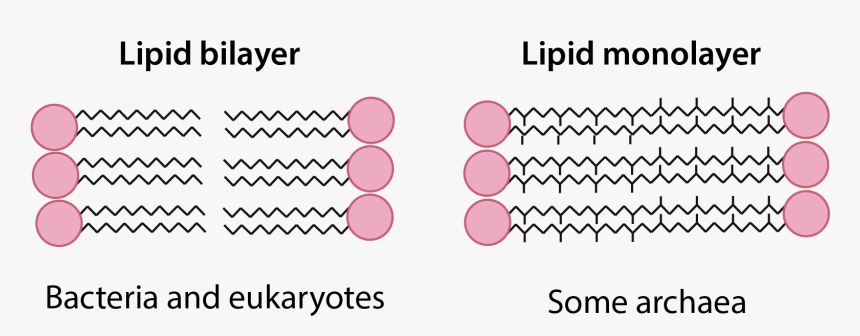
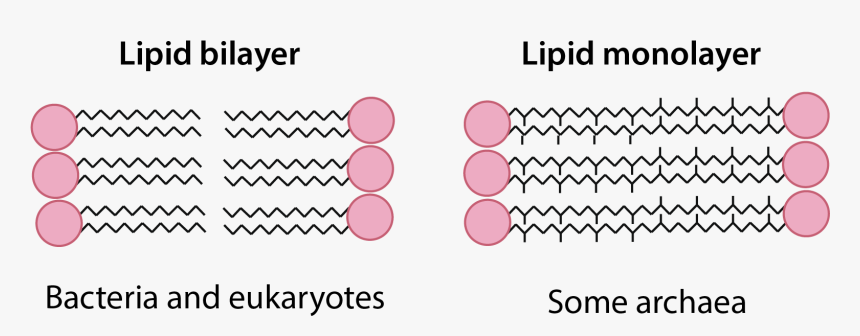
Bacteria vs. Archaea Differences: cell membrane of archaea
can use lipid bilayers or rigid lipid monolayers
Bacteria vs. Archauea differences: Genetics of bacteria, do they lack or have introns?
they lack introns associated with DNA

Bacteria vs. Archauea differences: Genetics of bacteria pt 2
they lack histones associated with DNA

Bacteria vs. Archauea differences: Genetics of Archaea
they have both introns and histones which are associcated with dna
Bacteria vs. Archauea differences: Envrinment and pathogenicity; bacteria
they are common everywhere (non-extremophiles), pathogeneic, and sensitive to antibiotics
Bacteria vs. Archauea differences: Envrinment and pathogenicity; archaea
often extremophiles (high heat and salt) and non pathogenic (insesitive to antibiotics)
what is the importance of the prokaryotes under the category of extremophiles?
they thrive in extreme heat, high salt, high pressure, and cold temps
what is the importance of the prokaryotes under the category of Endospores?
they are tough, dormant structures formed under stress that resist extreme temperatures, UV radiation, and antibitics.
what is the importance of the prokaryotes under the category of abundance and diversity?
They represent the most diverse taxon, living extensively, including in and on other organisms
what is the importance of the prokaryotes under the category of biofilms?
They’re dense bacterial colonies encased in a polysaccharide-rich matrix that shields them from antibiotics
what is the importance of the prokaryotes under the category of bioremediation?
Natural breakdown of environmental pollutants like petroleum hydrocarbons (oild spills) and heavy metals (mercury).
Prokaryotic Metabolic Classification (Energy Sources): what is the term for the energy source sunlight?
phototrops / photo at beginning of the sentence
Prokaryotic Metabolic Classification (Energy Sources): chemical compounds?
Chemotrophs or chemo at beginning of sentence
Prokaryotic Metabolic Classification (Carbon Sources): inorganic CO2
Autotrophs or Auto
Prokaryotic Metabolic Classification (Carbon Sources): pre-formed organic compounds
Heterotrophs or hetero
Key combinations: Sunlight + CO2 (e.g. plants)
Photoautotrophs
Key combinations: Chemical energy + organic carbon (e.g. animals, fungi, and many bacteria)
Chemoheterotrophs
Key combinations: Sunlight + organic carbon
Photoheterotrophs
Key combinations: inorganic chemical energy + CO2 (e.g. deep-sea vent microbes)
Chemoautotrophs
what are the eukaryotic characteristics?
They posess membrane-bound nucleus with linear DNA
membrane-bound organelles (mitochondria, chloroplasts)
and undergo mitosis and meiosis
What is the endosymbiotic theory?
organelles evolved when a larger acestral host cell engulfed smaller prokaryotic cells without digesting them, forming a permanent mutualism
Mitochondria origin?
Evolved from an engulfed aerobic heterotrophic alphaproteobacterium, providing efficient oxygen-baserd energy generation (ATP)
Chloroplast origin?
Evolved from an engulfed photosynthetic cyanobacterium captured by an early eukaryotic lineage
Protist Group Classifications:Plant-like autotrophs performing photosynthesis (green, red, brown)
Algae group
Protist Group Classifications: Animal-like heterotrophs consuming other organisms (amoebas, ciliates)
Protozoa group
Protist group classifications: absorptive decomposers or pathogens (slime molds, water molds/oomycetes)
Fungus like protist group
Key protist lineages: (parasitic with complex life cycles, e.g. plasmodium)
apicomplexans; a single-celled protozoan parasite belonging to the large phylum Apicomplexa
Key Protists lineages: (marine/aquatic with cellulose plates)
Dinoflagellates
Protist support
Flexible plasma membranes, stiff cellulose plates forming the theca (dinoflagellates), mineralized shells/tests (formaniferans), and resting cysts/ endospores.
Protist Feeding
Autotrophic, heterotrophic (phagocytosis/filter-feeding), or mixotrophic
Protist movement
flagella (long whip-like tails), cilia (short hair-like structures), and pseudopodia (temporary cytomplasmic foot extensions).

what is the importance of protists?
they form the base of aquatic food webs (phytoplankton)
drive global carbon cycling nd oxygen production
cause human diseases like malaria (plasmodium), and harmful algal blooms (HABs)
provide commercial uses (agar, carrageenan, alginates)
Dinoflagellates anatomy
two perpendigular flagella in a longitudinal groove and transverse girdle groove creating a spinning motion; armored by a cellulose theca and a permenantly condensed nucleus (dinokaryon)

Dinoflagellates and their ecological impact: food webs and health
Vital primary producers, but under warm, nutrient-rich conditions cause harmful algal blooms (“Red Tides”) that accumulate toxins in filter-feeding shellfish and poison humans.
Dinoflagellates and their ecological impact: Coral symbiosis (zoozanthellae)
Photosynthetic dinoflagellates live endosymbiotically inside coral tissues, tradigng sugars for shelter and nutrients.
When does cloral bleacking occur?
when stres (warm water, pollution) causes corals to expel zooxanthellae, leading to starvation and reef collapse

Dinoflagellates and their ecological impact: Bioluminescense
chemical reactions inside scintillons where luciferase acts on luciferen, triggered mechanical shear stress (waves or predators) to create an anti-predator “burglar alarm”
Importance of fungi: what do they help with on earth?
they are the primary decomposers, breaking down dead organic material and recycling nutrielnts
Importance of fungi: what does them being ecological symbionts mean?
that they have essential partnerships with plants (mycorrhizae) and photosynthetic organisms (lichens)
fungi economic and food value
used as food (mushrooms, truffles) and in biotechnology/industry for baking (yeast), brewing, and producing antibiotics (penicillin)
Fungi pathogens
Major agrucultural pests (rusts and smuts) and causes of human/ wildlife diseases (athlete’s foot, chytrid fungus)
the charactistic of fungi that is described as Eukaryotic and heterotrophic
says they acquire nutrients by external absorption (secreting digestive enzymes outside the body)
the charactistic of fungi that they have: chitin cell walls
they’re rigid cell walls reinforced with chitin instead of plant cellulose
body structure of fungi
can be single-celled (yeasts) or multicellular networks of tiny branching filaments called hypae, which weave together into an underground feeding mass called a mycelium

Reproduction of fungi
they reproduce via spores, and both sexually and asexually

key fungal lineages: Microsporidia
extremely reduced, obligate intracellular parasites infecting animals using a unique polar tube

Key Fungal Lineages: chytrids (chytridiomycota)
mostly aquatic fungi with flagellated spores (zoospores); implicated in global amphibian declines

Key Fungal Lineages: zygomycetes
form resistant thick-walled sexual zygosporangia (e.g. black break mold Rhizopus)

Key Fungal Lineages: glomeromycetes
form vital endomycorrhizae (arbuscular mycorrhizae) intimately associated with plant roots

Key Fungal Lineages: Ascomycetes (sac fungi)
characterized by sac-like structures called asci producing ascospores (yeasts, truffles, cup fungi, Penicillium)

Key Fungal Lineages: Basidiomycetes
Recognized by club-shaped spore-bearing structures called basidia (mushrooms, puffballs, shelf fungi, rusts, smuts)


Symbiotic Mutualistic Relationships: Mycorrhizae
Mutualism between fungi and plant roots. Fungal hyphae increase surface area for water and mineral absorption (phosphorus) in exchange for plant photosynthetic sugars.

Symbiotic Mutualistic Relationships: Mycorrhizae; extomycorrhizae (EMF)
Hyphae form a dense sheath/mantle around the root and extend outward into soil and inward between cortical cells without penetrating cell walls.

Symbiotic Mutualistic Relationships: Mycorrhizae; Arbuscular Mycorrhizae (AMF)
Hyphae extend outward into soil and inward, penetrating root cell walls to contact the plasma membrane directly

Lichens: Mutualism between a fungus (Ascomycete/Basidiomycete) and a photobiont (green algae or cyanobacteria).
The fungus provides structure, moisture retention, and protection against herbivores; algae/cyanobacteria provide sugars and nitrogen.

Endophytes:
Fungi living inside plant tissues (e.g., grasses) without causing disease.
Provide host plants with increased drought tolerance or herbivore-deterring alkaloids in exchange for sugars.

Endophytes: Vertical Transmission (asexual)
ungus grows into plant seeds → Mutualistic (both plant and fungus must survive).

Endophytes; Horizontal Transmission (Sexual):
Fungus forms a stroma around the plant stem → Parasitic (causes choking disease, suppressing the plant's flower/inflorescence development).
Fungus-Animal Mutualisms: Ruminants/Moose
Fungi live inside animal guts, helping break down complex cellulose
Fungus-Animal Mutualisms: leaf-cutter ants
Ants harvest plant leaves and “farm” fungi, feeding on specialized nutrient rich hyphal structures produced by the fungus
Batrachochytrium dendrobatidis (Bd) Infection in Amphibians: Pathogen & Disease:
Causes chytridiomycosis, threatening global amphibian populations
Batrachochytrium dendrobatidis (Bd) Infection in Amphibians: Temp and climate
thrives in cooler, moist environments and high-altitude habitats
Batrachochytrium dendrobatidis (Bd) Infection in Amphibians: host species and taxonomy
Susceptibility varies drastically between taxonomic groups (e.g., high infection loads in many anurans vs. certain salamanders).
Batrachochytrium dendrobatidis (Bd) Infection in Amphibians: Life stage and age
Juveniles and subadults show higher vulnerability and prevalence compared to tadpoles or adults, largely due to structural skin changes and keratin concentration occurring during metamorphosis.
Batrachochytrium dendrobatidis (Bd) Infection in Amphibians: Environmental Microclimates
Local water chemistry, wetland structure, and geography influence spore transmission and environmental persistence.