SHS 300 (Anatomy and Physiology of the Vocal Mechanism)
 Call Kai
 Learn
 Practice Test
 Spaced Repetition
 Match
 Flashcards
 Knowt Play
1/399

There's no tags or description
Looks like no tags are added yet.
400 Terms
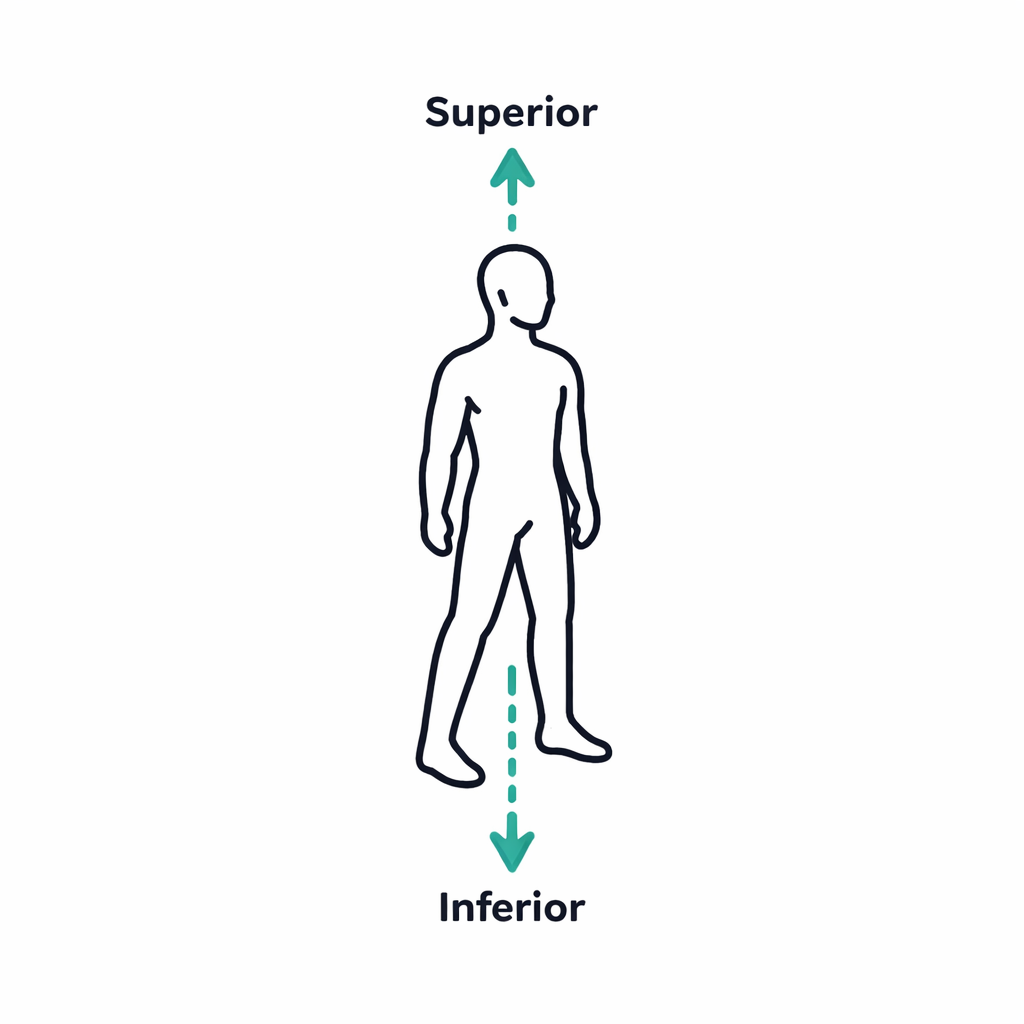
Superior / Rostral / Cranial
Towards the head

Inferior / Caudal
Towards the feet
Proximal (only applies to limbs)
Toward the body / trunk
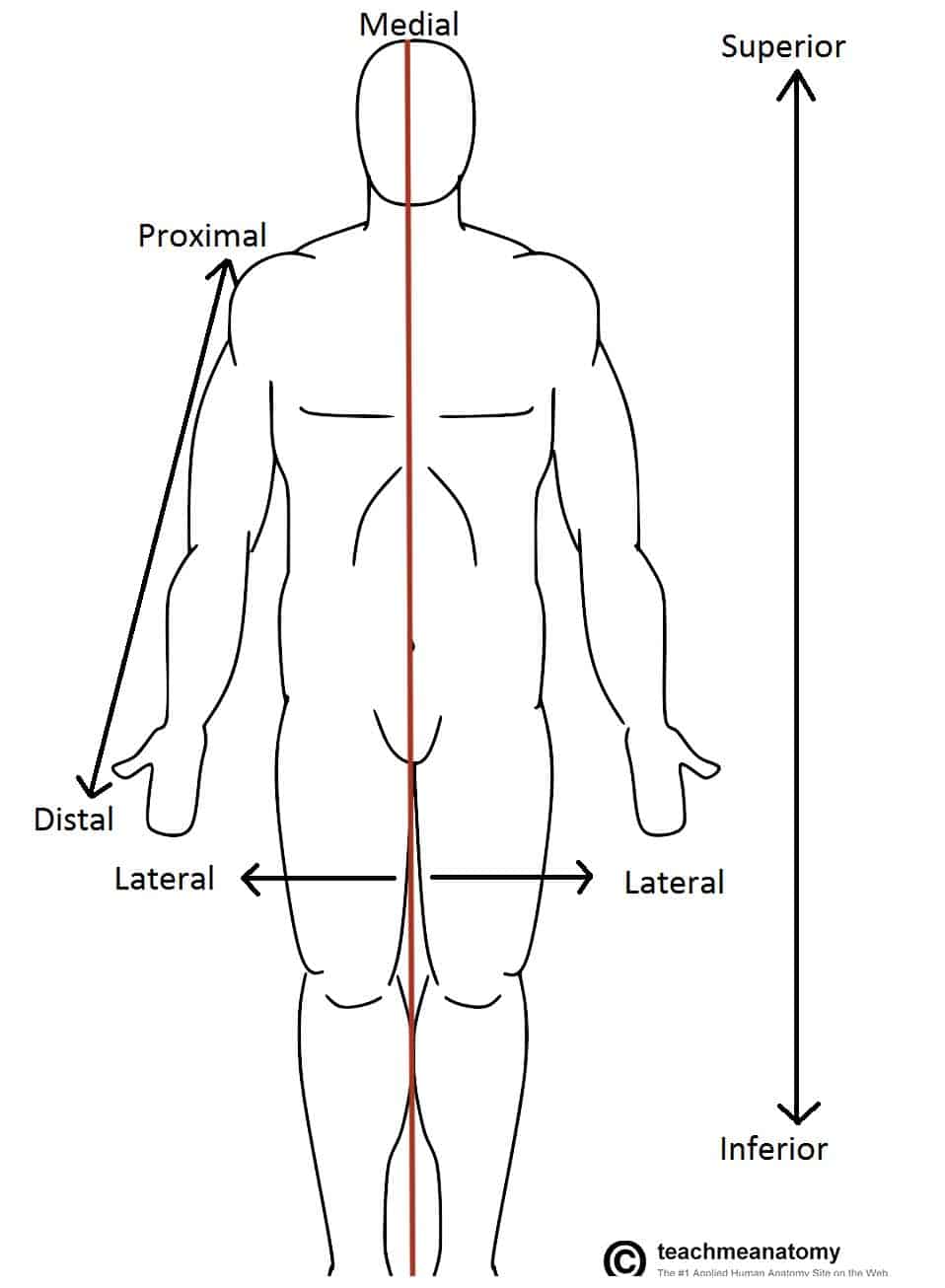
Distal (only applies to limbs)
Away from the body / trunk
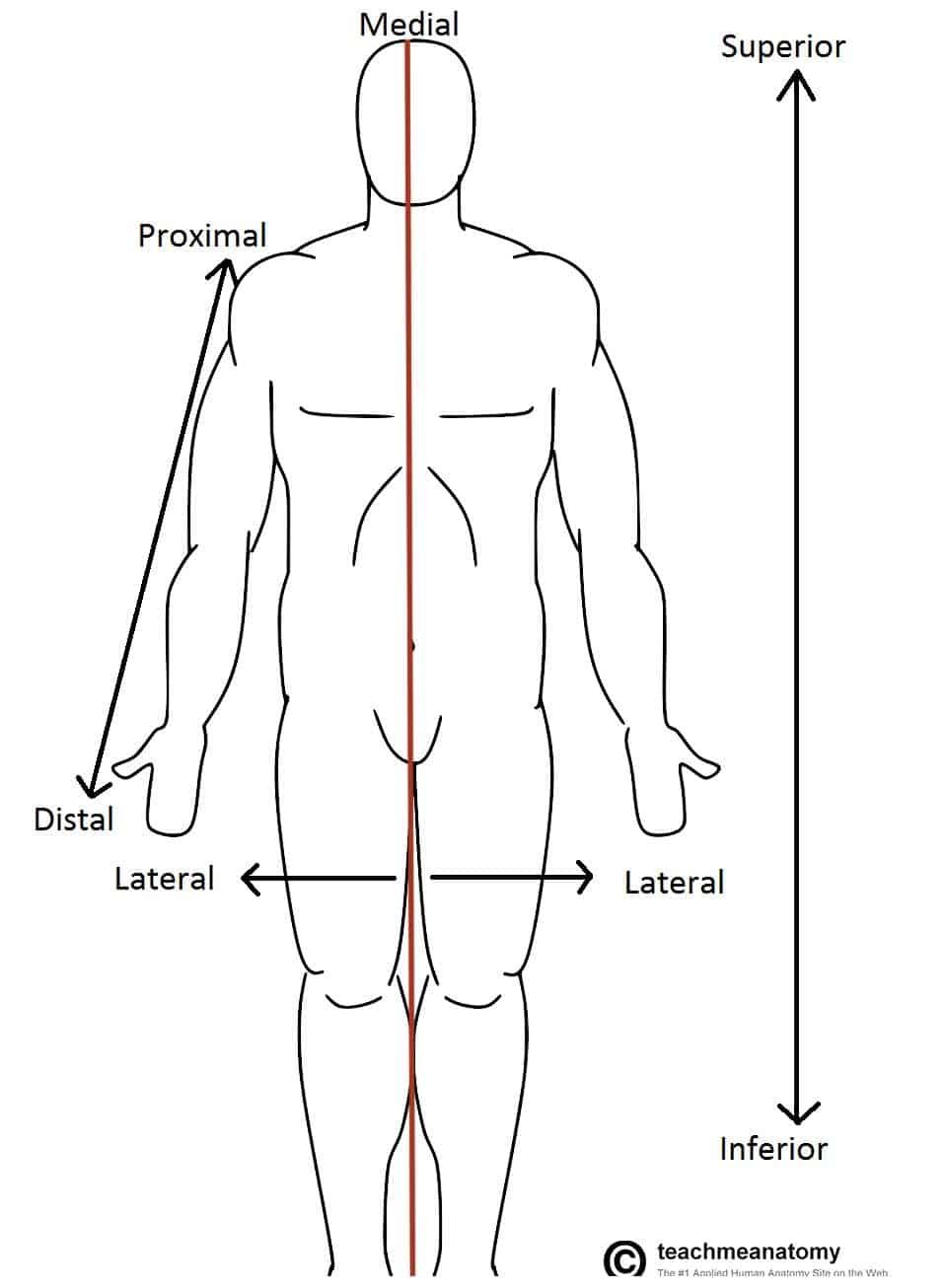
Anterior / Ventral (not in the brain)
Towards the front / belly

Posterior / Dorsal (not in the brain)
Towards the back

Dorsal / Superior (in the brain)
Towards the top

Posterior / Caudal (in the brain)
Towards the back

Ventral / Inferior (in the brain)
Towards the bottom

Anterior / Rostral (in the brain)
Towards the front

Sagittal Plane
Cuts the body in half by separating the right and left halves
Midsagittal plane: a vertical cut right down the center
Parasagittal plane: a vertical cut that is not down the middle

Coronal / Frontal Plane
Cuts the body by separating the front and back halves

Transverse / Axial / Horizontal Plane
Cuts the body in half by separating the trunk and legs (or, in general, the upper and lower parts)

About how many cells are in the human body?
100 trillion
What is the function of ribosomes?
To make proteins by translating genetic instructions

What is the function of the rough endoplasmic reticulum (RER)?
To synthesize, fold, and process proteins for export outside the cell or incorporation into cell membranes

What is the function of the smooth endoplasmic reticulum (SER)?
To synthesizes lipids, processes toxins, and store calcium ions

What is the function of the Golgi apparatus?
To modify, store, sort, and package proteins and lipids for storage or transport out of the cell

What is the function of lysosomes?
To act as the digestive and recycling centers to break down waste

What is the function of the mitochondria?
To produce chemical energy in the form of ATP (adenosine triphosphate) to power the cell's biochemical activities

What are the four types of tissues?
Epithelial
Connective
Muscular
Nervous
In what 3 ways are epithelial tissue cells classified?
Shape
Arrangement
Function
What are some of the places epithelial cells can be found?
The external surface of the body (skin)
Lining internal body cavities (endothelial; mesothelial)

What is this type of epithelial cell?
It lines the vocal folds and blood vessels
It is flat and usually protective
Shape: Squamous
What is this type of epithelial cell?
Tall and rectangular
Lines the stomach and intestines
Shape: Columnar

What is this type of epithelial cell?
Cube-shaped
Lines the surface of ovaries and nephrons
Nephrons are the tiny microscopic structures inside your kidneys that filter your blood and make urine
Shape: Cuboidal

Where can ciliated epithelial cells be found?
Where extra protection is necessary
Lining of the nasal cavity, larynx, and trachea
What arrangement of epithelium lines the digestive tract?
Simple epithelial tissue

What arrangement of epithelium makes up the skin and also lines the mouth cavity and vocal folds?
Stratified

What arrangement of epithelium lines the respiratory tract?
Pseudostratified
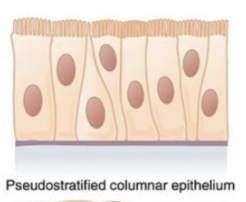
What are the different functions of epithelium?
Protective:
Protect underlying tissue
Secretory:
Secrete specific substances (glands)
Sensory:
Specialized cells in the skin, eyes, ears, nose, and tongue
Involved in processing sensory information
Absorptive:
Absorb nutrients in the digestive system
What are connective tissues?
Tissues that connect or bind structures together and support the body
What are the 3 types of proper connective tissue?
Ligaments: bind or hold structures; some elasticity
Connect bone to bone, bone to cartilage, cartilage to cartilage
Tendons: tough, non-elastic cords
Attach muscle to bone, muscle
Aponeurosis: large, broad tendinous sheets
Encase softer structures, e.g., abdominal aponeurosis
What are the 2 types of supportive connective tissue?
Cartilage: stronger than previous forms of connective tissue, but flexible and capable of growth
Hyaline: has lots of collagenous fibers, ossifies with age
Ossification: the biological process of forming new bone tissue
Elastic: flexible/rubbery due to elastic fibers
Ear cartilage doesn’t stop growing even throughout old age. This is why some old people have very big ears
Fibrous: dense network of collagenous fibers and cartilage cells, associated with joints
Bone: rigid, very strong, hardest of connective tissue
Compact: outer portion
Spongy: inner portion

Where can you find smooth muscle tissue?
The muscles of the gastrointestinal tract
The stomach and intestines (visceral organs)
Blood vessels
Urinary bladder
What are 3 characteristics of smooth muscle tissue?
Non-striated
Innervated by the autonomic nervous system
Involuntary contraction
What are 4 characteristics of cardiac muscle tissue?
Striated
Innervated by the autonomic nervous system
Involuntary contraction
Designed for endurance
What are 4 characteristics of skeletal muscle tissue?
Striated
Innervated by the somatic division of the peripheral nervous system
Voluntary contraction
Usually have a single origin and insertion
Origin: the fixed, stationary attachment site
Insertion: its movable attachment site that gets pulled toward the origin during contraction
What is the predominant type of muscle involved in speech and swallowing?
The Thyrohyoid muscle
A small, flat skeletal muscle in the front of the neck that helps lower the hyoid bone and raise the voice box during swallowing and speaking

What is the smallest functional unit of muscle tissue?
Muscle fiber / Muscle cell
What is a group of muscle fibers called?
Fascicle


Describe the process of muscle contraction
The muscle shortens due to the movement of filaments within myofibrils, brought about by a nerve impulse + Ca2+ trigger

What is a motor unit?
A nerve and its associated muscle fibers

What is Isotonic Concentric contraction?
Muscle shortening + tension

What is Isotonic Eccentric contraction?
Muscle lengthening + tension
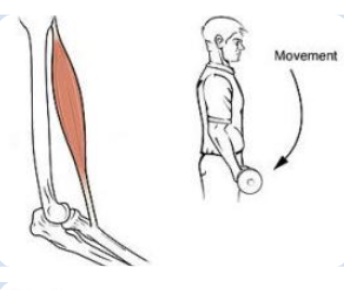
What is Isometric contraction?
No movement + tension

What are the two types of skeletal muscle fibers?
Slow twitch
Better for endurance
Fast twitch
Better for intense, fast bursts

What is the arrangement of these cells? Where are they likely located?
Arrangement: Pseudostratified columnar ciliated
Location: The Goblet cell produces mucus, so it’s likely that this tissue is in the respiratory system (more specifically, the trachea). Cilia also provide extra protection.

What is the arrangement of these cells?
Stratified squamous

What is the arrangement of these cells?
Simple cuboidal
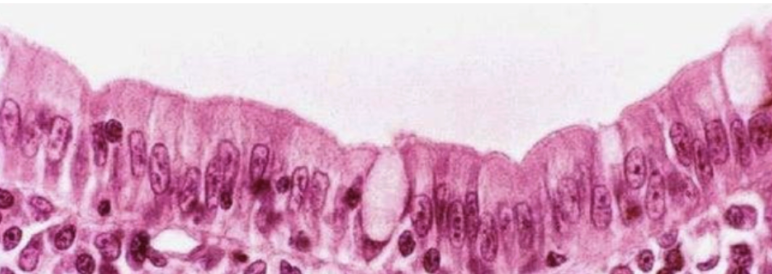
What is the arrangement of these cells?
Simple columnar
What are the two main divisions of the nervous system?
Central Nervous System (CNS)
brain and spinal cord
Peripheral Nervous System (PNS)
cranial nerves and spinal nerves
What subsystems compose the PNS?
The Autonomic Nervous System
Controls heart muscles, smooth muscles, and glands
Further composed of the Parasympathetic Division and the Sympathetic Division
The Somatic Nervous System
Controls voluntary skeletal muscles

What is the Parasympathetic Division responsible for?
“Rest and digest” functions
What is the Sympathetic Division responsible for?
“Active and alert” / “Fight or flight” responses
What are the 3 main functions of the nervous system?
Gather Sensory Information
Synthesize Information
Respond to Stimuli

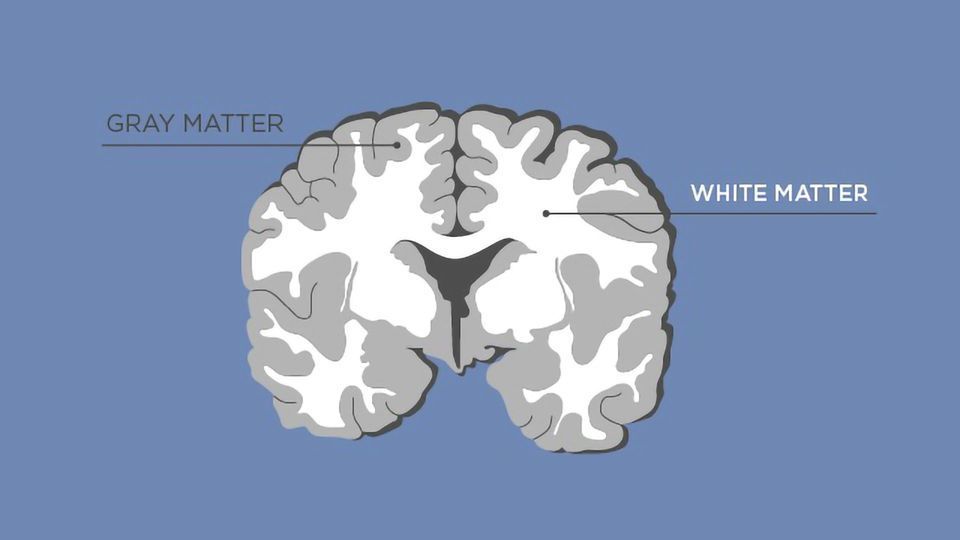
What is white matter?
Myelinated axons

What is gray matter?
Clusters of neuron cell bodies (soma)
What is a tract?
A bundle of axons within the CNS
What are nuclei?
Clusters of cell bodies within the CNS
What are nerves?
Bundles of axons within the PNS
What is the difference between a tract and a nerve?
They both are clusters of axons, but tracts exist in the CNS, while nerves exist in the PNS
What is the difference between nuclei and ganglia?
They both are clusters of cell bodies, but nuclei exist in the CNS, while ganglia exist in the PNS
What are ganglia?
Clusters of cell bodies within the PNS
What does the term “efferent” describe?
Motor output from the CNS to the PNS
What does the term “afferent” describe?
Sensory input from the PNS to the CNS
What is the definition of a neuron?
“A neuron is a specialized signaling cell in the nervous system that transmits electrochemical signals to coordinate all actions, thoughts, and feelings throughout the body.”
What do glial cells do?
Glial cells support neurons

What are the 3 types of macroglia?
Oligodendrocyte
Schwann Cell
Astrocyte
What do Oligodendrocytes & Schwann Cells do?
Produce myelin
What is the only difference between Oligodendrocytes & Schwann Cells?
They have the exact same function, just different names if found in CNS vs. PNS
Oligodendrocyte: CNS
Schwann Cell: PNS
What are the 5 functions of astrocytes?
Scaffolding: neuronal migration (ie. glue)
Neuronal survival
Synaptic neurotransmitter cleanup
Formation of the blood-brain barrier
Maintenance of neuronal homeostasis
Extracellular fluid
Energy
What are the functions of microglia?
They’re considered the “immune cells” of the CNS
Immune response to injury
Remove debris
Neuronal support
Programmed cell death
Homeostasis
Disease processes
Inflammation and neurodegeneration
True or false: “Neurons are only found within the CNS.”
False. Neurons are also found within the PNS (for example, on muscles)
What is the typical “receiver” limb of the neuron?
The dendrite
What is the typical “sender” limb of the neuron?
The axon
What is the axon terminal/button?
The small, swollen end of a nerve fiber that passes signals to other cells
How does an action potential occur?
Depolarization (cell becomes positive) due to an influx of Na+
What element causes repolarization?
An outflux of K+ causes repolarization (the cell becomes negative)
What is the neuromuscular junction?
Synapse in the PNS
Axonal terminal connecting to muscle tissue
Release of neurotransmitter Acetylcholine (Ach)
Action potential = muscle contraction

The brain is composed of 3 parts. What are they?
Cerebrum
Cerebellum
Brainstem
Midbrain
Pons
Medulla
What is a gyRus?
A Ridge in the cerebrum.
What is a sulcus?
A fissure in the cerebrum
What divides the brain into two halves?
The Longitudinal Fissure
What connects the two hemispheres of the brain?
The Corpus Callosum
What are the 4 lobes of the brain?
Frontal Lobe
Parietal Lobe
Temporal Lobe
Occipital Lobe

What does the precentral gyrus house?
The primary motor cortex (M1), which issues commands to perform contralateral voluntary movement
organized by a motor homunculus

What does the premotor cortex house?
The Premotor (PMA) & supplementary motor areas (SMA), which are responsible for planning movement
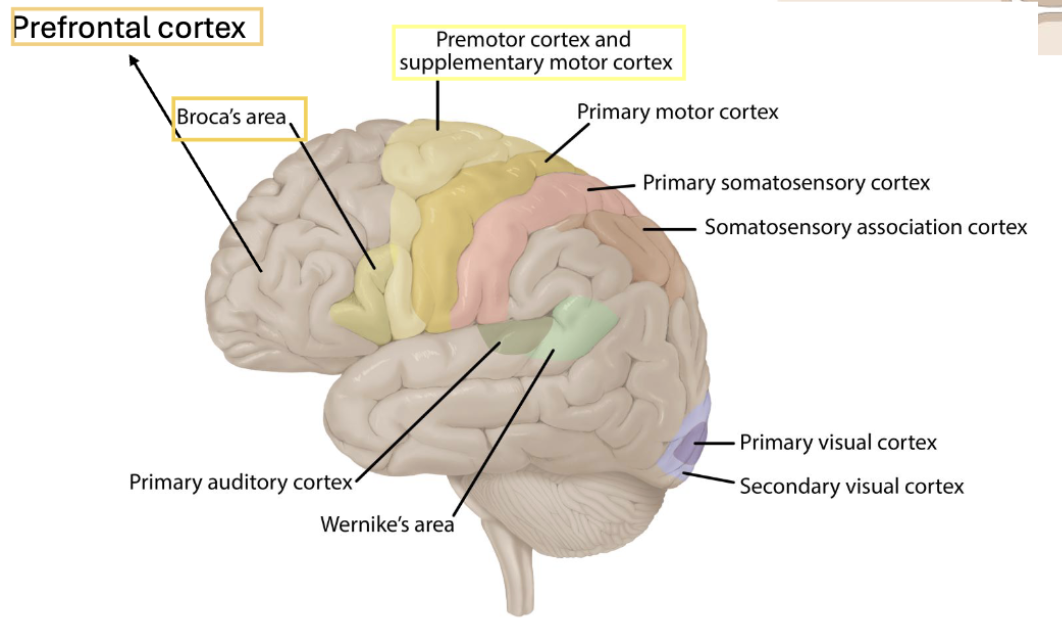
What does the inferior frontal gyrus house?
Broca’s area, which is responsible for language expression
Coordinates muscles in the mouth, tongue, and larynx for speech production
Helps process grammar and syntax
Assists with processing the meaning of words and complex sentence structures
Involved in hand movements, gesticulation, and understanding the actions of others
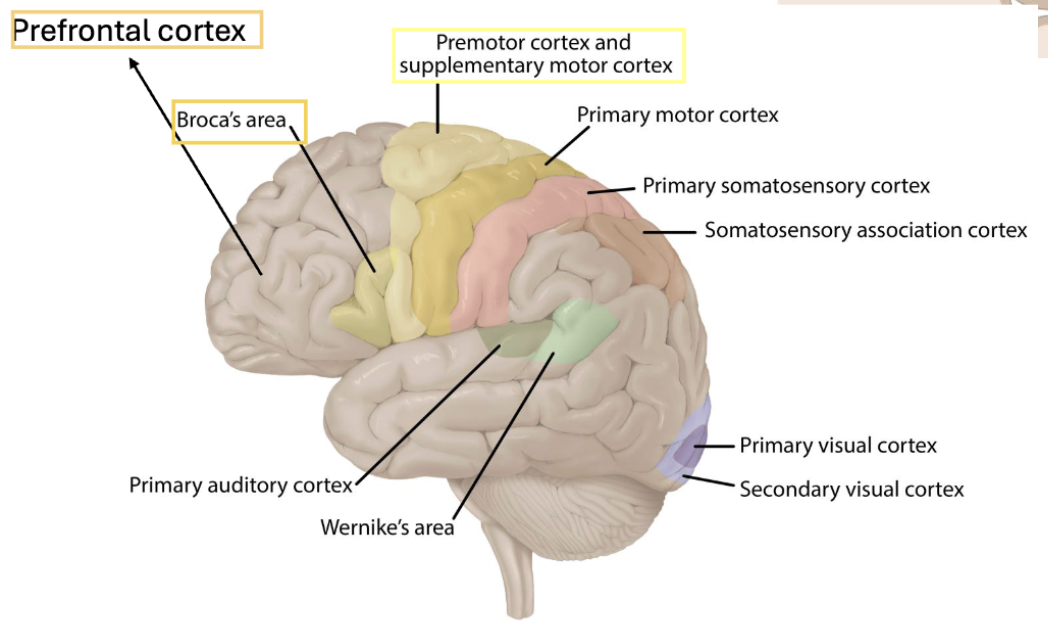
What is Broca’s Aphasia like?
Broca’s Aphasia results in slow, halting speech with missing grammatical words, even though the person usually understands what others are saying
What is the prefrontal cortex responsible for?
Executive functions
Social rules
Higher-level thinking
Personality and emotional regulation
Decision-making
Impulse control
Working memory
Planning and focus

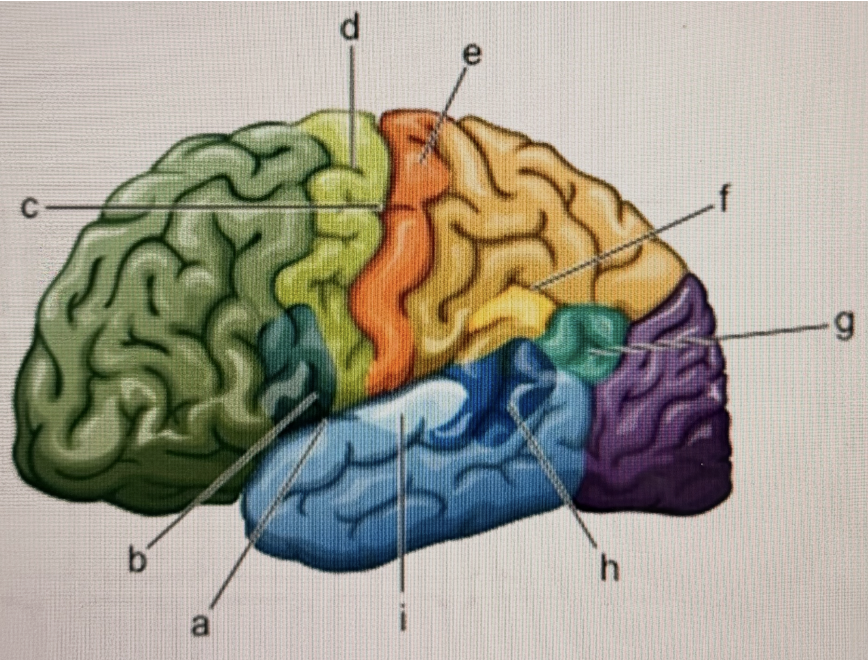
What does the central sulcus / fissure (c) separate?
The frontal lobe and the parietal lobe
The primary motor cortex (d) and the primary somatosensory cortex (e)
What does the postcentral gyrus house?
The primary somatosensory area (S1), which responds to touch and pain stimuli from contralateral sides of the body
organized by a sensory homunculus


What does the posterior parietal cortex (PPC) house?
Somatosensory association cortex
Angular gyrus
Supramarginal gyrus


What is the angular gyrus (g) responsible for?
Language processing
Spatial cognition
Comprehension of metaphors
Math and calculations
Helping you understand where you are in space and tell right from left
Helping you understand that other people have thoughts, beliefs, and feelings different from your own (Theory of Mind)


What is the supramarginal gyrus (f) responsible for?
Understanding word meaning
Processes language sounds
Following verbal instructions
Interpreting touch
Controlling empathy
Recognizing body posture and gestures


Where is the superior gyrus and what does it house?
It is in the temporal lobe and it houses the primary auditory cortex and Wernicke’s area


What is Wernicke’s Area (h) responsible for?
Comprehending spoken and written language
Supporting the retrieval of the phonemes needed for word retrieval, reading aloud, and repeating speech
Turning visual letters and auditory sounds into clear, understandable concepts
What is Wernicke’s Aphasia like?
Wernicke’s Aphasia results in fluent speech with normal rhythm, but sentences lack meaning, often containing made-up words or senseless "word salad," and they struggle to understand other people

What is the primary auditory cortex (i) responsible for?
Receiving and analyzing basic sound information from the ears via the thalamus
Identifying elemental features of a sound, such as its frequency and intensity
Contains a tonotopic map where neighboring neurons respond to neighboring sound frequencies, mirroring the layout of the cochlea in the inner ear
Determining where a sound is coming from in space
Processes temporal sequences, basic speech phonemes, and elementary musical notes before sending them to higher-order association areas