Insulin, Glucagon, Somatostatin and Metabolic States
 Call Kai
 Learn
 Practice Test
 Spaced Repetition
 Match
 Flashcards
 Knowt Play
1/93

There's no tags or description
Looks like no tags are added yet.
94 Terms
most abundant carbohydrates in human diet
starch
sucrose
glucose
fructose
lactose
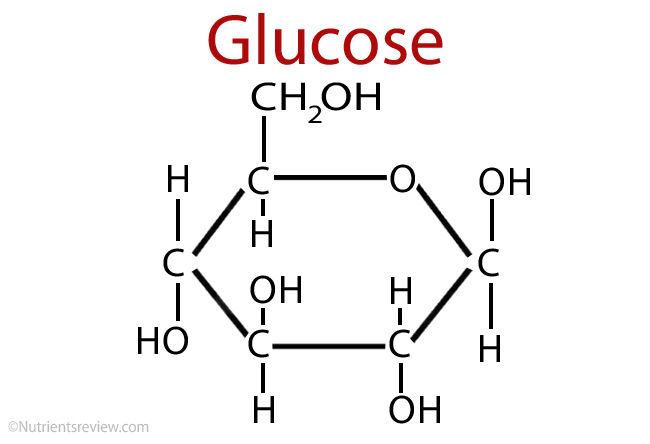
glucose
6-carbon simple sugar, basic building block of many other molc, may be stored for later use
glycogen
polysaccharide that serves as the major storage form of glucose in mammalian tissues, including LIVER

one of the most important functions of pancreas & liver
monitor & adjust the level of glucose circulating in the blood
blood levels are controlled primarily through what 2 hormones?
insulin
glucagon
glycosylation
addition of glucose or other carbohydrates to proteins
helps protein in a variety of ways, including adding stability to the folded protein
glucose and other sugars can become ____________ attached to hemoglobin, forming glycosylated hemoglobin
irreversibly
level of HbA1c in blood provides an indication of …
patient’s blood glucose levels over the past several months
how long does glycosylated hemoglobin (HbA1c) last?
lifetime of the RBC (120d)
hemoglobin is carried by __________
RBC
normal HbA1c
<5.7%
pre-diabetic range HbA1c
5.7-6.4%
diagnosed as diabetes HbA1c
>6.4%
need 2 consecutive tests to confirm
An individual with HbA1c levels of 5.7% or higher would be expected to have had _________ for more than a few months
hyperglycemia
what does a single blood glucose analysis tell you?
info abt blood glucose only at that time (snapshot)
metabolic states exist in a __________
continuum- transitions bw states are imprecise rather than having specific start/stop time
based not only on when the last meal was consumed but also what the meal may have consisted of and what other metabolic functions are in play at the time
fed state
The Fed State begins with the consumption of the meal and continues through approximately three hours after the meal.
o The focus of this state is the absorption of consumed macronutrients, including most importantly glucose.
o During this state, the body attempts to decrease the concentration of circulating blood glucose to below approximately 100 mg/dL.
o Insulin positively regulates most of the pathways that are active during this state.
focus of fed state
absorption of consumed macronutrients, esp glucose
during fed state, body attempts to decrease the concentration of circulating blood glucose below ~_____
100mg/dL
what hormone positively regulates most of pathways active in fed state?
insulin
insulin increases absorption of glucose by __________ and __________
skeletal muscle / adipose
does insulin increase absorption of glucose by the brain?
no
glucose absorbed by muscle is used for…
energy or to replenish glycogen stores, which can be depleted during exercise
in adipocytes, glucose can be used for…
energy production or as a source of the glycerol portion of triacylglycerol, which makes up the fat stored by adipocytes
in the brain, ________ and _______ will absorb glucose and use it for energy production
neurons / glia
basal/fasting state
also known as the post-absorptive state, begins approximately 12 hours after consumption of the last meal, such as prior to breakfast when you haven't eaten anything since dinner the previous evening.
The goal is to maintain plasma glucose concentrations above approximately 70 mg/dL.
If blood glucose levels drop below 70 mg/dL, the individual is said to be in a hypoglycemic state.
If the concentration drops below 40 mg/dL, brain function is impaired, so blood glucose levels below 40 mg/dL are considered life-threatening.
what indicates a hypoglycemic state?
70 mg/dL
what happens if blood glucose drops below 40 mg/dL?
brain function is impaired (life threatening)
glucagon regulation of basal state
positively regulates pathways in basal state
what happens to glucose generated by the liver during the basal state?
it is released to the blood for absorption by other tissues
liver doesn’t need glucose for energy production
does glucagon stimulate absorption of glucose by tissues like brain and RBCs?
NO- that would lower blood glucose levels
in the basal state, glucose is absorbed by tissues such as…
brain and RBC
to produce energy
starvation state
If an individual does not consume any food for a period of at least three days, their body will move into the Starvation State
key diff bw starvation and basal state
in starvation state, all glycogen stores in liver have been depleted
role of liver glycogen in basal state
used to maintain blood glucose
focus of body in starvation state
maintain blood glucose concentrations above approximately 70 mg/dL
what positively regulates the metabolic pathways that are active during the starvation state?
glucagon
what is the liver doing in starvation state?
continues to generate glucose from precursors released by adipocytes & muscle → this new glucose i released to the blood for use by other tissues
also begins to convert fatty acids released from adipose to ketones, which will be used by brain & other tissues for energy production
why does the liver switch to ketone body production in starvation state?
glucose sparing
allows glucose circulating in the blood to be saved (spared) for critical functions and for cells incapable of using anything else for energy (like RBC)
glucose sparing via ketone production reduces the demand for ___________ from proteins broken down by muscle, so it protects ___________
amino acids / integrity of the muscle
does glucagon impact glucose/ketone body absorption by the brain and RBC?
no
4 organs w dominant role in regulating energy metabolism
liver
adipose tissue
muscle
brain
secondary regulators of energy metabolism
epinephrine
norepinephrine
somatostatin
insulin structure
Insulin is a polypeptide hormone that is produced by β-cells of the islets of Langerhans in the pancreas
what cells release insulin
beta cells of pancreas
what is insulin synthesized as?
preproinsulin
steps of insulin synthesis
synthesized as preproinsulin
moves to ER
N-terminal portion is removed, leaving proinsulin
proinsulin moves to Golgi apparatus
C-peptide is removed from remaining sequence
fully folded & mature insulin is stored in secretory granules & released by exocytosis upon stimulus
C-peptide
necessary for proper folding of the insulin and for formation of the disulfide bonds between the two polypeptide chains of the active insulin molecule.
what cells secrete glucaon?
alpha cells in pancreas
insulin is secreted in response to…
glucose
amino acids
GI enzymes
the release of insulin & glucagon is regulated to keep the rate of hepatic glucose production equal to the rate of ___________ by peripheral tissues
glucose use
most important glucose sensing cells in body
pancreatic beta cells
contain GLUT-2 transporters
GLUT-2 transporters allow _________ to equilibrate quickly across the membrane
glucose
glucokinase
enzyme found in beta cells
converts glucose → glucose-6-P (initiates glycolysis)
has low affinity for glucose but high rate of metabolism of glucose → takes more glucose to trigger binding to glucokinase to initiate rxn, but once glucose is bound, rxn is rapid
steps of insulin release from beta pancreatic cells
glucose → glucose-6-P + ATP via glucokinase
greater ATP/ADP ratios inhibit ATP-sensitive K+ channels, causing them to close (K+ remains in cell) & cause depolarization of cell membrane
membrane depolarization opens voltage-gated Ca2+ channels, allowing Ca to enter cell
increased cytosolic Ca2+ stimulates insulin release to the circulation
ingestion of proteins induces release of _______
insulin
after food is consumed, _________ are released from the small intestine, and these cause an ___________ in insulin levels
GI enzymes / anticipatory rise
2 important GI enzymes
cholecystokinin
incretins
both are glucose-dependent insulinotropic peptides
both synthesis & release of insulin _________ when there are low levels of fuel sources (such as glucose or AA) during periods of stress
decrease
inhibition of insulin secretion is mediated by hormones such as ____________
epinephrine
released from adrenal medulla during periods of stress, trauma, or extreme exercise
controlled largely by the nervous system
epinephrine has a direct effect on __________
energy metabolism
causes a rapid release of fuels such as glucose from the
liver via glycogenolysis and gluconeogenesis
and fatty acids from adipose tissue.
what hormone can override the normal glucose-stimulated release of insulin?
epinephrine
In emergency situations, epinephrine replaces plasma glucose concentrations as the major controlling influence over insulin secretion.
under normal situations, rank level of control of 3 main insulin regulators
glucose
amino acids
epinephrine
effect of somatostatin on insulin secretion
inhibits
to produce the diverse effects of insulin, insulin must first bind to …
high affinity receptors in the cell membrane
insulin receptor is synthesized as…
single polypeptide that is glycosylated and cleaved into α- and β-subunits
describe insulin receptor
synthesized as a single polypeptide that is glycosylated and
cleaved into α- and β-subunits.
These α- and β-subunits are then assembled into a tetramer linked by disulfide bonds.
The α-subunits are situated on the extracellular surface of the membrane and contain the insulin binding domain.
Within the β-subunits, there are hydrophobic regions that span the cell membrane
describe process of insulin binding receptor
• When insulin binds the α-subunits, it induces a conformational change that is transduced to the β-subunits.
→ These conformational changes cause rapid autophosphorylation of the β-subunits.
→ The autophosphorylation of the β-subunits initiates a cascade of cell-signaling
responses, including the phosphorylation of a group of peptides called insulin receptor
substrates (IRSs).
These phosphorylated IRSs interact with other signaling molecules and activate pathways that
affect gene expression, cell metabolism and cell growth.
o The actions of insulin are terminated by dephosphorylation of the receptor.
The actions of insulin are terminated by _________ of the receptor.
dephosphorylation
describe time course of insulin action
within the first few seconds of insulin being bound to its receptor on a target cell, there is an increase in glucose transport into cells via GLUT4 transporter
within min-hrs, there are changes in enzymatic activity, reflecting dephosphorylation of existing enzymes
within hrs-days after binding the receptor, there is increased transcription and translation of many enzymes that are involved in energy metabolic pathways
what do cells outside liver and pancreas use GLUT-4 transporter for?
glucose absorption, and this transporter moves to the cell surface in response to insulin binding its receptor.
in the liver & muscle, insulin stimulates…
storage of glucose by increasing glycogen synthesis
in the muscle & adipose insulin __________ glucose uptake by increasing the number of ___________ on the surface of these cells
increases / GLUT-4 transporters
in the liver, insulin inhibits process what 2 processes?
gluconeogenesis
glycogenolysis
(processes that create more glucose)
insulin stimulates removal of _________from enzymes that were phosphorylated in the presence of ________
phosphate / glucagon
in general, when phosphate groups are removed, enzymes become ________
activated
when insulin binds its receptor, it stimulates absorption of ___________ into target cell
amino acids
insulin release from beta cells is ___________ in response t amino acid consumption
increased
to avoid accumulating too many amino acids in bloodstream
glucagon opposes many actions of insulin and is therefore considered a __________
counterregulatory hormone
glucagon is originally synth as _____________
counterregulatory
glucagon release is stimulated by …
low levels of glucose and consumption of amino acids in meals containing proteins
major role of glucagon
support glucose levels during the fasting and starvation states when they fall below 100 mg/dL.
glucagon promotes…
processes involved in increasing blood glucose levels, including gluconeogenesis and glycogenolysis
glucagon inhibits
the breakdown of glucose by the liver, since the liver has other means for generating energy
how does glucagon increase gluconeogenesis?
thru phosphorylation & inactivation of a regulatory enzyme
this action also inhibits the synthesis of enzymes involved in gluconeogenesis
glucagon stimulates synthesis of __________ involved in gluconeogenesis
enzymes
glucagon causes inhibition of enzymes involved in _____________
glycogen synthesis
so glucose is no longer routed for storage
glucagon activates enzyme involved in _________
glycogen breakdown
somatostatin
polypeptide hormone synthesized from the delta cells of the Islets of Langerhans in the pancreas.
o Somatostatin is also considered a counterregulatory hormone because it inhibits the release of other hormones, especially insulin.
o Somatostatin is originally synthesized as preprosomatostatin.
→ Preprosomatostatin is converted to somatostatin through a series of selective cleavages.
somatostatin is considered a __________ hormone
counterregulatory
inhibits release of other hormones, esp insulin
somatostatin is originally synth as _________
preprosomatostatin
somatostatin has _________ effect on energy metabolism
indirect
effect of somatostatin on gastric emptying
slows gastric emptying, thereby reducing absorption of nutrients from the GI tract into circulation
what inhibits somatostatin release?
somatostatin inhibits its own release (autocrine)