History Midterm
 Call Kai
 Learn
 Practice Test
 Spaced Repetition
 Match
 Flashcards
 Knowt Play
1/55

There's no tags or description
Looks like no tags are added yet.
56 Terms
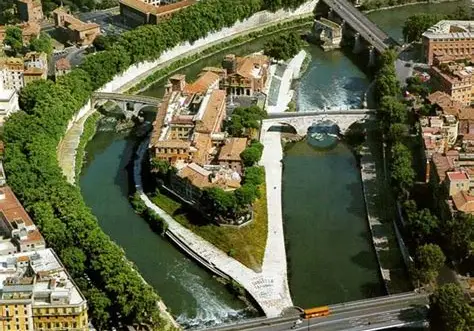
Tiber Island
Used to be a temple of Aesculapius (God of Medicine)
Built during Republican time
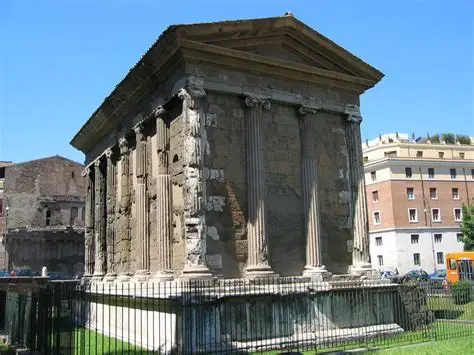
Temple of Portunus
Republican time
Roman Concrete
Mortar AND Stone with SEAWATER; main ancient roman building technique
Apollodorus of Damascus
Great architect and engineer; not often credited with specific projects but is one of the only architects ever depicted in sculpture or written about; designed domes
Fired Brick / Roman Brick
Long and flat bricks made by craftspeople; walls were commonly double layered or very thick; laid with mortar; main ancient roman building technique
Romulus
Mythological founder of Rome
Twins and mother wolf story; kills twin to become ruler


Circo Massimo
Established in the first centuries (Regal) but used and updated through all periods; racers come around the tower at the end
Roman Republic
509 - 27 BCE (1st Century BCE, almost 500 year time)
SPQR (Senate and People of Rome); elected officials; political influence from population
Conquered/allied with a lot of land (italian peninsula, mediterranian, north africa, up to france)
Built a lotta roads, markets, and ports
Ended when Cesar was killed and the Empire began; ended with civil unrest and class division

Temple of Hercules Olivarus
Republican time
Earliest surviving marble temple; made of Greek marble; built by a rich man to thank Hercules for his protection
Julius Cesar
Made himself dictator in 48 BCE and took full control in 45 BCE amidst civil wars / unrest; did lots for public wellfare; senators didn’t like not being in power and assassinated him in 44 BCE; Rome still fell into civil war
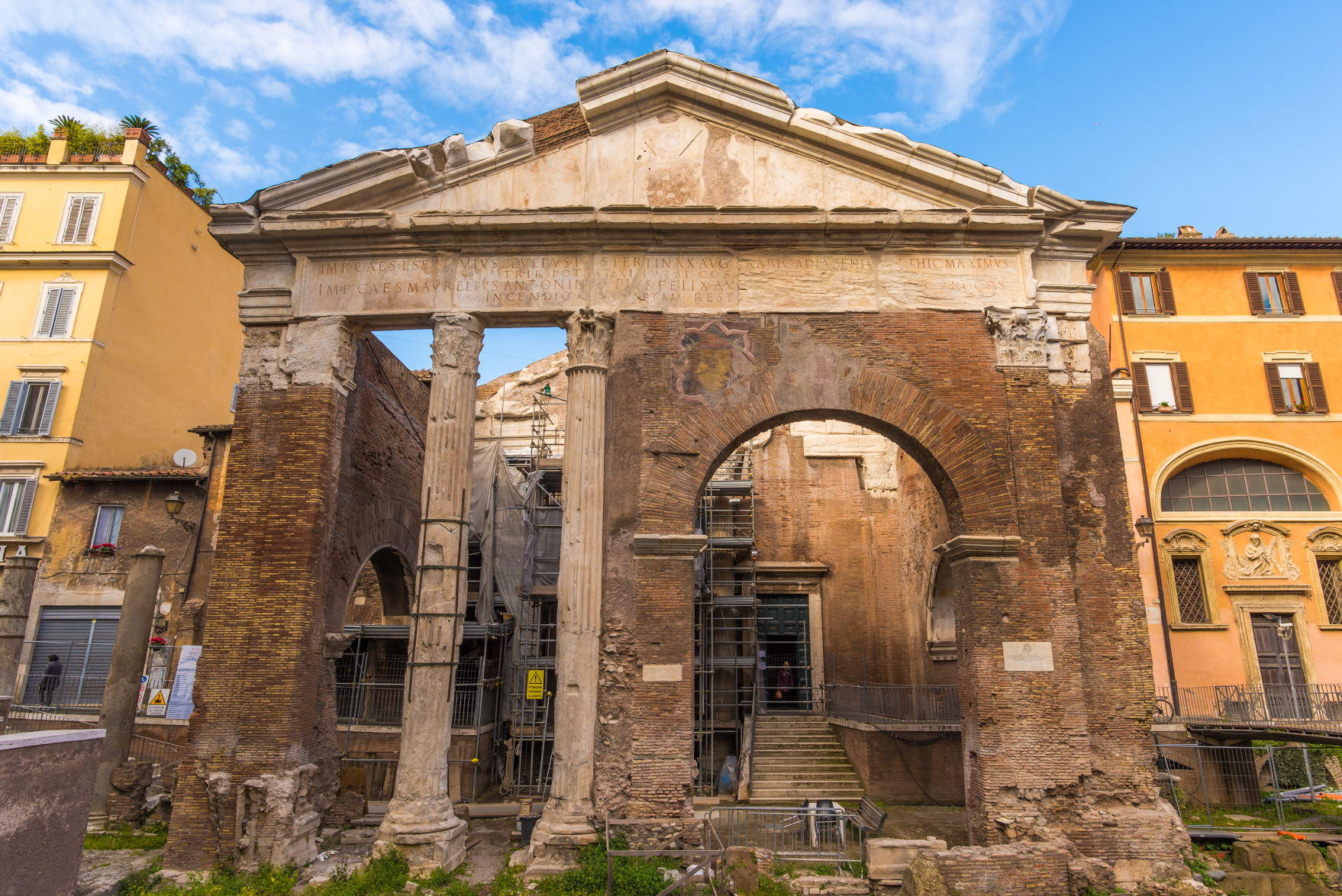
Porticus of Octavia
Imperial time; used to be a whole complex of formal buildings
Augustus (Octavian)
First Roman emperor; appointed in Cesar’s will; took formal rule in 27 BCE

Theater of Marcellus
Started in Republican by Cesar, finished by Augustus in honor of his nephew who died; inspired the colusseum; travertine
Private home built on top added much later by rich patron
Hadrian
Emperor of Rome; loved Greece; Patronized the arts and intellects
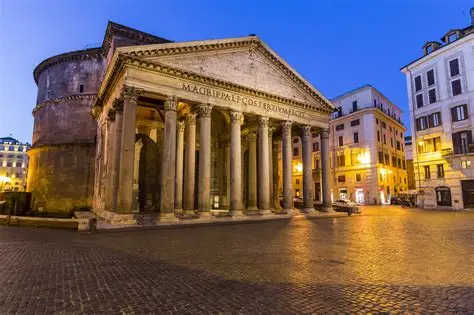

Pantheon
Imperial time
Started by Trajan
Rebuilt by Hadrian after originals were destroyed in natural disasters; perfect circle able to be held inside; extremely thick walls that get thinner further up; many structures built around it to hold it up; dedicated to all gods; unknown architect but possibly Apollodorus; dating available from brick stamps
Concrete, brick, travertine, tufa to build structure
Portico is lower than intended due to shorter columns ordered from Egypt
Worlds largest concrete dome
Oculus was unintended because a closed dome was too dangerous to build
Formerly part of a massive complex of buildings and temples
Many important figures and artists buried there (Italian royal family, Rafael)
Now a church

Emblema
Opus Sectile
Type of mosaic composed of large pieces of varying materials including natural stone and glass

Medeusa’s Head by Bernini
Special because of the captured emotion on her face; a “frozen moment in time”

Statue of Constantine
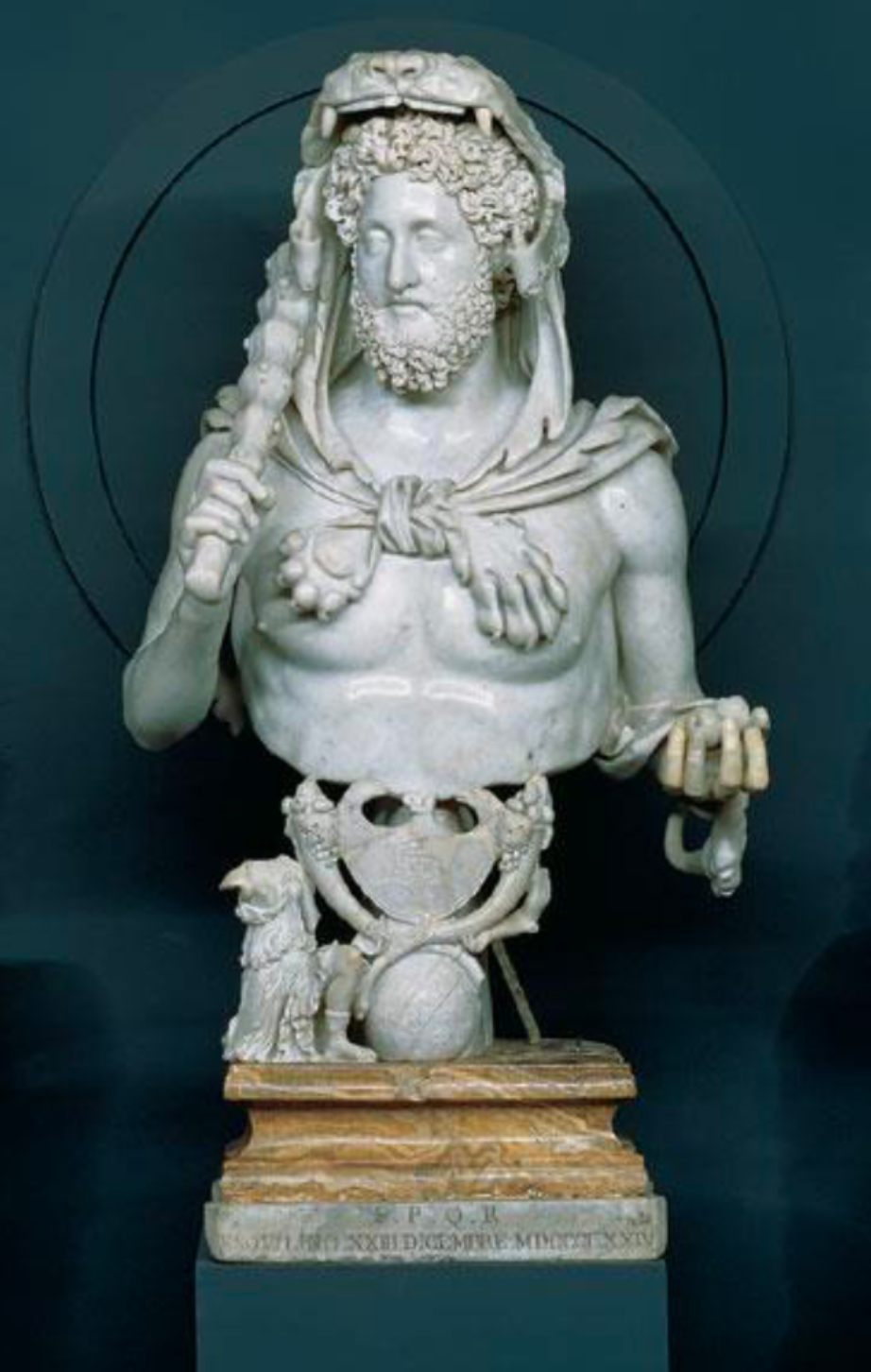
Political figure depicted as Hercules; early form of political propaganda; multiple copies would’ve been made and shipped all over the empire to be placed in public squares

Marcus Aurelius
Originally was placed outside in the center of the piazza; depicted as a merciful, powerful savior
Underneath the Capitoline Museums
The Temple of Jupiter foundations
Massive, ancient temple to Jupiter on the second tallest hill in Rome

Dying Gaul
A dying Turkish adversary depicted as a noble fighter; was very rare for someone to be depicted in a dynamic and vulnerable state, especially an enemy; a sign of Roman victory but respect for the opponent
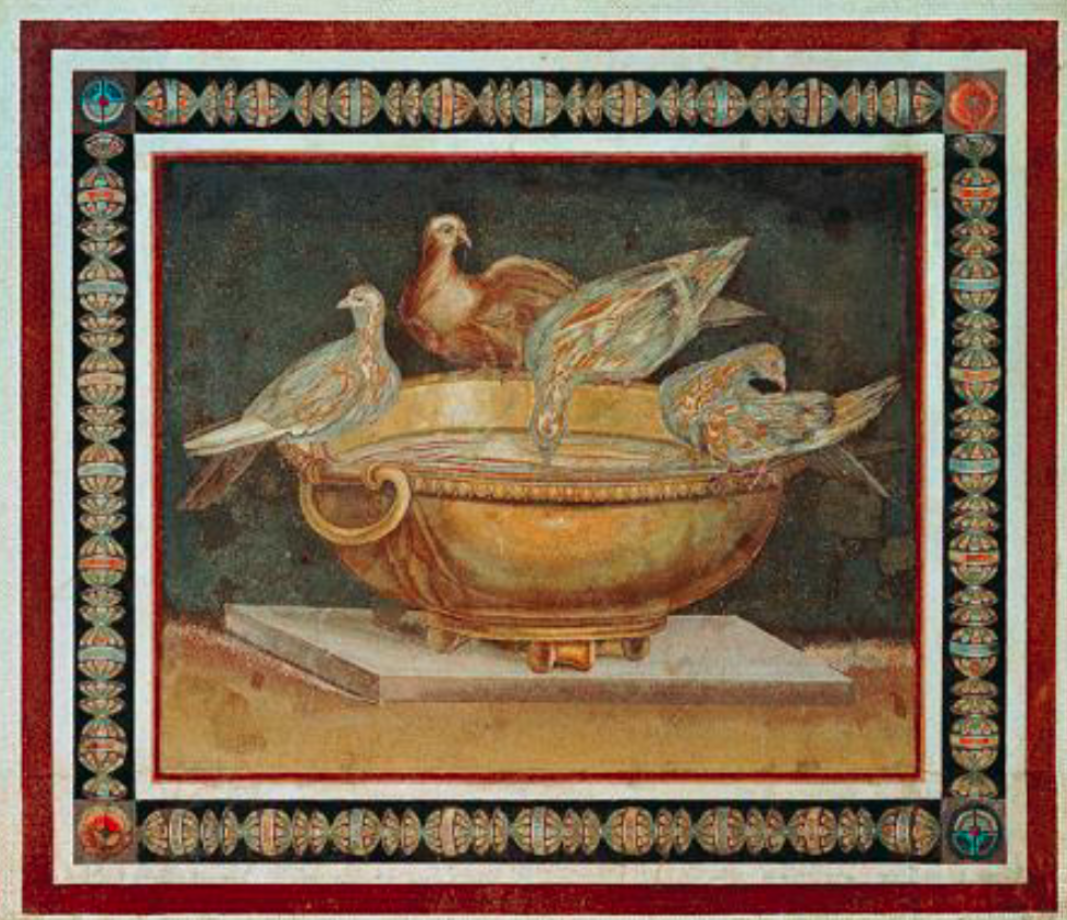
Mosaic emblema from Hadrian’s villa

Musei Capitolini
Designed by Michelangelo
Constantine
Emperor 306-337 CE
Legalized Christianity; transition to the Middle Ages; made significant governmental changes; built very important churches

The Lateran
Originally owned by Laterani family in the Empire who lost their land to Cesar; Palace of the Popes; Cathedral of St John Lateran; baptistry; sacred stairway; popes chapel; land mostly developed in mideval buildings with interiors or facades redone in baroque
First christan basilica and first christian church in Rome
Cathedra
Pope/bishop throne


Lateran Baptistry
440 CE
Untrue legend that Constantine was baptized here; first baptistry in Rome
Martin V Colonna
Pope 1417-1431
Reunited Rome after the papacy had moved to France for a time; established papal residence near Vatican; began development of Lateran area


Basilica of San Clemente
1st century Roman warehouse - mideval church - early renaissance church
Some of the first mideval frescoes; Cosmatesque floor
Cosmati Family
4 generations of architects and artisans, including mosaic church floors; 1100s - 1200s;
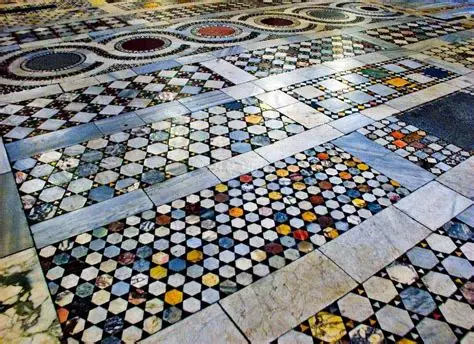
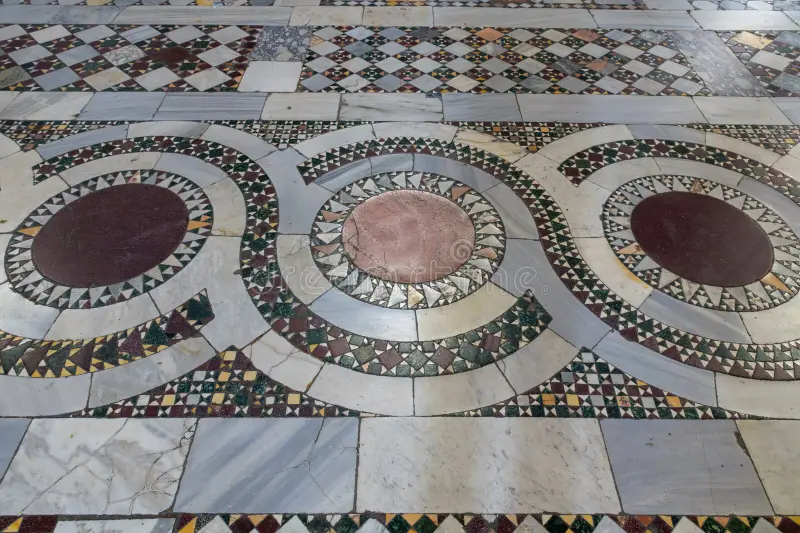
Cosmatesque
Type of Opus Sectile; can be applied to any surface
Humanism
Late middle ages / Early renaissance; Began in Florence
Way of thinking that de-centralized the Church/god; value, dignity, and human potential; study of culture and nature to improve society; admired ancient Greece and Rome; way of thinking reflected in art, architecture, and changes in societal structure
Buildings designed to serve people, not display authority
Vitruvius
1st cen BCE
Roman architect and engineer; visual harmony; humanist principles; classical revival; geometry; influenced many architects after him; ratios of length and height
Durability
Function
Beauty
Michelangelo
High Renaissance 1490-1527
Monumentalism; emotional intensity
Raphael
High Renaissance 1490-1527
Perfected spatial arrangements; clarity; grace
Bramante
High Renaissance 1500-1527
Classical forms applied to modern buildings; maintained functionality and reasoning
Leon Battista Alberti
Late 1400s
Author and architect; influenced by Vitruvius and republished his ideas; spread influence of classical ratios and geometry
Sixtus IV Della Rovere
Pope 1471-1484
Large patron of arts and loved naming things after himself; displayed wealth and power
Julius II Della Rovere
Pope 1503-1513
Nephew of Sixtus; lot of war; established Vatican museums and st peters basilica
Leo X Medici
Pope 1513-1521
Did not GAF about the church and just wanted to spend money and live lavishly; worked towards maintaining his family’s powerful position in Florence and Rome
Paul III Farnese
Pope 1534-1549
Started Council of Trent & counter-reformationism
Paul II Barbo
Pope 1464-1471
Piazza Venezia development; resided at Vatican


Palazzo & Piazza Venezia
15th Cen; Dawn of Renaissance architecture in Rome
Patronized by Pope Paul II; Batista may be affiliated but unsure; travertine from Colusseum; pieces of a classical form literally “revived” into neoclassical forms; later developed monument to Victor Emanuel II (fancy building)
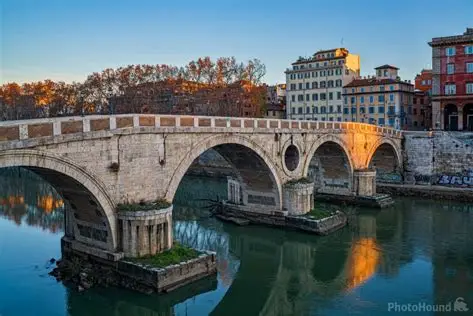
Ponte Sisto 1473-1479
Pope Sixtus IV; Baccio Pontelli; there used to only be one main bridge in the area to cross the Tiber; built from medieval ruins already on site and blocks from the Coliseum; if water reaches the hole in the bridge, the city will soon flood
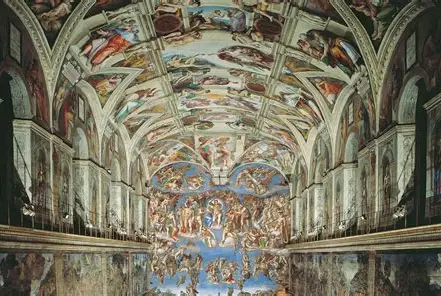
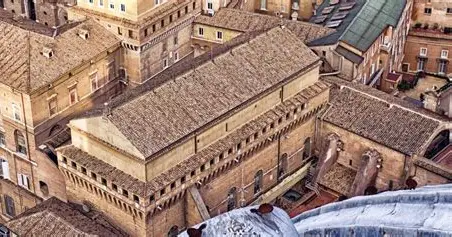
Sistine Chapel 1473-1481 (frescoes continued through 1541)
Pope Sixtus IV; Botticelli; frescoes of life of Moses and life of Christ; original ceiling was blue with stars but it cracked and needed to be repaired; Michelangelo was hired to repaint it and proposed something complex and ornate instead of simple like pope Julius II wanted; painted The Last Judgement which was very controversial but seen as an incredible work of art; Paul III commissioned


Palazzo della Cancelleria 1485-1511
Palace of Cardinal Raffaele Riario (nephew of Sixtus); stone from coliseum and possibly theater of pompey; Piano Nobile with rusticated bottom; included a church; still owned by Vatican; spolia stone from coliseum and other ruins; passed between many popes; spolia’d pieces were recarved or added onto to appear new; new column capitals with renaissance style


Palazzo Farnese 1515-1541
Antonio da Sangallo the Younger; commissioned by Pope Paul III before he was pope; after appointed pope (1534) the palazzo expanded and parts were redone by Michelangelo; variety of window geometries


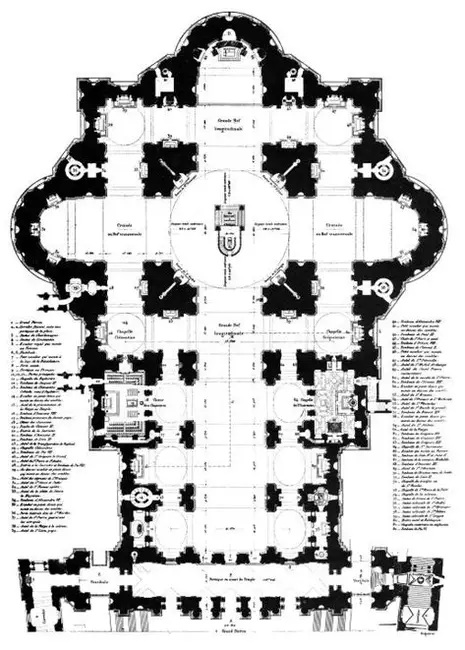
St Peters Basilica 1503-1590
Completely rebuilt starting in 1503 by Bramante; funded by Julius II; Michelangelo took over in 1546 by Paul III; he kept some of Bramante’s original essence but made it more grand; carefully studied other domes to construct a large one for the basilica

Via Giulia
Commissioned by Julius II; designed by Bramante; first important Renaissance urban planning project; large avenue and main streets for easier navigation compared to medieval alleys
Reformation
16th Cen throughout Europe
People didn’t like popes selling “indulgences” to fund lavish projects, so people caused an uprising and demanded reform; invented Protestants
Counter-Reformation
Council of Trent formed by Paul III addressed criticisms and thought of ways to keep people faithful to Catholicism; outlined some roles of art and architecture


Cathedral St John Lateran
Originally built under Constantine; architect wanted all black and white and minimalistic elegance but the pope wanted to preserve the existing antiquities

Scala Santa
Lead to Sancta Sanctorum; decorations patronized by Sixtus V; Jesus Christ is said to have walked on these steps; St Helena brought them from Jerusalem to Rome; may only be ascended on the knees

Sancta Sanctorum
Only building that was not destroyed during Lateran palace reconstruction; original private chapel of papacy; medieval artworks and holy artifacts