Bones of the Body

0.0(0)
Studied by 0 people
call kaiCall Kai
learnLearn
examPractice Test
spaced repetitionSpaced Repetition
heart puzzleMatch
flashcardsFlashcards
GameKnowt Play
Card Sorting

1/26

encourage image

There's no tags or description

Looks like no tags are added yet.

27 Terms

1
New cards

Cranium

Part of the skull enclosing and protecting the brain

<p>Part of the skull enclosing and protecting the brain</p>
2
New cards

Mandible

Lower jaw/jawbone, largest strongest and only movable bone in the skull
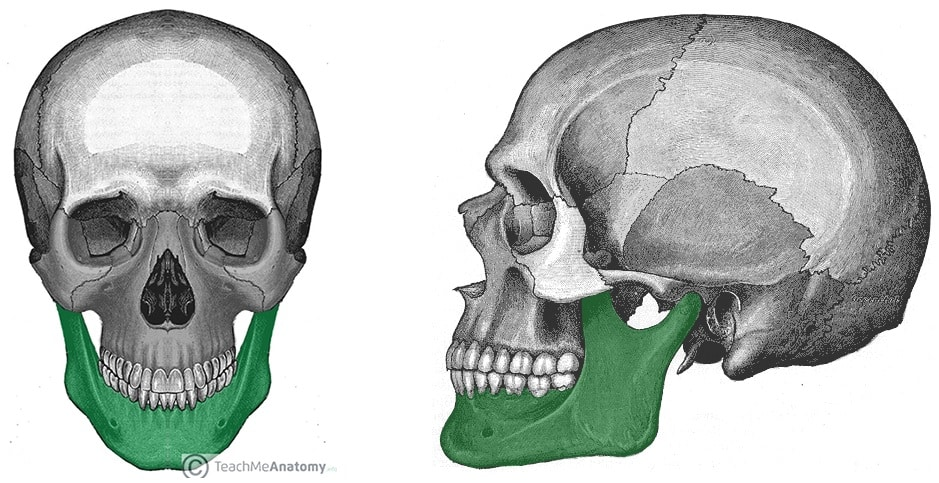
<p>Lower jaw/jawbone, largest strongest and only movable bone in the skull</p>
3
New cards

Scapula

Shoulder blade, flat triangular at the back of the thoracic cage

<p>Shoulder blade, flat triangular at the back of the thoracic cage</p>
4
New cards

Clavicle

Collarbone, slender s-shaped long bone runs across the top of the chest
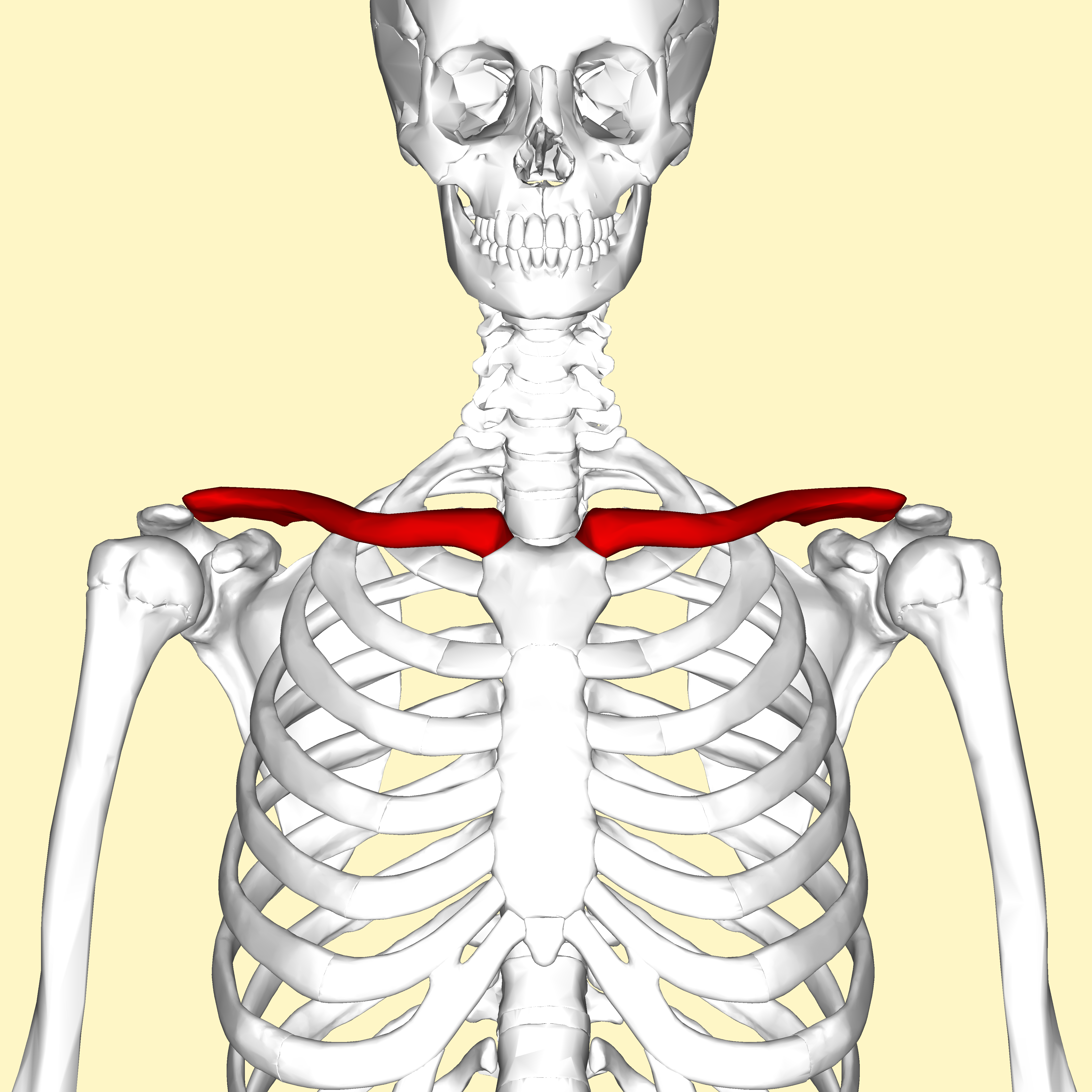
<p>Collarbone, slender s-shaped long bone runs across the top of the chest</p>
5
New cards

Sternum

Forms the front of the rib cage in center of chest, breastbone, long and flat to protect heart, lungs and major blood vessels

<p>Forms the front of the rib cage in center of chest, breastbone, long and flat to protect heart, lungs and major blood vessels</p>
6
New cards

Ribs/Rib Cage

Cage to protect heart and lungs made up of 24 bones (12 pairs)
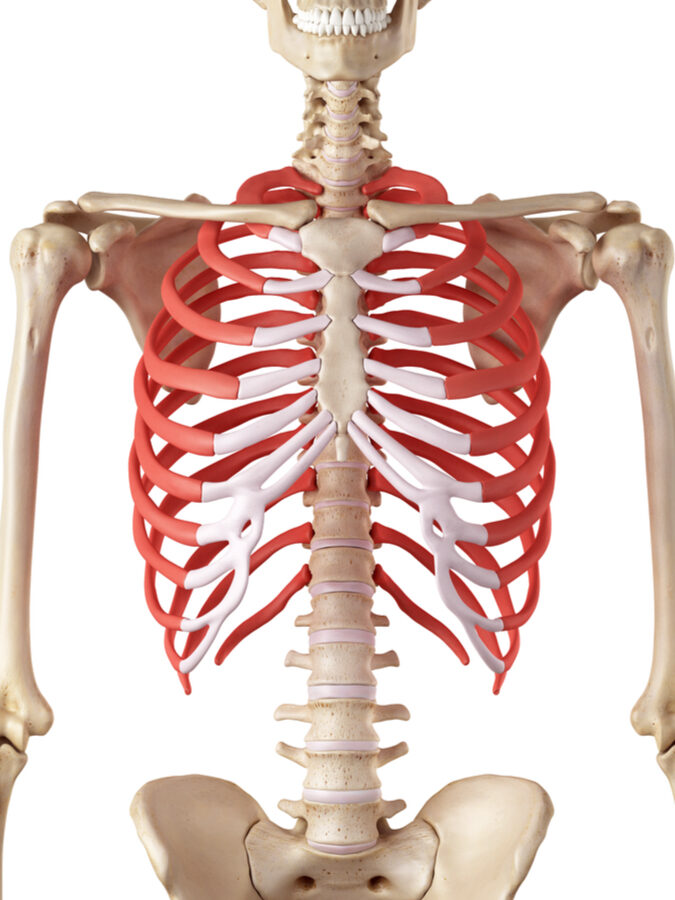
<p>Cage to protect heart and lungs made up of 24 bones (12 pairs)</p>
7
New cards

Humerus

Shoulder to elbow bone. Longest bone in upper limbs and only bone in upper arm

<p>Shoulder to elbow bone. Longest bone in upper limbs and only bone in upper arm</p>
8
New cards

Radius

Long bone in the forearm on the thumb side of the arm (outer)

<p>Long bone in the forearm on the thumb side of the arm (outer)</p>
9
New cards

Ulna

Inner longer bone of the forearm on the pinky side

<p>Inner longer bone of the forearm on the pinky side </p>
10
New cards

Ilium

Largest, uppermost part of hip/pelvic bone. Forms the wing shape of the hip

<p>Largest, uppermost part of hip/pelvic bone. Forms the wing shape of the hip</p>
11
New cards

Ischium

Lower and back part of hip/pelvic bone. Known as the “sit bone” as it supports bodyweight when seated

<p>Lower and back part of hip/pelvic bone. Known as the “sit bone” as it supports bodyweight when seated</p>
12
New cards

Pubis

Lower and front part of the hip/pelvic bone.

<p>Lower and front part of the hip/pelvic bone. </p>
13
New cards

Sacrum

Base of spine between bottom of spine and tailbone. wedge-shape/triangular shape

<p>Base of spine between bottom of spine and tailbone. wedge-shape/triangular shape</p>
14
New cards

Carpals

Wrist, 8 small bones connecting radius and ulna to the metacarpals of the hand

<p>Wrist, 8 small bones connecting radius and ulna to the metacarpals of the hand</p>
15
New cards

Metacarpals

Five long bones in palm of hand that connect carpals (wrist) to phalanges (fingers)

<p>Five long bones in palm of hand that connect carpals (wrist) to phalanges (fingers)</p>
16
New cards

Phalanges

Framework bones for fingers and toes. 56 in total across the human body (14 in each hand and foot)

<p>Framework bones for fingers and toes. 56 in total across the human body (14 in each hand and foot)</p>
17
New cards

Femur

Hip to knee. Longest, strongest and heaviest bone in the human body

<p>Hip to knee. Longest, strongest and heaviest bone in the human body</p>
18
New cards

Patella

Kneecap. Triangular shape and embedded within the quadriceps tendon

<p>Kneecap. Triangular shape and embedded within the quadriceps tendon</p>
19
New cards

Tibia

Shinbone. Larger, stronger and more medially located (centered) of 2 bones in lower leg. Second longest bone in the body and serves as primary weight holder between ankle and knee

<p>Shinbone. Larger, stronger and more medially located (centered) of 2 bones in lower leg. Second longest bone in the body and serves as primary weight holder between ankle and knee</p>
20
New cards

Fibula

Calf bone. Long, slender bone on outside of the lower leg
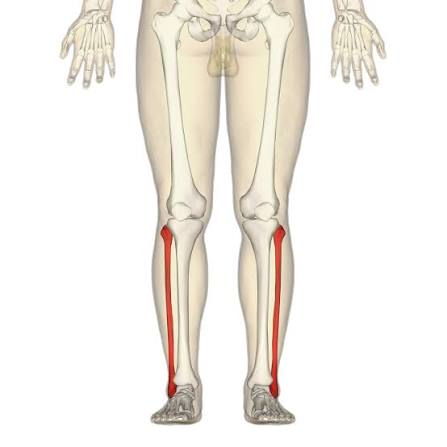
<p>Calf bone. Long, slender bone on outside of the lower leg</p>
21
New cards

Tarsals

Ankle and back and middle parts of foot. 7 short, cube-like bones.

<p>Ankle and back and middle parts of foot. 7 short, cube-like bones. </p>
22
New cards

Metatarsals

5 long bones in foot connecting tarsals (ankle) with phalanges (toes)
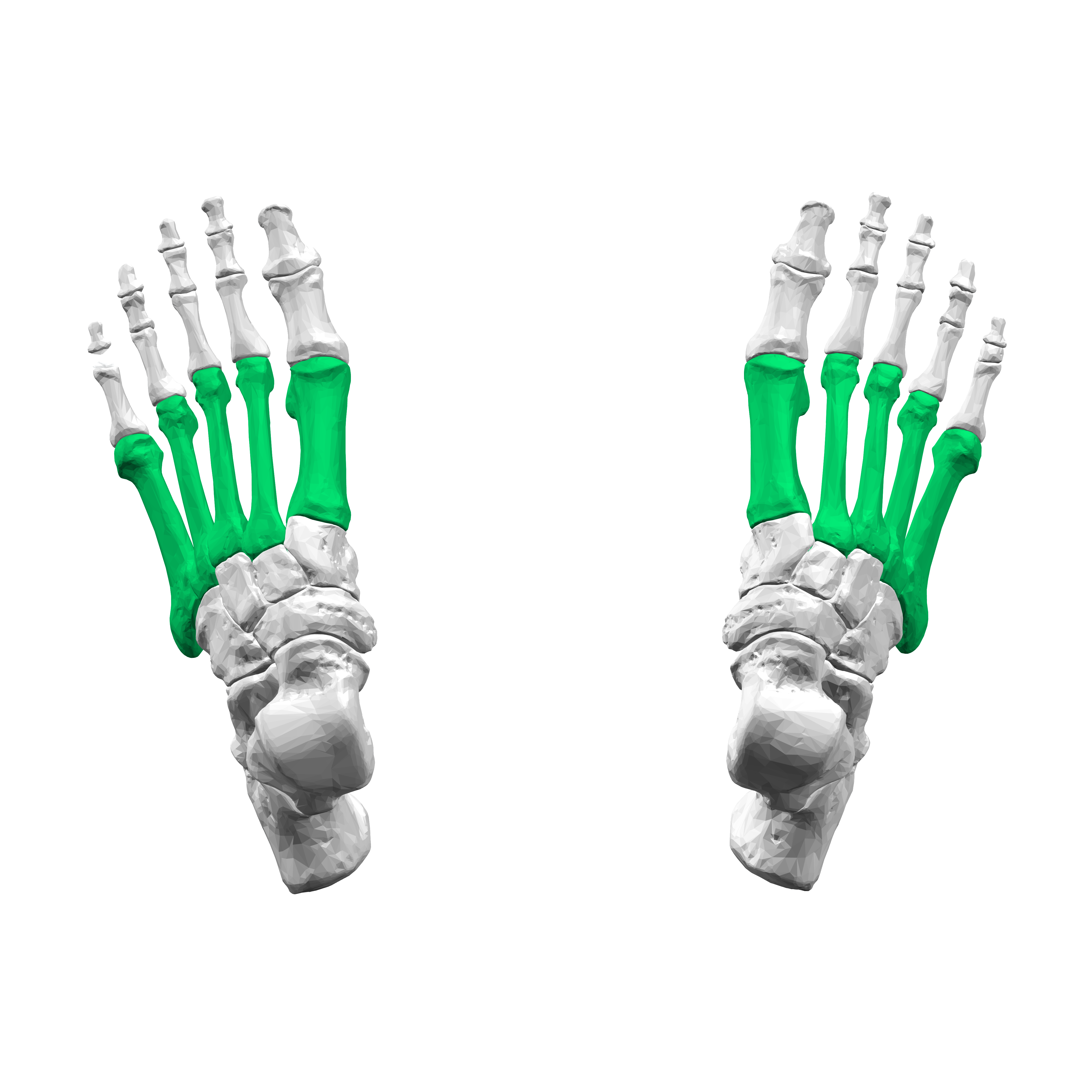
<p>5 long bones in foot connecting tarsals (ankle) with phalanges (toes)</p>
23
New cards

Long Bones (Classifications)

Act as levers facilitating movement when muscle contracts. Eg. Femur, Humerus, Tibia, Fibula, Ulna, Radius, Phalanges, Clavicle, Metacarpals and metatarsals
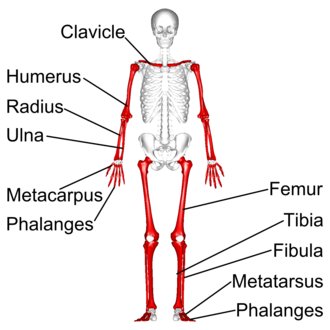
<p>Act as levers facilitating movement when muscle contracts. Eg. Femur, Humerus, Tibia, Fibula, Ulna, Radius, Phalanges, Clavicle, Metacarpals and metatarsals</p>
24
New cards

Short Bones (Classifications)

Cube-shaped with roughly equal dimensions. Provide stability, support, and limited gliding motion. Eg. Carpals and Tarsals

<p>Cube-shaped with roughly equal dimensions. Provide stability, support, and limited gliding motion. Eg. Carpals and Tarsals</p>
25
New cards

Flat Bones (Classifications)

Thin, flat, often slightly curved. Protect vital internal organs and offer extensive areas for muscle attachment. Eg. Scapula, Ribs, Sternum, parts of the cranium

<p>Thin, flat, often slightly curved. Protect vital internal organs and offer extensive areas for muscle attachment. Eg. Scapula, Ribs, Sternum, parts of the cranium</p>
26
New cards

Irregular Bones (Classifications)

Complex, unique shapes that do not fit into other categories. Protect internal structures (such as the spinal cord) from compressive and mechanical forces. Eg. Vertebrae, Sacrum, Mandible, and various skull bones
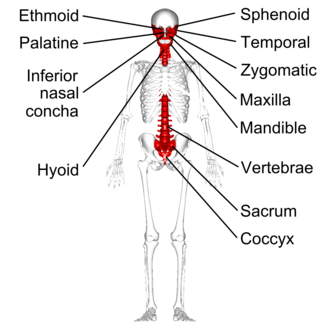
<p>Complex, unique shapes that do not fit into other categories. Protect internal structures (such as the spinal cord) from compressive and mechanical forces. Eg. Vertebrae, Sacrum, Mandible, and various skull bones</p>
27
New cards

Sesamoid Bones (Classifications)

Small, round, seed-like bones that develop directly inside tendons where they cross joints. Protect tendons from excessive wear, friction and compressive stress while improving mechanical leverage. Eg. Patella, small sesamoid bones under big toe

<p>Small, round, seed-like bones that develop directly inside tendons where they cross joints. Protect tendons from excessive wear, friction and compressive stress while improving mechanical leverage. Eg. Patella, small sesamoid bones under big toe</p>



