Exam I: All Material
 Call Kai
 Learn
Learn Practice Test
 Spaced Repetition
 Match
Match Flashcards
 Knowt Play
1/128

There's no tags or description
Looks like no tags are added yet.
Name | Mastery | Learn | Test | Matching | Spaced | Call with Kai | Chat |
|---|
No analytics yet
Send a link to your students to track their progress
129 Terms
Idea
meeting objectives
Research
look at competitors, the brand, budget, timeframe
Thumbnails
sketches of brainstorming ideas
Roughs
Bigger sized sketch of a potential final idea
Comps
compositions where videos, graphics, stills, and headlines are all put together to bring the idea to life
Website Maps
helps plan out a website
Wire Frames
phone-sized drawn frames
Development Content
copy, tables, headlines, etc
Digital Design
organizing material to communicate
Publish
digital or print
IBM
created first computer that only did numbers
Bill Gates
Microsoft Word
Steve Jobs
Apple
MySpace/Facebook
first popular digital platform
Other tech
smartbook, E-book, I-pad, computer
Ram (Read and Right)
temporary working space where you create and modify documents, is volatile (info can be lost}
Video Ram
helps monitor quickly redraw images, low end uses 256 Kilobytes, high end uses 2-16 megabytes
ROM (Read)
memory for operating system
Hard Drive Memory
physical memory that applications use to store information
Bits
smallest unit of info
Bytes
represents single characters and numbers, 8 bits = 1
Kilobyte
common expression of file sizes, 1,024 bytes = 1
Megabyte
1,024 Kilobytes = 1
Gigabyte
1,024 megabytes = 1
Terabyte
1,024 gigabytes = 1
Computer Slowdown
computer is more than 75% full of content
Computer Failure Risk
computer is 90% full or more of content
Logical Mind
prioritizes words, date, structure, rules, and guidelines
Analog Mind
more visual and creative
Critique (D.I.E)
D: describe I: Interpret E: evaluate
compare with past work, look at technical skills, look at morals and ethics
Point
gets attention, focal point
Line
separates and organizes things
graphic line, contour line, and index line
Frame
highlights, defines, groups, and organizes
Shape
creating some sort of identity
Color
creates energy and mood
Texture
sense of feeling
Value
tones, makes project louder
Gestalt Theory
must understand everything about the environment, foregrounds and backgrounds, weight, grouping, goal is to get everyone to view something the same way
Cro-Magnons
started with drawings to communicate
Egyptians
created set symbols as a way to cmmunicate
Phoenicians
communicated by using sounds, simplified Egyptian symbols, and created first alphabet
Greeks
refined the alphabet and developed new type faces
Dark Ages
sparked religious ppl to create religious books, laminated 1st page, created illuminators, first chapter book were made
Renaissance
period where expression of art boomed
Gutenberg
discovered way to print (1st printing press), made communication widespread (theory of mass comm), new ink, and moveable type
Chinese
used a brush to create their characters, over 700 characters
Thomas Nast
started illustrations
Offset Printing
new ways of printing, images can be put directly on paper
Digital Printing
a way to print on demand
Th’atre
less blocky and inspired photomontages
Dutch Movement
seeking universal design, linear and modern
Germany - Bauhas Movement
bold, simplified, dynamic, contemporary
Germany - Destigl
takes out the design aspect and made structures linear and with block composition (Mondria)
Cubism
taking 2-D shapes and making something new
Victorian Era
embellishment, pretty, design, elegant, elongated
Swiss
functional, dealt with text, came up with justified, center, left and right, left and right format is easier to read, grid system
Art Deca
elongated, geometric, bold
Art Nouveau
structured nature, organic, ornate, vertical
Bahaus

Destigl

Cubism

Victorian Era

Swiss

Art Deco

Art Nouveau

Contrast
dark and light
Harmony
components working together
Proportion
in relation to sizing
White Space
doesn’t have to to be white, reference to negative space
Balance
symmetry and asymmetry
rhythm and repetition
in relation to movement
Perspective
illusion of depth
Unity
what the piece communicates
Helvetica
most legible
Baseline
X-height

Serifs

Ascender

Descender

Counters

Bowl

Stroke

Type Size
in reference to ascenders and descenders
Serif Style
modern, sharp edges, thick and thin, central
San Serif Style
no serifs, same weight, and strokes
Script Style
joined characters
Cursive Style
characters are not joined
Novelty Style
fonts created for personal style, companies typically use these
Glyphs

Black Letter Style
old, can be hard to read, rebels use it
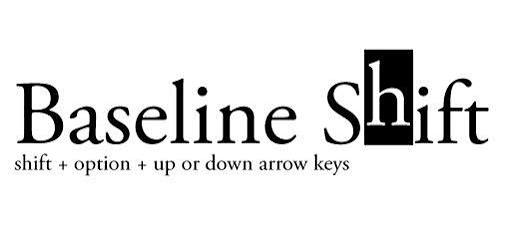
Baseline Shift
moves letters up and down
Leading
space between lines of type, typically 1.5 - 2.5 pts
Kerning
space between letters, requires increasing or decreasing letter spacing to make words easier to read
Body Copy
text of ad, story, or information
Magazines: 8 - 11 pts
Web: 12 - 14 pts
PowerPoint: 18 - 24 pts
TV: 23 - 32 pts
Headline
title or display words, using large typography (24 pts or greater)
Agate
small type to convey lots of information and listings (4 - 6 pts)
Column Breaks
space between columns of type
Newspapers
8,9, or 10 pts
Pica
12 pts = 1
Inch
6 picas or 72 points