Lab Practical Two
 Call Kai
 Learn
 Practice Test
 Spaced Repetition
 Match
 Flashcards
 Knowt Play
1/85

There's no tags or description
Looks like no tags are added yet.
86 Terms

Phylum: Annelida
Class: Hirudinea

What is 3, 4, and 5?
Ascaris suum-femal-adult )museum preparation
Phylum: Nematoda
3-vagina 4-uterus 5-oviduct

Ascaris Suum
Phylum: Nematoda
male is smaller
genital pore of male wraps around female pore during copulation
digestive tract starts behind mouth as a muscular pharynx
Excretion canals on both sides
muscle cells on each side of wall and muscle arms connect nerve cord to muscle cells.

Ascaris-adult female
Phylum: Nematoda
Uterus- largest two round things
Intestine- folded line
Nerve cords- dorsal and ventral visible exactly top/bottom
Oviduct- smaller round things clear in the middle
Ovary's- smaller round thing with dot in middle
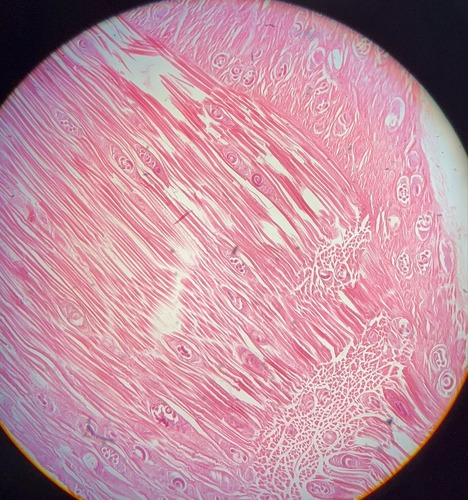
What is it's vector?
Trichinella Spiralis-trichina worm-encysted larva
Phylum: Nematoda
consuming undercooked pork
trichinosis

What is its vector?
Dirofilaria sp microfilariae (larvae)
Phylum: Nematoda
hematophagus insects

What is distinctive about the anterior end?
What is the dark tube leading down center?
Ancylostoma (Cat hookworm)
Phylum: Nematoda
hooked anterior end
muscular pharynx-sucks blood

What does it cause?
Wuchereria Bancrofti-Microfilariae in blood (filarial)
Phylum: Nematoda
Causes elephantiatus
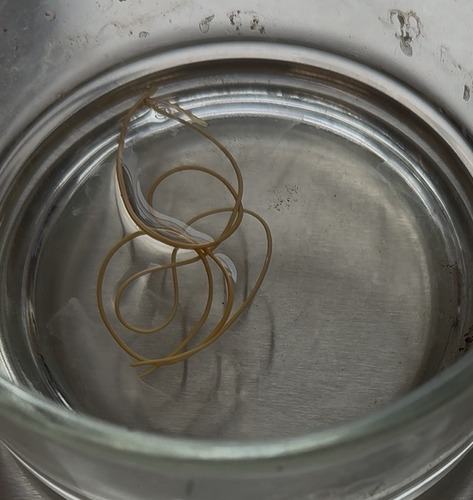
What is notable about this?
Gordius sp-horsehair worm
Phylum: Nematomorpha
Complete hijacks host, turning it into a zombie, before making it kill itself for the parasite to leave.

Identify the parapodia, oblique muscle, circular muscle, longitudinal muscle, intestine, blood vessel.
Nereis Virens-clamworm
Phylum: Annelida
Class: Polychaeta
Wings=parapodia. Dark wide V shape=oblique muscles Center round shape=intestine. dark center top stain=blood vessel. Lighter, small bottom center circle=nerve cords
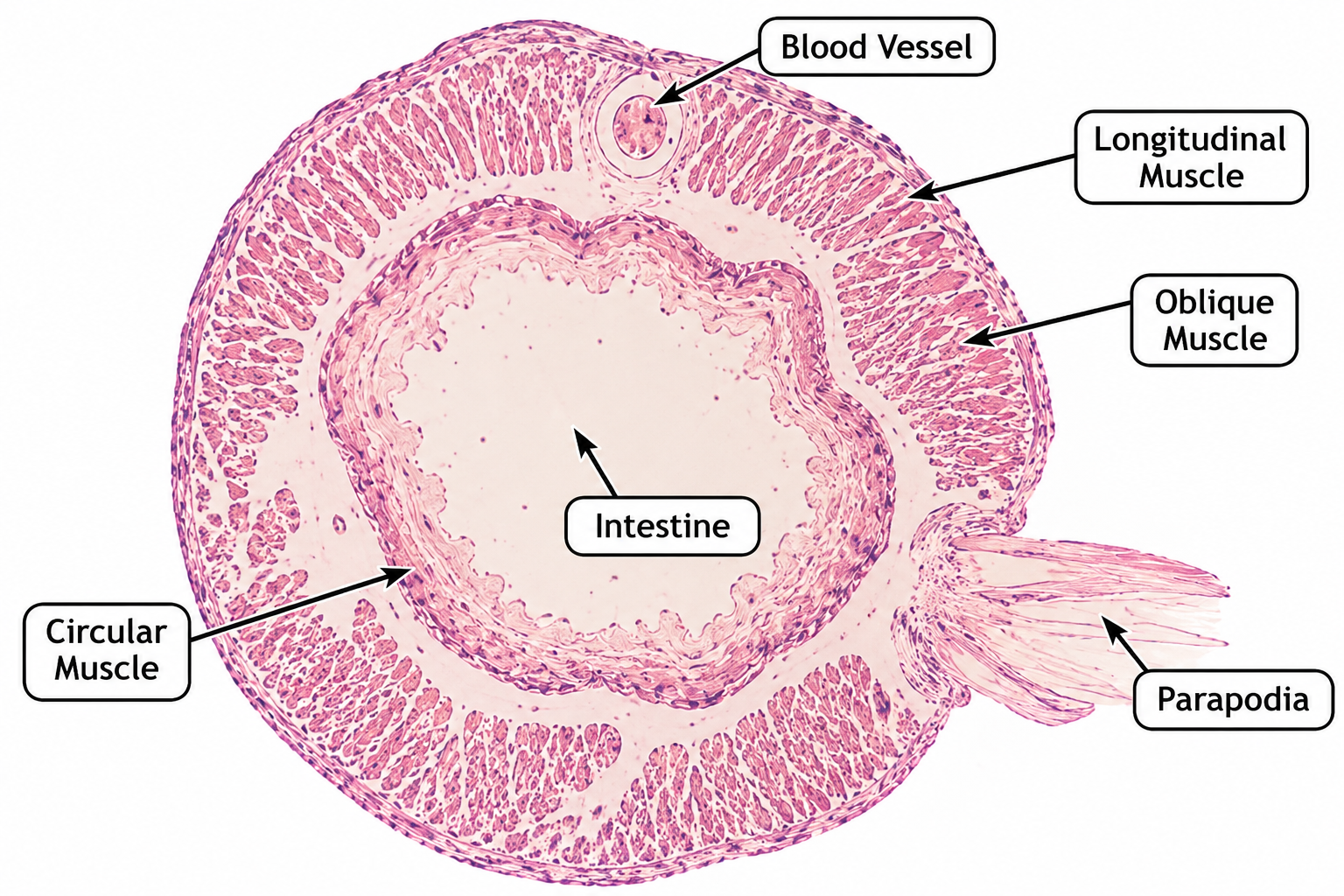

Annelida: Oligochaeta, Polychaeta, Hirudinea

Nereis Virens-Clamworm
Phylum: Annelida
Class: Polychaeta

Aphrodita-sea mouse
Phylum: Annelida
Class: Polychaeta
mobile carnivore
uses eversible pharynx to capture small intervertabrates on the ocean floor

Arenicola-A burrowing lugworm
Phylum: Annelida
Class: Polychaeta
live in burrows in the sand or mud. consume sand and mud and organic materials in them.

Amphitrite
Phylum: Annelida
Class: Polychaeta
deposit feeder that uses tentacles to gather food off of the ocean floor
Cilitated grooves move food that is trapped in the mucous to their mouth
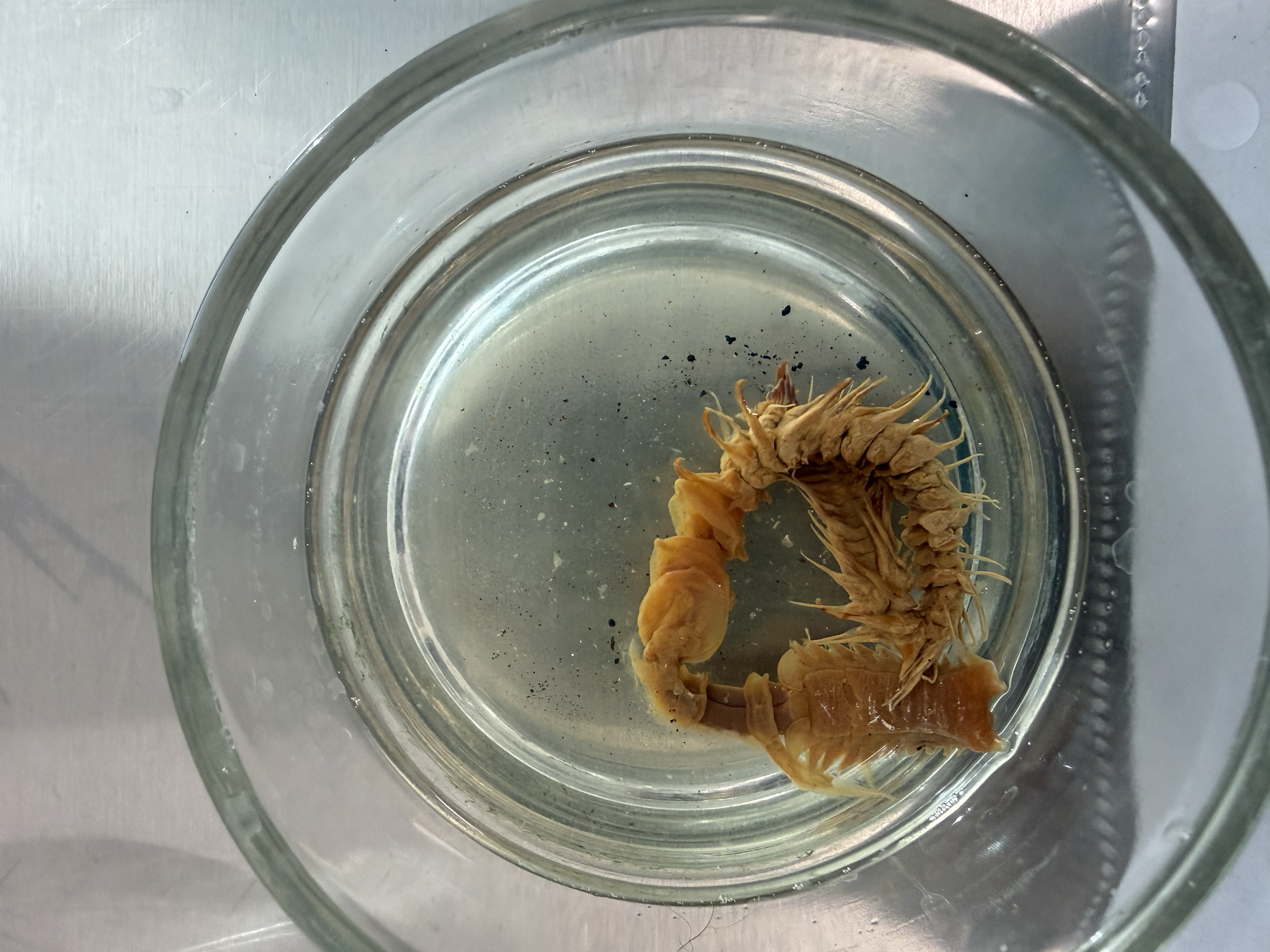
Chaetopterus
Phylum: Annelida
Class: Polychaeta
creates u shaped tubes as their home and protection
parapodia: gas exchange, moving captured food, water current, secretes mucous net.

Lumbricus Terrestris
Phylum: Annelida
Class: Obligochaeta
Typhlosole: inside-increase the internal surface area of the intestine
Dorsal vessel: top circle
Ventral nerve cord: squeezed circle at bottom
ventral vessel: bottom circle

Leech
Phylum: Annelida
Class: Hirudinea

Leech
Phylum: Annelida
Class: Hirudinea

What is the skinnier cord wrapping around? What is the V shape it's wrapping around, which direction is that pointing?
Ascaris Lubbricoides-The Oviduct
Phylum: Nematoda
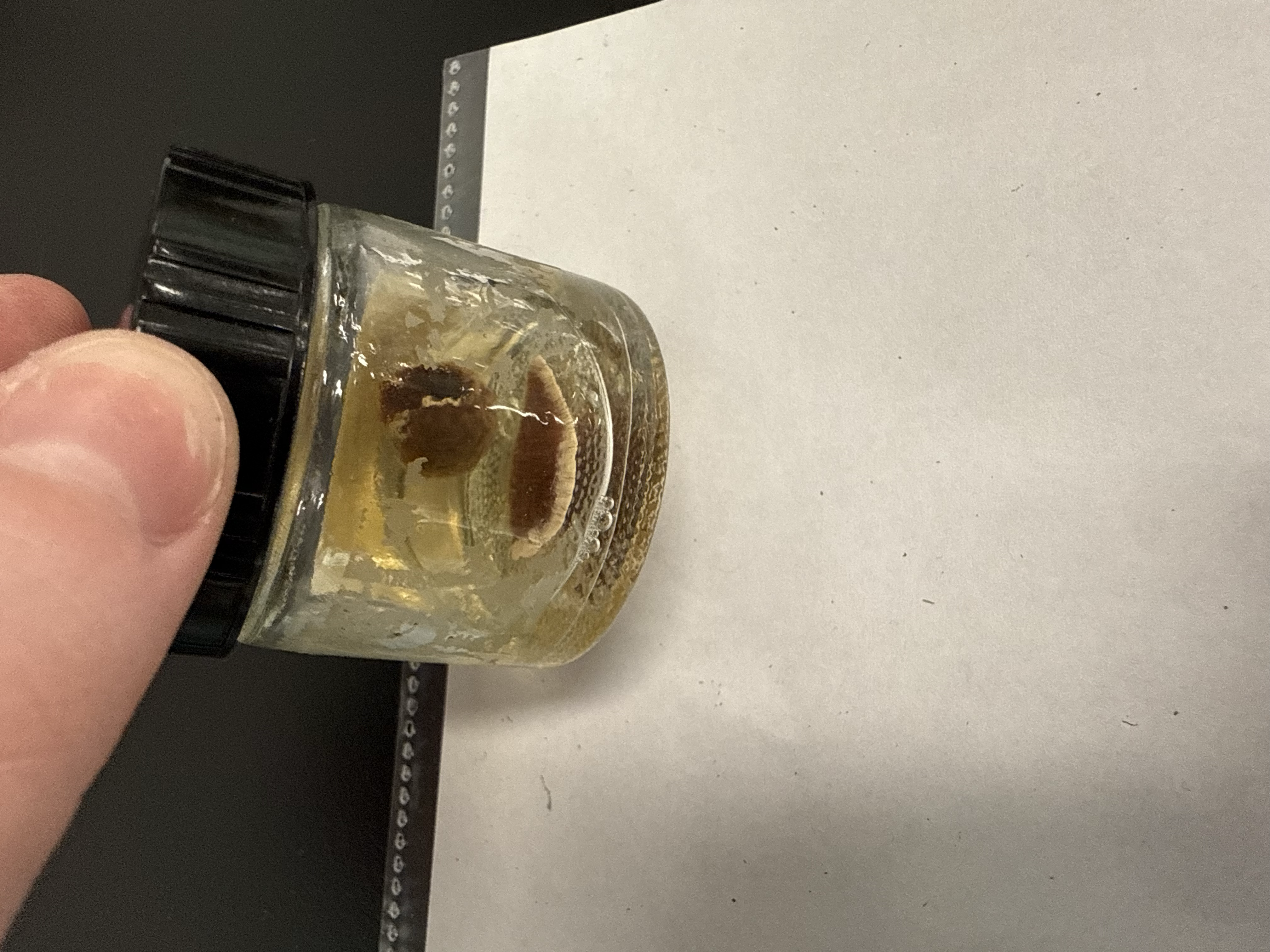
Leech
Phylum: Annelida
Class: Hirudinea

What is inside the body? Which side tapers?
Female Pinworm-Enterobius
Phylum: Nematoda
Eggs, the posterior end tapers

Lepidonotus-Scale Worm
Phylum: Annelida
Class: Polychaeta
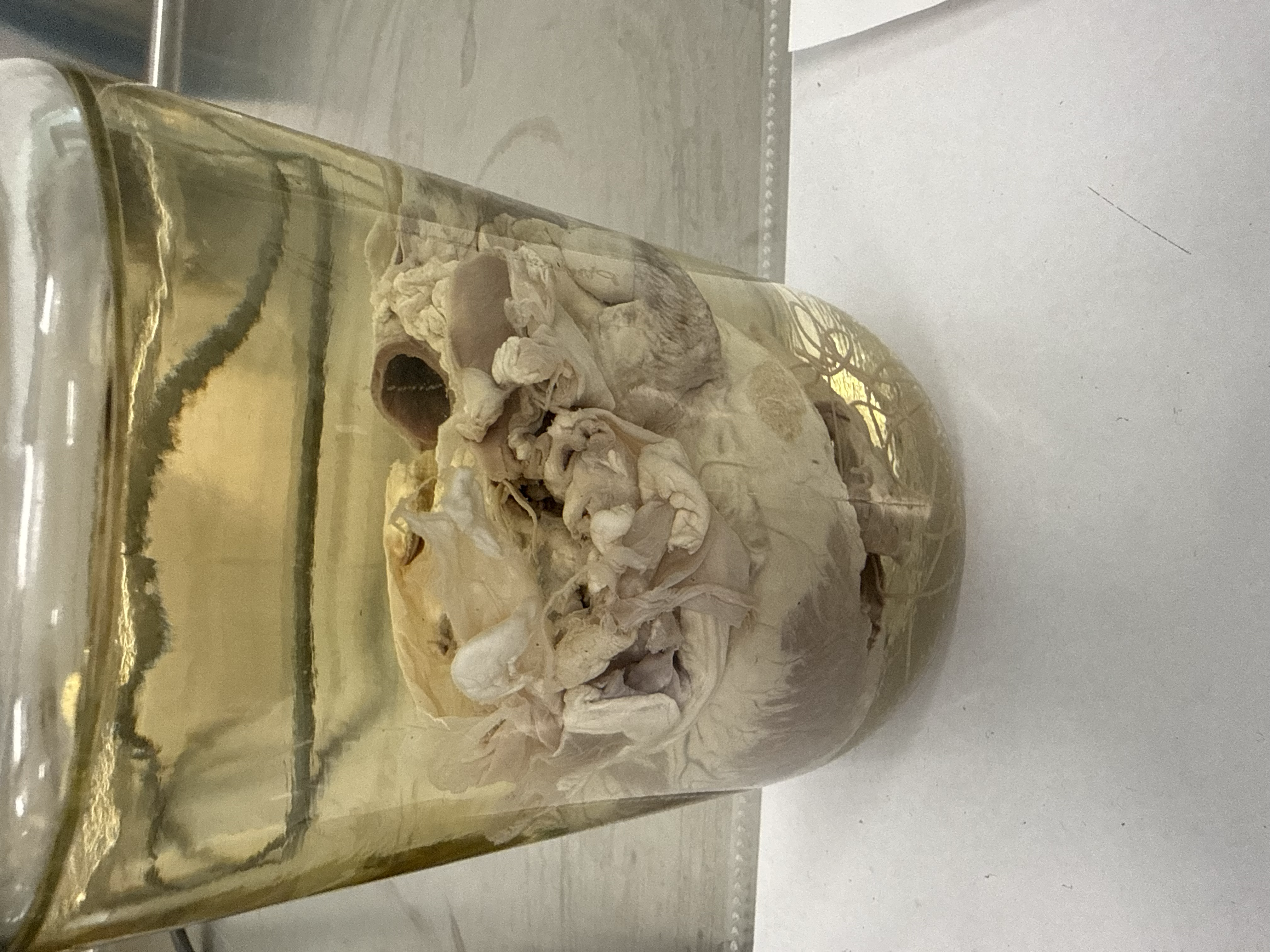
Adult Heartworm in dogs
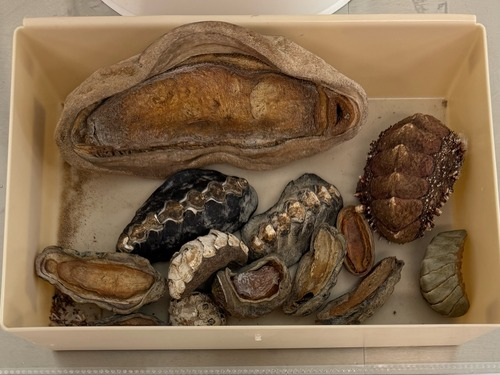
Where does it live?
Chitons-dried specimens
Phylum: Mollusca
Class: Polyplacophora
Habitat: Shallow Marine Water and rocky tide pools
They eat algae or other micro organisms

What extends from the larger end of the shell?
Tusk Shell (dentalium)-Preserved Specimen
Phylum: Mollusca
Class: Scaphopoda
The muscular food extends from bottom

Fossil Snail
Phylum: Mollusca
Class: Gastropoda

What is it used for? What is it made out of?
Snail Radula
Phylum: Mollusca
Class: Gastropoda
Used for scraping biofilm to eat
Made out of Chitin
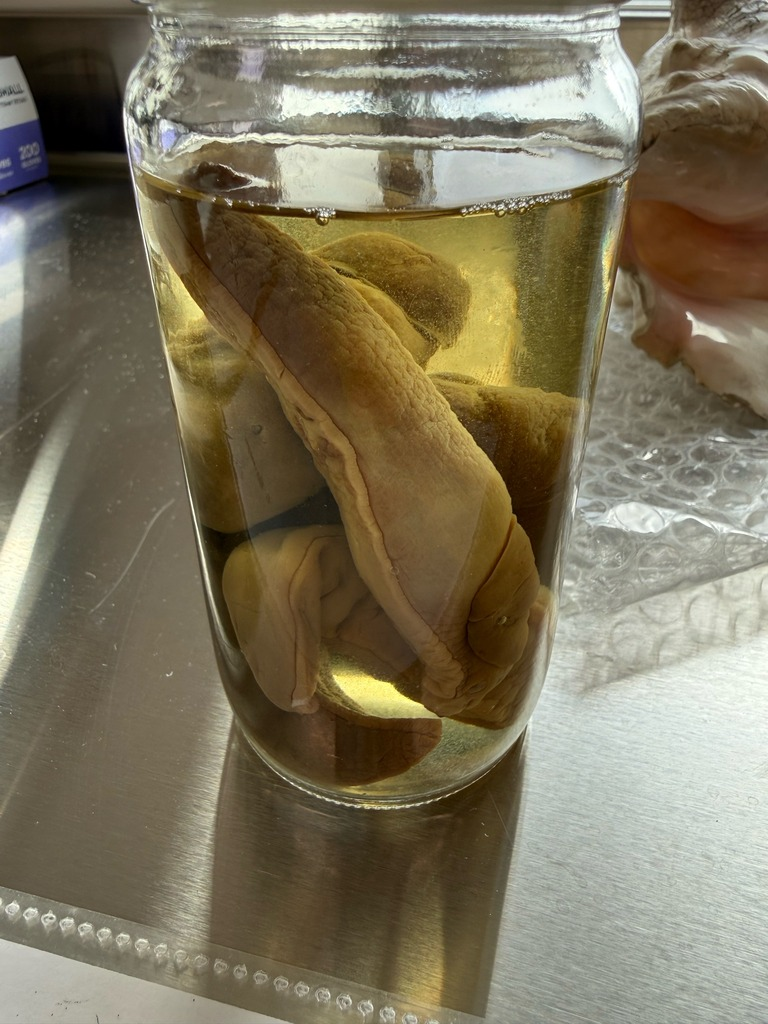
Where is the mantle?
Slugs-Preserved Specimens
Phylum: Mollusca
Class: Gastropoda
The mantle is anterior, look like a cape.

Mollusca Gastropoda

The poisonous dart is a highly modified _____
Conus Shell
Phylum: Mollusca
Class: Gastropoda
The poisonous dart is a highly modified radula
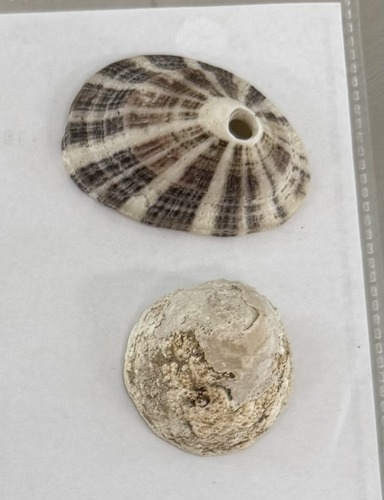
Why are these unique amoungst others in the sams class?
Marine Limpets
Phylum: Mollusca
Class: Gastropoda
Unique because they have a conical non-spiral shell

Murex Shells
Phylum: Mollusca
Class: Gastropoda

Cowrie
Phylum: Mollusca
Class: Gastropoda

Spider Conch
Phylum: Mollusca
Class: Gastropoda
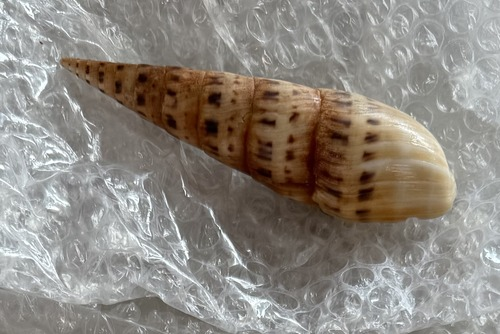
Auger Shell
Phylum: Mollusca
Class: Gastropoda

Mussel Gill
Phylum: Mollusca
Class: Bivalvia

What is it before this stage?
Zebra-mussel veliger larva stages
Phylum: Mollusca
Class: Bivalvia
Before veliger, it is a trocophore. Both stages are free swimming
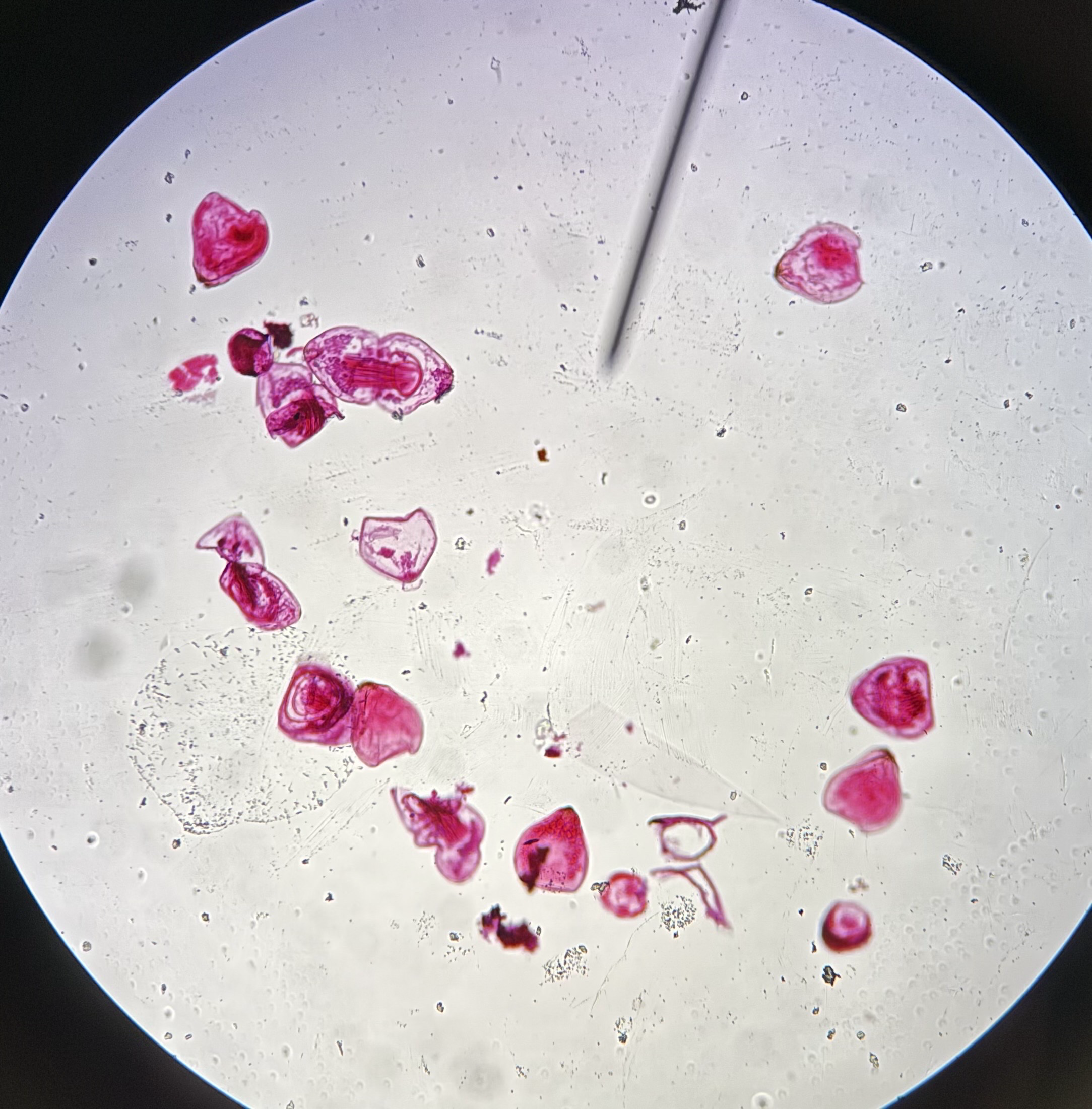
What is it's environment? How does it feed?
Mussel Glochida larvae
Phylum: Mollusca
Class: Bivalvia
Lives in freshwater with current (rivers) for locomotion, because it's not free swimming.
-Feeds by clamping onto fish gills and feeding on their blood before leaving as a juvenile

Locate the gills, adductor muscle, and visceral mass.
Oystrea Virginiana
Phylum: Mollusca
Class: Bivalvia
Gills-striped area
Adductor-dark center circular
Visceral mass-other meat

Zebra Mussels (Dreissena Polymorpha)
Phylum: Mollusca
Class: Bivalvia
invaders of the great lakes and now live in the st croix river.

Freshwater Mussle
Phylum: Mollusca
Class: Bivalvia
1 mouth
2 palps
3 digestive gland
4 gills
5 heart
6 intestine
7 anus
8 incurrent siphon
9 excurrent siphon
10 foot
11 anterior adductor
muscle
12 posterior adductor
muscle
13 mantle
14 ligament

Mya Arenaria
Phylum: Mollusca
Class: Bivalvia
Number one is pointing to mouth

Cherry Stone Clam Shells
Phylum: Mollusca
Class: Bivalvia

Fluted Giant Clam-Juvenile
Phylum: Mollusca
Class: Bivalvia
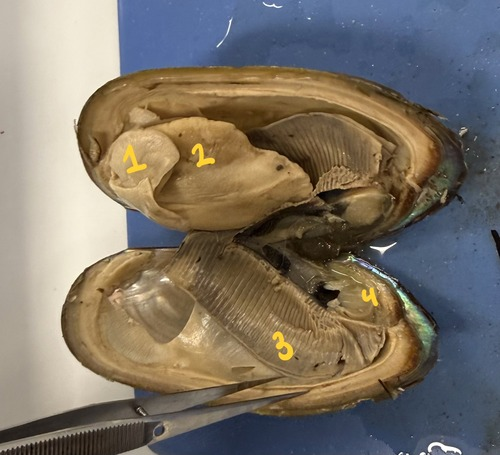
Freshwater Muscle
Phylum: Mollusca
Class: Bivalvia
1-Palp
2-foot
3-Ctendia/gills
4-post. adductor muscles
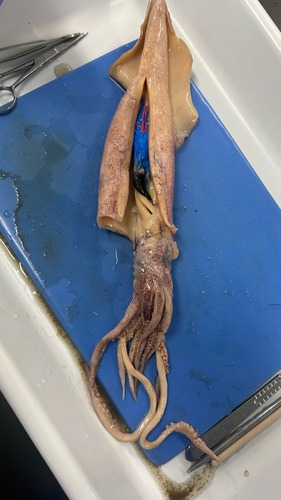
Loligo-Atlantic Coast Squid
Phylum: Mollusca
Class: Cephalopoda

Loligo Atlantic Coast Squid
Phylum: Mollusca
Class: Cephalopoda
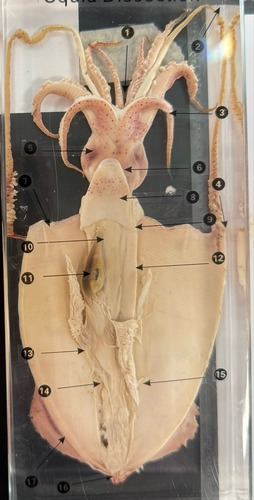
Mollusca cephalodpoda Squid
1-mouth 4-mantle 6-siphon(anterior) 8-siphon(posterior) 9-digestive gland 10-rectum 11-ink sac 12-retractor muscle 13-stomach 14-cecum 15-gill 16-gonad
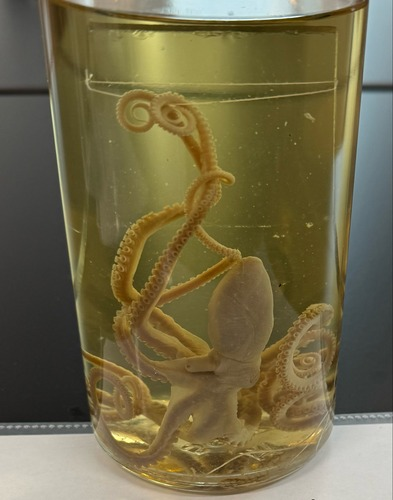
What are the 8 arms a highly modified version of?
Octopus
Phylum: Mollusca
Class: Ceohalopoda
Arms are highly modified version of foot
Arms have suckers
no remnants of a shell

hat mineral is this a source of for pet birds?
Cuttlebone
Phylum: Mollusca
Class: Cephalopoda
Source of calcium for pet birds

Nautilus
Phylum: Mollusca
Class: Cephalopoda
The gas chambers are in a spiral arrangement
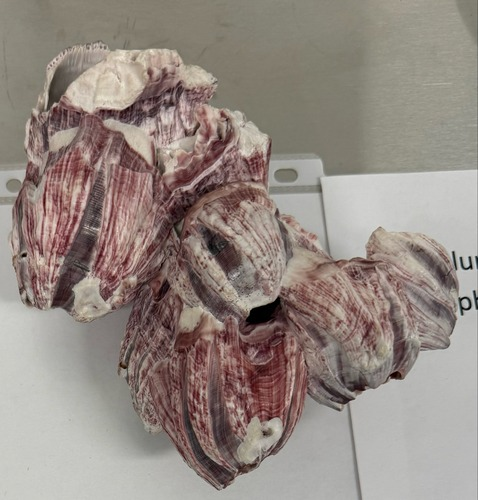
Red-striped Barnacles Shell
Phylum: Arthropoda
Subphylum: Crustacea
What makes up their exoskeleton and shell? Chitin exoskeleton,
They secrete CACO3 to make up their shell

Goose Barnacles
Phylum: Arthropoda
Class: Crustacea
“gooseneck”
soft tissue attachment stalk

Harvestman or Daddy Long Legs Whole Specimen
Phylum: Arthropoda
subphylum: Chelicerate
Class: Arachnida
Not a true spider because it lacks the body division between cephalothorax and abdomen
They also have external segmentation of the abdomen

Scolopendra sp. centipede
Phylum: Arthropoda
Subphylum: Myriapoda
Class: Chilopoda
flattened body, one pair of walking legs-end in fangs
spiracles open along the sides of the abdomen
two spiracles per segment and egulate respiratory gas exchange and control water loss

Tropical Millipede
Phylum: Arthropoda
Subphylum: Myriapoda
Class: Diplopoda
slow
long and lateral

Mite-1-chelicera 2-pedipalp
Phylum: Arthropoda
Subphylum: Chelicerata
Class: arachnida
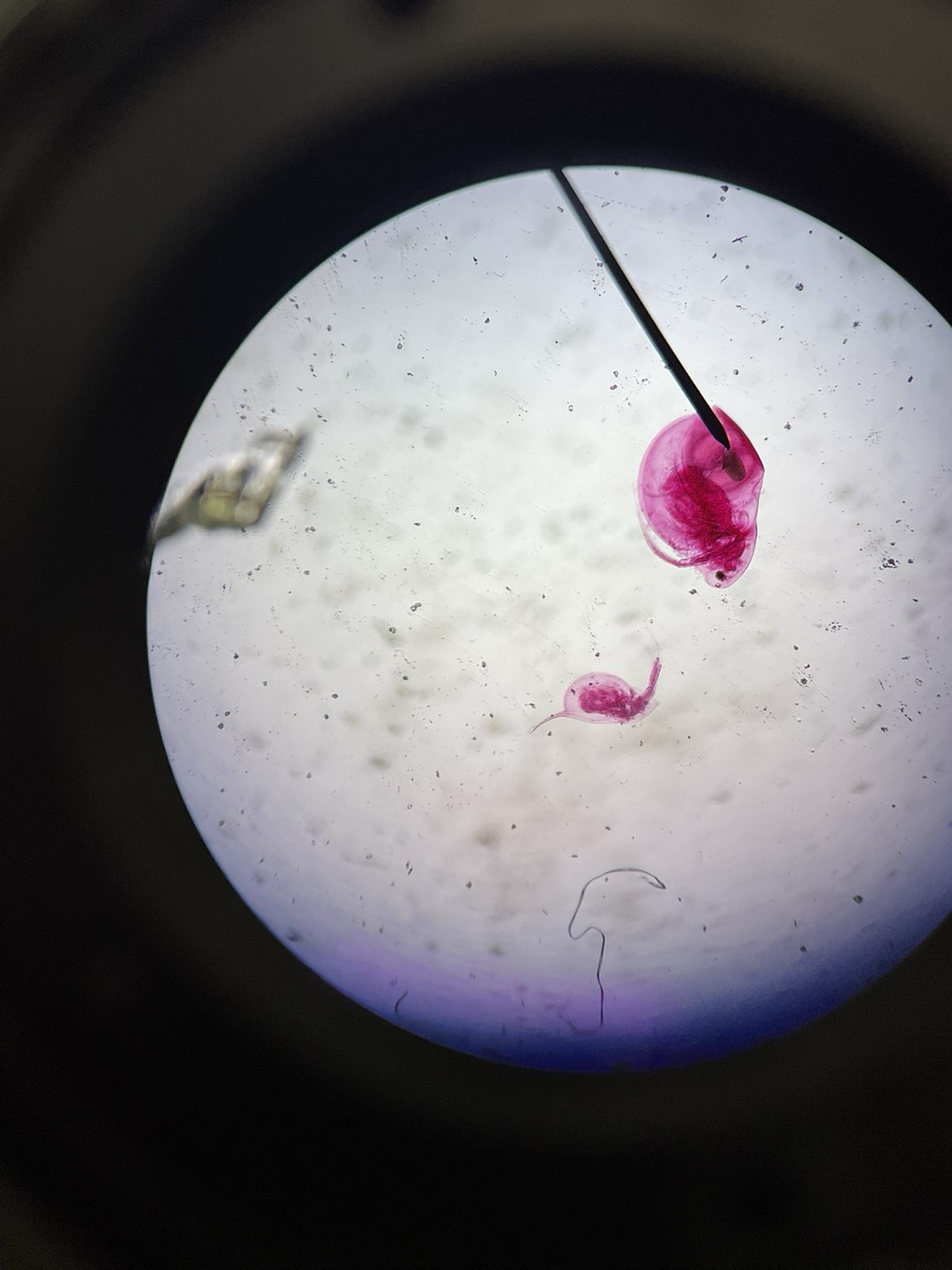
Daphnia “water flea”
Phylum: Arthropoda
Subphylum: Crustacea
Class: Brachipoda
Order: Cladocera
Freshwater organisms comprising lake zooplankton
Posture is upright like humans
Carapace is hinged
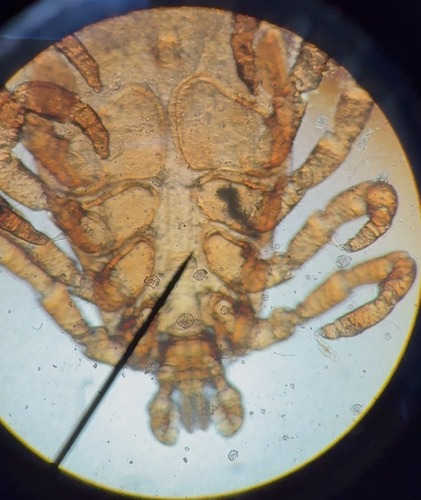
Wood Tick-Dermacentor Variablis
Phylum: Arthropoda
Subphylum: Chelicerate
Class: arachnida
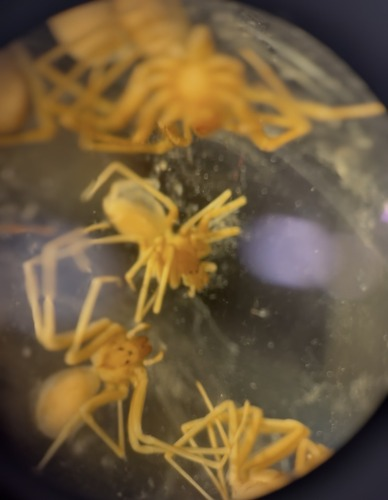
Violin Spider-Brown recluse spider. Loxosceles reclusa
Phylum: Arthropoda
Subphylum: Chelicerata
Class: arachnida
Necrotic vemon
skin will die around bite and may cause the need for surgery.
Systemic reactions

Cyclops sp.
Phylum: Arthropoda
Subphylum: Crustacea
Makes up over 1/2 of all zooplankton in freshwater habitats
Marine Habitats
Single eye

Sideswimmers (scuds) Gammarus sp
Phylum: Arthropoda
Subphylum: Crustacea
freshwater in the Kinnickinnic River
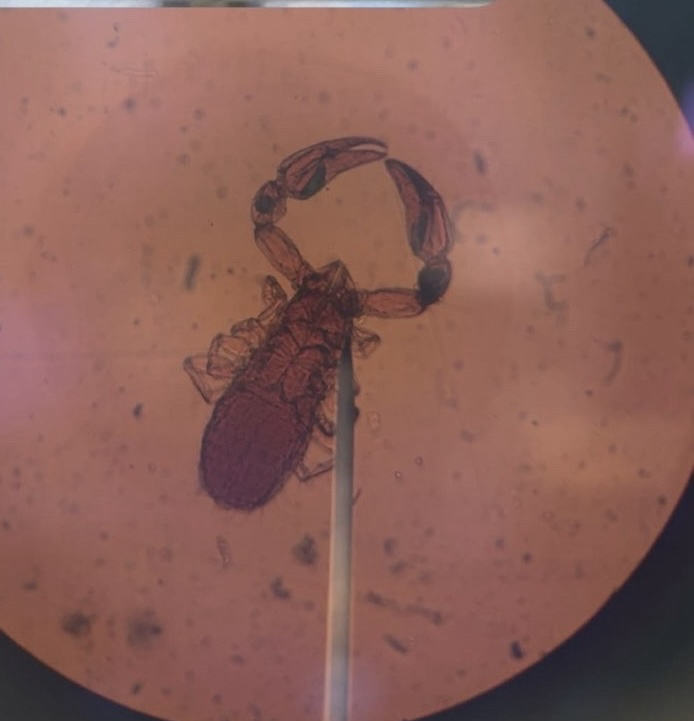
Pseudoscorpion
Phylum: Arthropoda
Subphylum: Chelicerata
Order: Pseudoscorpionida
Class: arachnida
Long things are pedipalps which allow them to capture prey

limulus polyphemus-horseshoe crab larva
Phylum: Arthropoda
Subphylum: Chelicerata
Class: Merostomata
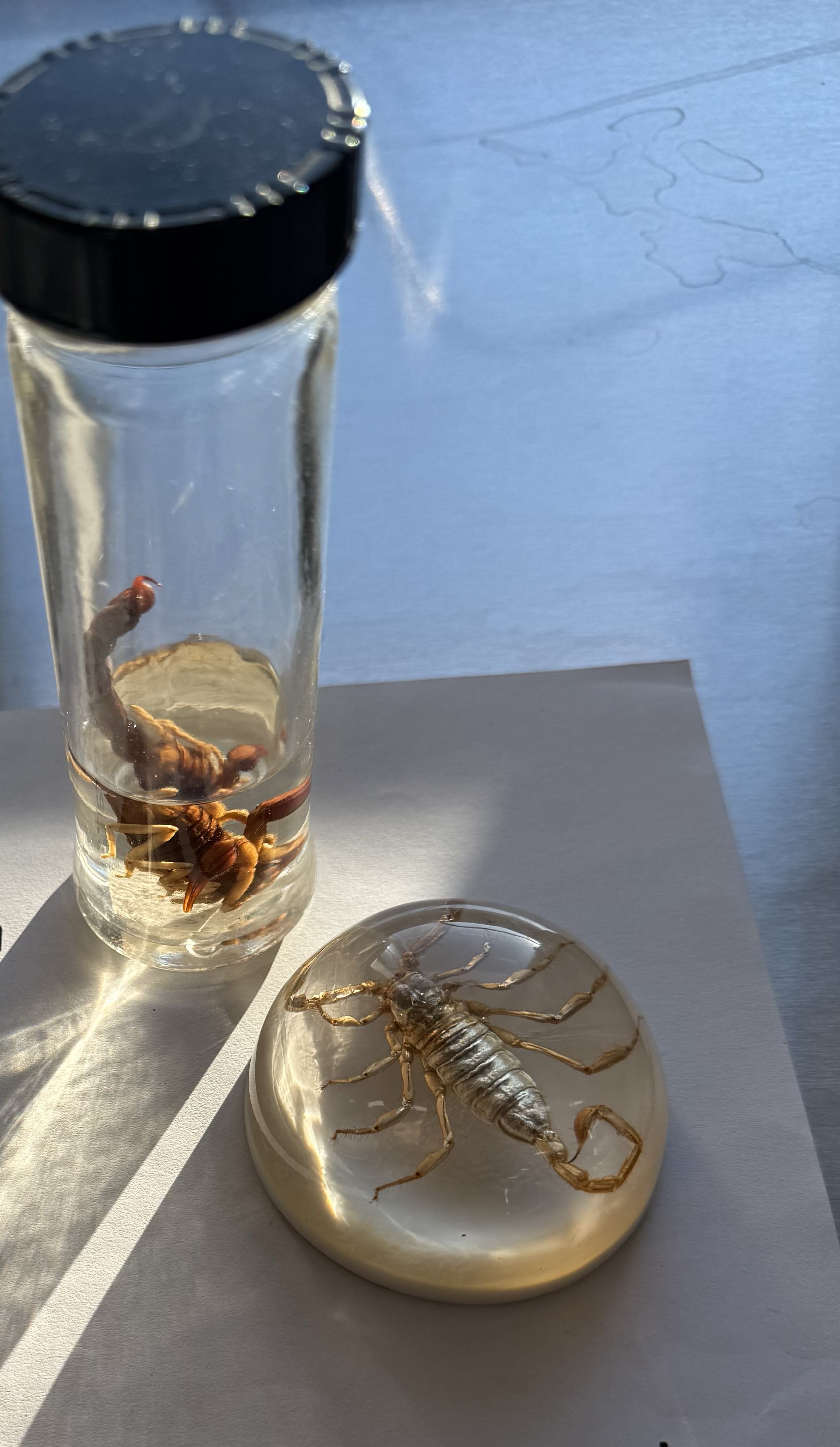
Scorpion
Phylum: Arthropoda
Subphylum: Chelicerata
Class: Arachnida

Trilobite Fossils
Phylum: Arthropoda
Subphylum: Trilobita
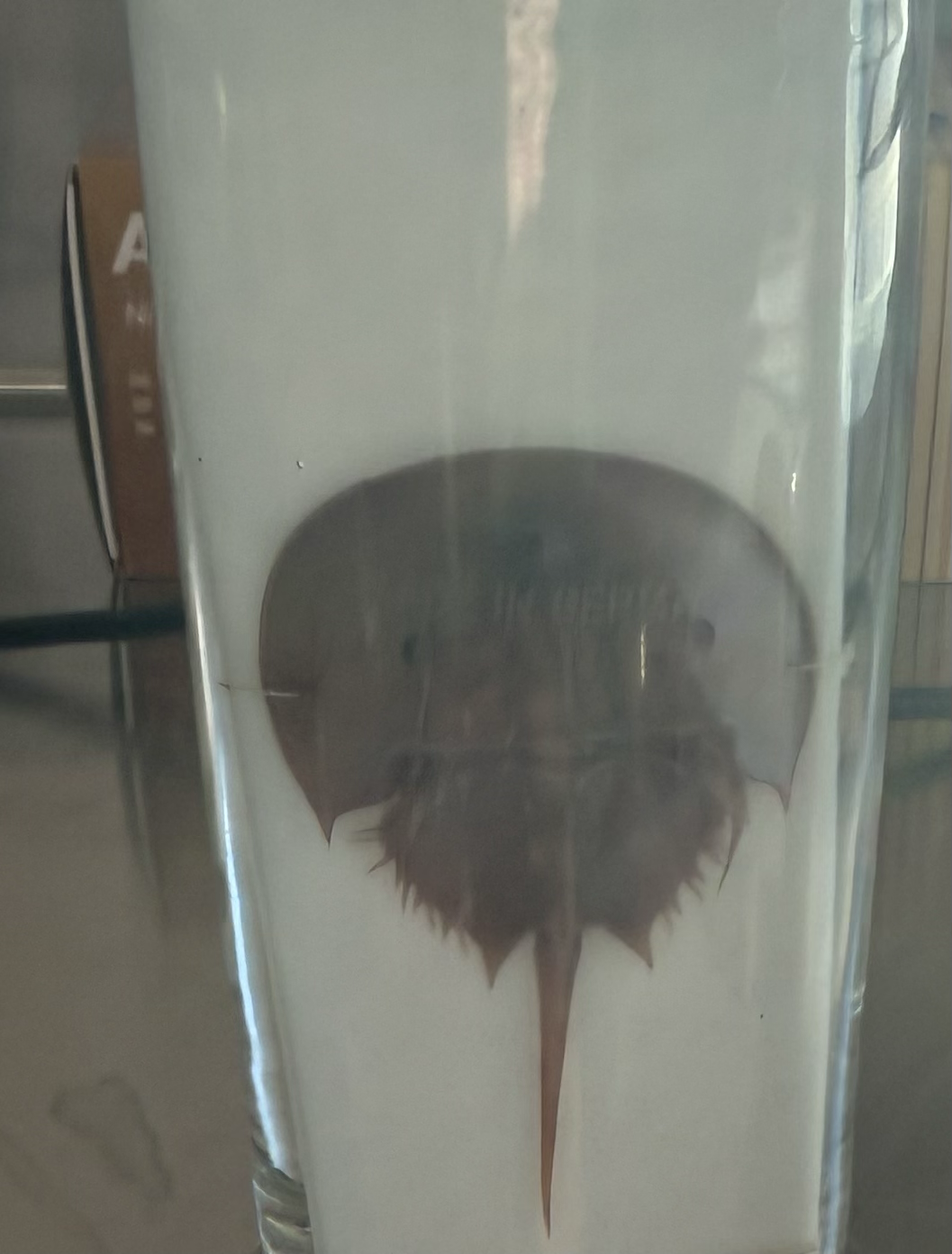
Limulus Polyphemus-horseshoe crab
Phylum: Arthropoda
Subphylum: Chelicerata
Class: Merostomata
telson-tail
carapace connects tail and head
chelicerae
book gills in carapace

Black Widow Spider-Latrodectus Mactans
Phylum: Arthropoda
Subphylum: Chelicerata
Class: Arachnida
Neurotoxic toxin that affects nervous system

Northern Widow Spider-Lastrodectus Variolus
Phylum: Arthropoda
Subphylum: Chlicerata
Class: Arachnida
Women spend most time in a silken tunnel retreat and is helpless away from the web
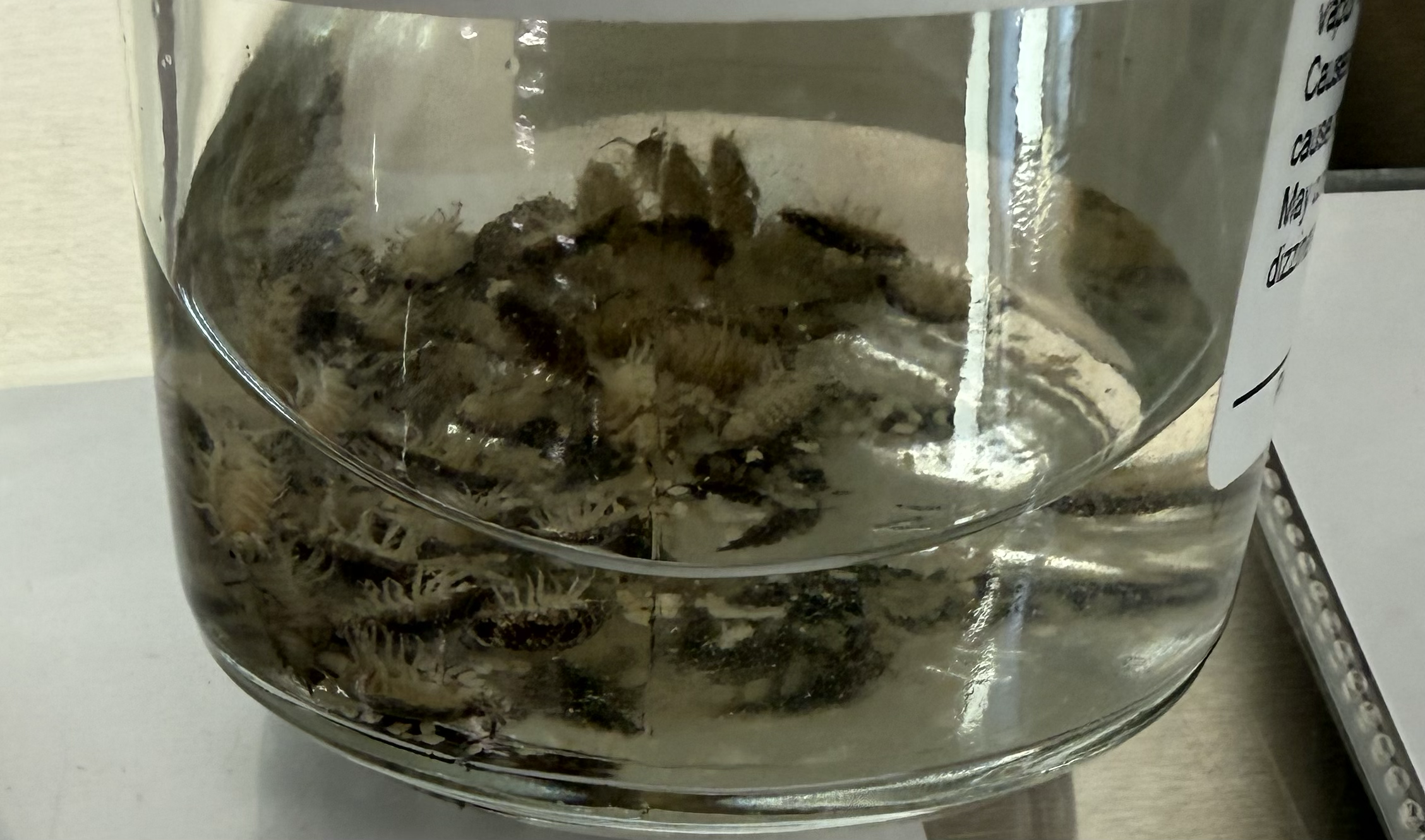
Pillbugs or Sowbugs
Phylum: Arthropoda
Subphylum: Crusacea
terrestrial-under rocks and basements
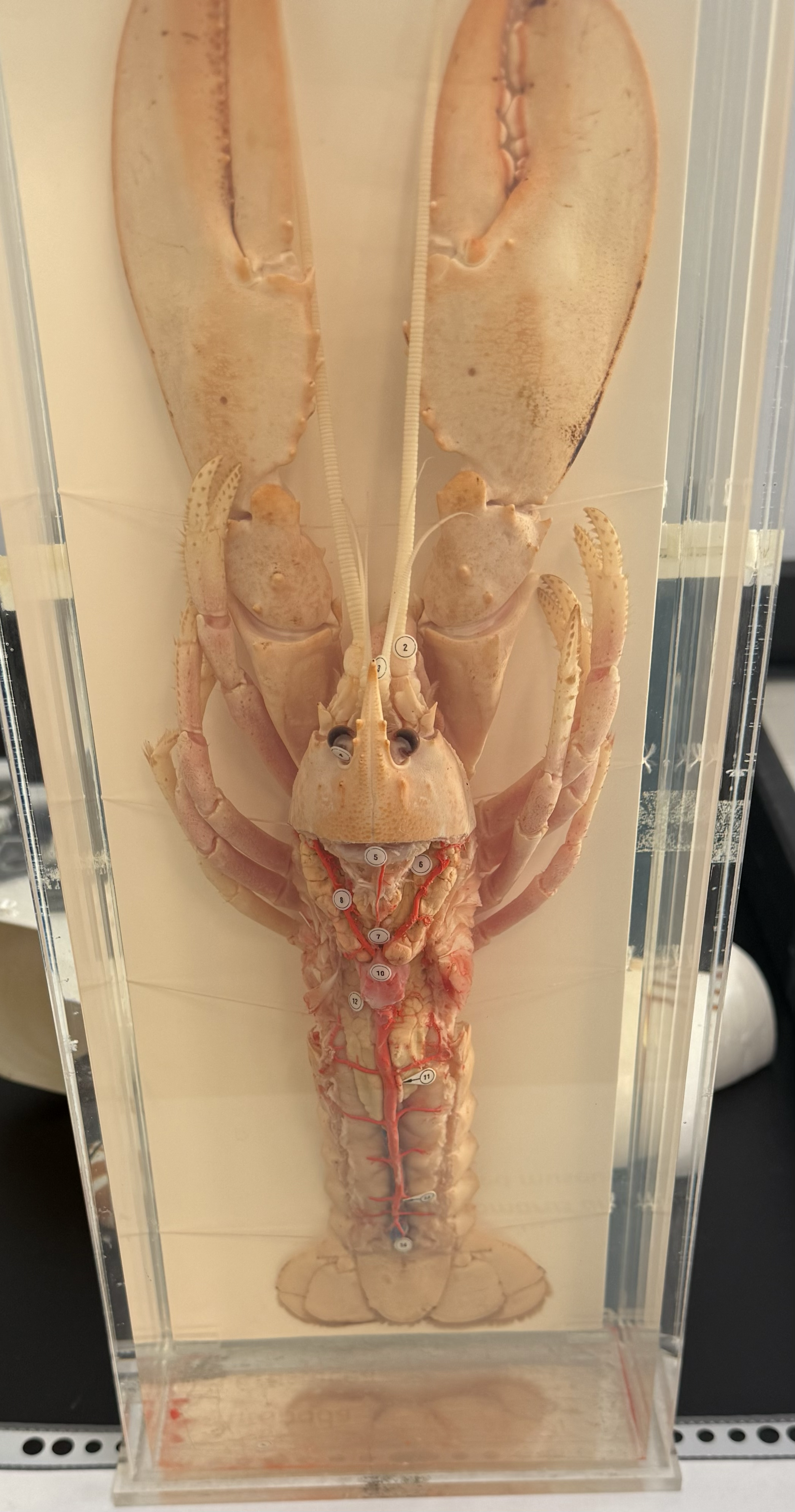
Male Lobster
Phylum: Arthropoda
Subphylum: Crustacea
1; chela
2; antenna
3 antennules
4; eye
5 gastric mill
6; liver
9; gills
10; heart
11; testis
12; vas deferens
14; intestine

Crabs
Phylum: Arthropoda
Subphylum: Crustacea
mostly marine but can be freshwater or terrestiral
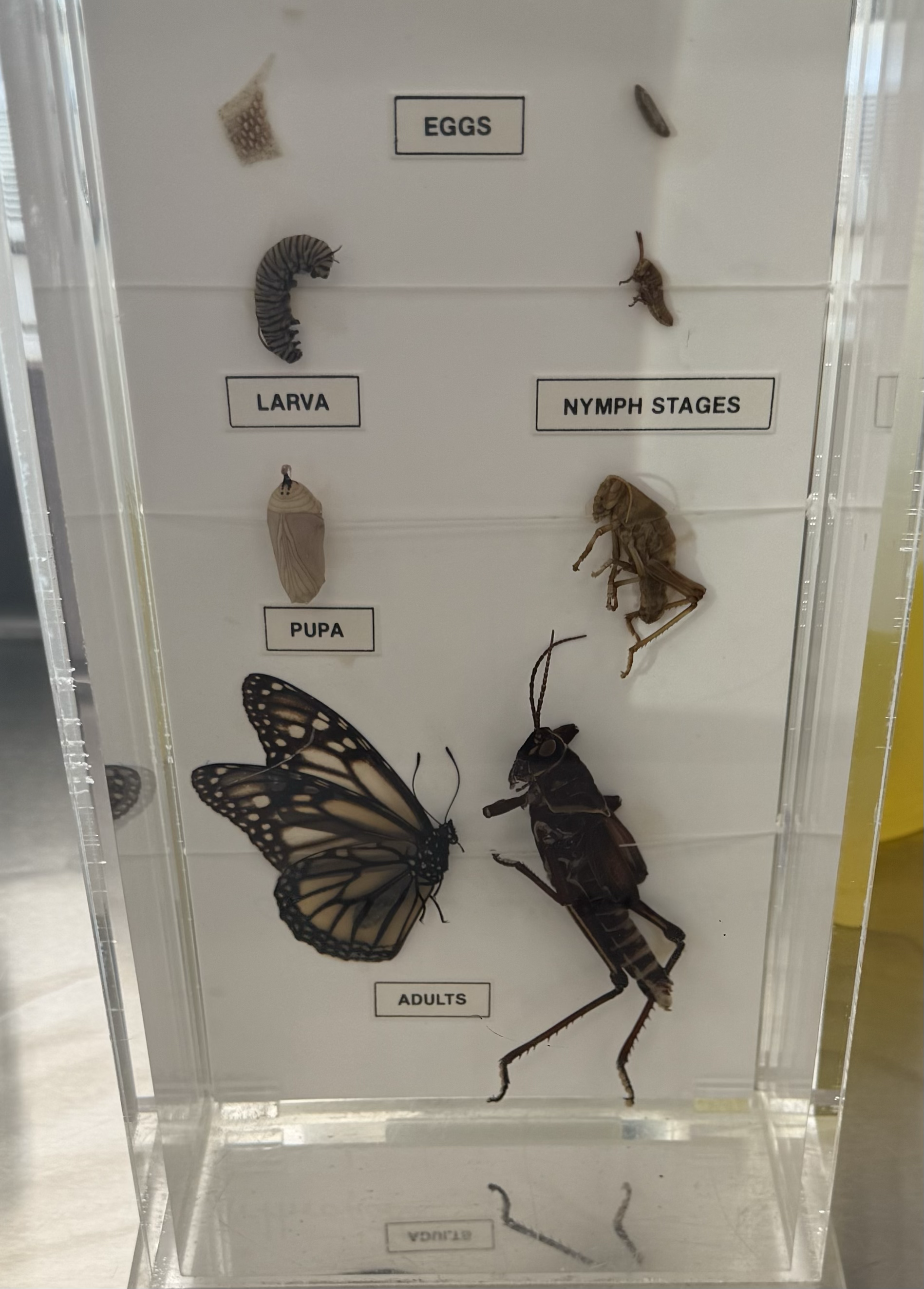
Grasshopper
Phylum: Arthropoda
Subphylum: Hexapoda
Class: Insecta
Antennae
Labrum-upper lip
Mandibles-hard jaws
Maxillae-manipulate food and have sensory palps-also help clean
Labium-moveable floor of mouth cavity
Prothorax-first pair of legs
mesothorax-mesothoracic spiracle (respiratory opening)
wings
Legs
abdomen -lots of spiracles

Grasshopper Mouthparts
Phylum Arthropoda
Subphylum Hexapoda
Class insecta

Common Garden Spider
Phylum: Artropoda
Subphylum: Chelicerata
Class: arachnida
chlicerae-inject poison from poison gland
pedipalps-leg like and have teeth also help with sperm transfer
anterior-cephalothorax
poserterior abdomen-respiratory, excretion, reproduction, silk glands, circulatory
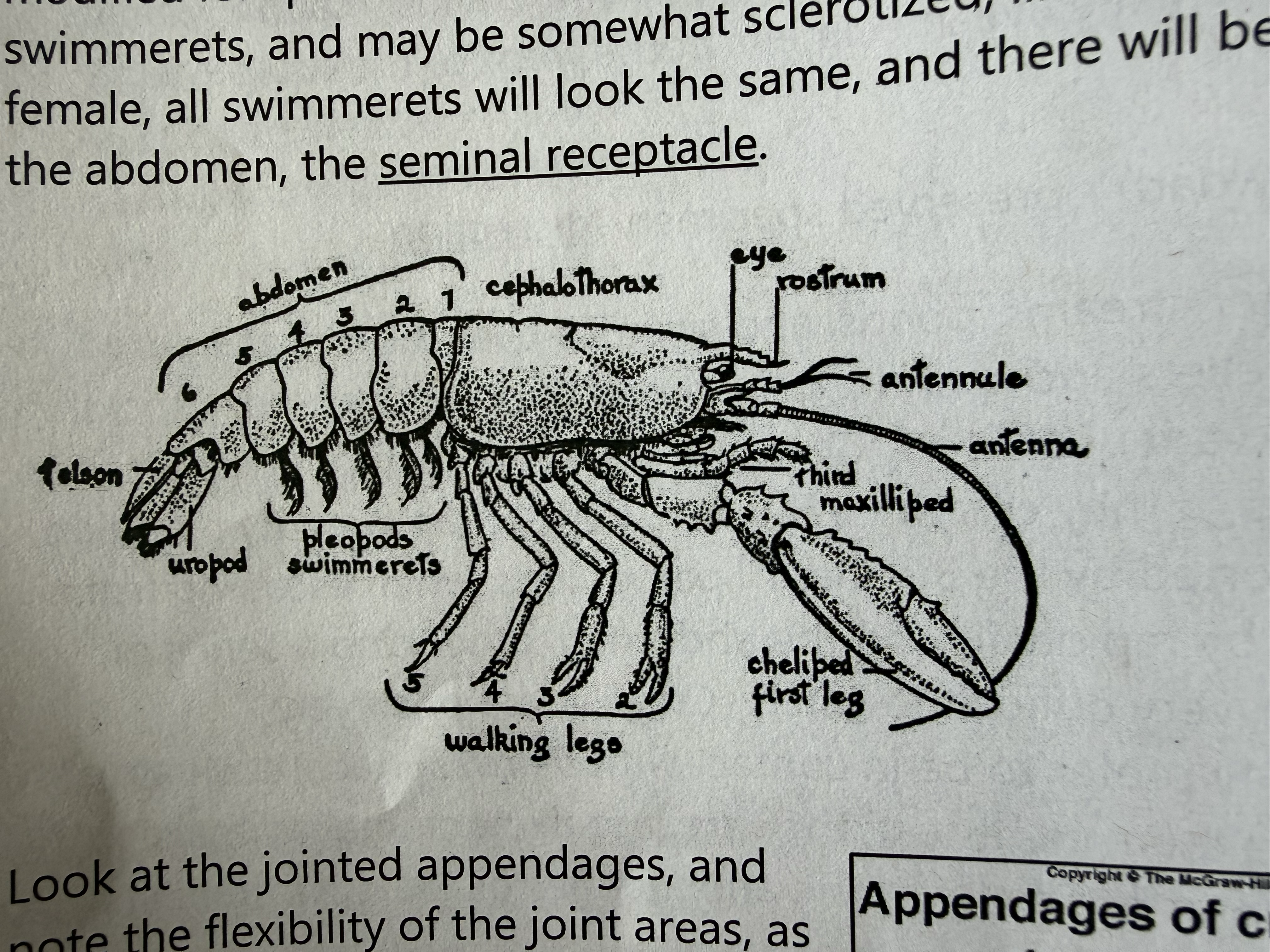
Crayfish Dissection
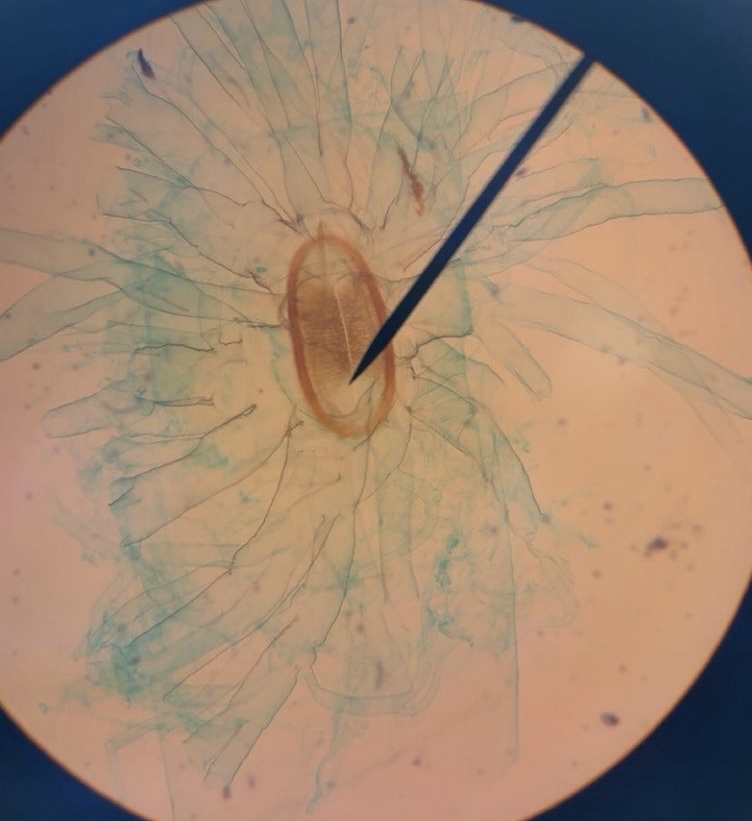
Insect tracheae and spiracle
Phylum: Arthropoda
Subphylum: hexapoda
Class: insecta
breathe through spiracles which is on their abdomen.
Trachea is green stained
Spiracles are brown stained
branches on the trachea are tracheoles that deliver oxygen to every cell and remove co2

Siphonaptera cat flea
Phylum: Arthropoda
Subphylum: Hexapoda
Class: Insecta
laterally flattened that allows them run through hair of host
mouths are adapted to cut into the skin of hosts sucking their blood
“Black Death”

Human Headlouse-pediculus capitis
Phylum: Arthropoda
Subphylum: hexapoda
Class: insecta
dorso-venral flattening of the body which allows them to lie flat against the body of the host

Pubic louse-Phthirus pubis (crabs)
Phylum: Arthropoda
Subphylum: hexapoda
Class: insecta
transmitted by intimate contact
endoparasite that lives in pubic hair

Bed Bug-cimex
Phylum: Arthropoda
Subphylum: hexapoda
Class: insecta
feed on human blood

leech
Phylum: Annelida
Class: Hirudinea

Leech
Phylum: Annelida
Class: Hirudinea
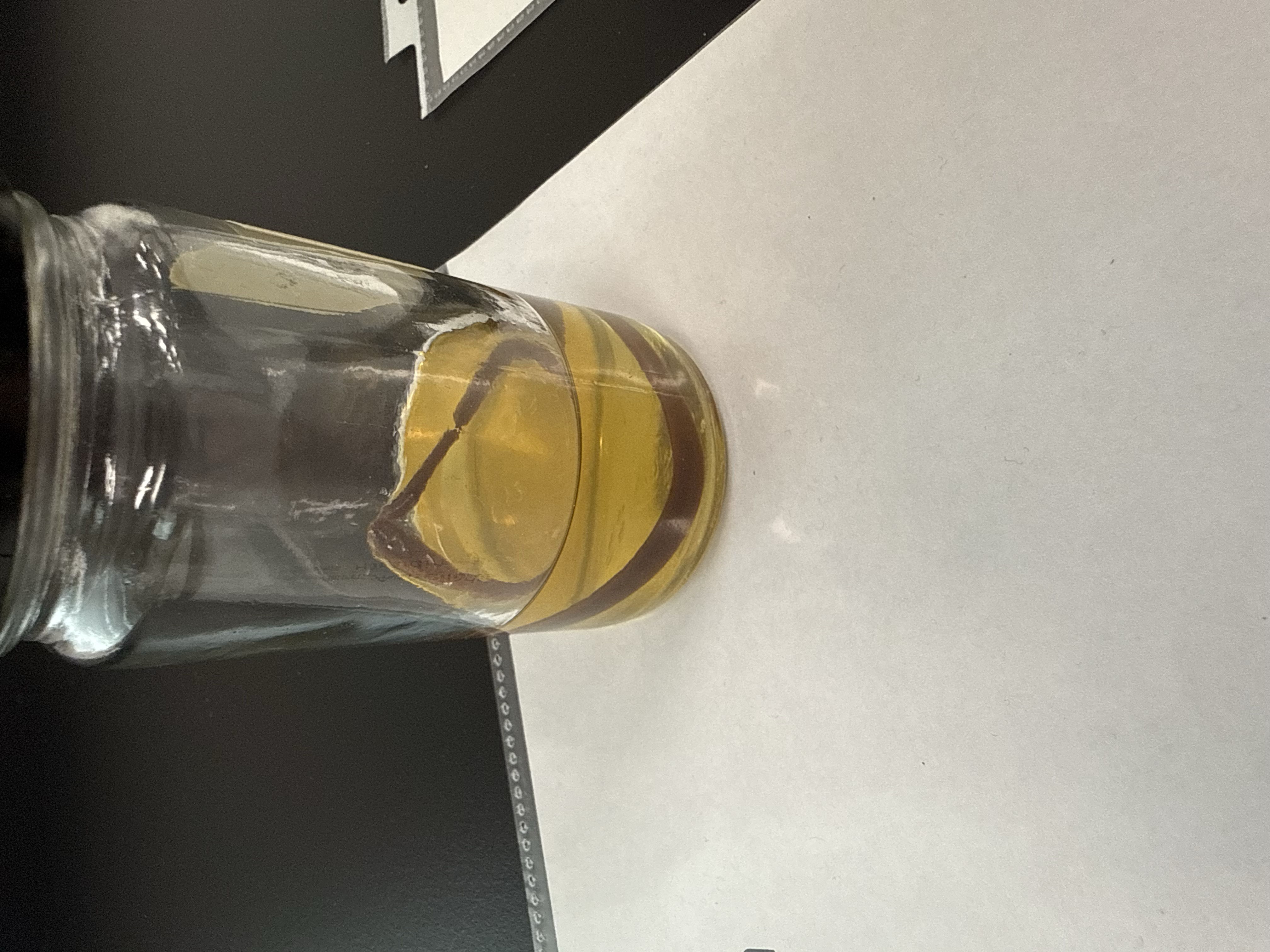
Leech
Phylum: Annelida
Class: Hirudinea

3-vena cava 6-ink sac 7-pancreas 8-gill 10-heart 11-sinus venosus 12-stomach 14-mantle 15-tentacle