organic chem test 3
 Call Kai
 Learn
 Practice Test
 Spaced Repetition
 Match
 Flashcards
 Knowt Play
1/51

There's no tags or description
Looks like no tags are added yet.
52 Terms
polar protic solvents
water, methanol, ethanol, ammonia, acetic acid
“watch my elephant after animals”
polar aprotic solvents
Acetone, HMPA, Acetonitrile, DMF, DMSO
“Always help after day doors”
strong bases, weak nucleophiles
NaH, DBN, DBU, KOtBu (hoffman)
strong bases, strong nucleophiles
OH, MeO, EtO
weak bases, strong nucleophiles
I-, Br-, Cl-, RS-, HS-, RSH, H2S
weak bases weak nucleophiles
H2O, MeOH, EtOH
what reaction has reagants: BH3THF, H2O2, OH
hydroboration-oxidation (anti markovnikoc and syn addition)
what reaction has reagants: H2SO4, H2O
acid catalyzed hydration (markovnikov, rearrangement possible)
what reaction has reagants: Hg(OAc)2, H2O, NaBH4
oxymercuration-demercuration (markovnikov, no rearrangement)
what reaction has reagants: HBr, ROOR
radical addition (anti markovnikov)
what reaction has reagants: Br2, H2
halohydrin formation (OH and Br added, OH→ more substituted carbon)
what reaction has reagants: Br2
halogenation (2 Br atoms add anti)
what reaction has reagants: excess Br2
depends→ can add 4 Br
what reaction has reagants: O3, Me2S
reductive ozonolysis (breaks C=C bond into carbonyl compound)
what reaction has reagants: NaH
strong base→ often forms alkoxide/anion
what reaction has reagants: KOtBu
bulky base→ favors Hoffman product
what reaction has reagants: NaOEt, EtOH
strong base/nucleophile → favors Zaitsev E2
what reaction has reagants: TsCl, pyridine
tosylation (converts OH into LG)
what reaction has reagants: NaSH
strong nucleophile weak base → favors substitution to form C-SH
3 mechanisms to make an alcohol
hydroboration
acid catalyzed hydration
oxymercuration-demercuration
hydroboration-oxidation
converts alkene to alcohol
anti- markovnikov
O and OH added to same face (syn addition)
SN2 reactions
stereoinversion at carbon where substitution occured
one step
backside attack
strong nucleophile
acetic acid structure- polar protic

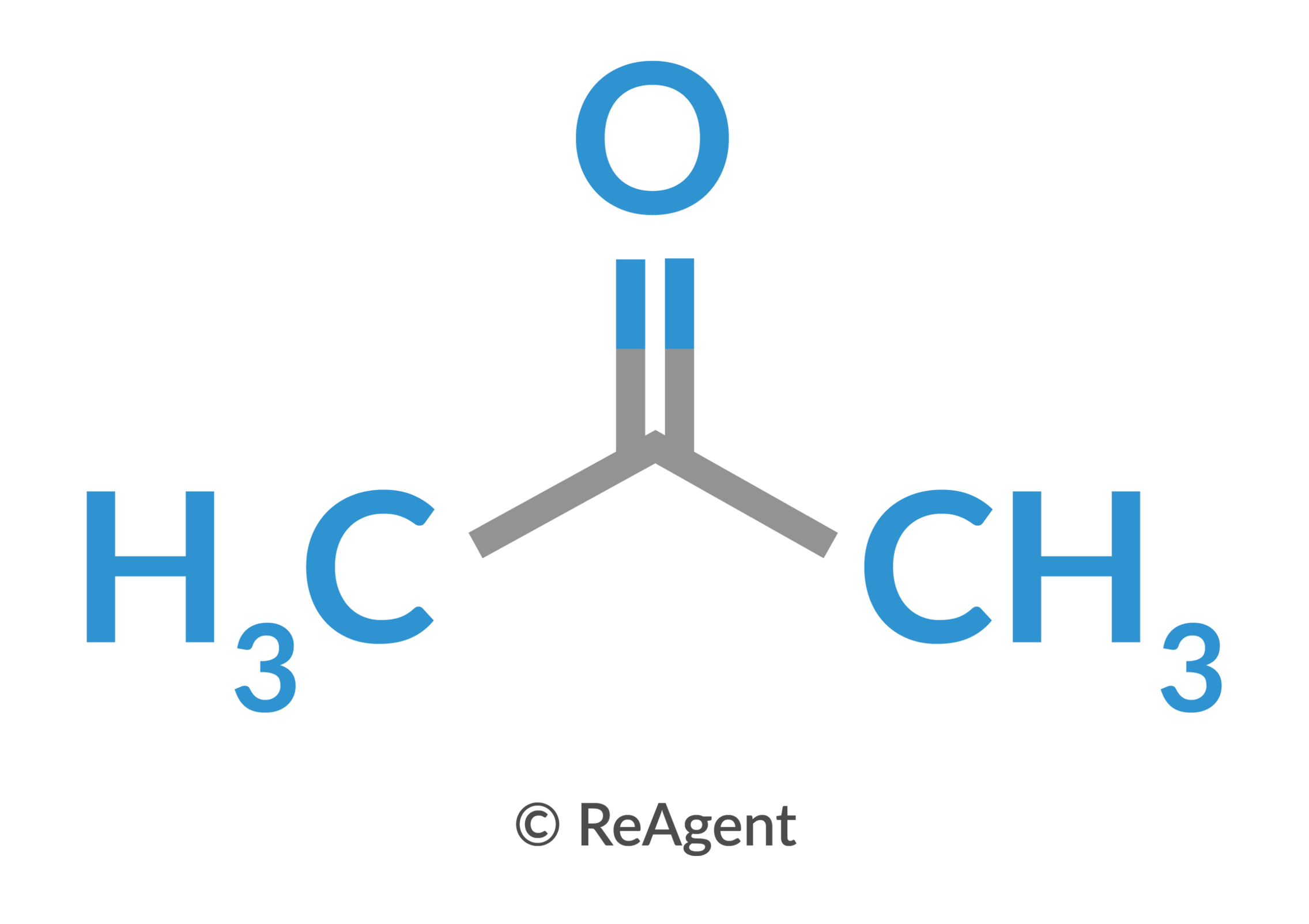
acetone structure- polar aprotic
dimethylsulfoxide (DMSO) structure- polar aprotic

dimethylformamide (DMF) structure- polar aprotic

acetonitrile structure- polar aprotic

E2 reactions
strong base
beta H removal
double bond formation
one step
naming alkenes
-ene
parent chain will be longest chain WITH C=C bond
the greater number of carbon groups attached to C=C…
more stable the alkene
which is more substituted- hoffman or zaitsev product
zaitsev
bulky base (NaOtBu and KOtBu) favor which product
Hoffman
position of beta H and LG for E2 mechanism
must be anti conformation
strong bases weak nucleophiles
NaH, DBN, DBU, KOtBu (hoffman)
strong bases strong nucleophiles
OH-, MeO-, EtO-
weak bases strong nucleophiles
I-, Br-, Cl-, RS-, HS-, RSH, H2S, CN-
weak bases weak nucleophiles
H2O, MeOH, EtOH
which reaction mechanism: strong base weak nucleophile with 1 prime substrate
E2
which reaction mechanism: strong base weak nucleophile with 2 prime substrate
E2
which reaction mechanism: strong base weak nucleophile with 3 prime substrate
E2
which reaction mechanism: strong base strong nucleophile with 1 prime substrate
mostly SN2, some E2
which reaction mechanism: strong base strong nucleophile with 2 prime substrate
mostly E2, some SN2
which reaction mechanism: strong base strong nucleophile with 3 prime substrate
E2
which reaction mechanism: weak base strong nucleophile with 1 prime substrate
SN2
which reaction mechanism: weak base strong nucleophile with 2 prime substrate
SN2
which reaction mechanism: weak base strong nucleophile with 3 prime substrate
SN2
which reaction mechanism: weak base weak nucleophile with 3 prime substrate
SN1/E1
strong nucleophiles favor ____ weak nucleophiles favor ____ (depending on base strength)
substitution
elimination
P-toluenesulfonyl (Ts) structure

pyridine- base structure

what reactions do Ts and pyridine favor
substitution