class 12
 Call Kai
 Learn
 Practice Test
 Spaced Repetition
 Match
 Flashcards
 Knowt Play
1/59

There's no tags or description
Looks like no tags are added yet.
60 Terms
what are the 3 layers of skin?
epidermis, dermis (has nerve endings & epithelialization happens here), hypodermis
explain: 1st degree, 2nd degree, 3rd degree, 4th degree burns
1st degree
epidermis only
superficial
red, dry, painful, no blisters
ex. sunburn
2nd degree (partial thickness)
epidermis & part of dermis
blisters, moist, pain
when tissue regenerates → scar (no elasticity) → problem w/ ROM if burn on limb
ex. burn over elbow → scar tissue develops → tightens → difficult to straighten arm → cracture
3rd degree (full thickness)
entire dermis & dermis destroyed, extends to subq tissue
skin is black, white, leathery, brown, no blanch
may be painless b/c no nerve endings
no regeneration → no cells to create scar tissue → skin graft
4th degree
extends to the muscles, bones, tendons
charred, black, no sensation
what to keep in mind about children’s skin?
thin epidermal & dermal layers → heat burns into skin quickly
a superficial burn in adults is even deeper for a child (2nd to 3rd degree)
what types of energy causes burns?
thermal (high or low heat)
electrical (chewing electricity cord)
chemical (cleaning material goes on skin)
radiation (exposure to radiation)
what factors do we use to assess burn severity in children?
depth (consider duration & type of burn)
percentage of body surface area (BSA) → use lund-browder chart
age related for head & legs
trunk: 13%
genital: 1%
feet: 2%
infants: large heads & small legs
older children: small head & large legs
involvement of critical body parts
inhalation, face, hands, feet, perianal, anterior chest, circumferential
explain how burns impact: inhalation, face, hands & feet, perianal, anterior chest, circumferential, splash
inhalation
inhaling hot gas, smoke, toxic chemicals
look for singed nasal hair, swollen lips, voice changes, soot (black sputum), hoarseness, stridor, wheezing, crackles
face
caused by high temp around face
breathing in high temp → inhalation burn
hands & feet
worried about ROM
causes scarring → contractures
perianal
d/t submerging in very hot water
if anus closes → GI obstruction
high risk of infection
anterior chest
burn can restrict expansion of the chest wall
circumferential
burn wraps around entire body part → restriction
ex. circumferential burn around chest → skin becomes stiff & inelastic → restricts chest expansion & impair breathing
splash
very common in toddlers
adults drinking tea or coffee & toddler tips cup → splashes on lip, chin, chest
pathophysio of burns
burn injury → systemic inflammatory response → release of inflammatory cells causes vasodilation, increased capillary permeability, WBC activation → 3rd spacing (fluid leaks from vessels to tissues) → edema & hypovolemia → decreased perfusion → burn shock
loss of skin barrier → risk of infection, fluid loss, hypothermia
fluid shifts → sodium leaks out, hyperkalemia in bloodstream, loss of plasma & protein d/t increased capillary permeability
what should we do first before fluid resuscitation?
ABCs & possibly intubate airway
how do we fluid resuscitate after burns?
use formula to determine requirements as a guide only
PARKLAND FORMULA: 3 mL x weight (kg) x TBSA in 1st 24 hrs + maintenance fluids
goal for urinary output 1mL/kg/hr
watch vital signs & mentation
lactated ringers/ normal saline is normally used for 1st 24 hrs
vital signs of burn pts?
increased HR, RR
low SPO2
hypotension
low temp b/c heat loss through open skin
when & why should we intubate patients with inhalation injuries?
intubate early → when they show s/sx of voice changes, stridor, hoarseness, resp distress BC we need to secure the airway before edema makes it difficult
what is the pediatric parkland formula?
PARKLAND FORMULA: 3 mL x weight (kg) x TBSA in 1st 24 hrs + maintenance fluids
HALF IS GIVEN IN 1ST 8 HOURS
REMAINING IS GIVEN IN 16 HRS
do the pediatric parking formula: pt is 20 kg & TBSA is 20%
parkland
3 × 20 × 20 = 1200 mL
1st 8 hrs: 600/8 = 75 mL/hr
remaining: 16 hrs: 600/16= 37.5 mL/hr
maintenace fluids
10 × 100 = 1000
10 × 50 = 500
1500 mL in 24 hrs
what is the emergent/resuscitation/acute phase of burns? (what is prioritized, what vaccine to consider, what to monitor)
24 to 48 hr of burn, ends when fluid resuscitation is complete
cover w/ clean dry sheets
protects burn from infection & minimizes heat loss
no antiseptic preparations
do NOT break blisters (only specialists)
COOL water only
avoid cold & ice
ice causes vasoconstriction → further decreasing blood flow to tissue
consider tetanus immunization
if tetanus vaccine was >5 years go → give booster
assess immunization hx
broken skin → risk of infection
monitor glucose (130-140 mg/dL) → best goal
severe burns trigger stress response → release of cortisol → increase glucose production & insulin resistance (less responsive to insulin) → tress induced hyperglycemia
when do we break blisters?
chemical burns b/c chemical can be inside & causing more damage
what is the long term burn treatment?
intensive wound care
pain control **
give pain meds then do dressing changes, cleaning
skin graft → 3rd degree burns
physical & occupational therapy
scar tissue is less elastic than normal skin
scar tissue can restrict movement → decrease ROM
helps w/ mobility, strength, regain functional skills
high caloric requirements
burns cause hyper metabolic state → NEED VERY HIGH CALORIES & PROTEIN
outpatient care for at least 2 years
how to prevent burns in children?
Set water heater temp to no higher than 120C/48C or just below medium setting
Create a "no kid zone" in kitchen around stoves, ovens, and hot items (tape on ground; 2 feet around stove)
Keep hot drinks away from the edge of the tables and counters
Use a travel mug with a tight fitting lid for all hot drinks
Place pots and pans on the back burner with handles turned away from the edge of the stove
what is Nursemaid’s elbow? s/sx? what is tx?
subluxation of the radial head (incomplete or partial dislocation of joint) d/t twirling/swinging child around by their hands
s/sx:
pain with arm movement, esp rotation
child will not move arm
tx:
provider will do hyperpronation or supination-flexion technique → child can move arm within minutes
what is developmental dysplasia of the hip (DDH)?
congenital condition
femoral head does not stay in protective socket (acetabulum)
acetabulum shallow or underdeveloped → femoral head is not securely head → hip instability
what can we palpate on physical diagnosis for developmental dysplasia of the hip (DDH)? what are the 3 tests?
physical diagnosis:
palpable hip dislocation on exam
3 tests
barlow
dislocates a dislocatable hip by adduction & depression of the flexed femur
flex infants hips & bring it midline
purpose: determines whether an unstable hip can be dislocated
+ test: palpable clunk → femoral head slips out of socket
ortolani
reduces a dislocated hip by elevation & abduction of the flexed femur
flex hip & move it away from midline
determines if dislocated hip can be reduced
+ test: palpable clunk → dislocated head returns to socket
galeazzi
apparent limb length discrepancy d/t unilateral dislocated hip w/ hip & knee flexed at 90 degrees
supine infant & flex knees @ 90 degrees → compare height of both knees
+ sign: one knee is lower than the other
which developmental dysplasia of the hip types are rarely positive after 3 months of age?
barlow & ortolani b/c hip becomes less flexible → harder to dislocate or relocate
what is the treatment for developmental dysplasia of the hip (DDH)? nursing interventions to keep in mind?
pavlik harness → keeps hips flexed & abducted to hold femoral head in the acetabulum for cartilage to develop
used for infants < 6 months
6-18 months: closed reduction & spica casting
> 18 months: open reduction
don't want lots of friction w/ straps on skin so ensure well-padded and fits well
Band around chest with straps on shoulders and straps holding legs in position to keep femur in place
what is legg-calve-perthes? when is prognosis worse? what do half of these people develop?
idiopathic avascular necrosis of the femoral head
blood supply to femoral head is disrupted → inflammation → bone tissue dies/necrosis → femoral head cracks
worse prognosis > age 6
older children have less bone growth → femoral head has less opportunity to regain normal shape
About half develop degenerative premature osteoarthritis
loss of blood supply → bone tissue dies → femoral head collapses or flattens & no longer fits in acetabulum → uneven wear & tear on bones → premature osteoarthritis what
what are the s/sx of legg-calve perthes?
Insidious (gradual) onset of limp, pain
Pain worse with activity
Limited, passive ROM (d/t joint stiffness)
Tenderness over groin (inflammation & damage)
Limited abduction and rotation
** slow build up of s/sx
what is the treatment for legg-calve-perthes?
Short period of bedrest
Ibuprofen (reduce inflammation)
Possible surgery
what is slipped capital femoral epiphysis & what is there a risk of? who is it commonly seen in & what ages?
femoral head (epiphysis) slips off growth plate (physis)
risk of slippage to contralateral side (may develop on the opposite hip)
commonly seen in boys (majority over 95th percentile → obesity), ages 9-15 in puberty
what are the s/sx of slipped capital femoral epiphysis (SCFE)? what is a complication?
painful limp w/wo hx of trauma
hip, knee or thigh pain
leg held in an externally rotated position
limited abduction & flexion
** downward pressure → femur head slips = all nerve endings/vessels also shifts = AVASCULAR NECROSIS (bone tissue dies b/c not enough blood supply)
treatment for slipped capital femoral epiphysis (SCFE)? what can we use & not use?
tx: pinning (screw through diaphysis & growth plate to femur head)
lay flat or use crutches before pinning
NO WHEELCHAIR → SITTING WORSENS STRAIN
be alert of other side!!
what is scoliosis? what are the 3 types? when is it seen?
lateral curvature of the spine where >10 degrees on xray w/ vertebral rotation
3 types
idiopathic (most common)
congenital skeletal abnormalities
neuromuscular (cerebral palsy, spina bifida)
usually seen in ages 10-16
what is the assessment test we do for idiopathic scoliosis? what are other signs we may see?
adam’s forward bend test: see rib hump
have child bend forward w/ feet together & arms hanging, observe the bank from behind
+ finding : rib hump (one side appears higher than the other)
other signs
depression of shoulder (one shoulder higher than other)
asymmetry of scalpulae (one blade sticks out more)
curve of spine (curves to one side)
sacral tilt (one pelvic side is higher)
asymmetry in distance between arms & body (large gap between one arm & waist than the other)

what is treatment for idiopathic scoliosis? what is the nursing intervention?
observe
brace (thoracic lumar sacral orthotic)
does not straighten the spine, it slows progression of curve
surgery: spinal fusion (using rods/screws to realign vertebrae)
pre-surgery
teach pt how ot use PCA & incentive spirometry
1st PICU → pediatric unit
foley while epidural in place
NGT until bowel sounds return if pt is under heavy anesthesia
GI system is the last to emerge for anesthesia
IV fluids until PO
log rolling to change position q2 hrs (takes 3 nurses, 2 on the side, 1 at head)
maintain alignment while changing positions
respiratory care
D/C w/ brace
what is the classification for fractures?
SALTER Harris classification of fractures involving growth plate (physis) I to V
straight
above (through metaphysis)
lower (through epiphysis)
through (metaphysis, epiphysis, physis)
rammed (compression)
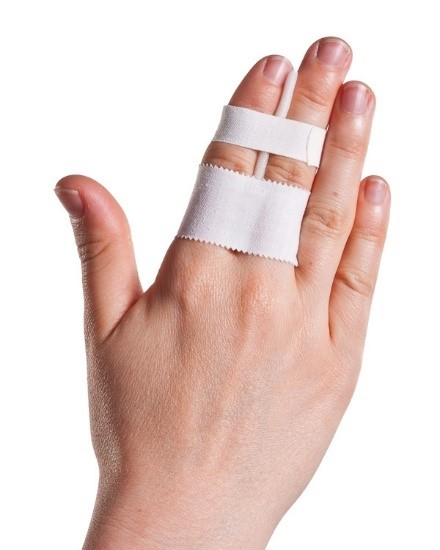
what is non-displaced finger fracture? what to do for tx?
non-displaced finger fx
crack in a small finger bone & bone pieces are still in normal position
buddy taping
take injured finger to adjacent healthy finger (as a splint)
realign, immobilize, allow time to regenerate
what to do for fractures related to metacarpals and thumbs?
short arm cast
how big does a cast need to be?
cast fractured area + joints above & below, must extend to distal & proximal joint
explain the treatments: casting, traction, open reduction internal fixation (ORIF), bi-valve cast? what is the nursing care? what is there a risk of?
casting: immobilized fractured bone
traction: uses continuous pulling force to maintain bone alignment
ORIF: surgically aligns bones using hardware such as plates, screws, pins
bi-valve cast: cutting the cast lengthwise to separate into two halves to relieve pressure while immobilizing
nursing care:
risk of ischemia & compartment syndrome (pressure inside a muscle compartment restricts blood flow to the muscles/nerves)
assess for five Ps (pain, pallor, pulselessness, parathesia, paralysis)
check pulses, color, movement/sensation, temp, edema, pain, AND report ASAP
care of cast, traction devices, and/or surgical sites
ensure devices are not too lose or tight
keep dry
do not put anything inside cast to itch
if itchy → cool air or benadryl
what is Ilizarvov apparatus? what is is commonly used for?
acts a bridge, both immobilizes the fx site & relieve stress while allowing movement of the entire limb & partial weight bearing (external fixation)
commonly used to correct deformity through distraction osteogenesis
gradual separation of the bone segments to stimulate new growth
what is osteogenesis imperfecta (OI)? compare orthopedic vs non-orthopedic manifestations.
genetic disorder causing bone fragility & fractures (easily fx) d/t defective type 1collagen production
orthopedic
weak bones, fx easily w/ minimal trauma
ligamentous laxity (loose)
short stature
scoliosis (weak vertebrae)
non-orthopedic
blue sclera (thin scleral collagen making whites of eyes appear blue)
hearing loss (small bones in ear are affected)
brownish opalescent teeth (detinogenesis imperfecta)
discolored, fragile teeth
increased risk of malignant hyperthermia
nursing care of child with osteogenesis imperfecta (OI)? what med?
move child on sheets instead of picking them up
avoid pulling on arms or legs or twisting extremities
child still needs love & physical touch
biphosphate IV (increased bone density & reduce bone breakdown)
what is club foot (talipes equinovarus)?
feet looks like golf club
twisted inward & downward
when does tx start for club foot (talipes equinovarus)? describe the non-operative vs operative tx.
tx starts ASAP after birth
non-operative
serial manipulation & casting (Ponseti method)
stretch foot & put cast → change cast every week
90% success rate
operative
soft tissue release & tendon lengthening
resistant feet in young children
performed at 9-10 months so child can be ambulatory at one year of age
how to care for a poisoned child?
SIRES
stabilize the child
identify toxin
reverse its effects
eliminate substance
support physically & psychologically
why is vomiting bad for a poisoned child?
chemical comes back up → burns esophagus → more damage
what is lead poisoning? is it acute & why? what should we do at the first few months of life? what are the dangers of lead poisoning?
not acute but has devastating long term consequences (accumulates in body overtime)
1st few months do blood tests for lead b/c it is in walls, pipes, drinking water
dangers:
nephrotoxin for kidneys
disrupts formation of hemoglobin in RBCs
neurotoxin to developing brain
what is non-accidental trauma (NAT)?
intentional physical injuries to a child → child abuse
when is child abuse the most dangerous? when is it seen in?
most dangerous in 1st year of life
majority in first 4 years of life
what are the characteristics of child abusers?
They were abused as children.
Low frustration tolerance (easily frustrated)
Isolation
Poor Self Concept
Lack of parenting knowledge
Lack of interpersonal skills
Unmet emotional needs
Substance abuse (emptiness inside them)
Immaturity:
Impulsive (acts w/o considering)
Use child to meet the adults emotional needs
Constant craving for change and excitement
what are the child abuse/ortho signs: red flags? where are the common injuries?
injury inconsistent w/ hx
fractures in infants that is not yet walking
multiple fx in various stages of healing
posterior rib fx (been kicked, punches, hit w/ a bat)
FYI → frequency of fx is:
humerus > tibia > femur
* spiral fx is concerning
femur fx cast: spica
what assessment do we do for s/sx of red flags in NAT?
skeletal survey
every bone in the body is xrayed so we can see how old each fx is
what are the clues that suspects child abuse?
story doesn’t explain injury
inconsistencies or parent blames sibling
long interval between injury & tx
inappropriate reaction (appears unconcerned, hostile)
unrealistic expectations of child
ex. expects 6 month old child to stop crying on demand
what is the diagnosis of NAT? (what components)
physical exam
injuries inconsistent w/ hx, evidence of poor caretaking, multiple injuries @ various healing stages, burns/bruises
skeletal survey (looking for hidden fx)
consider if
< 2yo w/ evidene of sus abuse
< 5 w/ sus fx
sus fx in child unable to communicate
head CT
all children w/ suspected intracranial injury
lab findings (for clotting factors, d-dimer, fibrinogen)
evaluate bleeding
what is the california penal code?
You must call a "Child Protective Agency" as soon as possible to make verbal report of "Reasonable Suspicion."
You must file a written report on Dept of Justice Suspected Child Abuse Report Form within 36 hours of verbal report.
Mandated Reporters are required to give their name.
Not reporting = misdemeanor, loss of license, $1000 fine, jail.
when do we suspect bruises as abuse? what assessment do we do?
any bruises in a non-ambulatory child is SUS
on cheeks, neck, back, upper arms, abd are SUS
over bony areas is OKAY
bruises in diff stages of healing
red > blue > yellow > green > brown > clear
what are non-accidental causes of bruising? what types of bruising mimics abuse?
NAT causes: whipping, punches, kicks
mimics: cupping & coining (gua sha)
increases blood flow to the skin
when do we suspect inflicted burns as abuse? what assessment do we do?
consider the body part & likelihood of event
immersion burns: doughnut shape, stocking or glove pattern
submerged in hot liquid
contact burns (hot object touches skin)
may leave shape of object on skin (ex. iron)
what is skeletal trauma? what % of it is abuse? what should we do if sus of abuse?
any fx in child < 1 yo (50-70% of abuse)
falls of less than 3-4 ft rarely cause fx
DO skeletal survey if SUS
what is shaken baby syndrome? what is the diagnosis? what are the s/sx?
forceful shaking causes shearing injury to bridging veins
head bounces back n forth → causes bleeding
retinal hemorrhages are diagnostic
s/sx:
irritability, lethargy, vomiting, resp changes
unresponsive, seizures
what is abusive head injury (AHT)? what % is related to NAT?
large subdural hematoma in fatal shaken baby case
blood accumulates → high ICP → reduce perfusion → ischemia → injury
HEAD TRAUAM related is 80% of deaths related to NAT
what is munchausen syndrome by proxyfictitious disorder on another (FDIA)? what are the warning signs?
parents make up or produce illnesses in their children
parents are motivated by vicariously experiencing “sick role” & praising them to be “amazing mother”
warning signs
recognize when standard tx don’t work
s/sx occur only when caregiver is present
caregiver unusually egar for medical testing or procedures
what are the effects of suspected abuse?
impaired brain development
poor physical health
psychological issues
relationship issues
substance abuse
behavioral issues
abusive to others