appendicular skeleton
 Call Kai
 Learn
 Practice Test
 Spaced Repetition
 Match
 Flashcards
 Knowt Play
1/83

There's no tags or description
Looks like no tags are added yet.
84 Terms
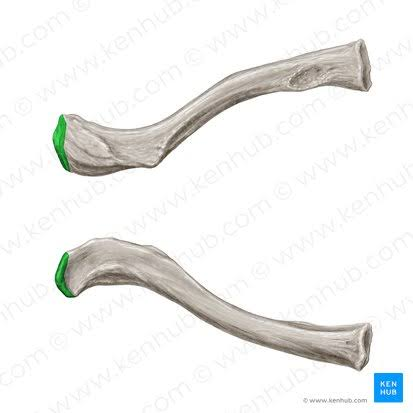
acromial end

sternal end

conoid tubercle

spine

acromion

glenoid cavitiy (fossa)
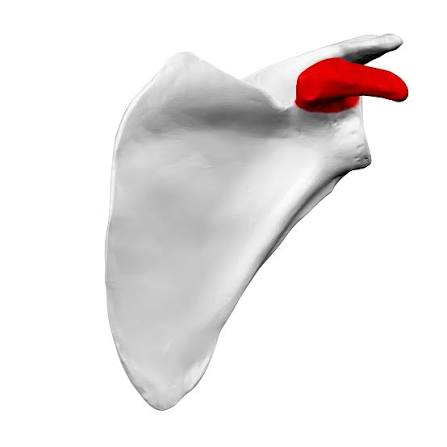
coracoid process


supraspinous fossa

infraspinous fossa

subscapular fossa
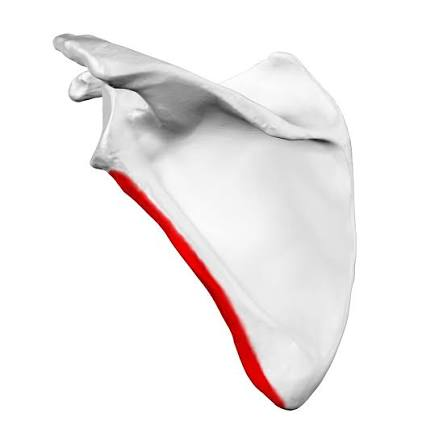
lateral (axillary) border
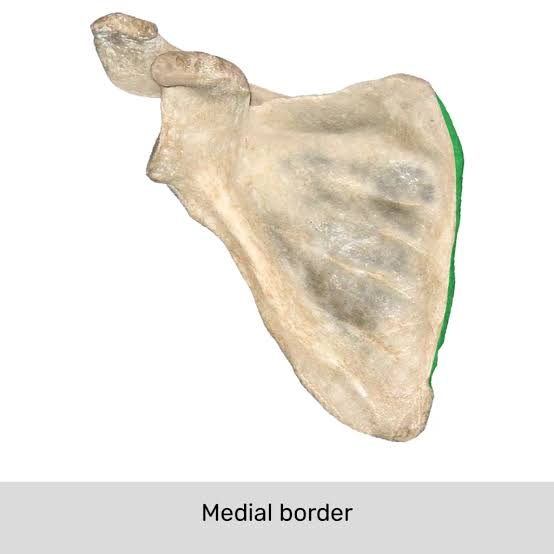
medial (vertebral) border

head of the humerus

surgical neck

greater tubercle

lesser tubercle

intertubercular sulcus

anatomical neck

deltoid tuberosity

trochlea

capitulum
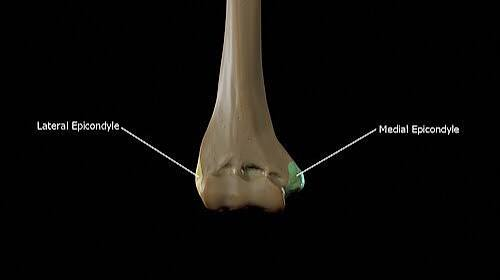
medial and lateral epicondyles

radial fossa


coronoid fossa


olecranon fossa


olecranon of ulna

coronoid process

trochlear notch

styloid process

radial notch

head of radius

radial tuberosity

styloid process
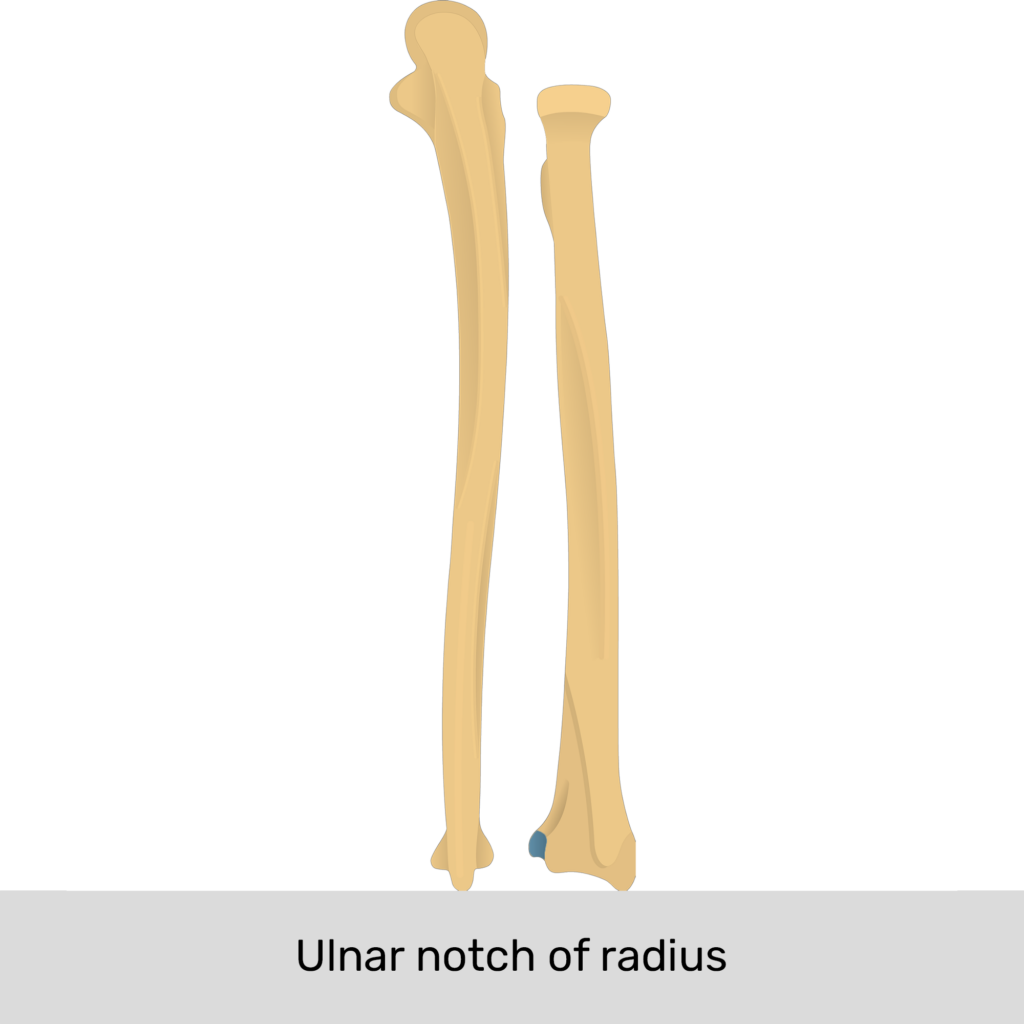
ulnar notch
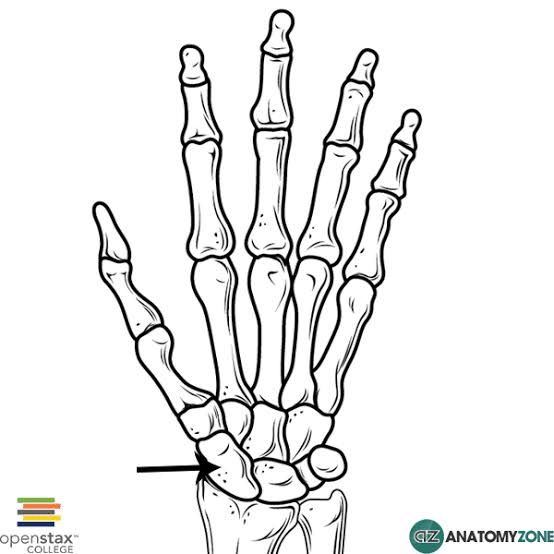
scaphoid

lunate

triqueturm

pisiform

trapezium

trapezoid

capitate

hamate

metacarpus 1-5 from thumb to pinky

phalanges
-thumb has 2 phalanges: proximal and distal
-digits have 3: proximal, middle, and distal
each formed by the fusion of the ilium, ischium, and pubis
os coxa

iliac crest

posterior and anterior iliac spines
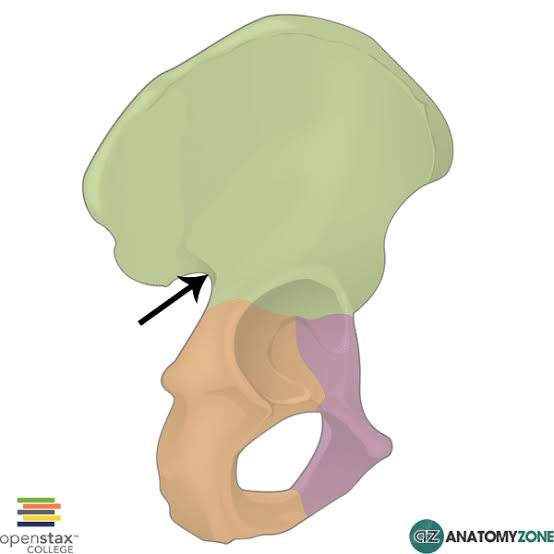
greater sciatic notch

iliac fossa

ischial spine

ischial tuberosity

pubic symphysis

obturator foramen
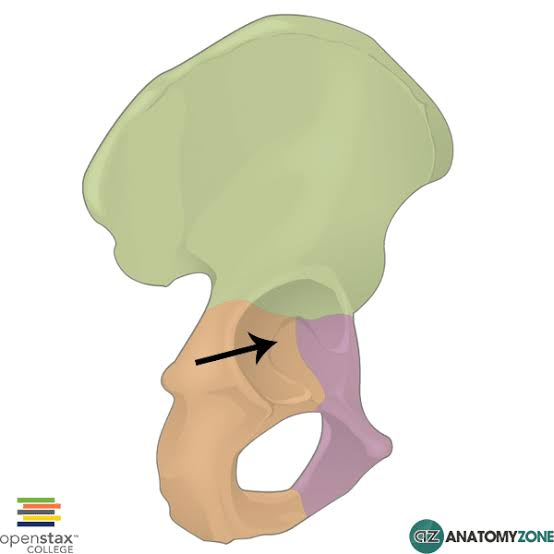
acetabulum
bony pelvis
is formed by the posterior articulation of the sacrum with the ilium at the
sacroiliac joint and the anterior articulation of the os coxa at the pubic symphysis .
You should know how to distinguish a male from a female bony pelvis

pelvis brim

false pelvis

true pelvis

pelvis inlet
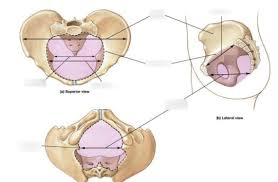
pelvic outlet

head of femur
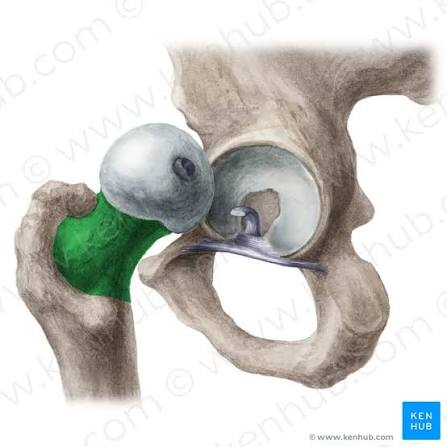
neck

greater trochanter

lesser trochanter

lateral epicondyle

lateral condyle

gluteal tuberosity

linar aspera

patella

lateral condyle

tibial tuberosity

anterior crest

medial malleolus
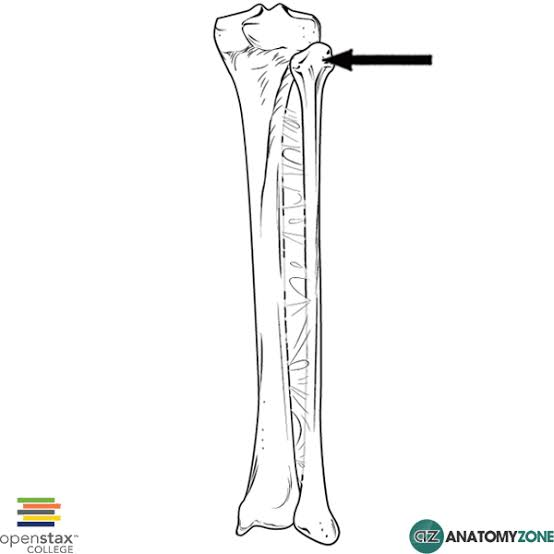
head of fibula

lateral malleolus

talus
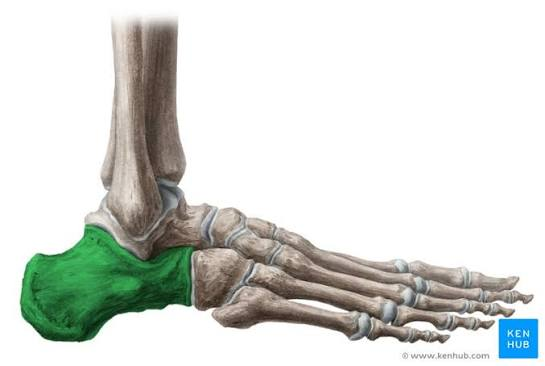
calcaneus

cuboid

navicular

lateral cuneiform

intermediate cuneiform

medial cuneiform

metatarsus 1-5 from great toe to little toe

phalanges
-big toe has 2: proximal and distal
-toes 2-5: proximal, middle, and distal