Biology Quiz 7 (Exam 4)
 Call Kai
 Learn
 Practice Test
 Spaced Repetition
 Match
 Flashcards
 Knowt Play
1/92

There's no tags or description
Looks like no tags are added yet.
93 Terms

4

4

2

4

2

2

3

4

3

4

2

2

4
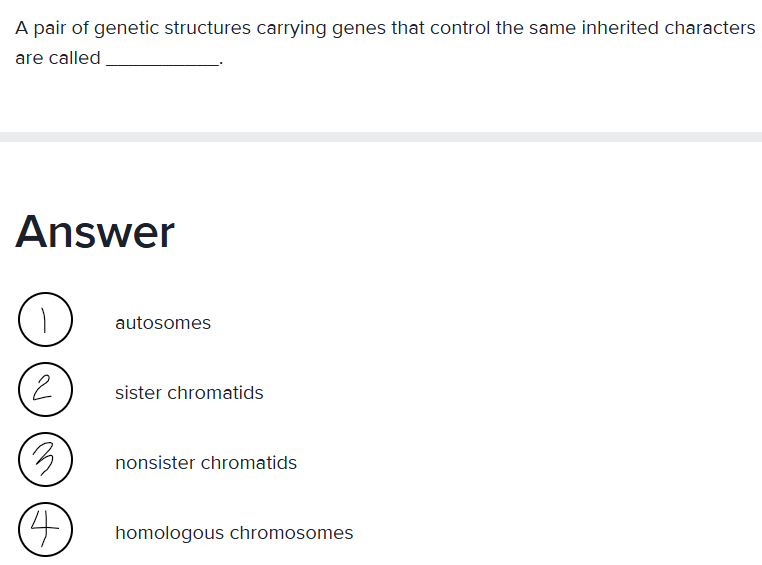
4

1

2

4

4

1

4

3
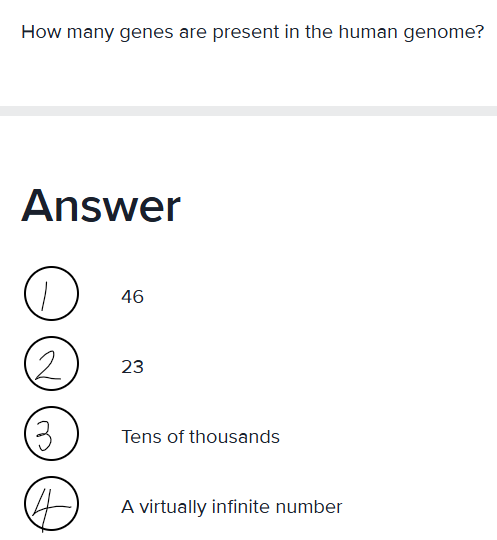
3

2

4

2

4

3

3
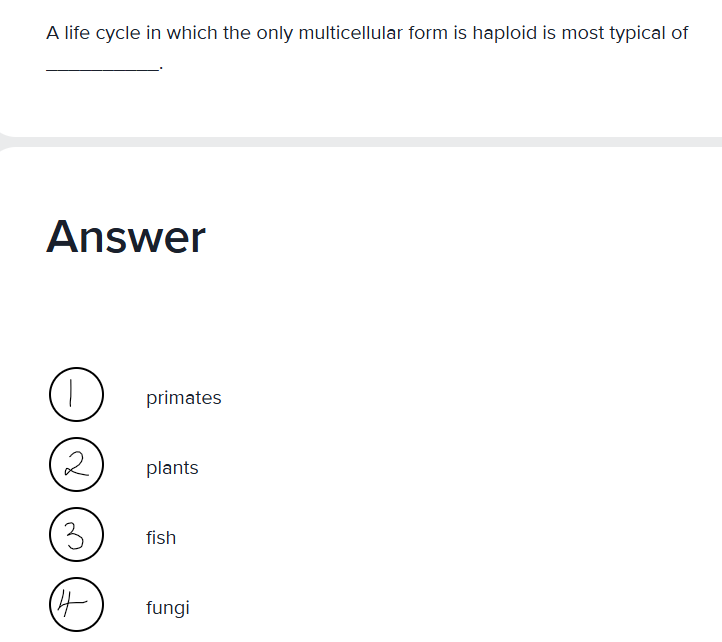
4
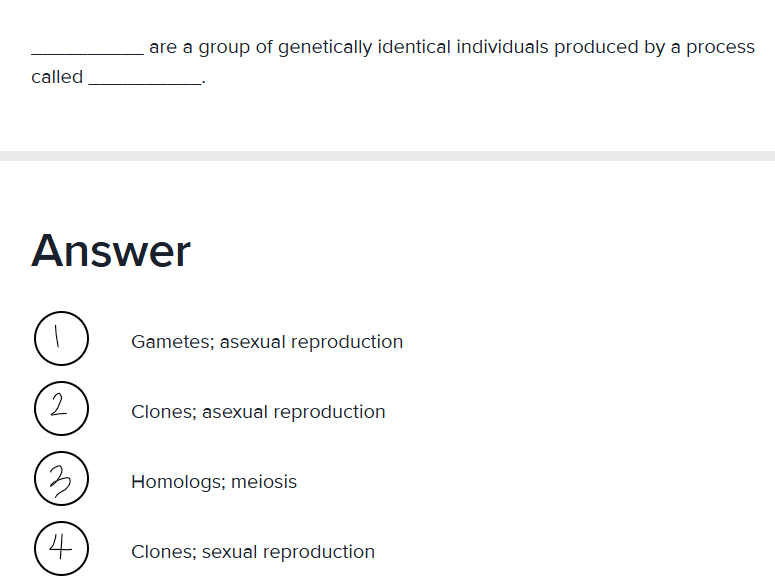
2

clone

mitosis

gametes

variability
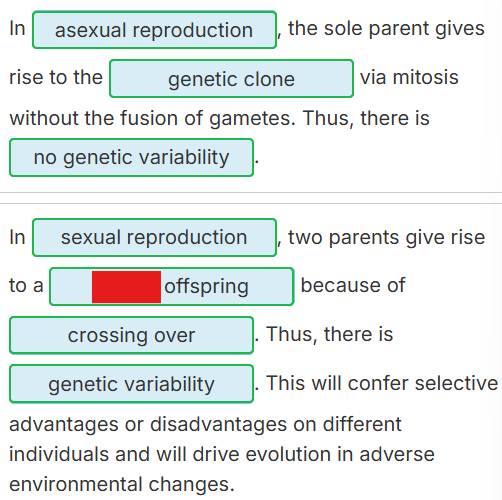
unique

crossing

variability
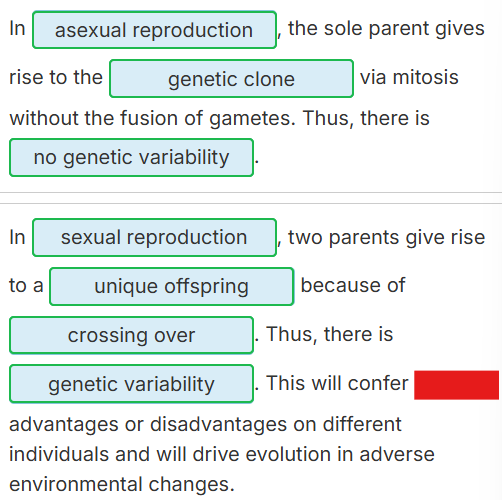
selective

evolution

3

3

1
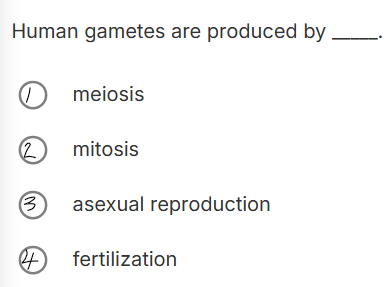
1

1

1

1

1

2

1

3

4

4

2

4
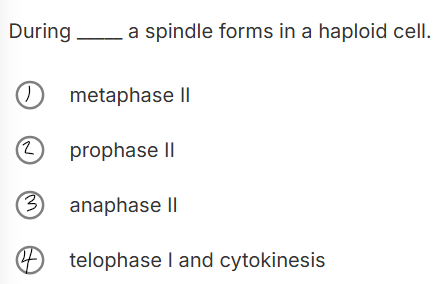
2

Mitosis

Mitosis
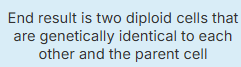
Mitosis
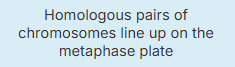
Meiosis

Meiosis
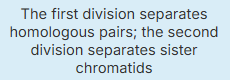
Meiosis
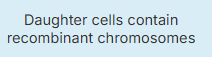
Meiosis

Meiosis

Meiosis
The first division of meiosis reduces the number of chromosomes in each cell by ________.
half
In meiosis II, the daughter cells from meiosis I undergo a very similar division to _________.
mitosis

2

4

4
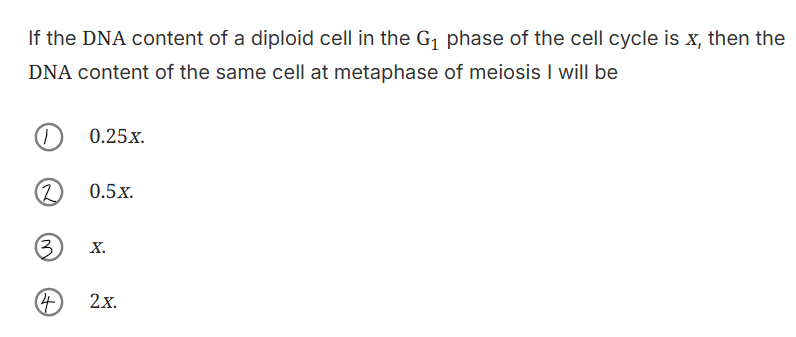
4
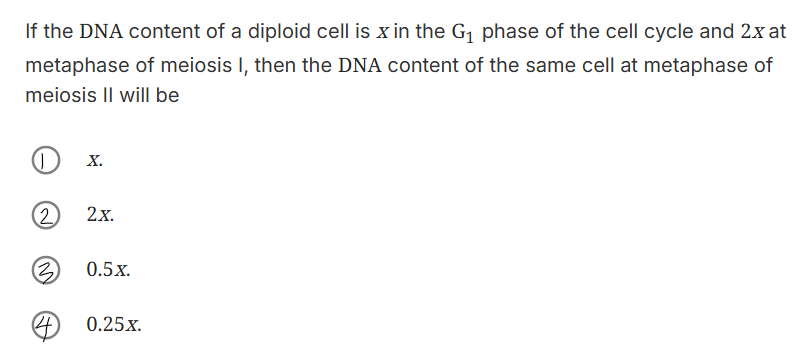
1

4

2

diploid

haploid

one half

one quarter

Meiosis I

Meiosis I

Meiosis II
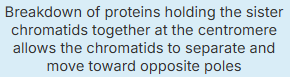
Meiosis II
As a result of crossing over, sister chromatids are no longer ________to each other.
identical
For crossing over to occur, homologous chromosomes must align precisely early in prophase I so that non-sister chromatids can exchange corresponding segments of __________.
DNA
Crossing over occurs at the ends of chromosomes, rather than near the ___________.
centromeres
The parent cell that enters meiosis is _______, whereas the 4 daughter cells that result are haploid.
DNA content is halved in both meiosis I and meiosis II.
Ploidy level changes from diploid to haploid in meiosis I, and remains haploid in meiosis II.
diploid
The parent cell that enters meiosis is diploid, whereas the 4 daughter cells that result are ________.
DNA content is halved in both meiosis I and meiosis II.
Ploidy level changes from diploid to haploid in meiosis I, and remains haploid in meiosis II.
haploid
The parent cell that enters meiosis is diploid, whereas the 4 daughter cells that result are haploid.
DNA content is _________ in both meiosis I and meiosis II.
Ploidy level changes from diploid to haploid in meiosis I, and remains haploid in meiosis II.
halved
The parent cell that enters meiosis is diploid, whereas the 4 daughter cells that result are haploid.
DNA content is halved in both meiosis I and meiosis II.
Ploidy level changes from ___________ in meiosis I, and remains haploid in meiosis II.
diploid to haploid
The parent cell that enters meiosis is diploid, whereas the 4 daughter cells that result are haploid.
DNA content is halved in both meiosis I and meiosis II.
Ploidy level changes from diploid to haploid in meiosis I, and remains ________ in meiosis II.
haploid
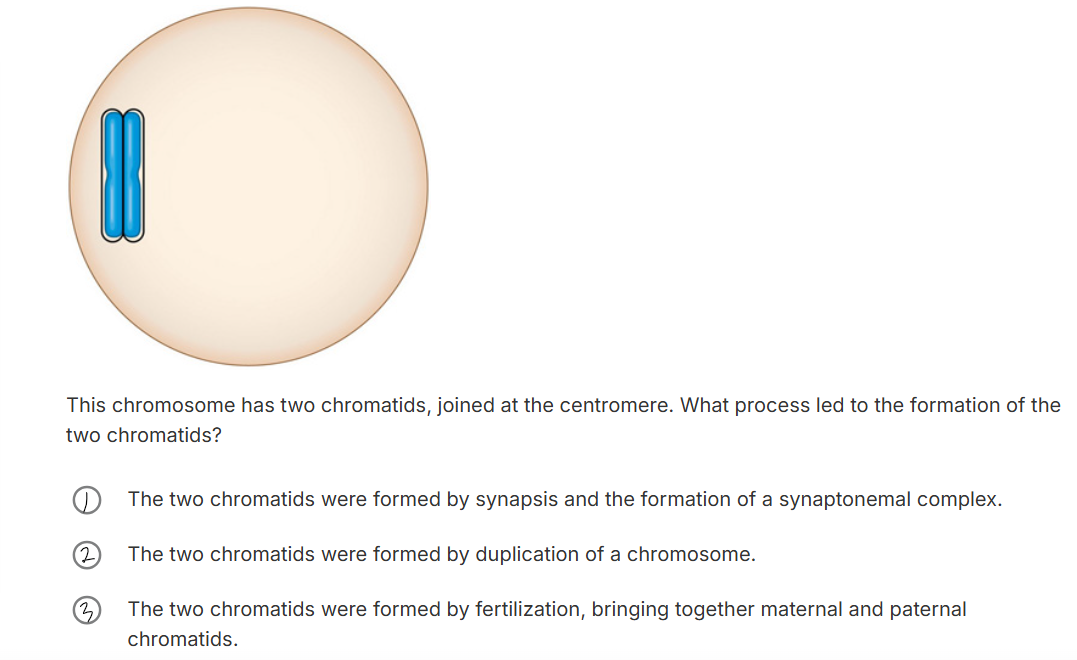
2

3
Assume that an organism exists in which crossing over does not occur, but that all other processes associated with meiosis occur normally.
Consider how the absence of crossing over would affect the outcome of meiosis.
If crossing over did not occur, there would be ______ genetic variation among gametes.
less