Review for the Final - Life Fitness 1 - 2025
 Call Kai
 Learn
 Practice Test
 Spaced Repetition
 Match
 Flashcards
 Knowt Play
1/34

There's no tags or description
Looks like no tags are added yet.
35 Terms
Body Composition
When I analyze the amount of fat in relation to my total body weight
Aerobic Training Zone HEART RATE MONITOR
145-185 beats per minute
Active Heart Rate
10 second pulse check while exercising
Factors that can affect your heart rate
diet, stress, sleep, hydration, illness, fatigue, etc.
Overload
Increasing your frequency, intensity, or time of your workouts. Placing a greater than normal demand on your body.
Healthy Cardiovasuclar systems recover FASTER or SLOWER?
FASTER
Cardiovascular Indurance
requires your heart and lungs to work for an extended period of time
Flexibility
working through the full range of motion for my joint
Specificity
planning workouts that are specific to your goals
What is the formula for Maximum Heart Rate?
Rate?
220-age = MHR
Muscular Endurance
Lifting moderate weight for 12-20+ repetitions
Muscular Strength
Lifting heavy weight of 5-7 repetitions
State Fitness Tests
Assess your competency in all five health related components of fitness
Progression
Example: gradually increasing the number of push-ups you do each workout
Develop Cardiovascular fitness with MODERATE aerobic activity
30 minutes, 5 days a week
Develop Cardiovascular fitness with VIGOROUS aerobic activity
25 minutes, 3 days a week
Resting Heart Rate
Use a heart rate monitor while sleeping OR take a 60 second pulse check before getting out of bed in the morning
Aerobic Training Zone PULSE check
24-31 beats per 10 seconds
Example of an Anaerobic workout
Sprint workout with intervals
Frequency
Create Overload by increasing how often you work out.
Example: Training for a 5k run 3 DAYS PER WEEK
Time
Creat Overload by increasing the amount of TIME you spend on a workout.
Example: Create overload by Increasing from a 20 minute run to a 40 minute run
Recovery Heart Rate
Monitor your heart rate 1 minute after your aerobic workout. A drop of 15-20 beats is great!
AEROBIC activity Heart Rate Zones
Zones 3 & 4 ( green & yellow)
ANAEROBIC activity Heart Rate Zones
Zone 5 (red)
VO2 max
Is the best indicator of cardiovascular fitness
Foundational Movement - Push
Example: Push up

Foundational Movement - Pull
Example: Lat Pull Down

Foundational Movement - Squat
Example: Squat

Foundational Movement - Hinge
Example: RDL (Romanian Dead Lift)

Foundational Movement - Lunge
Example: Lunge (single leg isolation)

Foundational Movement - Rotation / Anti-Rotation
Example: Standing Chop

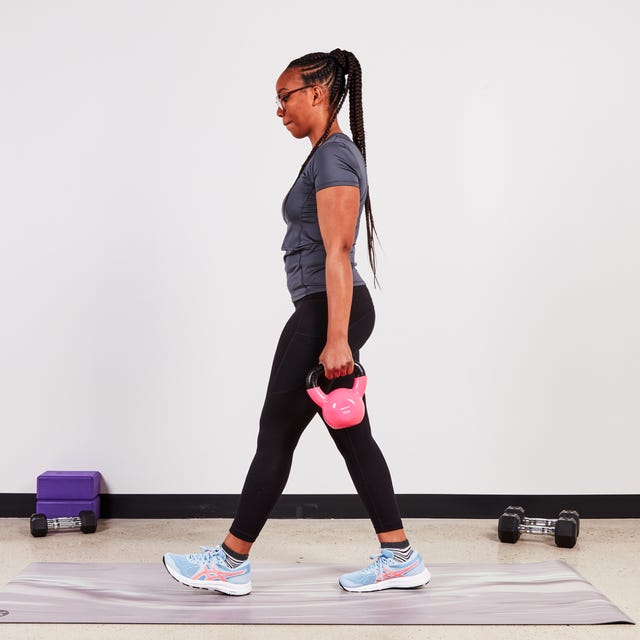
Foundational Movement - Carry
Example: Farmer's Carry
Recovery Heart Rate
Healthy Cardiovascular systems will recover FASTER. A drop of 15-25 beats is great.
How can you create Overload?
Increase the Frequency, Intensity, or Time of your workouts. Doing more than what YOUR body is used to.
What does it mean if your RESTING Heart Rate decreases over time?
Your cardiovascular system is getting healthier!