art history 1
 Call Kai
 Learn
Learn Practice Test
 Spaced Repetition
 Match
Match Flashcards
 Knowt Play
1/184

There's no tags or description
Looks like no tags are added yet.
Name | Mastery | Learn | Test | Matching | Spaced | Call with Kai | Chat |
|---|
No analytics yet
Send a link to your students to track their progress
185 Terms
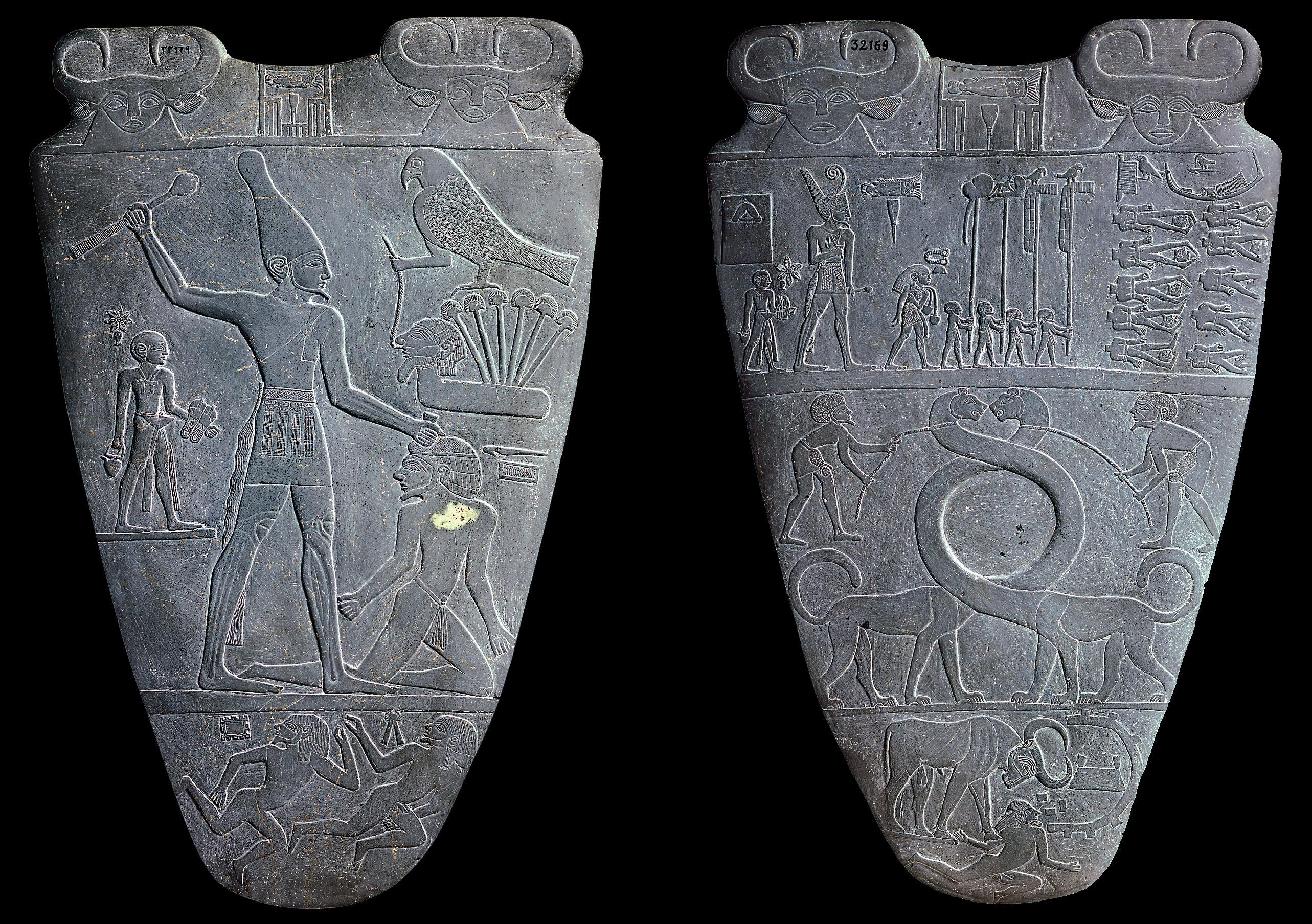
what, when, which period, where now
narmer palette
3100 bc
early dynastic period
now in cairo
under which kings were the pyramids of giza built
khufu, khafre, and menkaure
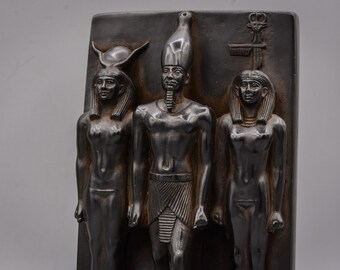
what, from which period
statue of menkaure with hathor and cynopolis
old kingdom

what, where now, which period
the seated scribe
at the louvre in paris
old kingdom

what, where now, which period
khafre enthroned
in cairo rn
old kingdom

what, from where
the four horses at st mark's cathedral
stolen from constantinople, then moved to venice
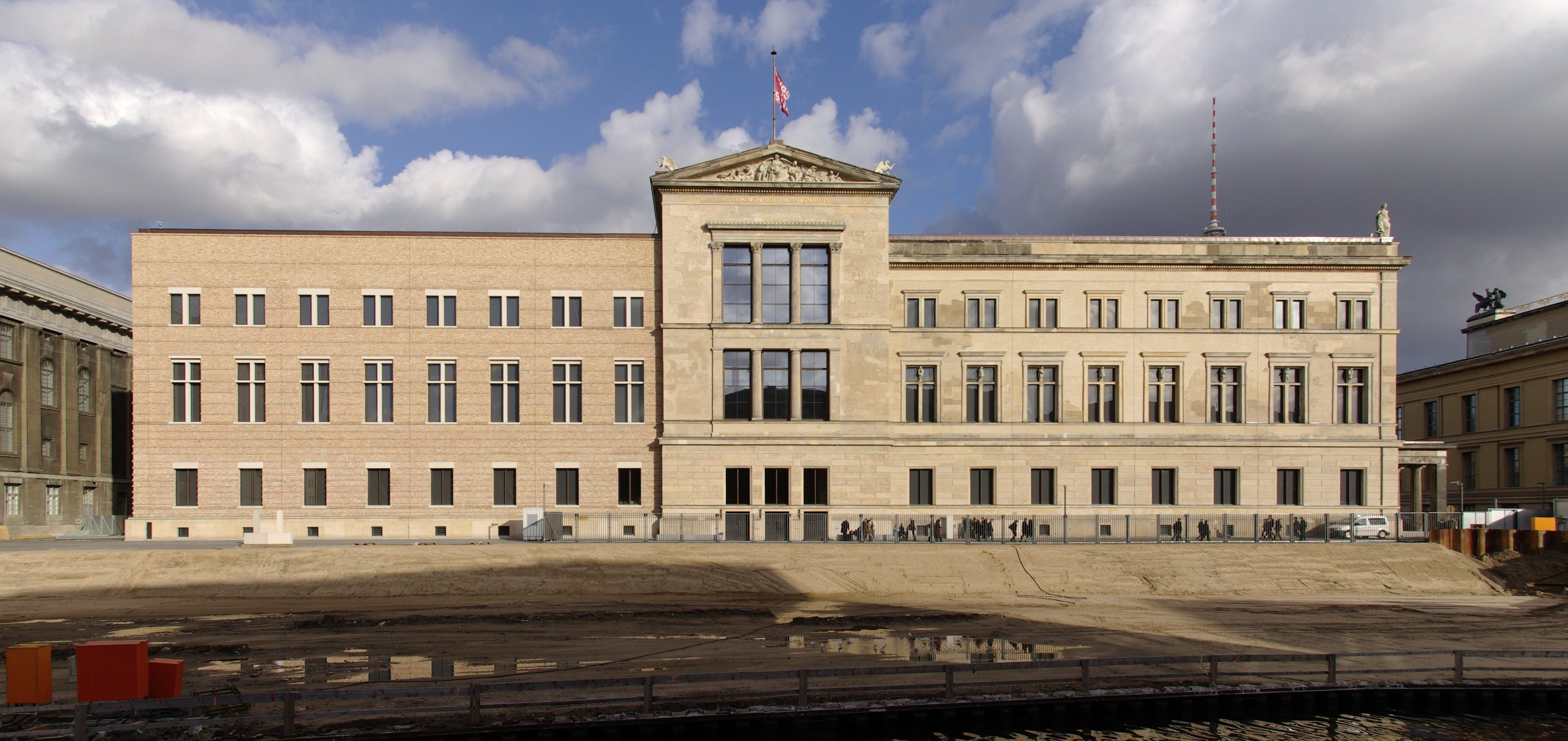
which famous museum houses the egyptian museum in berlin
the neues museum
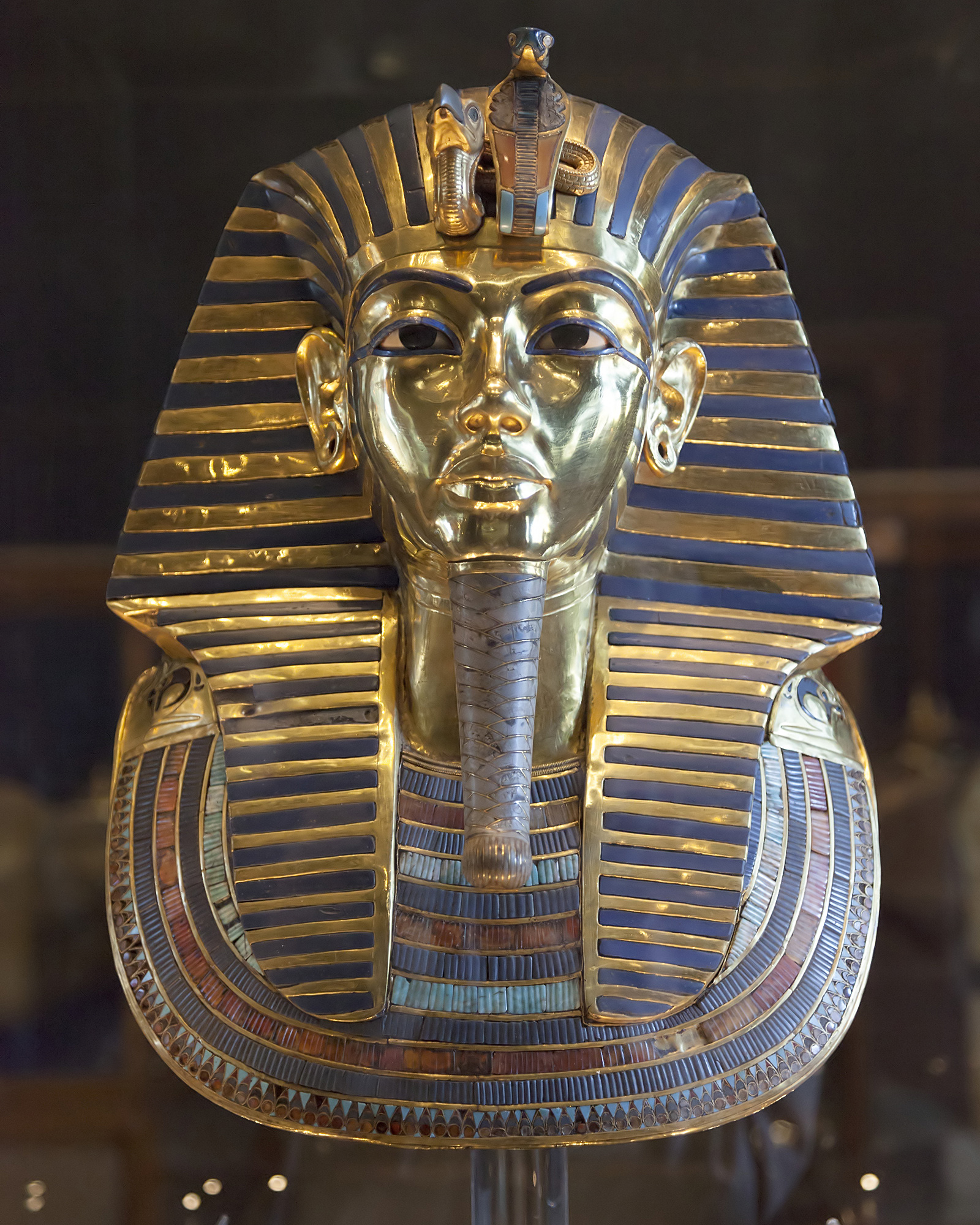
what, which period, where now
mask of tutankhamun
new kingdom
cairo
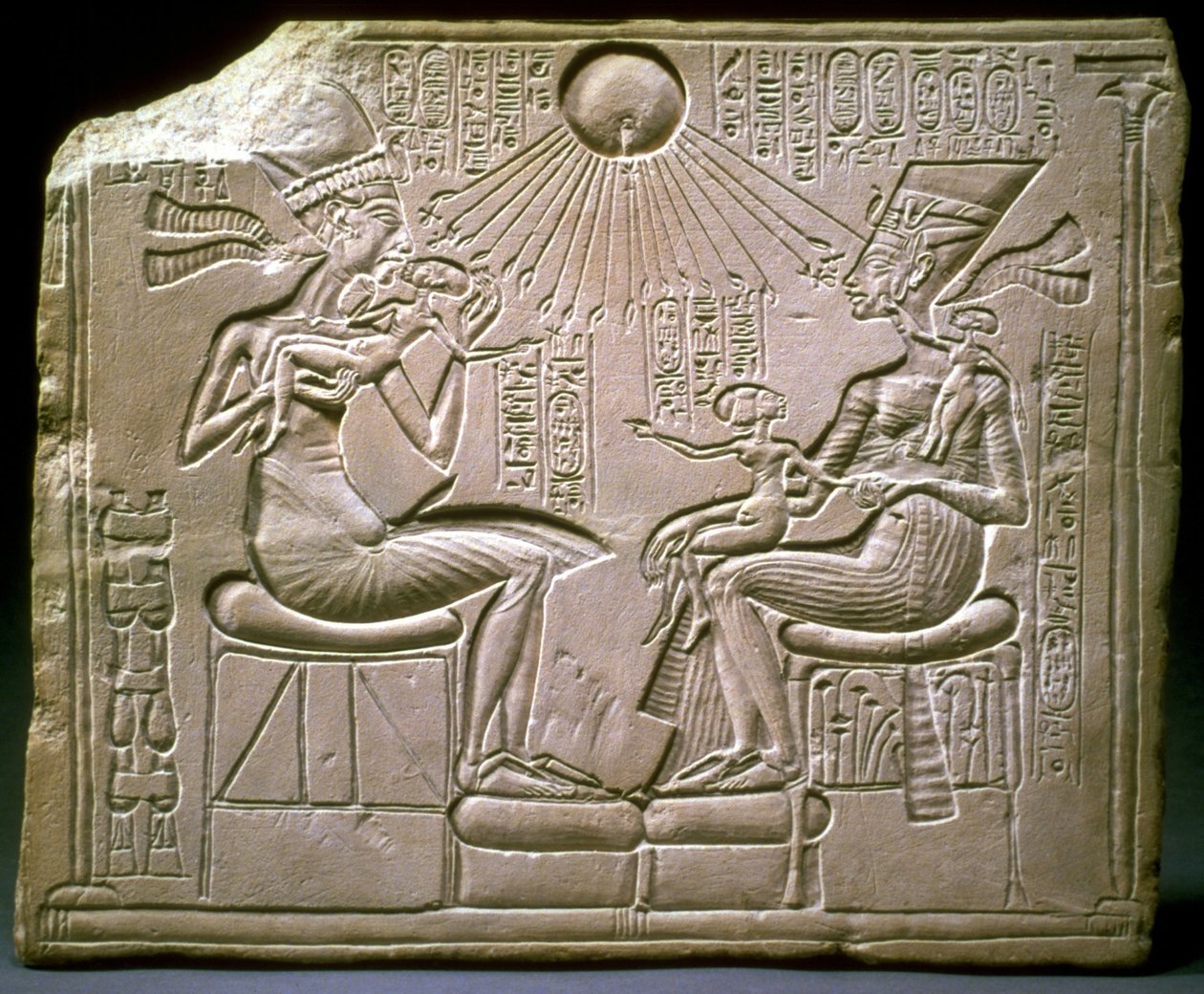
what, style, where now
relief of the royal family akhenaten
shows emotion, rounder figures → amarna period
neues museum
which civilization invented coins as money
lydians
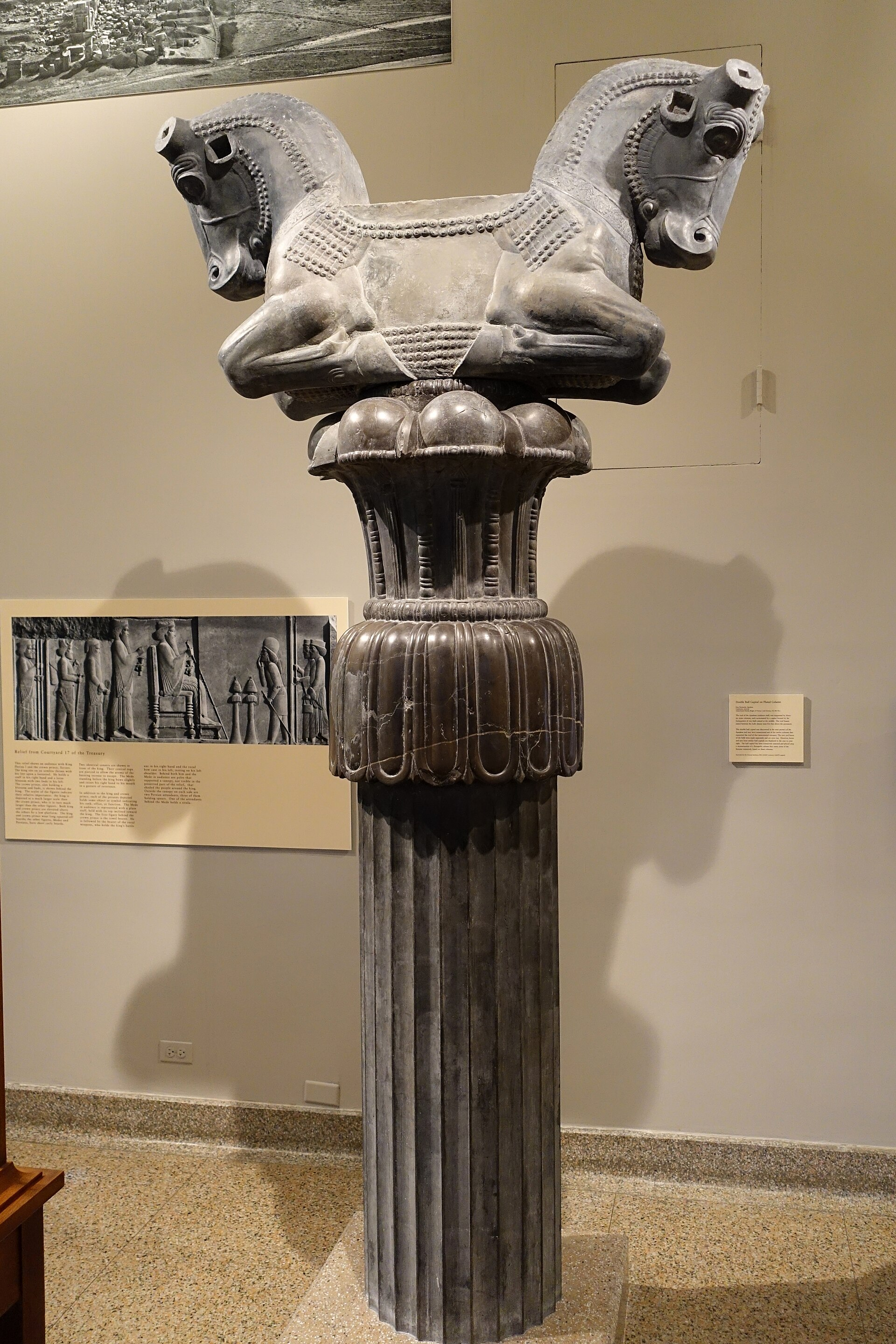
what, which empire
persian column
in the achaemenid empire
first king of the achaemenid empire
cyrus 1
the capital of the achaemenid empire
persopolis
how did the achaemenid empire perish
alexander the great annexed it
etruscan art?
tomb art and frescos
pottery
influenced by greek art

bucchero ware
distinct type of glossy, black or dark gray etruscan pottery
what was the greek arcahic period influenced by
egypt and mesopotamia
greek nude male statue
kouros

clothed female statue
kore
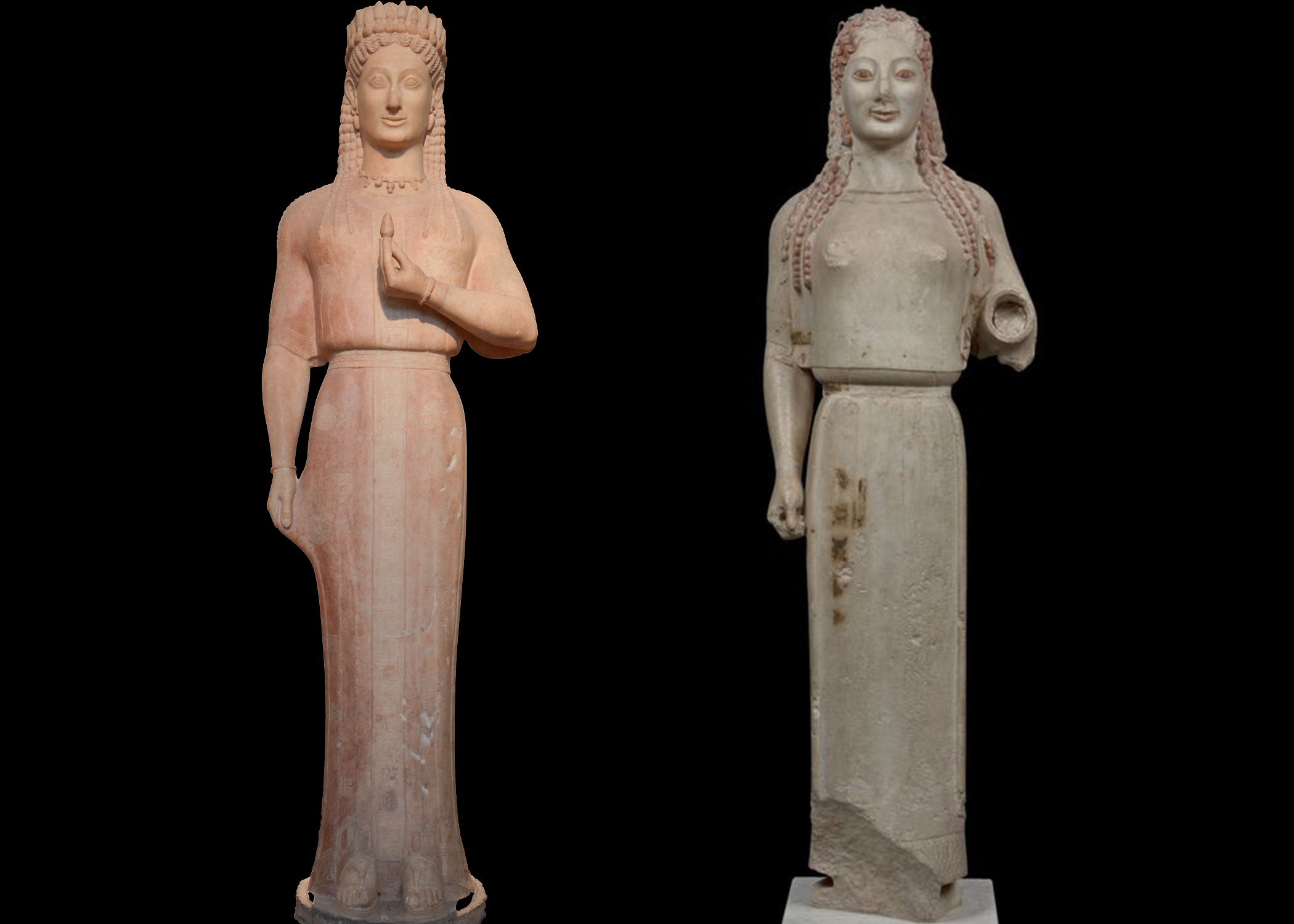

kleobis and biton
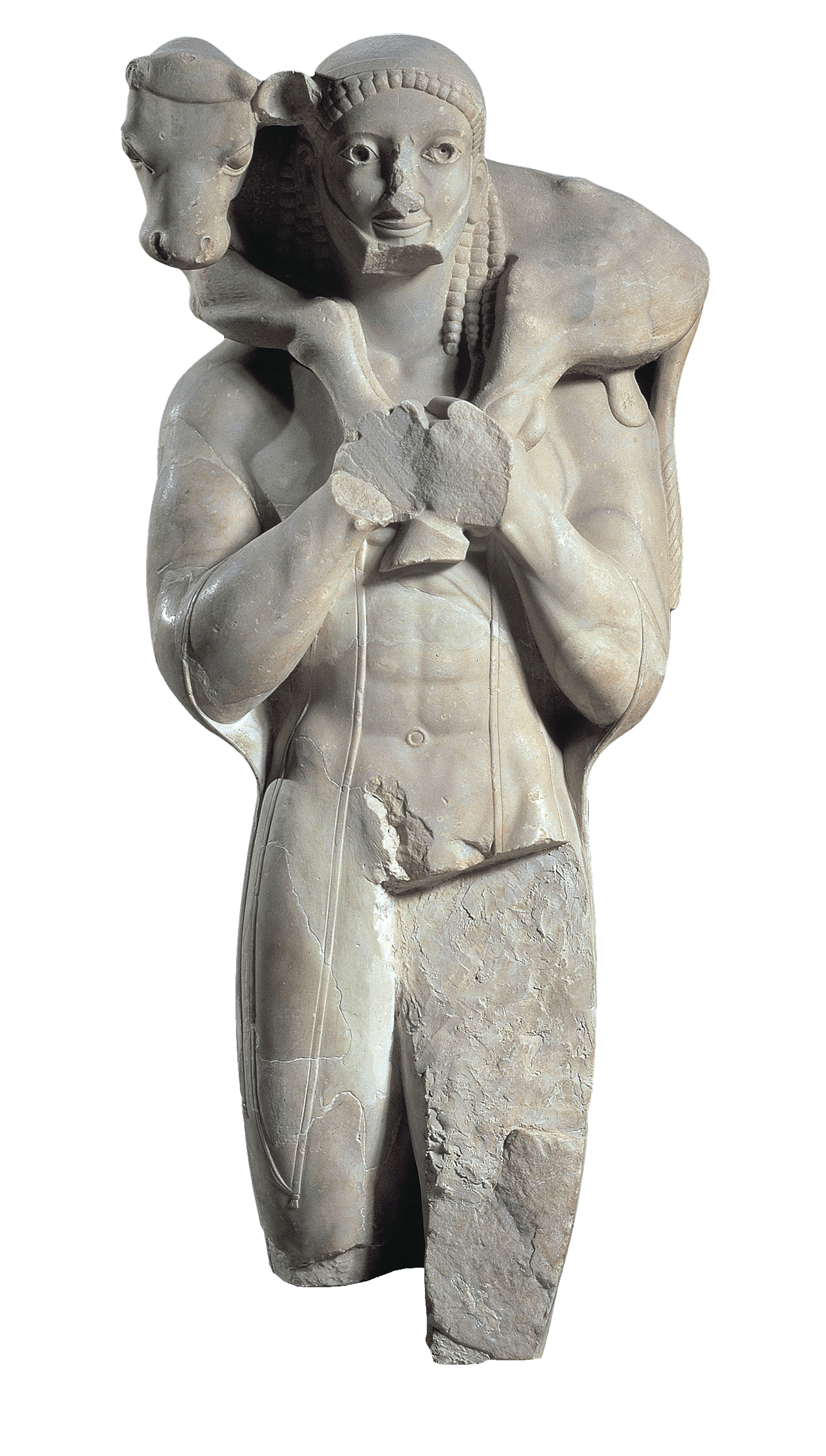
calf bearer
by moschophoros
when did the classical era begin and end
started when the greeks stopped the persian advances into europe
ended with the death of alexander the great
basic characteristics of the art in the greek classical era
ideal figures
copying nature
no emotion
who made “the canon” and what was it
polykleitos, top sculptor of his time
the rules for ideal proportions of the human body
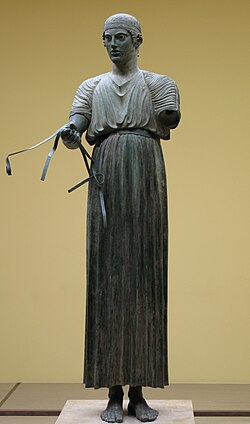
what, style
the charioteer of delphi
classical era

what, by who, style
the spear bearer
by polykleitos
classical
contrapposto // chiasm
a way in which a statue is positioned; x-shape


what, by who
discobolus
by myron

what, by who
apollo belvedere
by leochares
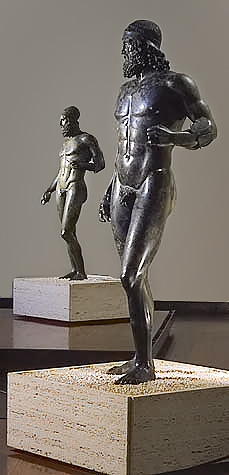
what
riace bronzes
2000 yrs underwater, they were on a sunken ship
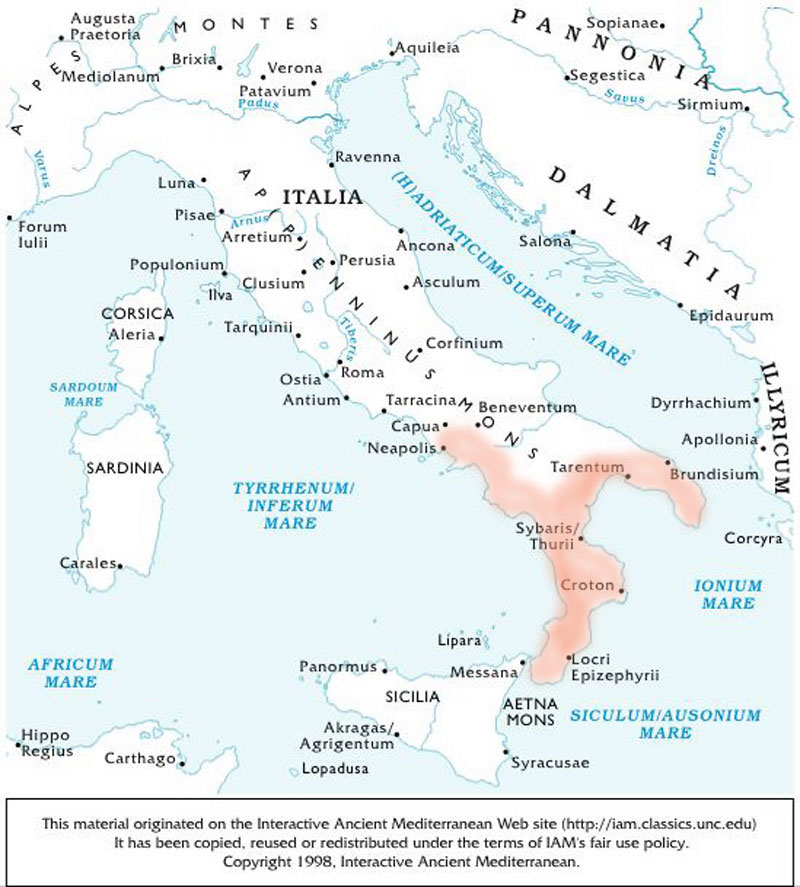
what is magna greacia
greek populated a south part of italy, that’s why there is a lots of greek temples there → valley of the temples
what is the common parallel drawn with renaissane, classical, baroque, helinistic periods in art history
as is classical to helinistic
so is renaissance to baroque
the two great sculptors of the late classical era
lysippos and praxiteles
what other art movement follows suit after late classical
mannerism
what is mannerism
takes natural human proportions and manipulates them slightly to achieve a certain effect

what, stye, by who
madonna with the long neck
perfect example of mannersim
giant baby jesus
super long neck
mary is a triangle
by parmigianino
what’s specific about the sculptures of polykleitos
he made their heads purposefully a little smaller, to make them appear taller
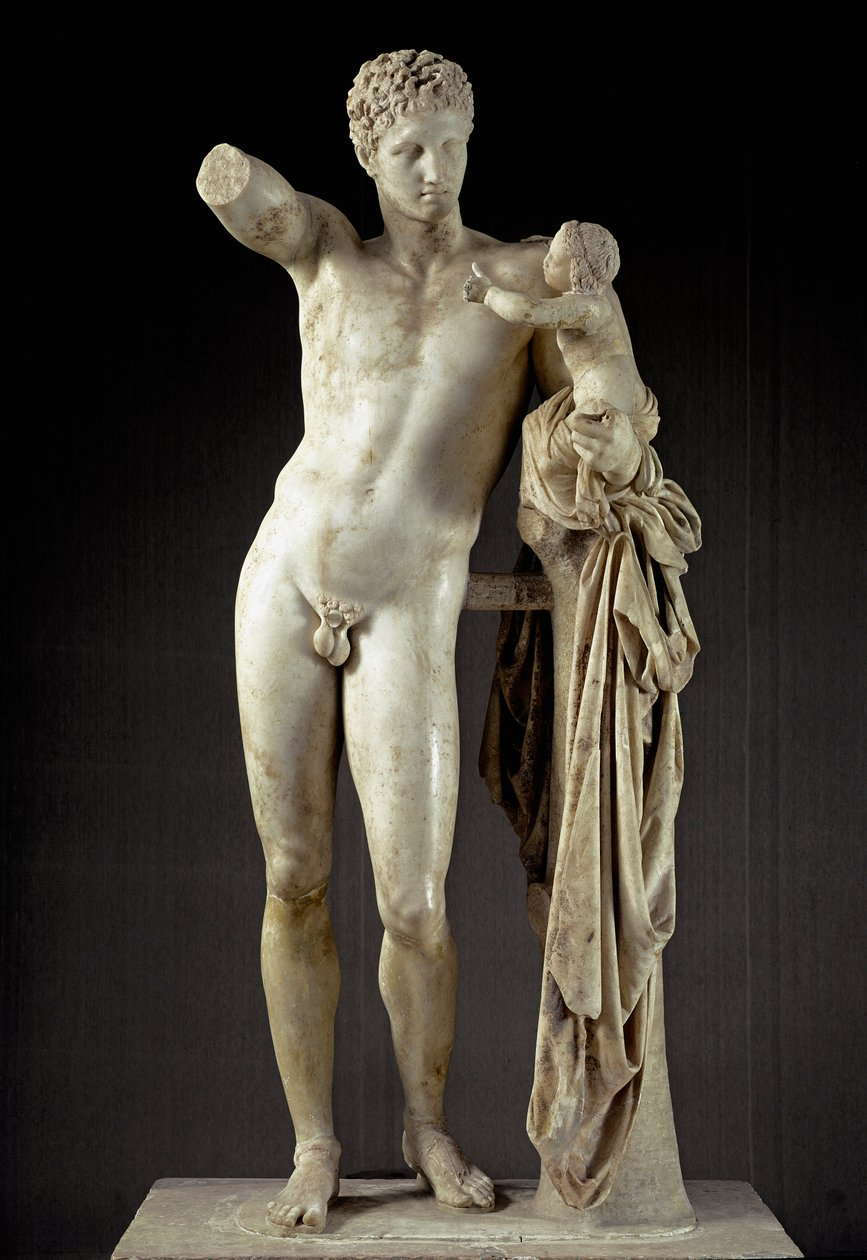
what, by who, style
hermes and the infant dionysus
by praxiteles
late classical
smaller head

what, by who, style
aphrodite of knidos
by praxiteles
late classical

what, by who, style
hermes
by lysippos
late classical
hellenistic era: start and end
started with the death of alexander the great
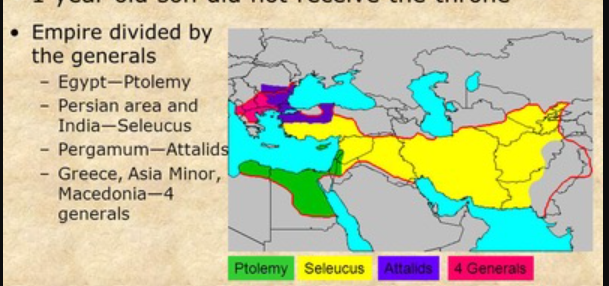
the hellenistic period was in the four kingdoms that alexander the great’s empire was split into
ended with the death of cleopatra
hellenistic era characteristics
emotion, movement
nod to baroque

what, where now, style
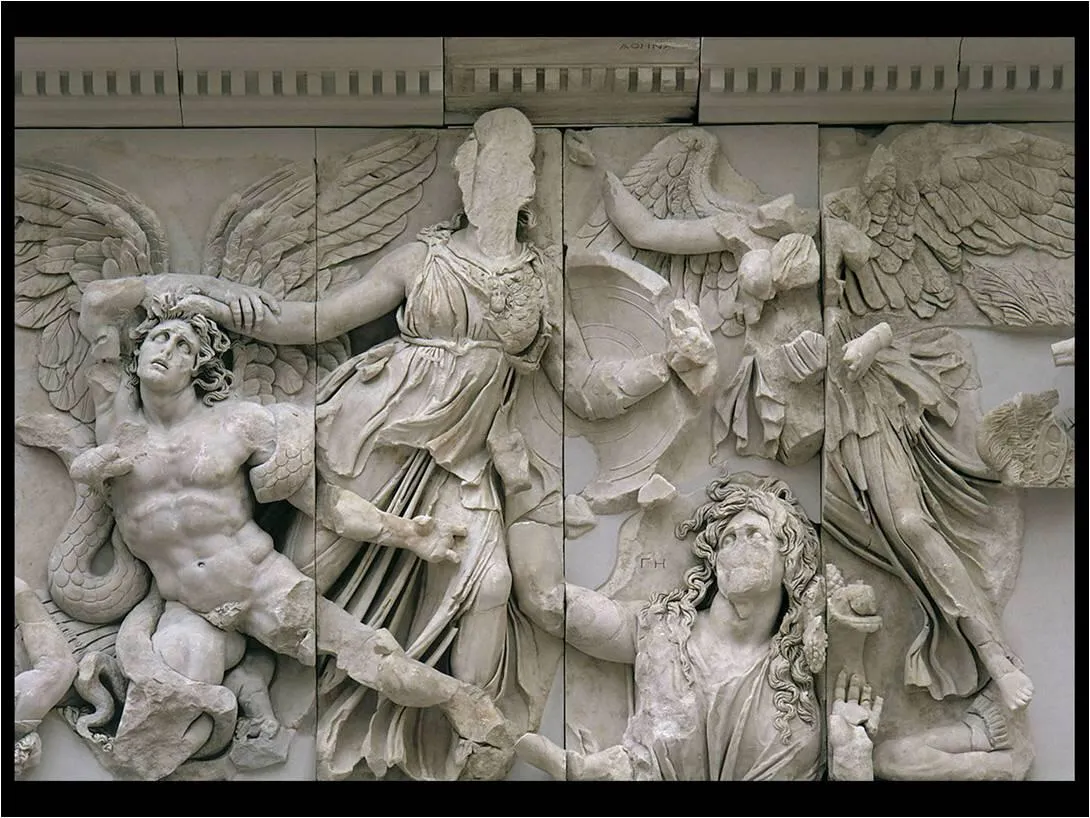
the altar of pergamon
in berlin, has its own museum
the statues on the side are very hellenistic
what, style
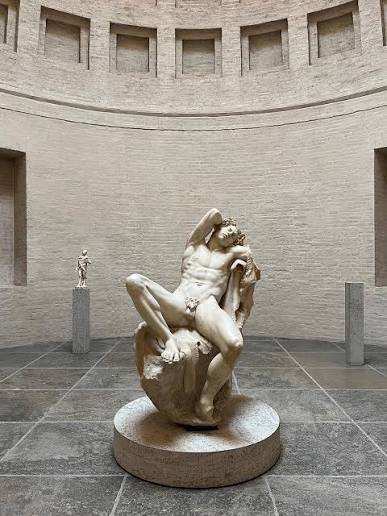
barberini faun // drunk faun
hellenistic
what, style
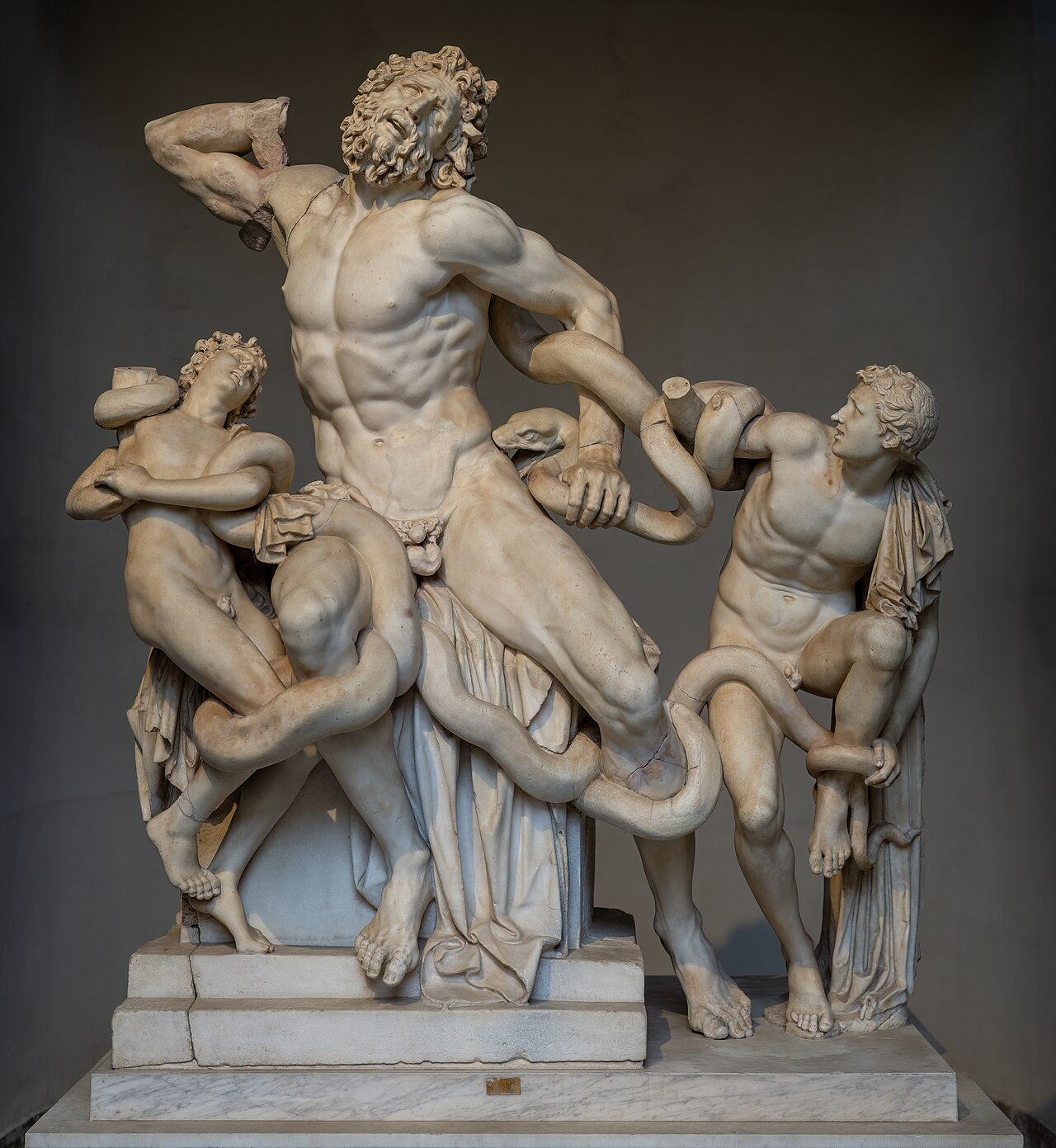
laocoon and his sons
hellenistic
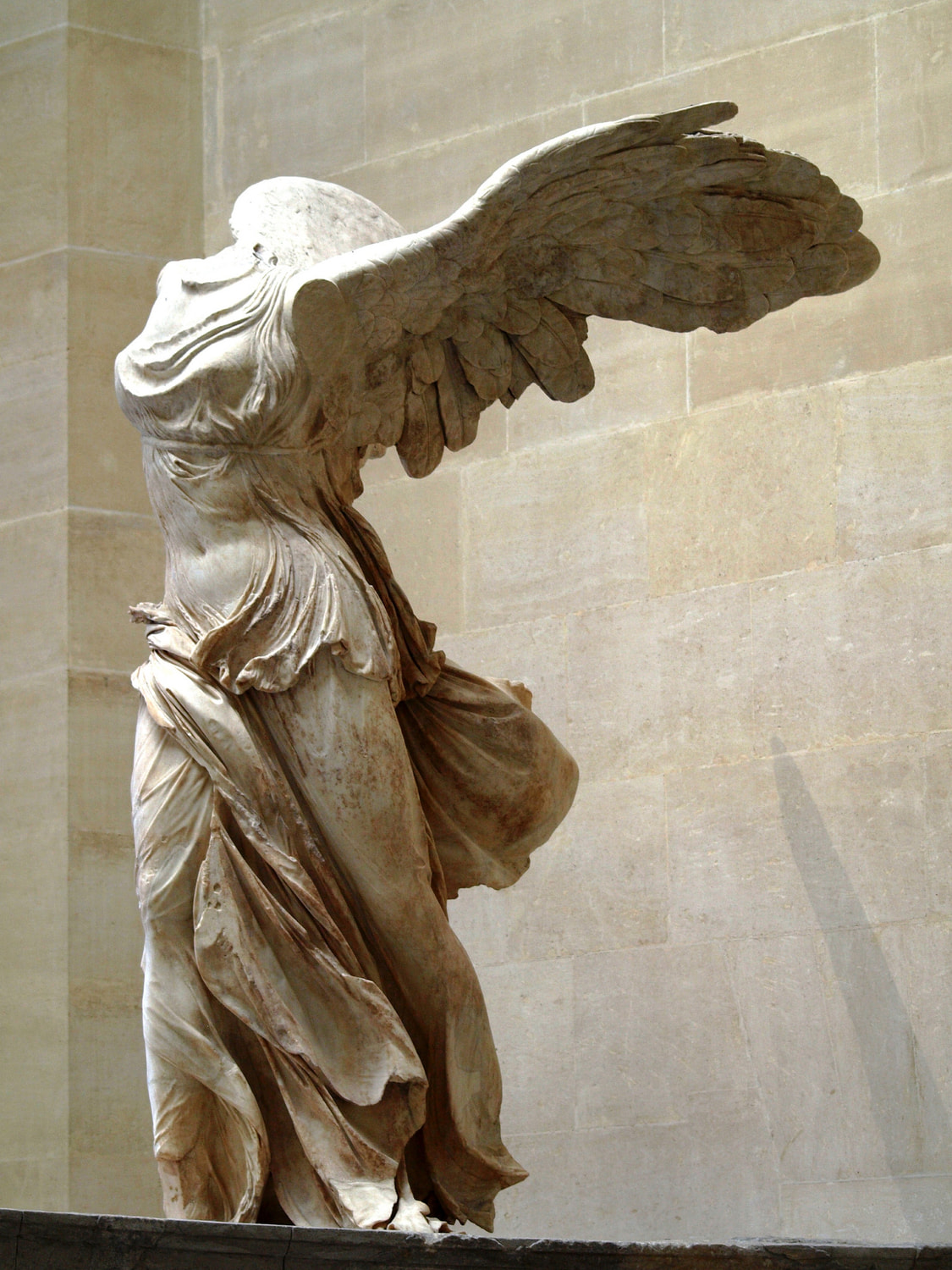
what, style
the winged victory of samothrace // nike
hellenistic
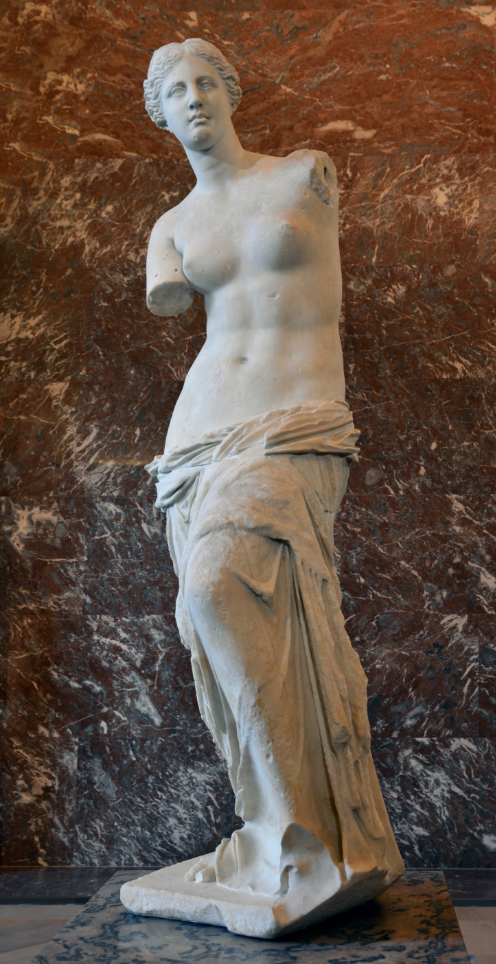
what, style
venus of milo
hellenistic
what kind of influence does alexander the great bring to his giant empire
greek, names multiple cities after himself - most famously alexandria in egypt
alexandria is the most important city in the world until rome

what, what does it show
the alexander mosaic
depicts the battle of issus, where alexander the great annexed persia
kingdoms of the diadochi
the four kingoms that the empire of alexander the great was split into after he died
which was the last hellenistic period that survived
egypt - the ptolemanic kingdom
fell with the death of cleopatra
how does the ptolemanic kingdom die
octavion (the 1st roman emperor) fights mark anthony for control over the roman empire. cleopatra (the last ruler of the ptolemanic kingdom) sides with mark anthony. when octavion (later given the title augustus, but we just call me augustus) wins, he takes over egypt too
what is the one slight change from greek sculpture to roman sculpture
they were pretty much identical, save for the fact that roman sculpture was much more realistic and added these incredibly detailed busts

augustus of primaporta
was found in primaporta, that is where the name comes from
where are the only survived roman paintings found in
pompeii, because they were buried in ash for 2000 years
the only specific about roman paintings is
that it had four periods/styles

funeral portraits // fayum mummy portraits
an art style from roman egypt
1st-2nd century
the egyptians still had the practive to mummify people
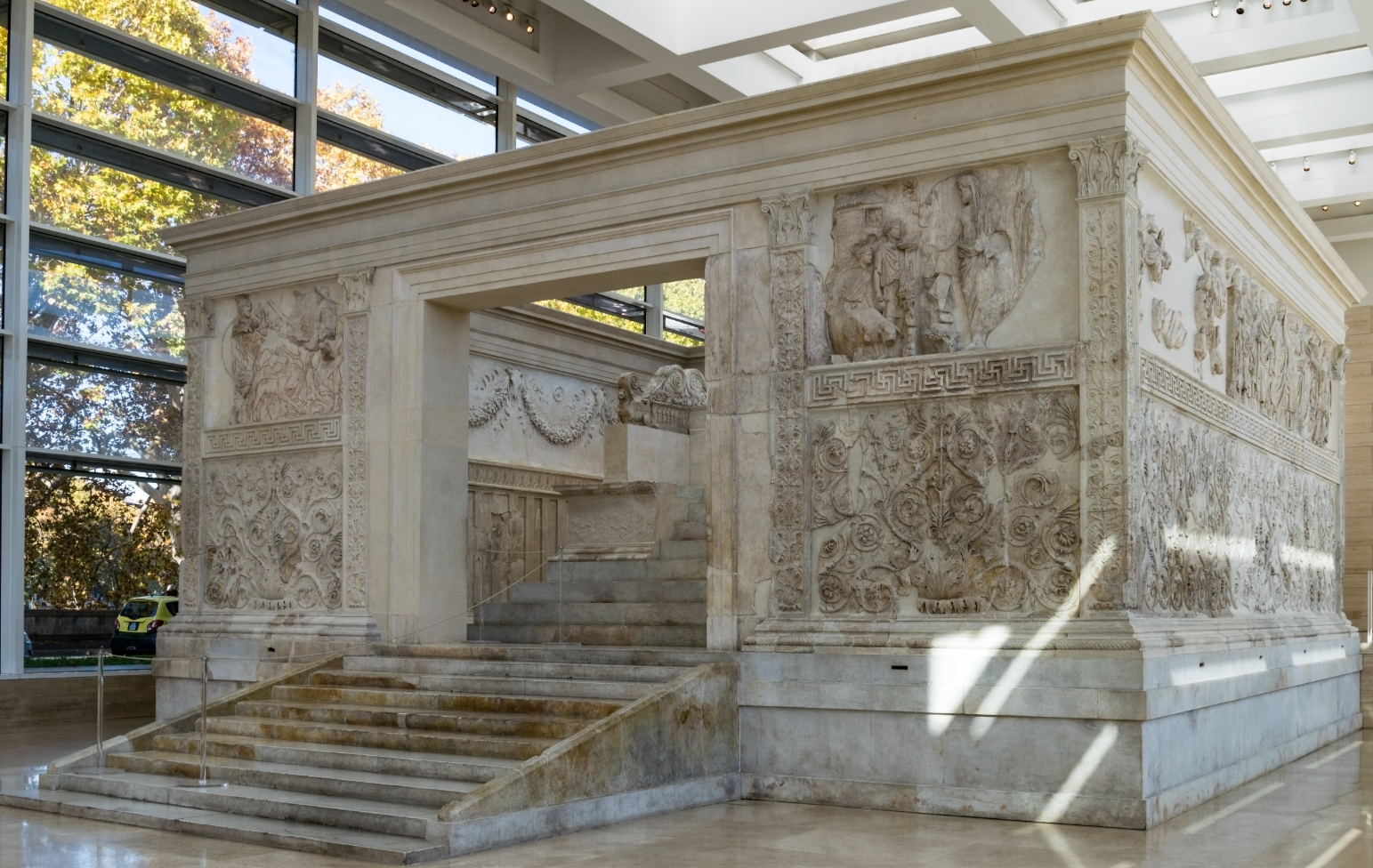
what, when, where is it now
ara pacis
dedicated to roman peace
it is in the museum of the ara pacis
in rome
built by richard meier in 2006
bleak-looking building, nothing special
13 bc

what, where
equestrian statue of marcus aurelius
in the middle of michelangelo’s city square in rome
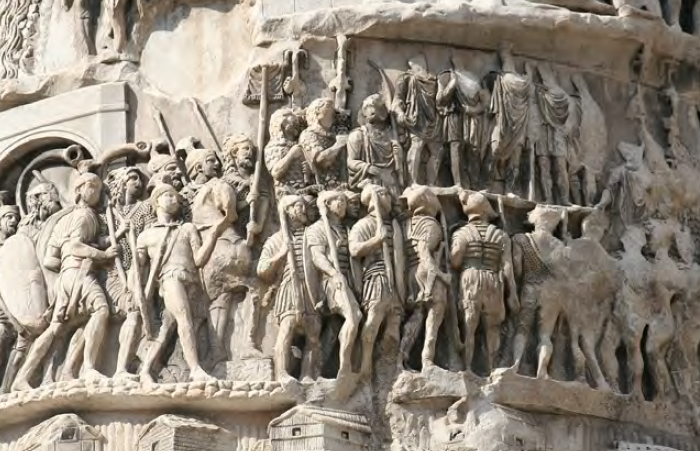
what
the reliefs on the columns of trajan and marcus aurelius
~150 ad

what happened in rome around the 3rd century
crisis, no clear ruler
civil wars, barbarians, etc
how does the crisis of the 3rd century in the roman empire reflect in art
people are being portrayed as piled on top of each other, no use of negative space, the art feels tense

what is this, what historic crisis provoked this style
ludovisi sarcophagus
3rd century
the crisis of the 3rd century in the roman empire
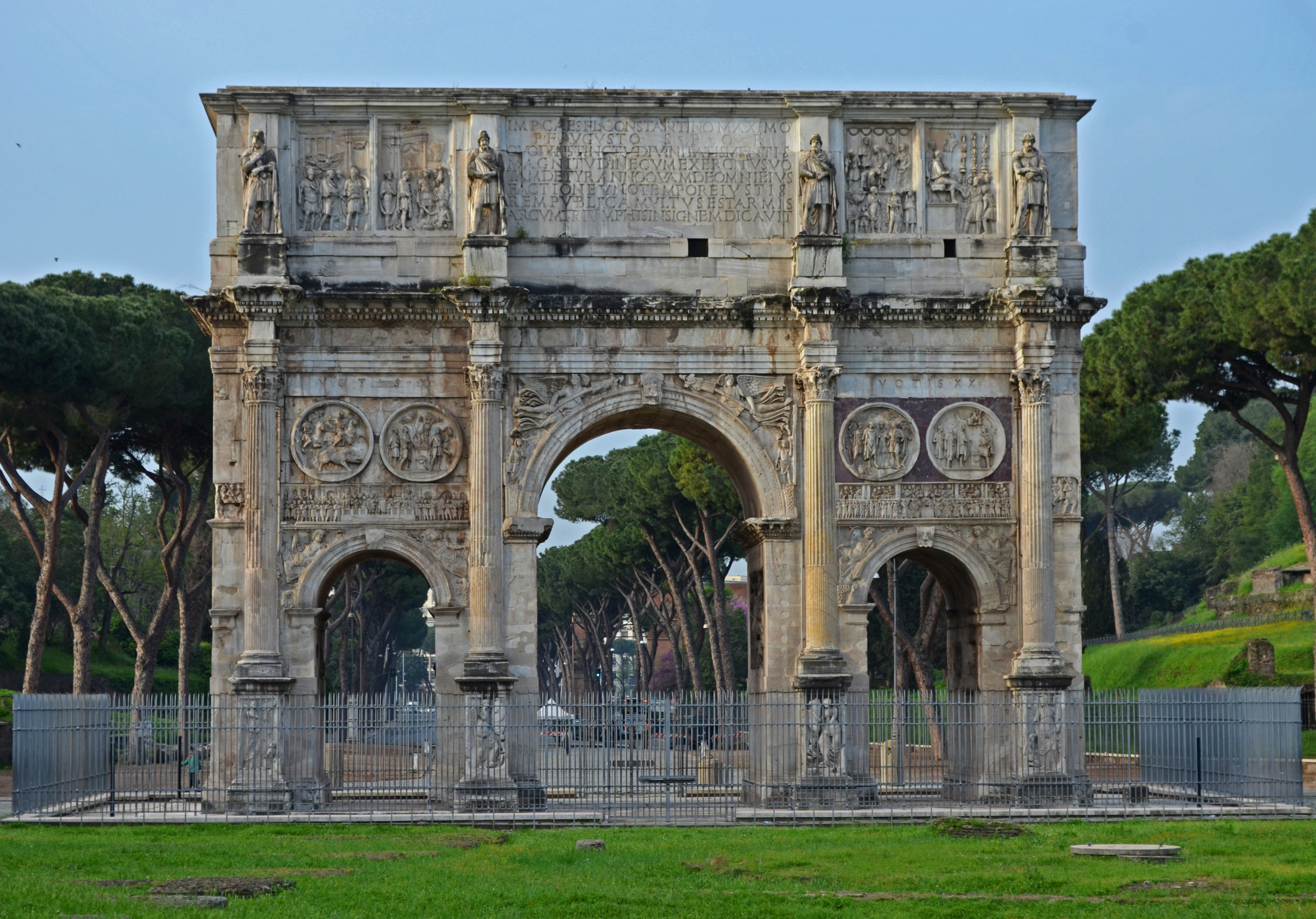
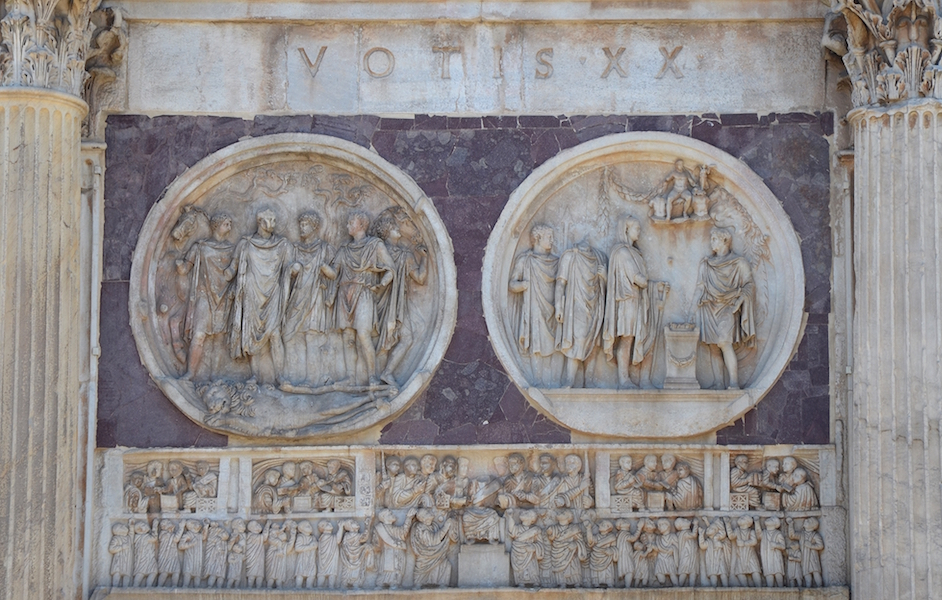
what, what contrast of styles does it show
arch of constantine 315 ad
shows the contrast of styles
the packed line with lots of figures
and the chill roundels with the spacious images after the crisis had passed
late antiquity art
the period from the 3rd to 8th century
from the solving of the crisis of the roman empire to the middle ages

what is this, what does it portray
the four tetrarchs
305 ad
diocletian proposed the tetrarchy in 293 ce, splitting rule of the roman empire between two augusti (senior emperors) and two caesars (junior emperors), with a built-in succession plan where a retiring augustus would be replaced by his caesar, who'd then appoint a new caesar, a system meant to end the chaotic power struggles of the crisis of the third century
style of the four tetrarchs
around the fourth century, art became less about realistic portrayals and more about sending a message; thats why the four tetrarchs are exactly the same in height and dress

sarcophagus of helena
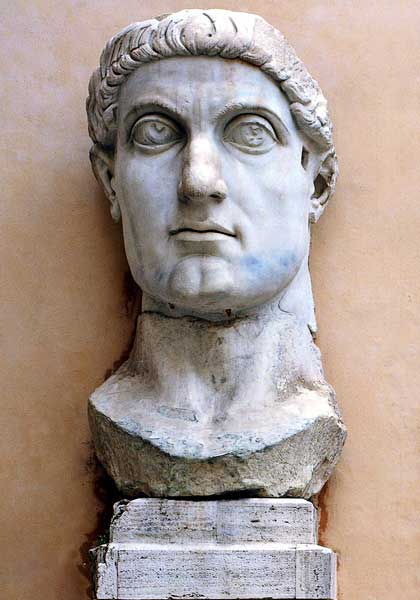
what, style
colossus of constantine
typical, abstract constantinian style (hieratic emperor style)
important achievements of constantine
312 - battle of the milvian bridge
313 - edict of milan - legalized christianity
324 - established constantinople
325 - council of nicea
when are the high middle ages
11 - 15 century
the end of the middle ages, after the 1000s
when did romanesque art show up
high middle ages
what is feudalism and why did it emerge
feudalism was a medieval system where lords gave land to nobles in exchange for loyalty and military service
when the western roman empire collapsed in the 5th century, the big cities became unsafe, becase barbarians would loot them for the money. the rich guys moved out in villa plantations and the lord that had lots of land, exchanged safe harbour and protection for service
carolingian empire
the short-lived empire of the franks. even had a brief renaissance-like movement
in the 9th century

specifics of the art from 476 - 1000 ad
very little art due to population decline, counterurbanisation, the collapse of central authority yada yada → dark middle ages
how did art progress once the western roman empire died (the middle ages)
art was stripped of individuality as much as possible. it was more the apprentice copying his master - unchanging
the same way egyptian art didn’t change
what does the word romanesque mean and how is it connected to the romanesque style
romanesque → roman-like
very similar to roman
where does the main facade of a cathedral always face
west
the two main artists of the romanesque period; where did they work; around when did they work
wiligelmo and antelami;
in northern italy - modena and parma respecfully;
around the 1000s

who did the two panel reliefs in the sides of modena cathedral
wiligelmo
modena cathedral is romanesque, except the rose window in the middle

what does it mean when a painting is called deposition
jesus’ body is taken down from the cross after his crucifixion
what does it mean when a painting is called maesta
depicts mary seated on a throne with infant jesus, surrounded by a heavenly court of angels and saints
maesta, as in majesty
what does it mean when a painting is called annunciation
the biblical moment when the archangel gabriel tells the virgin mary she will bear the son of god

what, by who, where
deposition
by atelami
in the duomo of parma
1178
nicola and giovanni pisano: their relationship and style
father and son, firmly in gothic
what’s a pulpit
structure on which the priest climbs onto to give speaches or surmons

why are the pisanos important
they show the shift between gothic and classical; they work in the porto-renaissance period

what, by who, style, when
the pulpit of the pisa baptistery
one of the two nicola pisano pulpits
still more gothic, because of the trifora openings and the gothic-like columns at the top, but is clearly showing signs of classicing
1260

what, where, when, by who
sienna cathedral pulpit
one of the two nicola pisano pulpits
1268
much more classical now

what, by who, where
fontana maggiore
by nicola and giovanni pisano
in perugia
how was art like in the 1300s and how did it start changing
it used to be strictly cannonical italo-byzantine and byzantine with the gold-leaf background and the no real sense of context for the figures yada yada, basically religious icons
then comes porto renaissance and the shift towards nature and realism like the ancient greeks and romans → with artists like cimabue, giotto etc
years of the proto renaissance
1200 - 1400
which are the two schools of the porto-renaissance, why them, and specifics about them
florence - more towards nature, more renaissance-y
sienna - more towards the byzantine styles
those were the richest cities at the time, that’s why they could afford to think about art
which period were crucifixes popular in
if u see a crucific whose is it most likely to be
porto-renaissance
giotto
the first great name to break from the italo-byzantine style, when
cimabue
in the 1280s
characteristics of the porto-renaissance
still have the golden-leaf backgrounds of the byzantine styles
flat people, only 2d
mary looks sad
fat pencil shaped paintings

what, by who, style
santa trinita maesta
by cimabue
porto-renaissance (mary looks sad, fat pencil shape)

what, by who, style
maesta
by duccio
porto renaissance

rucellai madonna
duccio
porto-renaissance
who introduced accurate naturalistic drawing
giotto