BPSC Lab 4
 Call Kai
 Learn
 Practice Test
 Spaced Repetition
 Match
 Flashcards
 Knowt Play
1/46

There's no tags or description
Looks like no tags are added yet.
47 Terms

Monocot leaf


Eudicot leaf


Labeled leaf diagram
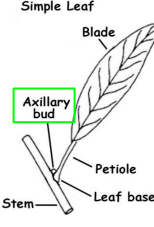
Simple leaf
consists of a petiole + an undivided blade
Compound leaf
consists of a petiole + a blade that is divided to the midvein into two or more leaflets

Pinnately simple leaves

Pinnately compound leaves

Bipinnate leaf

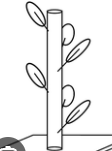
Alternate leaves

Opposite leaves

Whorled leaves
three or more leaves emerge from the exact same node

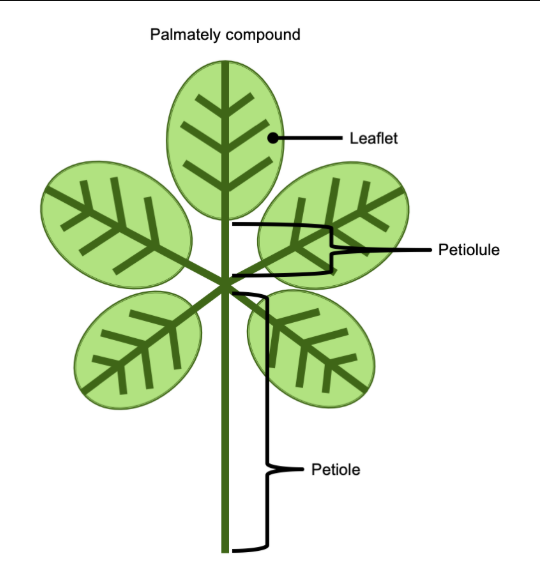
Palmately compound leaves
Palmately simple leaves

Spiral leaves
Function of stem
support and conduction of water, nutrients, and carbohydrates via the vascular tissue
Modifications of leaves
Spines: Defense against herbivory (sharp serrations)
Carnivorous: Nutrient capture (venus, sundew)
White Spines: Reflect intense solar radiation?
Tendrils: Support/anchoring
Succulence: Water storage (e.x. stone plants, window plants)
Bulb: Food storage for onions/garlics
Plantlets: Vegetative reproduction (Kalanchoe)
Modification of stems/branches
Thorns: Protection (Rose)
Tendrils: Anchoring (e.x. grape)
Stolon: Vegetative reproduction (e.x. Kalanchoe)
Rhizomes: Food storage, Vegetative propagation (Iris plant)
Buds: Sprout into rhizomes/tubers (potato eyes)
Succulents: Water storage (cacti)
Spines can be both?
Potato is a modified stem
Modification of roots
Adventitious roots: Support (e.x. Ivy)
Tap root: Storage, Anchorage, Absorption
Tuber: Storage (e.x. sweet potato)
Lateral roots
Tendril: Support/Climbing (e.x. vanilla)
Modification of leaf blade
Pitcher (Pitcher plant): Nutrient capture
Modification of leaflet
Tendrils: Support/Climbing (Pea)
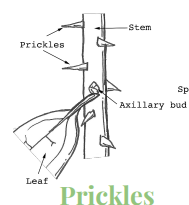
Prickles
Outgrowths of the epidermis or cortex
Spines
Modified leaves that arise from areoles or leaf axils
Can also be modified stipules or pedicels
Stolon
stem modified for vegetative reproduction

Leaflet
leaves are subdivided into these

Root function
Function of a root: anchors plant and absorbs and conducts water and minerals
Petiole
stalk-like structure that attaches the leaf to the stem


Monocot Stele vs Eudicot Stele
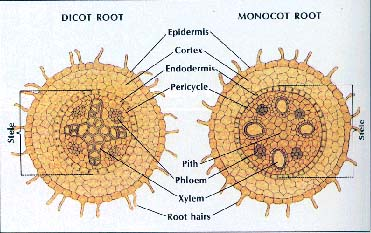
Pith
Eudicot (Monocot no pith)
Stem
Petiolue
stalk under a leaflet

Stipules
flaps of tissue at the base of the petiole of some leaves

Tendrils
modified leaves used to attach, climb, support
Axil
angle between the stem and the petiole

Axillary buds

Axillary meristem
usually remain dormant until the shoot apical meristem is damaged or removed
Rhizomes
underground horizontal stems
Function: Water and food storage


Label


Label


What leaf arrangement is this
Alternate

What leaf arrangement is this
Opposite

What leaf arrangement is this
Spiral
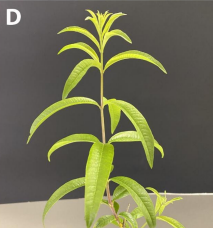
What leaf arrangement is this
Whorled

What leaf arrangement is this
Simple, unlobed

What leaf arrangement is this
Simple palmately lobed

What leaf arrangement is this
Pinnately compound

What leaf arrangement is this
Odd pinnately compound
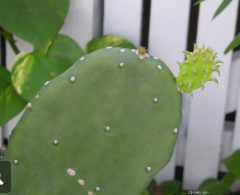
Cacti cladode is a modified…
Stem
Benefit of using the compound microscope
Allows you to look through the specimen