The Cell (Honors BIO)
 Call Kai
 Learn
Learn Practice Test
 Spaced Repetition
 Match
Match Flashcards
 Knowt Play
1/49

There's no tags or description
Looks like no tags are added yet.
Name | Mastery | Learn | Test | Matching | Spaced | Call with Kai | Chat |
|---|
No analytics yet
Send a link to your students to track their progress
50 Terms
Light microscopes (Definition and what image does it produce)
An instrument that uses visible light and glass lenses to magnify small objects. It produces a larger, inverted image of the specimen.
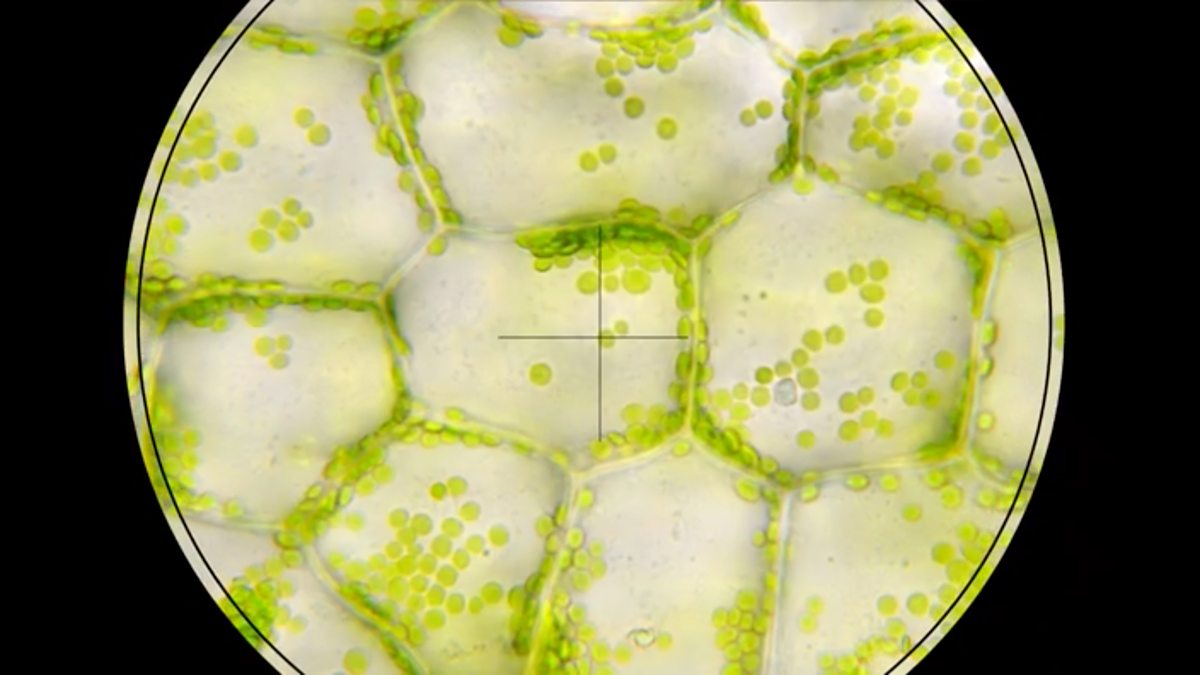
Transmission electron microscopes
Instrument that uses a beam of electrons that passes through a very thin specimen to create a highly magnified image. It produces a detailed, 2D image of the specimens internal structures.

Scanning electron microscope
An instrument that uses a beam of electron stop scan the surface of a specimen. It produces a highly magnified, detailed, 3D looking image of the specimens surface.

The three parts of the cell theory
All living things are made of one or more cells
The Cell is the basic unit of structure and function in living things
All cells come from pre-existing cells
Who discovered cells and how?
Robert hooke discovered cells in 1665 by using a microscope to look at thin slice of cork. He saw tiny box like structures and called them cells because they reminded him of small rooms.
Prokaryotic cells
Smaller and simpler; do not have nucleus or membrane bound organelles. Example Bacteria.
Eukaryotic cells
Larger and more complex; have nucleus and membrane-bound organelles. Example: plant, animal and human cells.
What do pro and eukaryotic cells have in common?
They both have DNA, ribosomes, cytoplasm, and a cell membrane
Plant cells
Have a cell wall, chloroplasts, and a large central vacuole. They are usually more rigid and rectangular in shape.
Animal cells
They don’t have cell walls or chloroplasts an dually have smaller vacuoles. They are more flexible in shape.
What do animal and plant cells have in common?
The both have a nucleus, cell membrane, cytoplasm, mitochondria, ribosomes, and other organelles
Nucleus
The control center of the cell. It contains the cells DNA and directs the cells activities, such as growth, reproduction, and making proteins

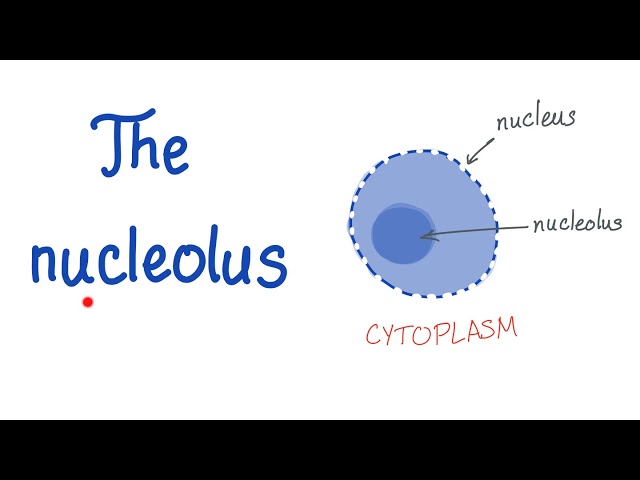
Nucleolus
Small structure inside the nucleolus. Its main job is to make ribosomes, which help the cell produce proteins.
Vacuole
Organelle that stores water, nutrients, and waste. In plant cells, the large vacuole also helps maintain pressure and support the cells shape.

Mitochondria
An organelle that produces energy for the cell. They break down nutrients to make ATP, the main form of usable energy cells need carry out their functions

Chloroplast
An organelle is found in plant cells that uses sunlight to make food through photosynthesis. It contains a green pigment called chlorophyll, which absorbs light energy.

Lysosome
an organelle that contains enzymes that break down waste, old cell parts, and harmful materials. It helps keep the cell clean and recycle useful materials.

Golgi apparatus
It modifies, sports, and packages protein and other materials so they can be transported to different parts of the cell or released outside the cells.

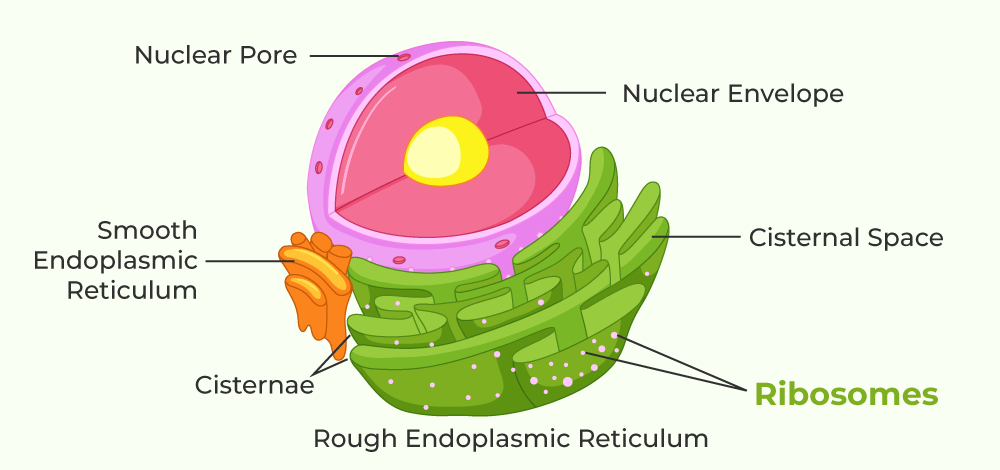
Endoplasmic Reticulum (smooth ER)
Creates lipids, helps detoxify harmful substances, and stores calcium. It does not have ribosomes attached to its surface.
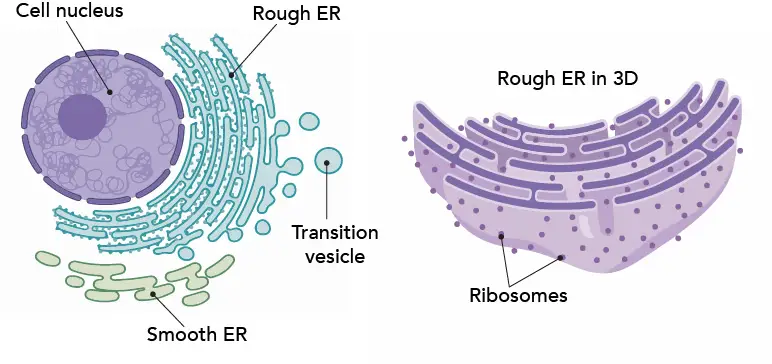
Endoplasmic reticulum (rough ER)
Helps make and transport proteins. IT has ribosomes attached it its surface, which give it its rough appearance.
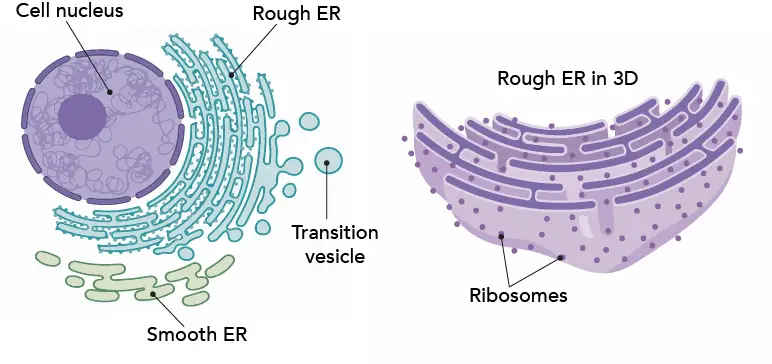
Ribosomes
Small structures that make proteins for the cell. They can be found floating in thee cytoplasm or attached to the rough ER
Cell wall
Rigid layer outside the cell membrane that supports an protects the cell. It also helps the cell keep its cheaper and is found in plant cells.

Cell membrane
A thin, flexible layer that surrounds the cell. It controls what enters and leaves the cell, helping maintain a stable environment inside.

Cytoplasm
jelly-like substance inside the cell that surrounds the organelles. It helps support the organelles and is where many of the cells chemical reactions take place.

Cytoskeleton
A network of protein fibers that supports the cell, maintains its shape, and helps move organelles and other materials within the cell.
Microtubules
Hollow protein fibers that are apart of the cytoskeleton. They help maintain the cells shape, move materials inside the cell, and help separate chromosomes during cell division.
Microfilaments
Thin protein` fibers that are part of the exoskeleton. They help support the cell, maintain its shape and allow the cell to move.
Structure and function of the plasma membrane
A thin flexible layer around the cell. It is made of two layers of fat molecules and proteins. It protects the cell and controls what enters and leaves the cell.
Permeable
A material allows a substance to pass through it. It lets things move in and out of the cell
Selectively permeable
The cell membrane allows SOME substances to pass through it but blocks the others. This helps the cell control what enters and leaves.
Impermeable
Nothing can pass through the material. An impermeable membrane blocks substances from entering or leaving the cell.
Concentration
The amount of a substance in a certain space. A high concentration means there is a lot of the substance, while a low concentration means there is less. Low = less sugar in water; high = more sugar in water
Concentration gradient
The difference in the amount of a substance between two areas. Substances tend to move from an area of high concentration to a low concentration.
What happens to concentrations after molecules move down a concentration gradient?
The high concentration decreases and thee low concentration increases. The difference gets smaller until they reach equilibrium
High gets lower - low gets higher - equilibrium
Passive transport
Moves molecules down a concentration gradient from high to low concentration without using energy. Types include diffusion, osmosis, and facilitated diffusion.
Active transport
Moves molecules up against the concentration gradient, from low to high concentration, and requires energy (ATP). Types include protein pumps, endocytosis, and exocytosis.
Is there a net total change in concentration?
No there is no net change in concentration because molecules move equally in both directions.
Do molecules continue to move across the membrane. What directions?
At dynamic equilibrium, molecules continue to move in both directions across the membrane.
Homeostasis
The process of maintaining a stable internal environment in a cell or organism, even when conditions change.
Cell
Basic unit of life . All living things are made up up one or more cells
Tissue
A group of similar cells that work together to perform a specific function
Organ
a group of different tissues that work together to perform a specific function
Organ system
A group of organs that work together to perform a specific function.
Organism
An individual living thing made up of one or more cells
Diffusion
The natural spreading out of particles from an area of high concentration to an area of lower concentration.
Osmosis
the movement of water molecules through a special barrier into an area with more dissolved particles to balance the concentrations on both sides
Facilitated diffusion
the passive movement of molecules or ions across a cell membrane with the help of specific transport proteins
Pumps
use cellular energy (like ATP) to move ions actively against their gradient
Endocytosis
The process of taking materials into the cell
Exosytosis
The release of large amounts of material from a cell.