BIO 100 Lecture Exam 1 Review
 Call Kai
 Learn
Learn Practice Test
 Spaced Repetition
 Match
Match Flashcards
 Knowt Play
1/94

Earn XP
Description and Tags
Vocabulary flashcards covering key concepts from BIO 100 Lecture Exam 1, including organelle functions, transport mechanisms, directional anatomical terms, body cavities, and organ systems.
Name | Mastery | Learn | Test | Matching | Spaced | Call with Kai | Chat |
|---|
No analytics yet
Send a link to your students to track their progress
95 Terms
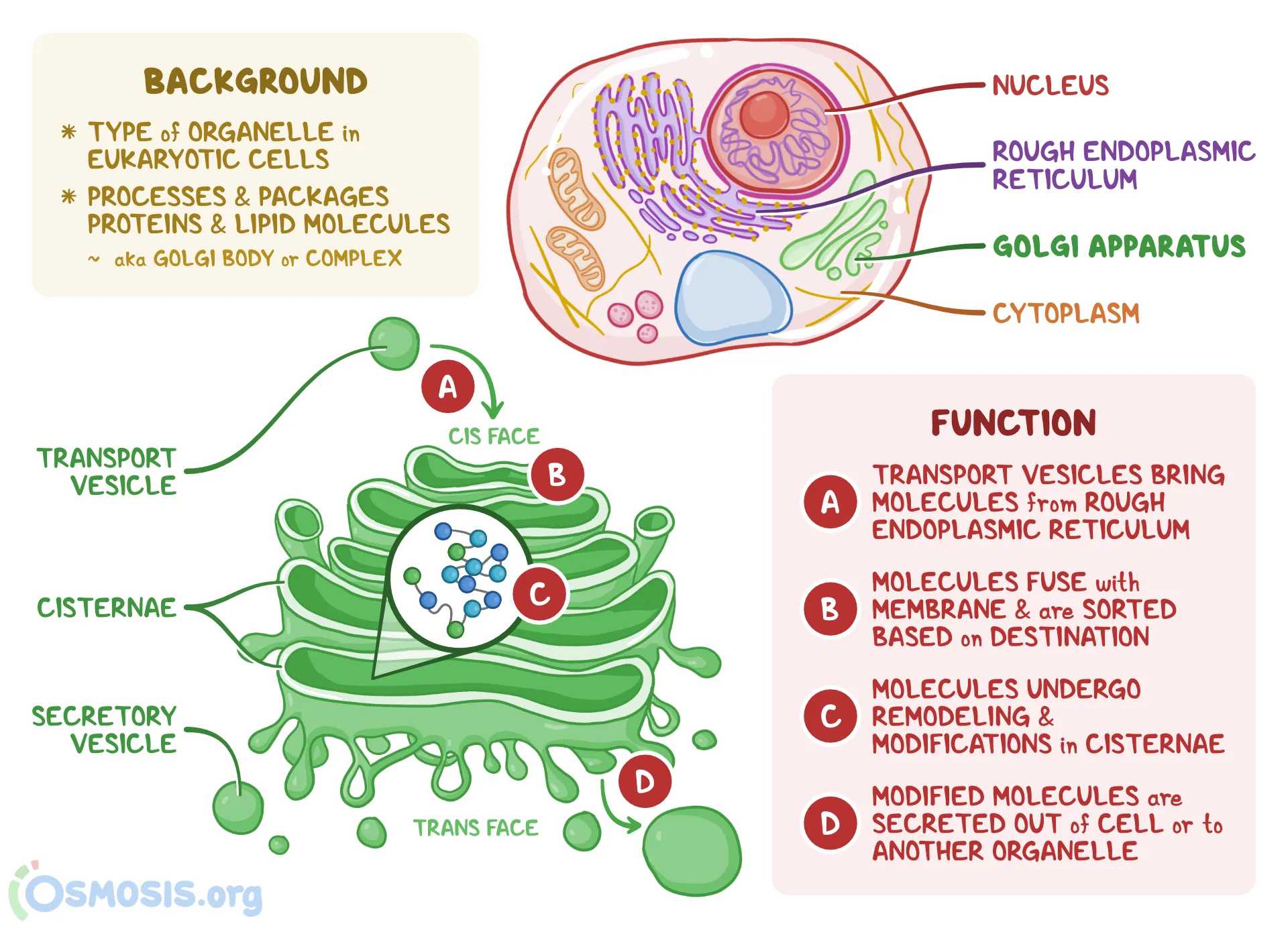
Golgi apparatus
A cellular organelle whose primary function is to form secretory vesicles (package & shipping).

Simple diffusion
The movement of molecules (such as oxygen) from a region of higher concentration to a region of lower concentration without the expenditure of energy.

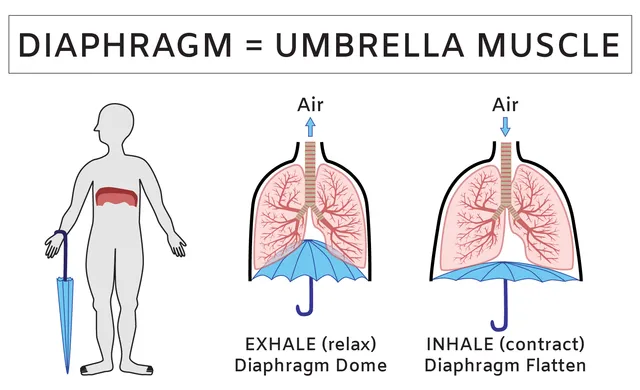
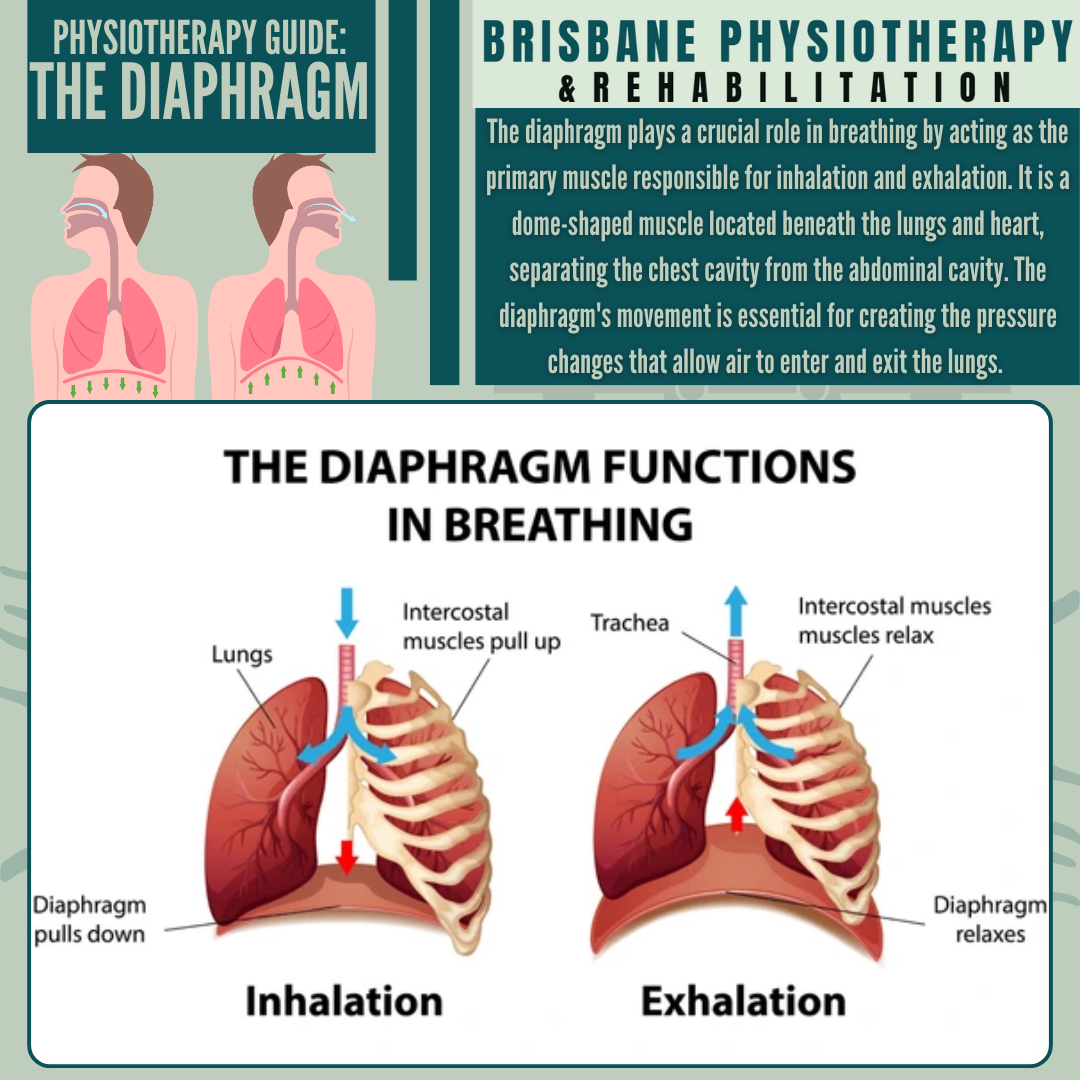
Diaphragm
A muscular structure positioned inferiorly relative to the thoracic cavity.

Lateral
An anatomical directional term describing a position farther from the midline of the body, such as the eyes relative to the nose.


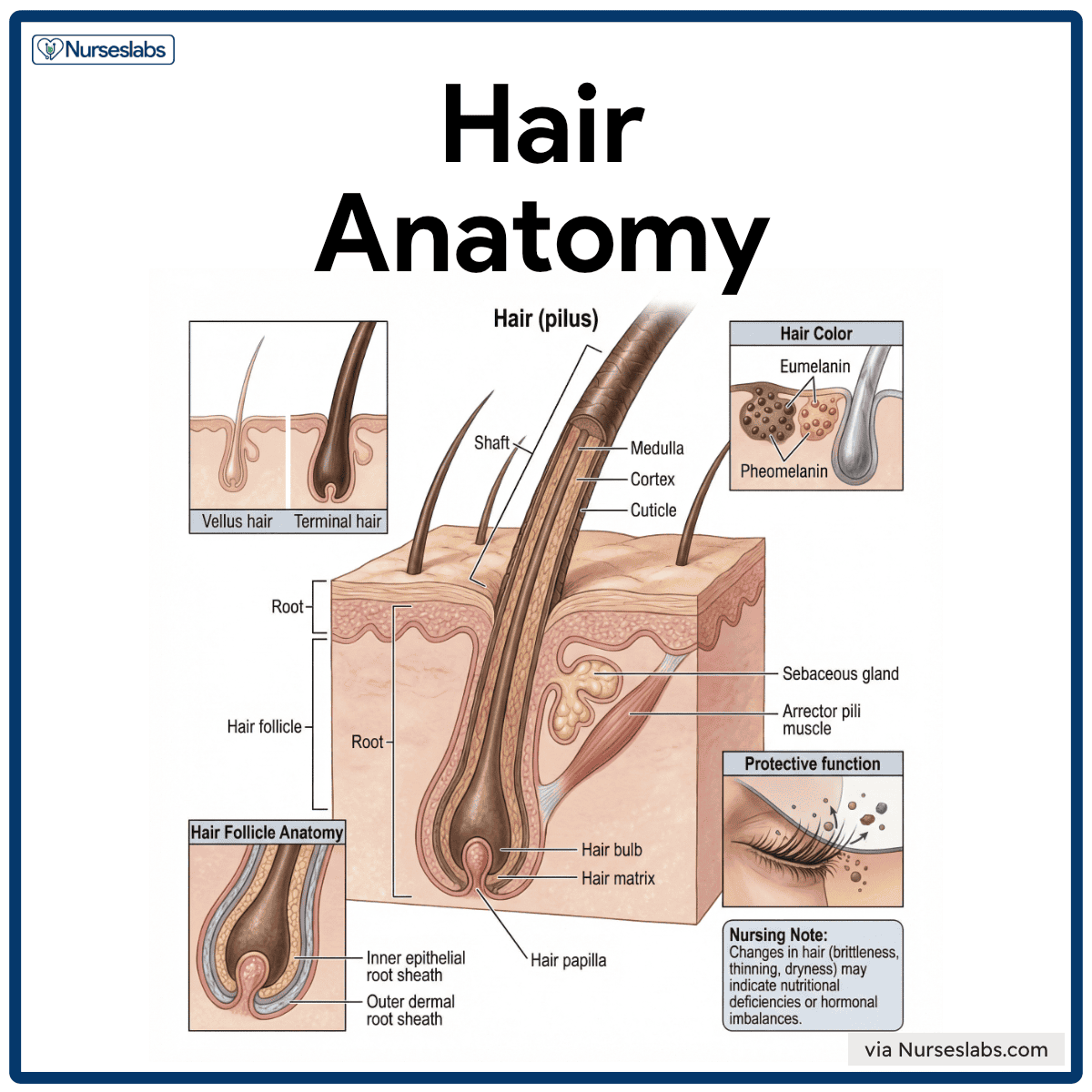
Integumentary system
An organ system involved in the initial synthesis and activation process of vitamin D.

The directional term that is opposite of superior is:
Inferior


The arms and legs are part of the:
Appendicular portion of the body


The abdominal region that is superior to the left inguinal region is the :
Left lumbar

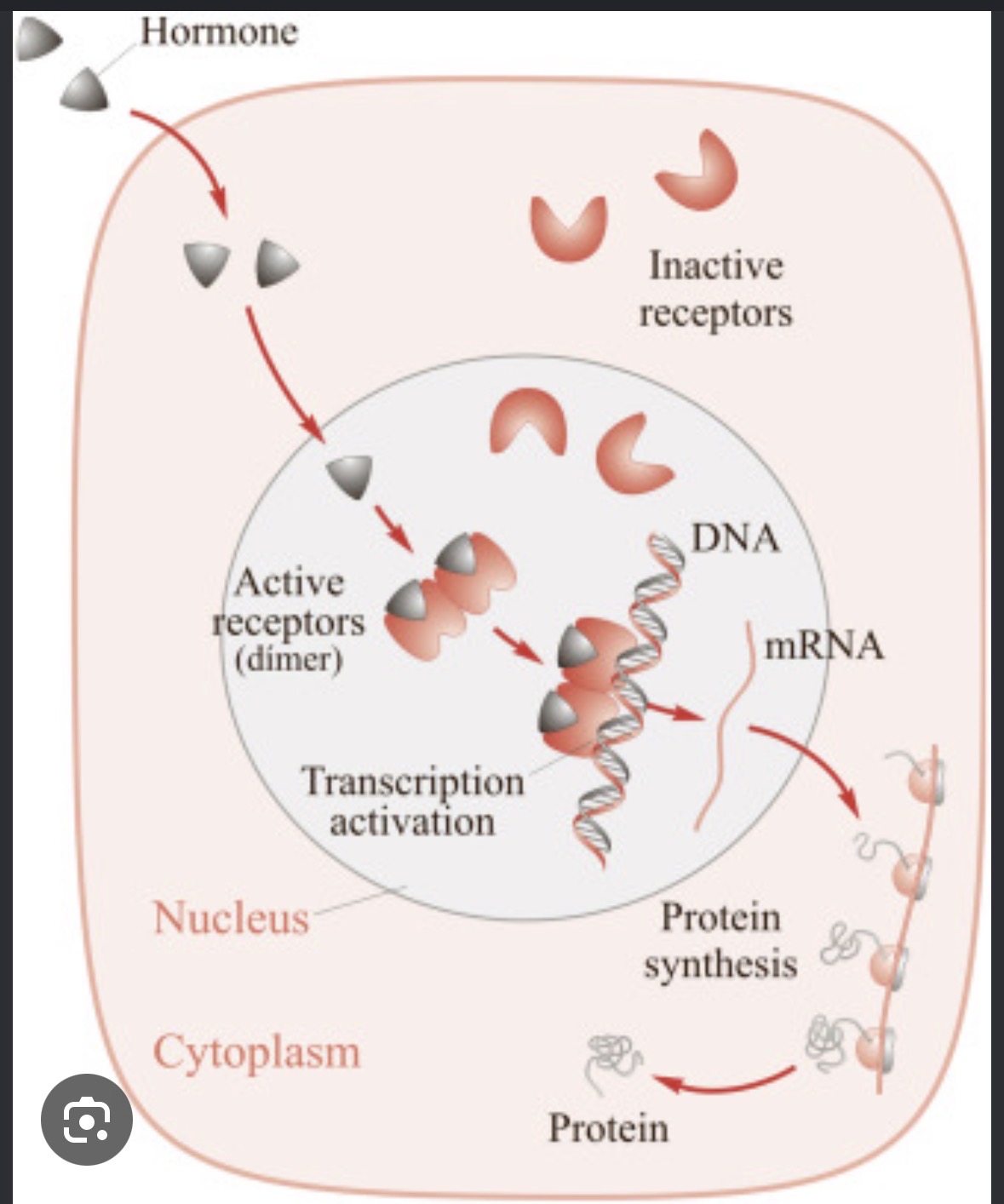
One function of the proteins in the cell membrane Is to:
Act as receptors for hormones
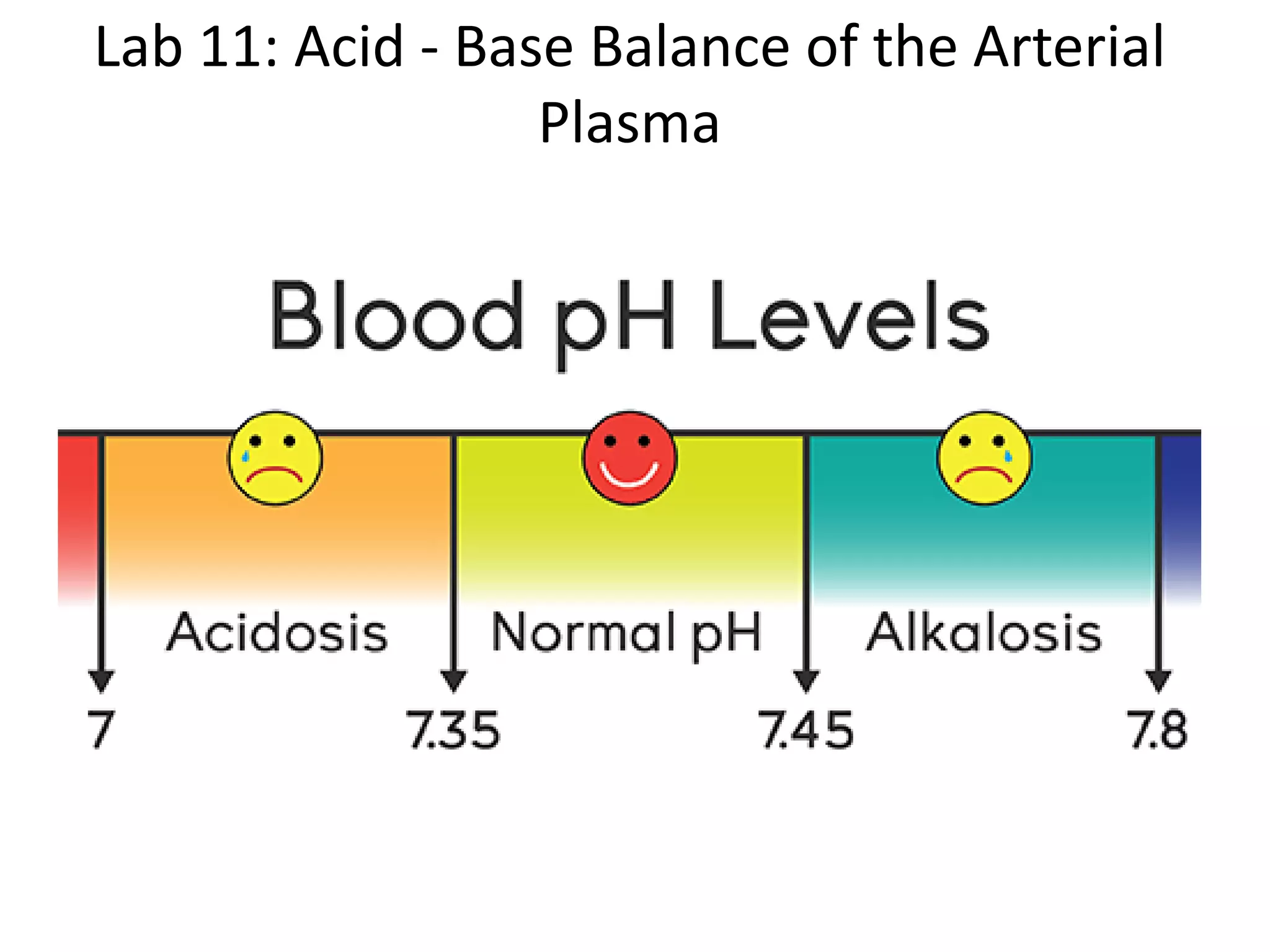
Normal blood pH is:
7.4


The fluid substance that is within the cell but outside the nucleus is the:
Cytoplasm

The process that uses pressure rather than concentration is:
Filtration

Cells in the respiratory tract that move mucus over their surfaces are most likely to have _
Cilia
(ciliated epithelial cells)

Bone tissue is a (an):
connective tissue

The directional term that means towards the back of the body is:
Posterior

Most of a cell's life cycle is spent in a non-dividing phase called:
Interphase
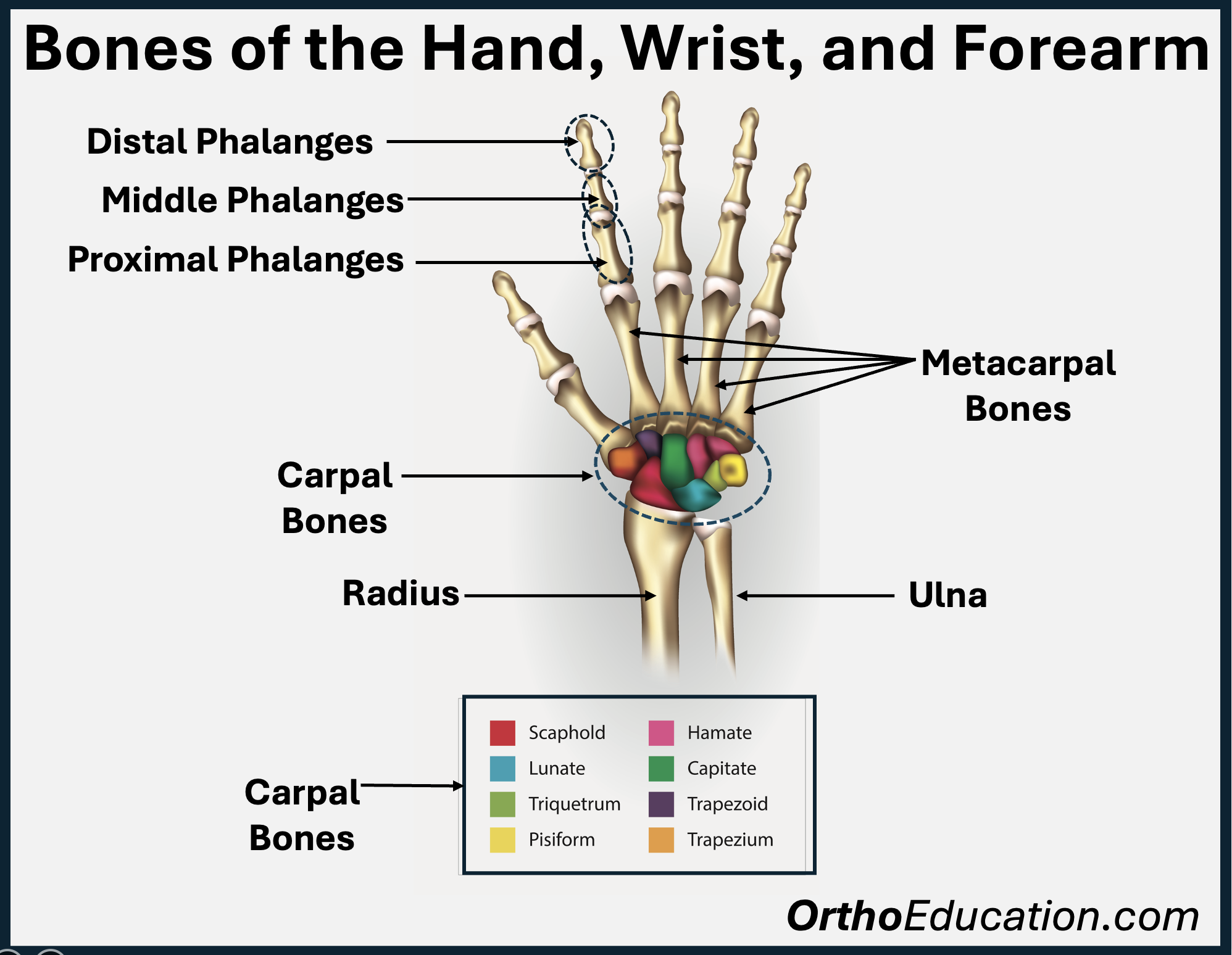
The anatomical name for wrist region is:
carpal region (or carpus)

During the birth of a baby, a hormone called oxytocin causes strong uterine contractions. The contractions stimulate the release of more oxytocin, which causes even stronger contractions. The cycle continues until there is a culminating event, namely the birth of the baby. This is an example
Positive feedback (more & stronger)
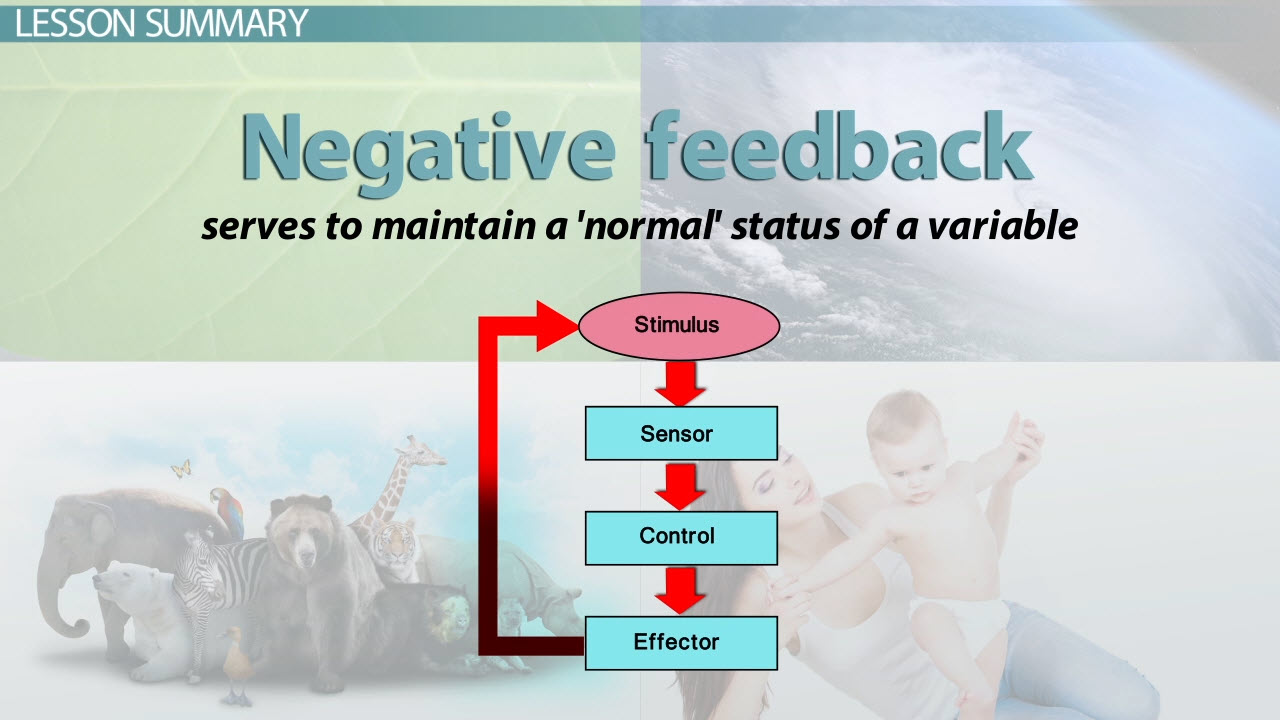
When blood glucose levels increase after a meal, the pancreas releases insulin. Insulin causes cells to take up glucose from the blood, which causes blood glucose levels to decrease. As blood glucose returns to its normal level, insulin release decreases. This is an example of:
negative feedback
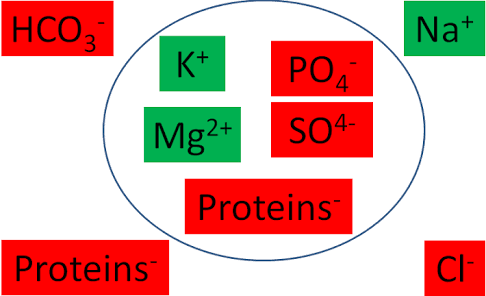
The main cation outside the cell is:
Sodium
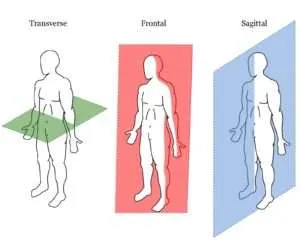
Jason's leg was badly crushed in an accident and to save his life the surgeon had to amputate his leg below the knee. The primary horizontal direction of cut to perform the amputation was in the _ plane.
transverse

The directional term that means closer to the point of attachment to the trunk is:
Proximal

The directional term that means toward the surface of the body is
Superficial

The directional term that means toward the back is:
Posterior

The directional term that means toward the front is:
Anterior

The directional term that describes the eyes relative to the nose is
Lateral

The directional term that means toward the head is:
Cephalic
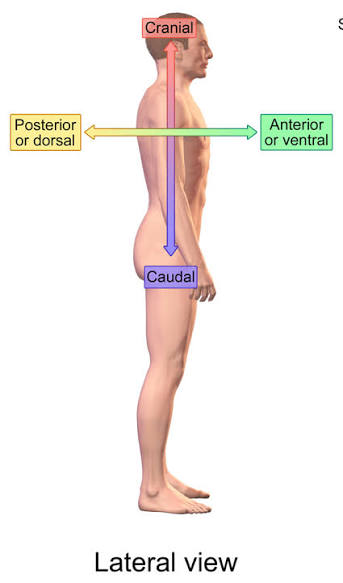
The directional term that means toward the tail lower partof thebody is
Caudal

The directional term that means toward the midline is
Medial

The arms and legs are part of the:
Appendicular portion of the body

The abdominal region superior to the left inguinal region is the:
Left lumbar

Which organelle synthesizes steroid
Smooth ER

Which organelle synthesizes proteins?
Ribosome

Which organelle digests foreign particles?
Lysosome


Which organelle provides energy for active transport?
Mitochondria

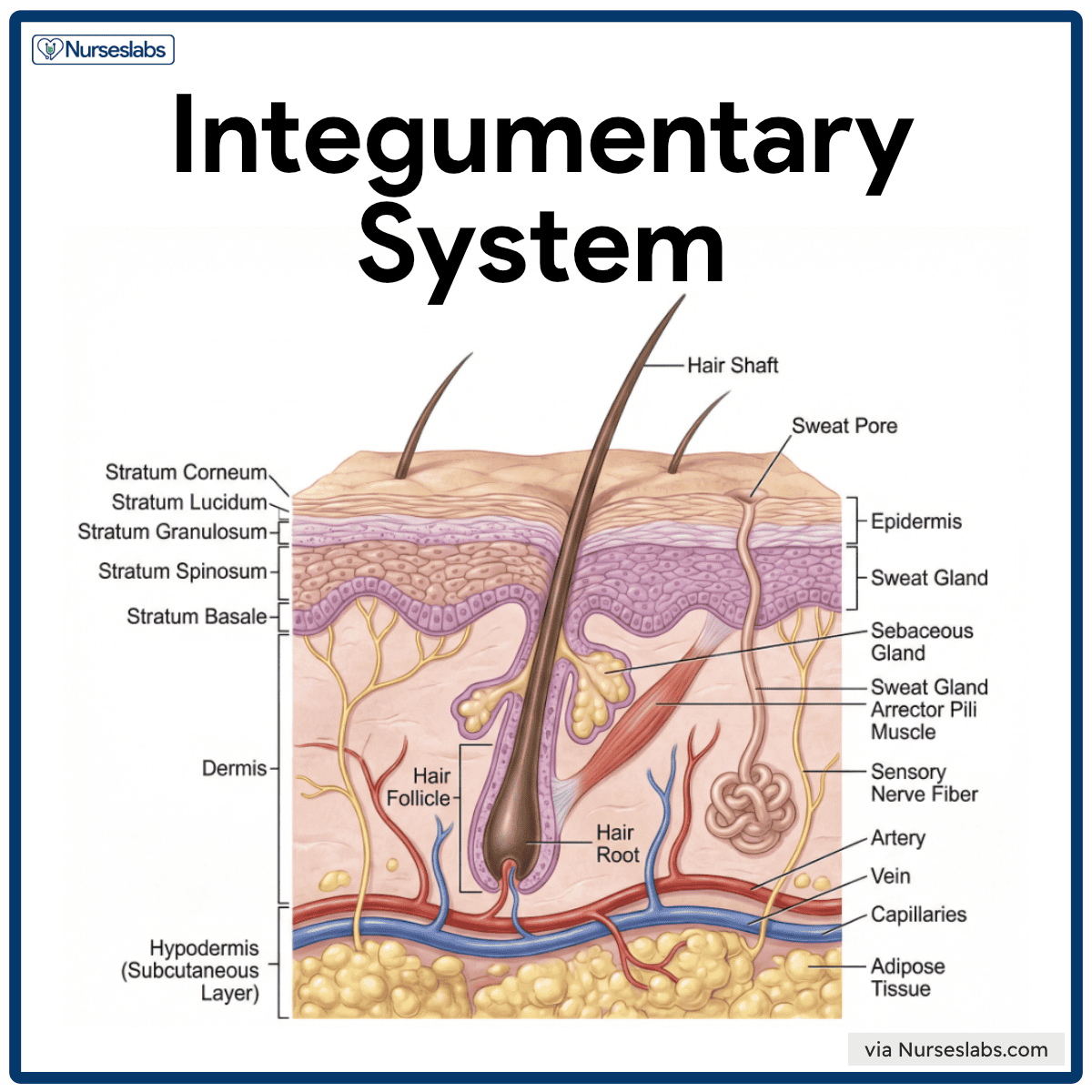
Which system activates vitamin D?
Integumentary system


Ihe movement of substances across a membrane using transpor roteins but WITHOUT energy is:
Facilitated diffusion


The process by which a cell engulfs fluid droplets is:
Pinocytosis

The process that uses pressure rather than concentration is:
Filtration

The diaphragm is located in the ____ cavity
Abdominal

The diaphragm is located superior to the ____ cavity.
Pelvic

The diaphragm is located superior to the ____ cavity
Spinal

The anatomical name for the ankle region is:
Tarsal

The anatomical name for the collarbone is:
Clavicle
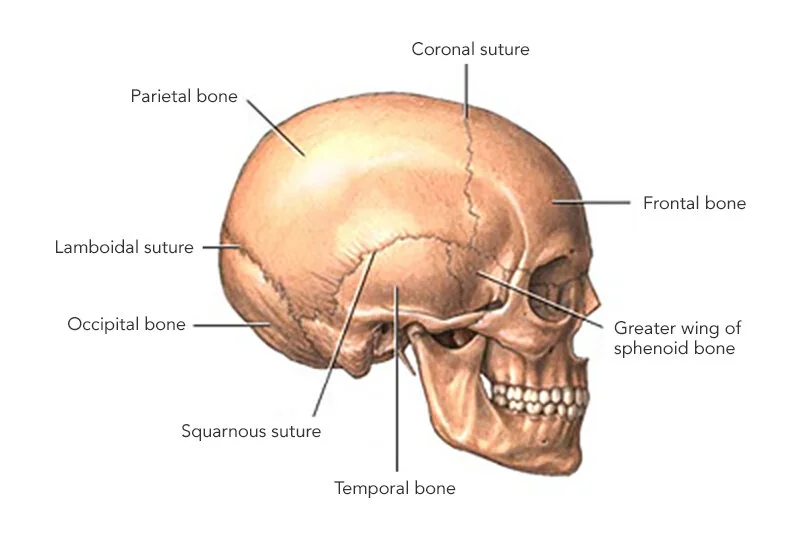
The anatomical name for the skull region is:
Cranial

The main cation inside the cell is:
Potassium
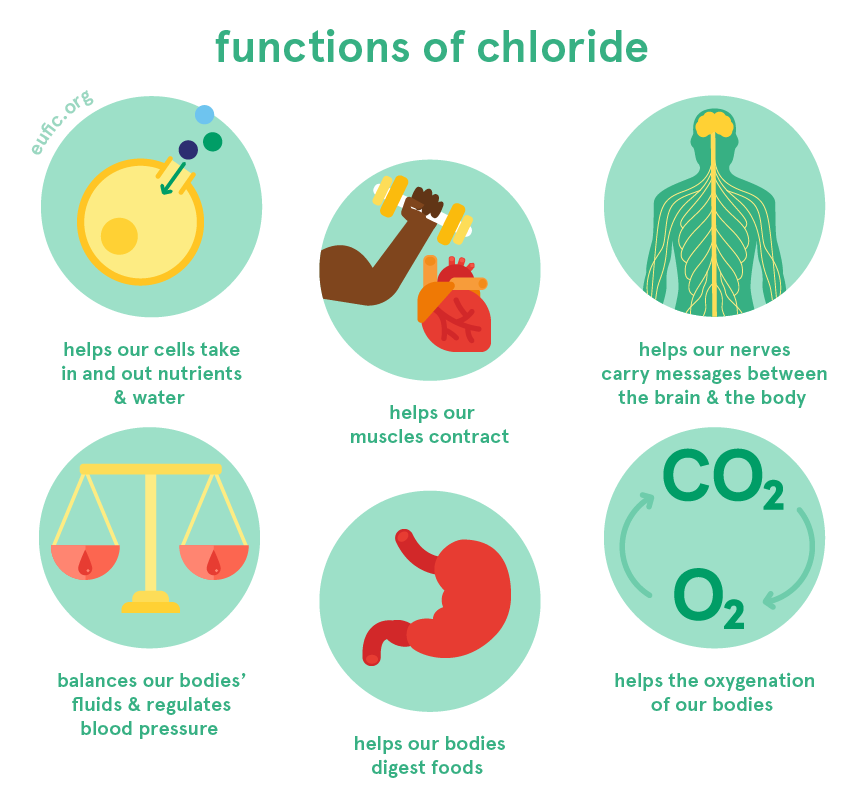
The main anion outside the cell is:
Chloride


The main anion inside the cell is:
Phosphate

One function of cell membrane proteins is to:
Act as receptors for hormones
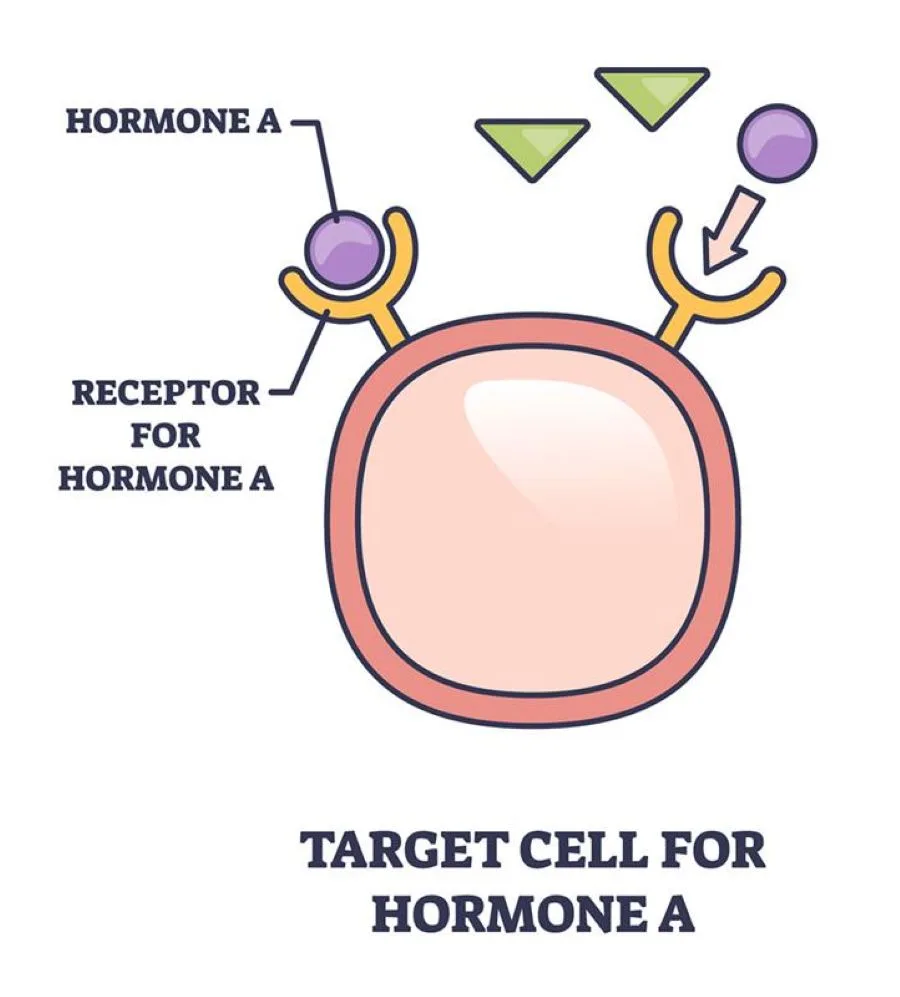

The fluid within the nucleus is the:
Nucleoplasm

The fluid outside the cell is the
Extracellular fluid

The plane that divides the body into left and right halves
Midsagittal

The plane that divides the body into front and back is the:
Frontal

The plane that divides the body into superior and inferior portions is the:
Transverse
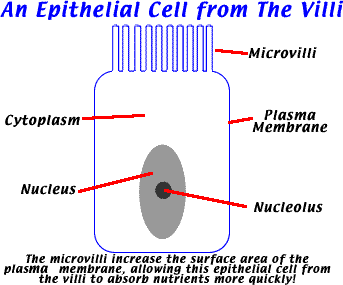
Finger-like projections on the small intestine that increase surface area are called
Villi

Hair-like projections on the surface of some cells used for propulsion
l i k e s p e r m c e l l s are:
Flagella
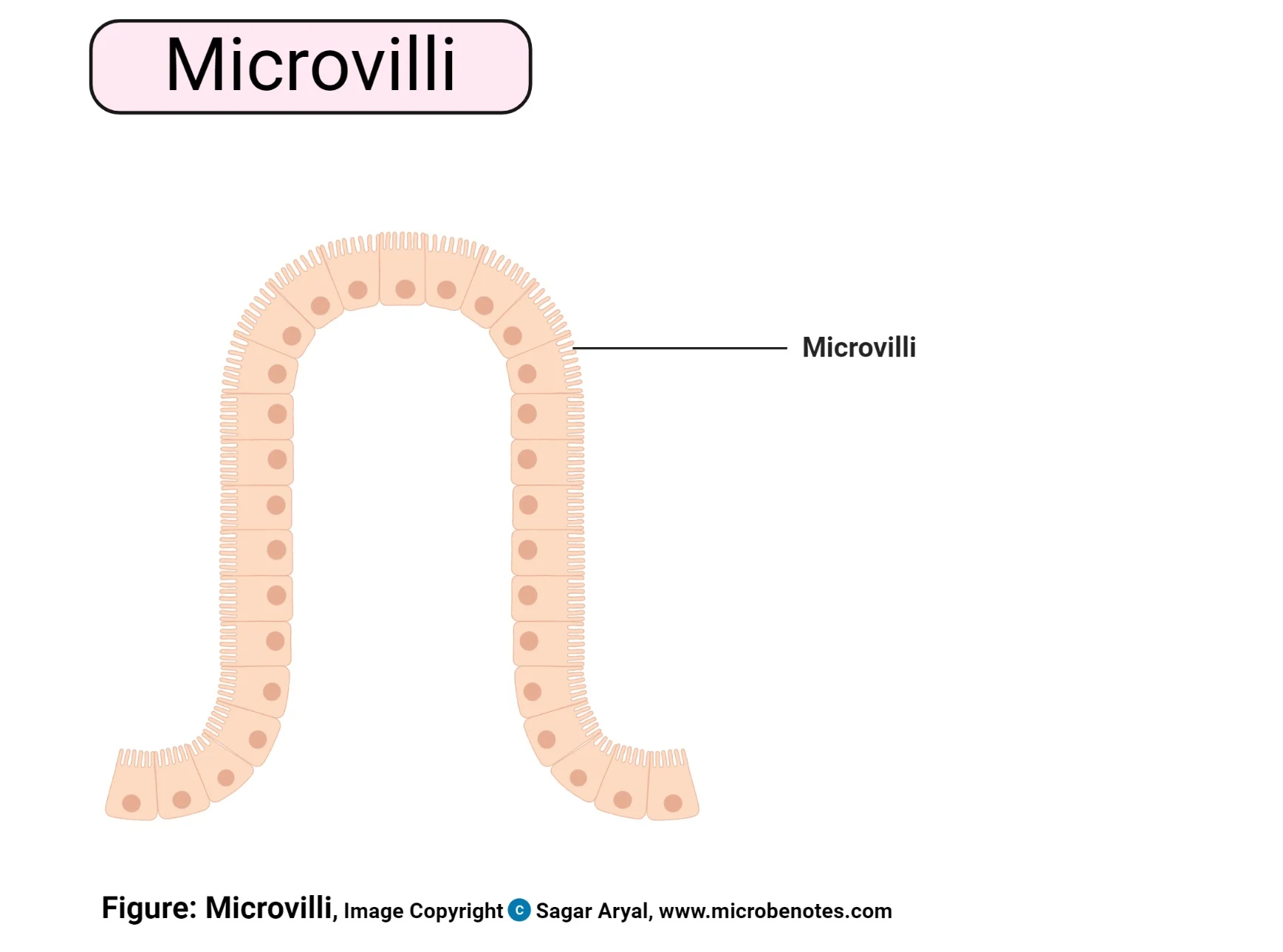
Tiny projections on cell surfaces that increase surface area for absorption are:
Microvilli

The phase of the cell cycle where the cell divides its nucleus is:
Prophase
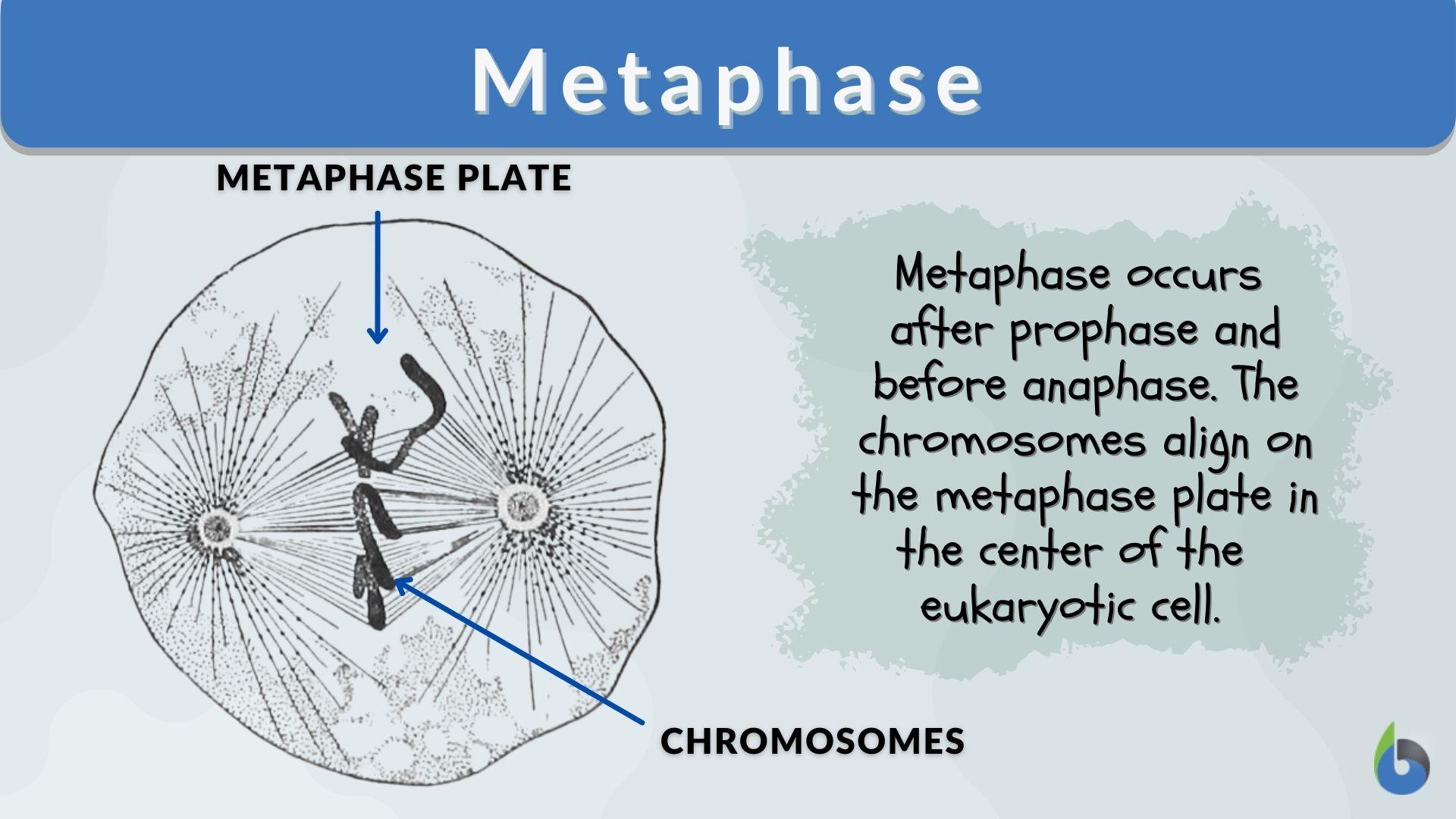
The phase of mitosis where chromosomes line up in the middle is:
Metaphase

The phase of mitosis where chromosomes separate and move to opposite ends is:
Anaphase

The final phase of mitosis where new nuclei form is:
Telophase

The maintenance of a stable internal environment is called
Homeostasis
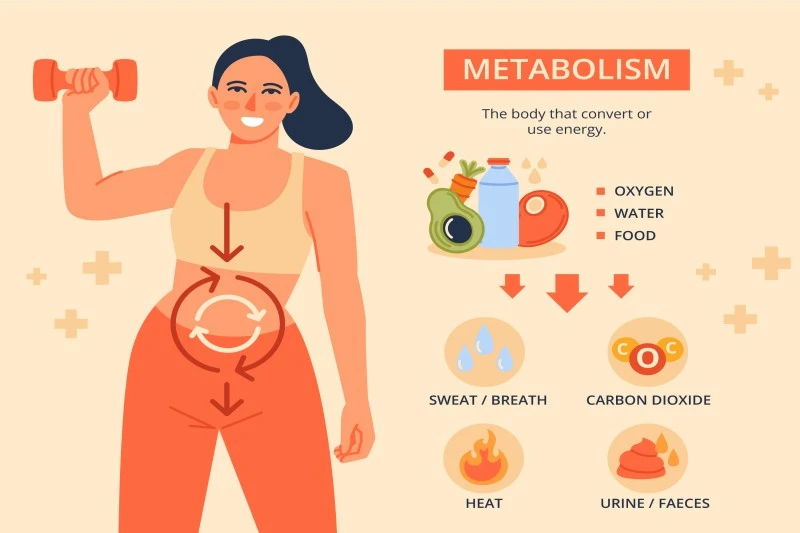
The sum of all chemical reactions in the body is:
Metabolism

The type of feedback that amplifies a change l i k e bl o o d c l o t t i n g is:
Positive feedbacK

The mitotic spindle is primarily formed and organized by
the centrosome

Mitochondria
tiny, membrane-bound structures inside cells that make most of the chemical energy (ATP) needed to power the cell's daily activities. They're often called the "powerhouse of the cell" because of that role.
Mitochondria are organelles that generate ATP through cellular respiration and are essential for energy production in eukaryotic cells.


Which of the following is a function of lysosomes? Breaking down bone to release calcium ions into the blood degrading worn-out or nonfunctional organelles digesting particles taken in by endocytosis help in the formation of cell membranes
Breaking down bone to release calcium ions into the blood
degrading worn-out or nonfunctional organelles
digesting particles taken in by endocytosis

In which stage of mitosis do the identical sets of chromosomes line up along the midline or equator of the cell?
metaphase

Mitochondria
Organelles responsible for ATP production through cellular respiration, often referred to as the "powerhouse of the cell." They generate chemical energy required for cellular activities.
(Has its own DNA)

Anaphase
chromosomes separating to opposite poles
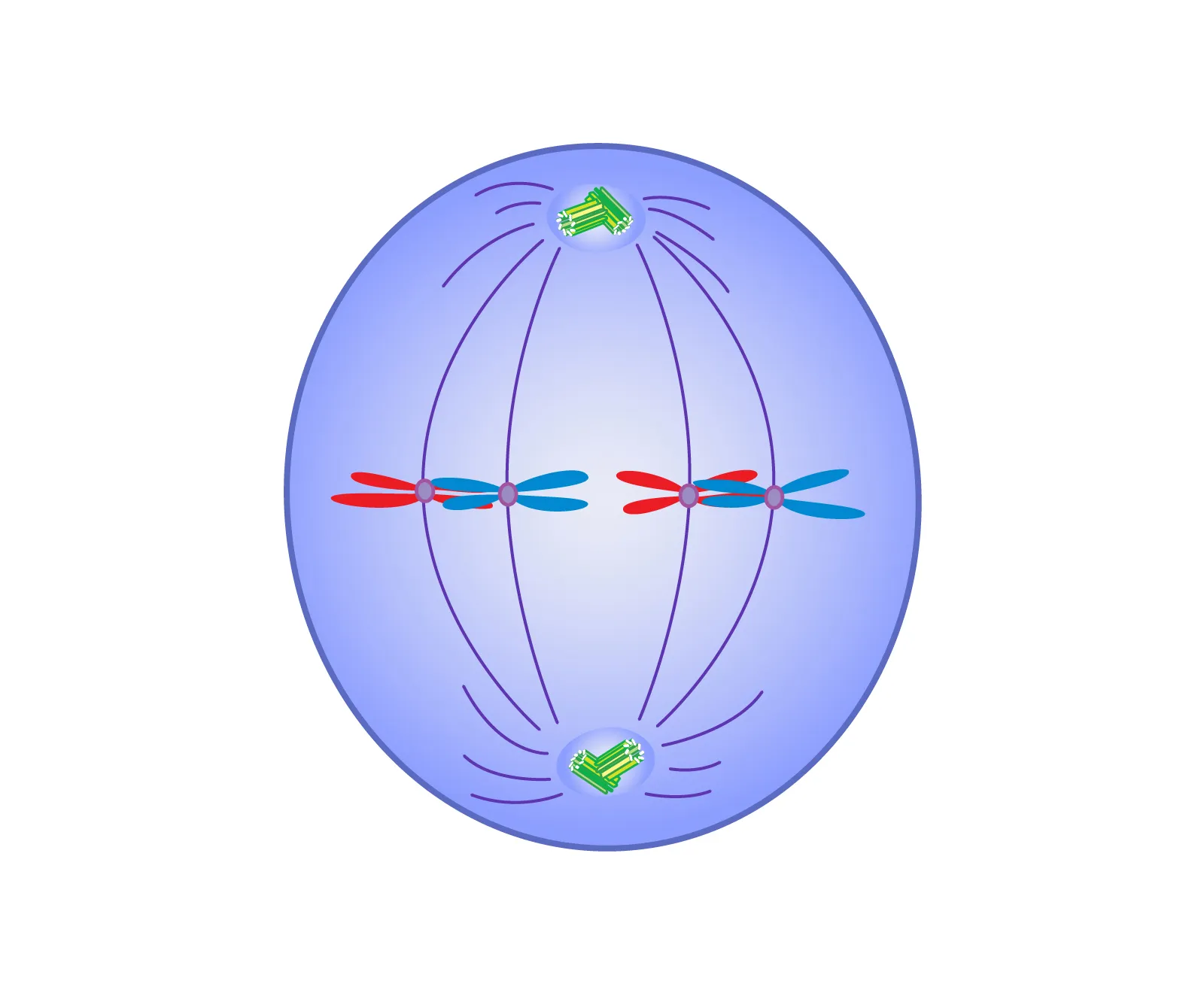
Metaphase
chromosomes aligned in the center (equator)

Prophase
Chromosomes condensing, nuclear membrane disintegrating.

Telophase
Chromosomes cluster at each pole; nuclear membrane reforms → 2 daughter cells, each with 4 chromosomes.

What’s 2n and why does it equal 4 cell.
2n = 4 cell — Prophase → Metaphase → Anaphase → Telophase, showing the 4 chromosomes condensing, lining up, splitting, and separating into two cells.
(2n = twice that — the diploid number, meaning you have two sets of chromosomes (one from each parent).)

Parent cells>
Mitosis > 1 > meiosis >1

Divisions
Mitosis > 1 > meiosis >2

Daughter cells
Mitosis > 2> meiosis >4


Symmetric Division
Parent splits into two identical copies.

Asymmetric
Parent makes two cells with different jobs — common with stem cells, keeping some stem cells while making specialized cells.

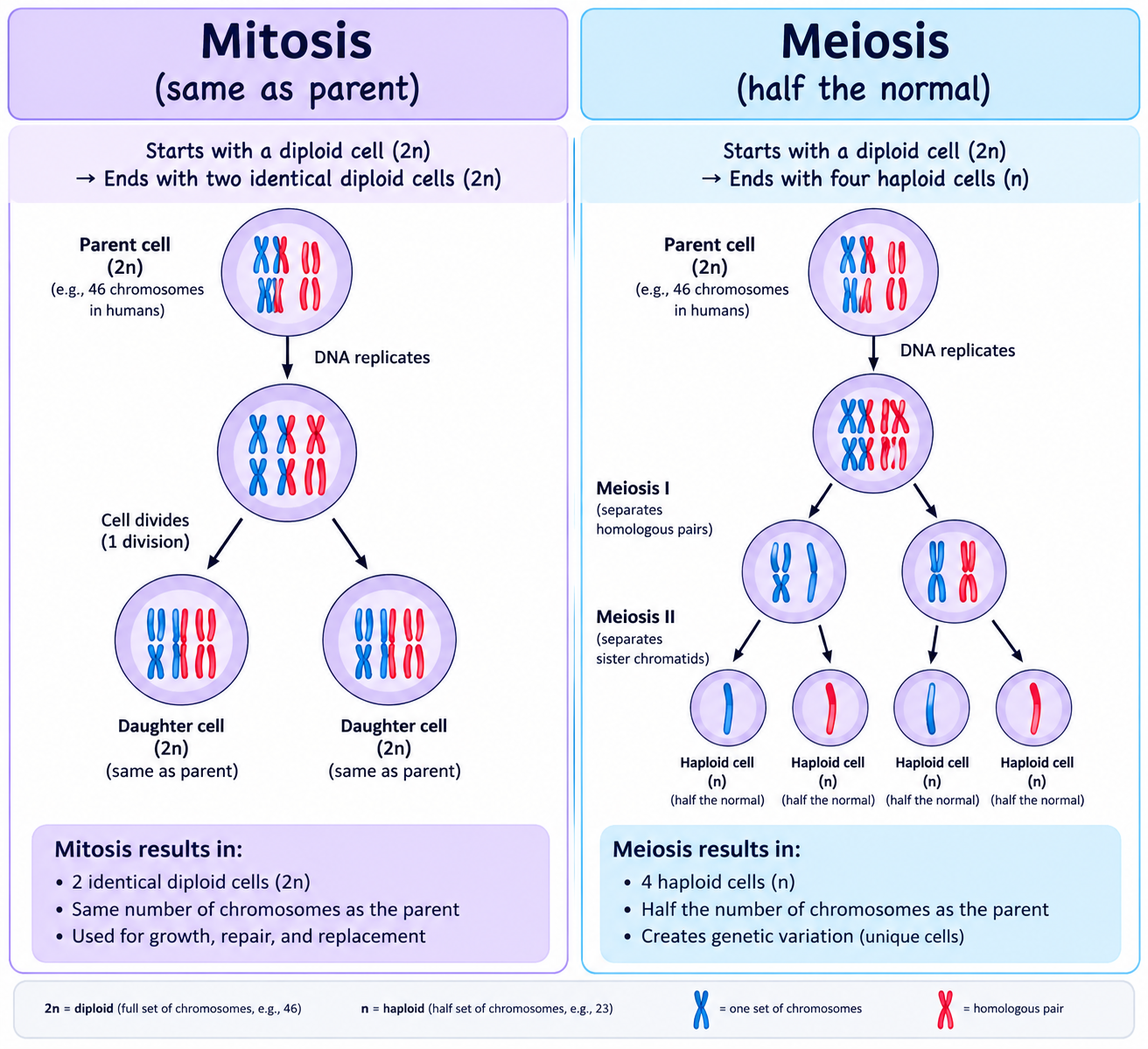
DNA amount
Mitosis: Same as parent (2n)
Meiosis: Half the normal (n)
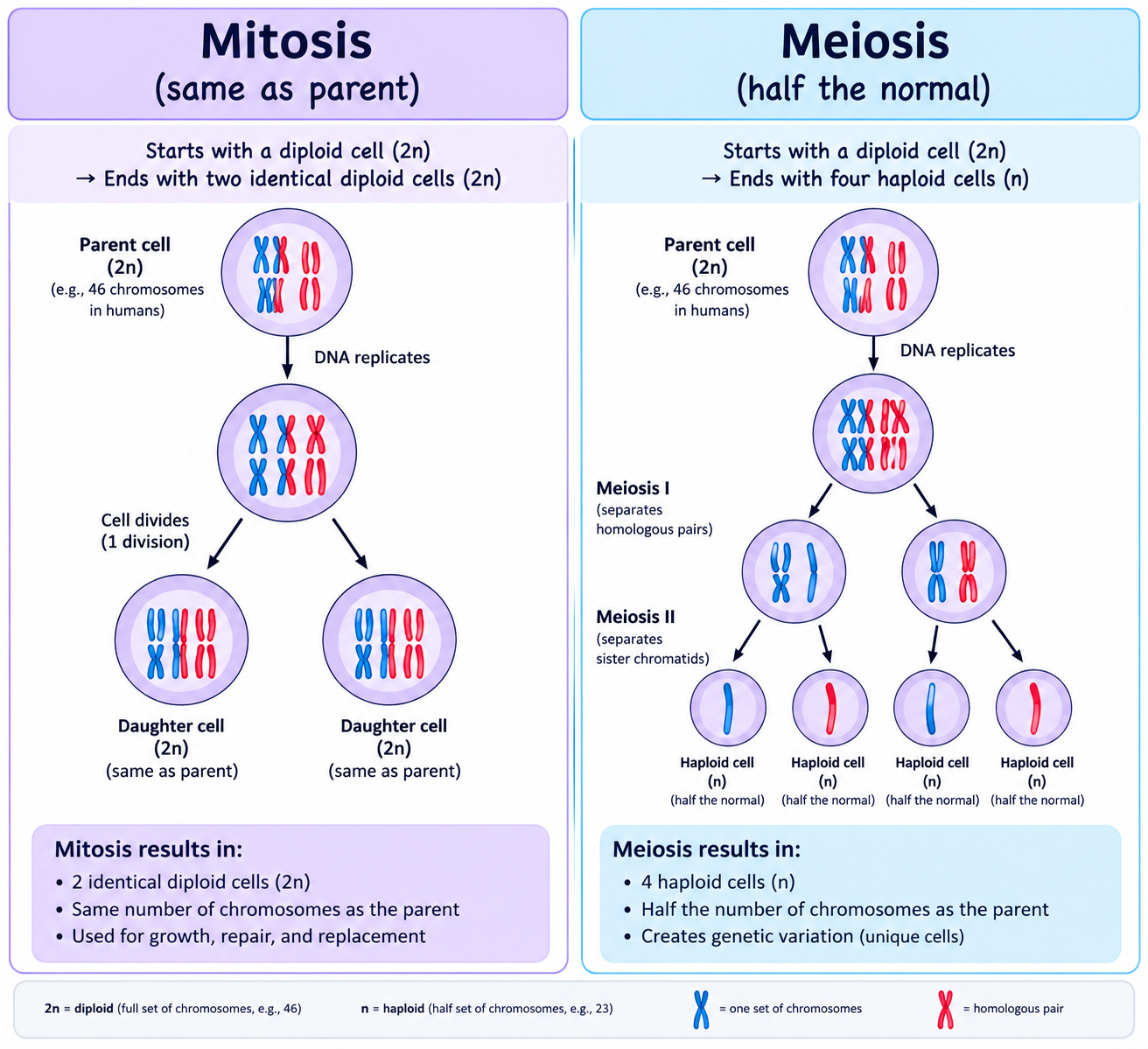
Genetically identical? Mitosis: yes Meiosis: no
Mitosis: yes creates identical copies for growth and repair
Meiosis: no creates unique genetic diversity for reproduction
Purpose
Mitosis:Growth, repair
Meiosis: This Reproductive cells (sperm, eggs)

Passive transport
no energy

Active transport
needs ATP/energy
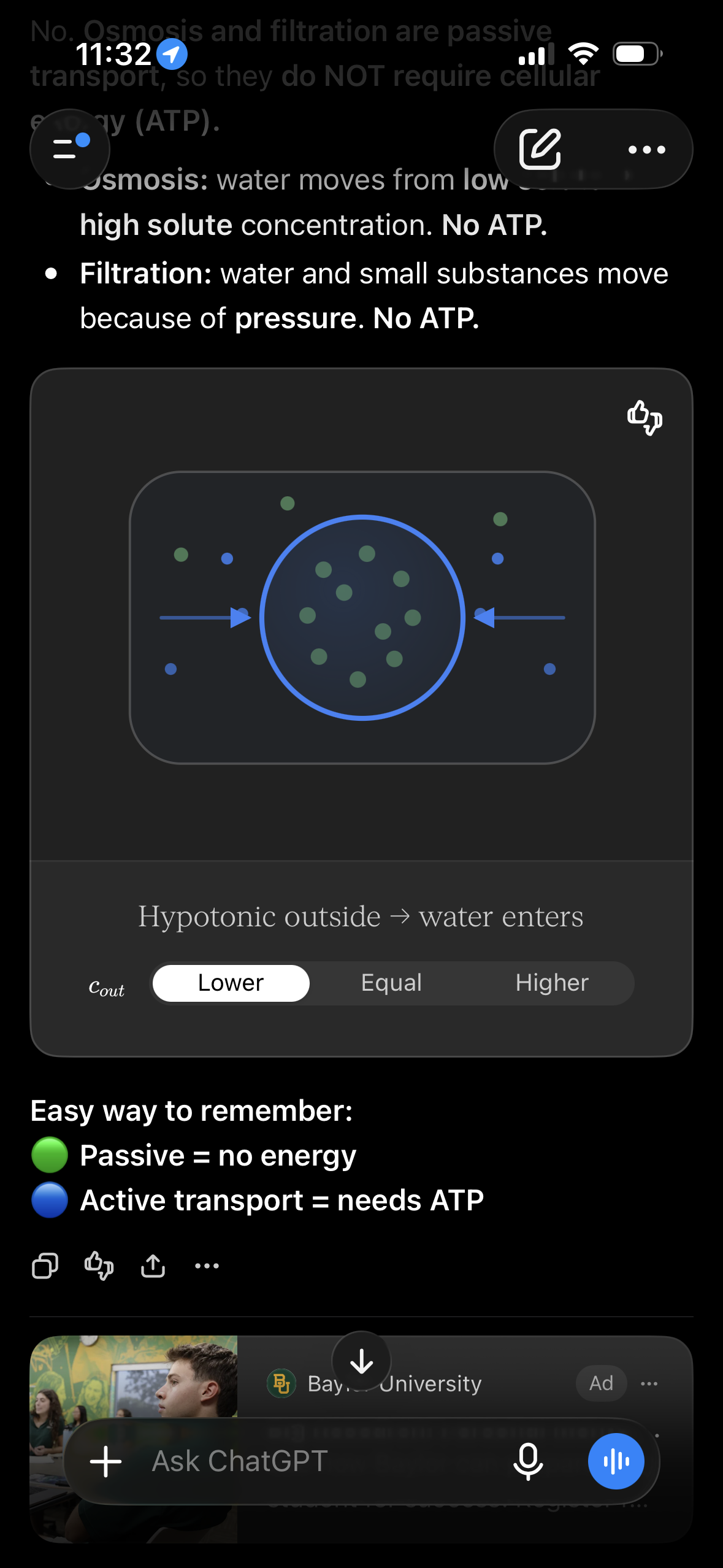
Hypotonic outside → water enters
Water enters - ( Lower )
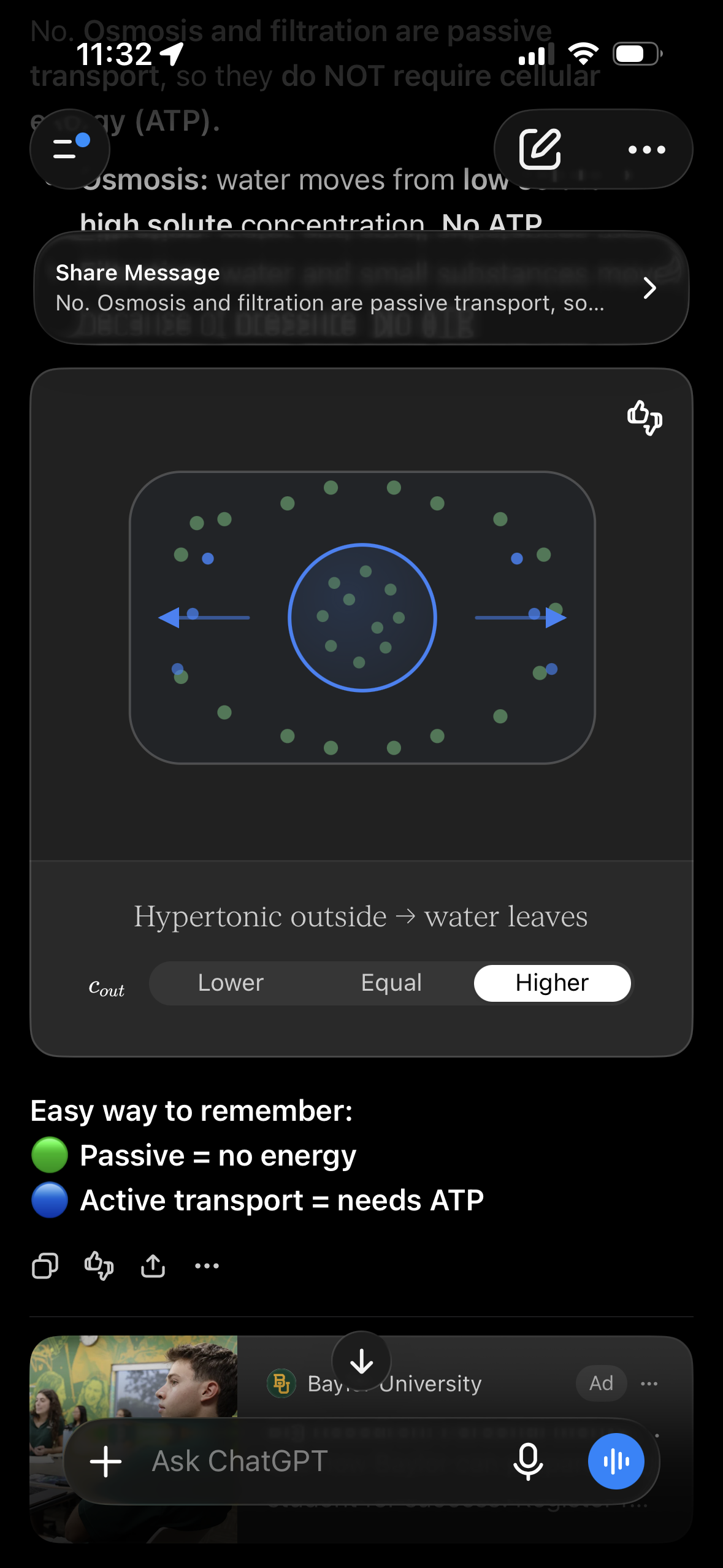
Hypertonic outside → water leaves
water leaves ( higher )
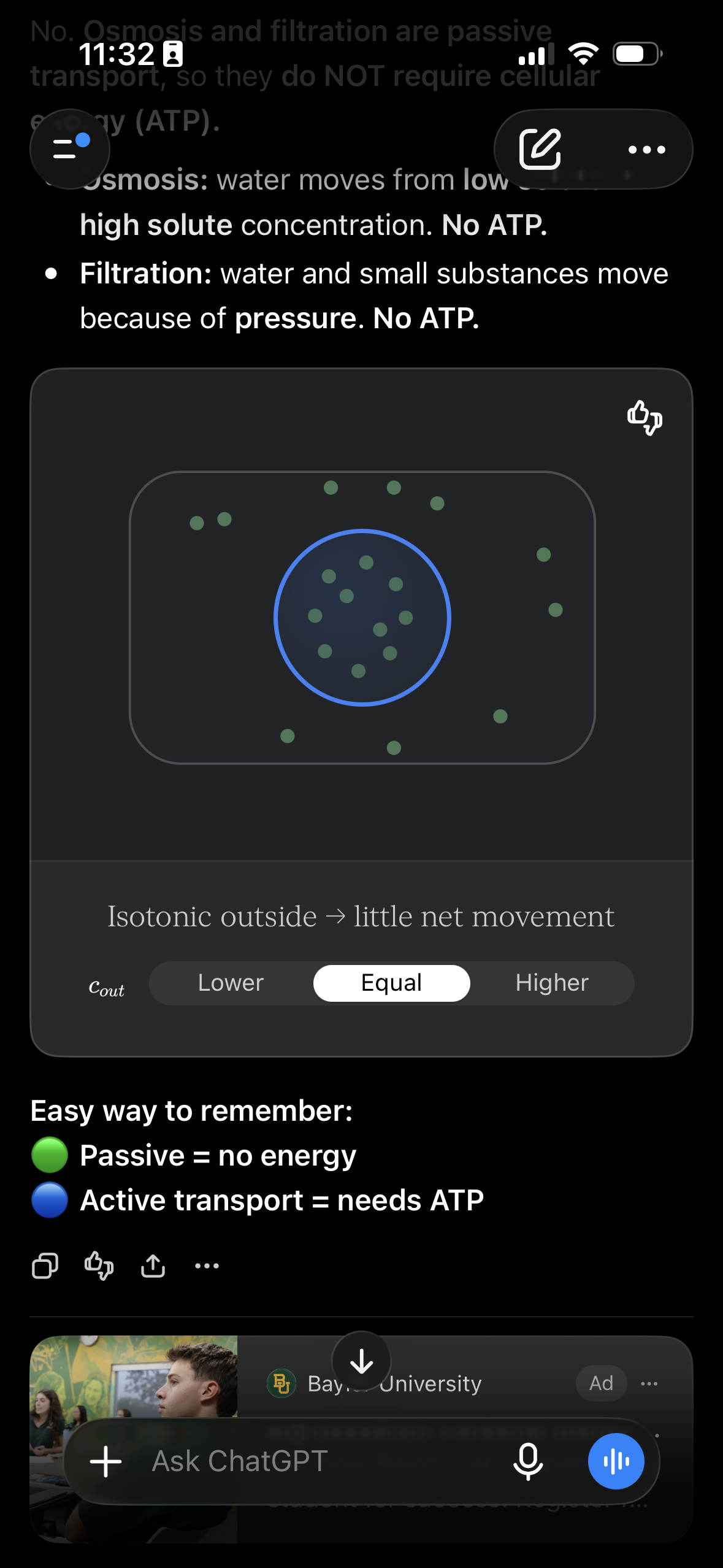
Isotonic outside → little net movement
little net movement - equal

Phagocytosis
Cell eating

Pinocytosis
Cell Drinking

Compound that accepts (H+) hydrogen ions in solution
Base

Electrical force linking atom’s is
A chemical bond

solution containing a weak acid or a weak base that opposes wide fluctuations in the pH of body fluids
Buffer : OPPOSES pH CHANGES

substance that increases the rate of a chemical reaction without itself being changed in the process
catalyst