Unit 2 Module 7 & 8 Biology (Cell Organelles, Diffusion, & SA:V Ratio)
 Call Kai
 Learn
 Practice Test
 Spaced Repetition
 Match
 Flashcards
 Knowt Play
1/21

There's no tags or description
Looks like no tags are added yet.
22 Terms

Surface Area
The total area of the outside surface of a 3d object
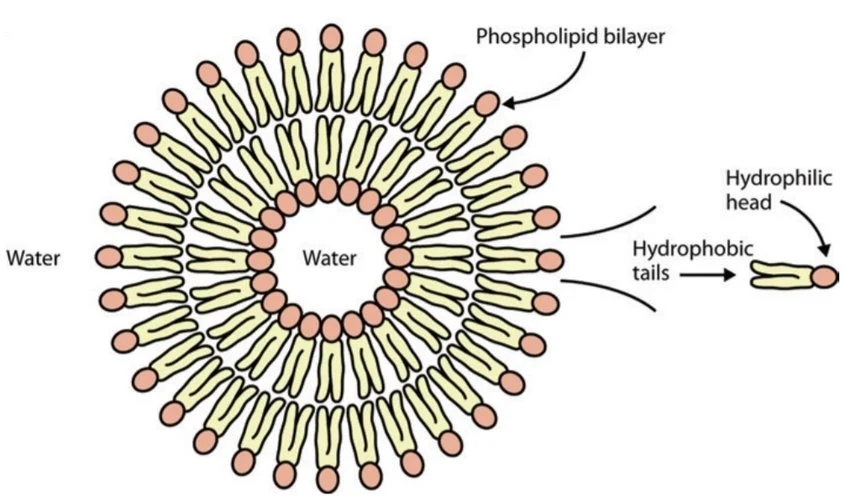
Vesicle
A small, membrane enclosed sac that transports substances within the cell, attaches to other organelles and travels within the cytoplasm

Endomembrane System
A cellular system in eukaryotic cells that includes the nuclear envelope, endoplasmic reticulum, golgi apparatus, lysosomes, cell membrane, and vesicles that move between them.

Nuclear Envelope
The two membranes (inner & outer) that make up the boundary of the nucleus

Endoplasmic Reticulum
A cell organelle made up of a network of membranes that is involved in the synthesis of proteins and lipids, has rough and smooth variants

Rough Endoplasmic Reticulum
Helps with the synthesis of proteins, works with ribosomes and vesicles to make and transport proteins

Smooth Endoplasmic Reticulum
Synthesizes lipids, process carbohydrates, and detoxifies harmful chemicals

Enzymes
Proteins that act as a catalyst to accelerate the rate of a chemical reaction

Golgi Apparatus
Modifies and sorts proteins synthesized by the endoplasmic reticulum before they move to their final destination

Lysosomes
Enzymes derived from the Golgi apparatus that contains hydrolytic enzymes which break down macromolecules such as proteins, nucleic acids, lipids, and carbohydrates

Mitochondria
Site of cellular respiration in eukaryotic cells, they harness energy from organic molecules, such as carbohydrates, to make ATP (energy cells can use to do work)
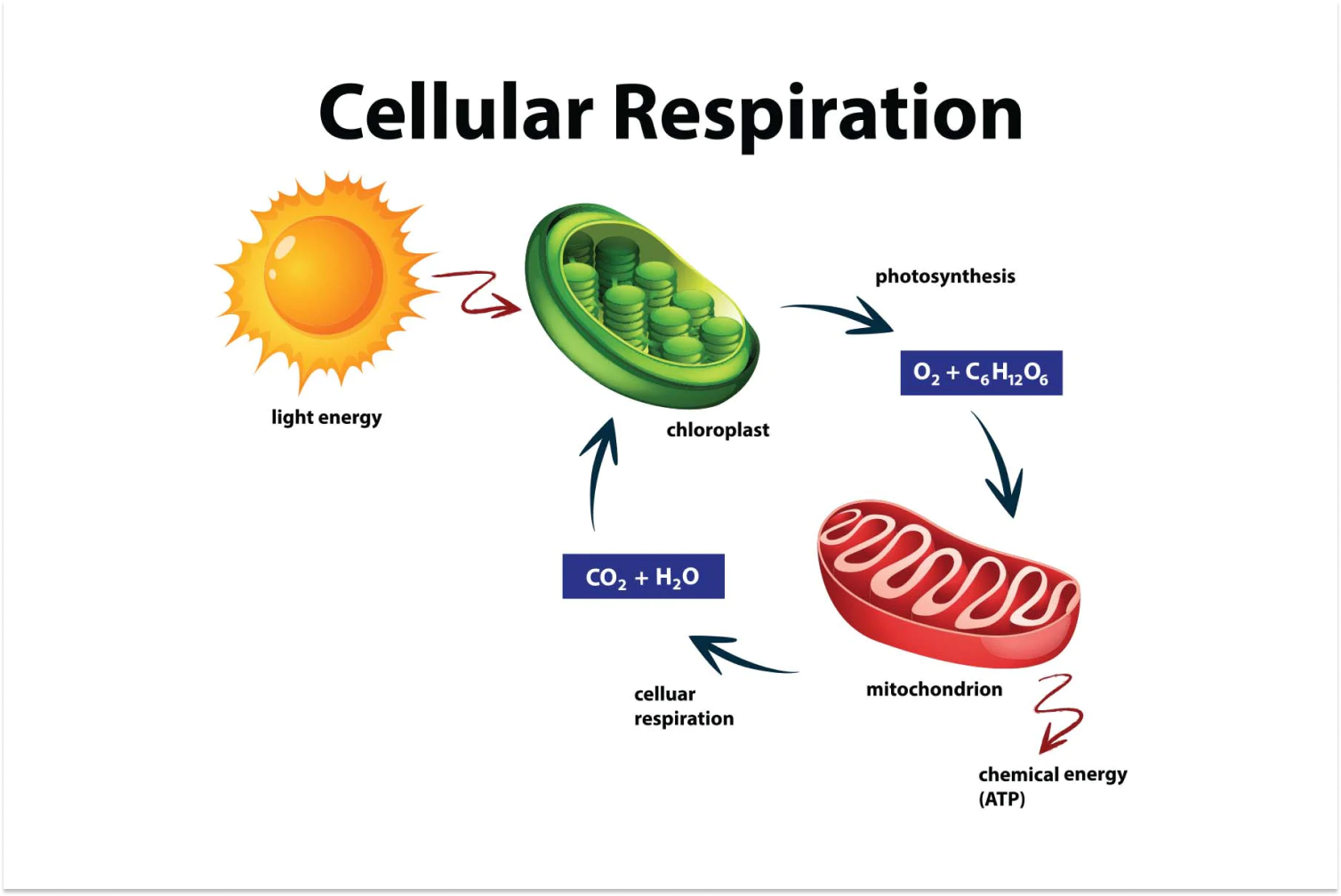
Cellular Respiration
A series of chemical reactions where organic molecules like carbohydrates are broken down, and the energy stored in those organic molecules is converted to ATP

Mitochondrial Matrix
The space enclosed by the inner membrane of the mitochondria

Chloroplast
Converts energy from sunlight into chemical energy by synthesizing simple sugars, is present in plant cells

Thylakoid
A flattened sac within the chloroplast where the light-dependent reactions of photosynthesis occur
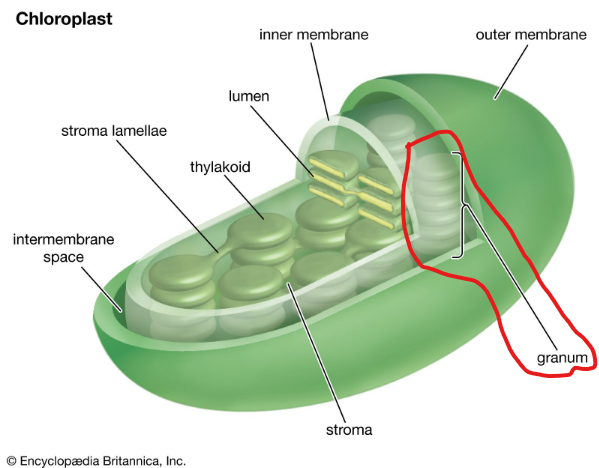
Grana
Interlinked stacks of thylakoids in chloroplasts
Chlorophyll
The major photosynthetic pigment contained in the thylakoid membrane, plays a key role in the plant’s ability to capture energy from sunlight

Cytoskeleton
An internal protein scaffold that helps cells maintain their shape

Turgor Pressure
Pressure within a cell resulting from the movement of water into the cell by osmosis

Vacuole
Organelle present in some cells, including plant and fungi cells, that contains fluid, ions, and other molecules. in some cases, it absorbs water and contributes to turgor pressure
Surface Area to Volume Ratio
Surface Area divided by Volume. the more volume an object has, the smaller the ratio is, and vice versa

Diffusion
The net movement of molecules from areas of higher to lower concentration of the molecules due to random motion