Poetry 1201
0.0(0)
Studied by 0 people Note
Note Call Kai
 Learn
Learn Practice Test
 Spaced Repetition
 Match
Match Flashcards
 Knowt Play
Card Sorting
1/41

There's no tags or description
Looks like no tags are added yet.
Last updated 6:29 PM on 4/3/23
Name | Mastery | Learn | Test | Matching | Spaced | Call with Kai | Chat |
|---|
No analytics yet
Send a link to your students to track their progress
42 Terms
1
New cards
What is Poetry?
A concentrated form of language written in verse with vivid imagery, figurative language, rhythm, and sometimes rhyme
2
New cards
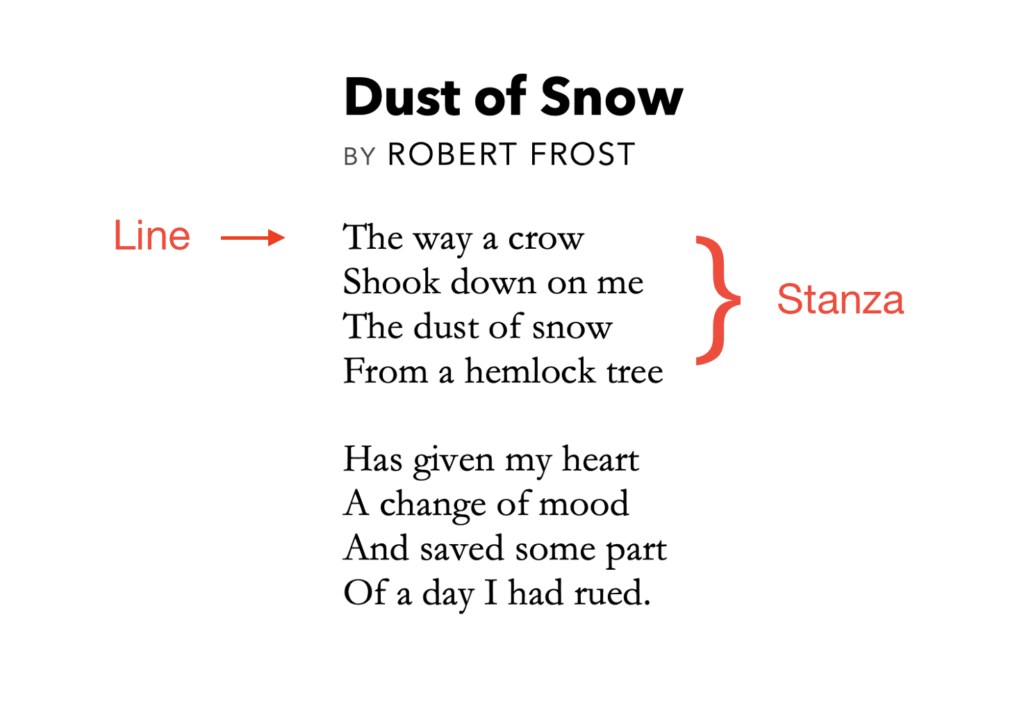
Line:
the basic unit of a poem.
3
New cards
Stanza:
a collection of lines in a poem.
4
New cards
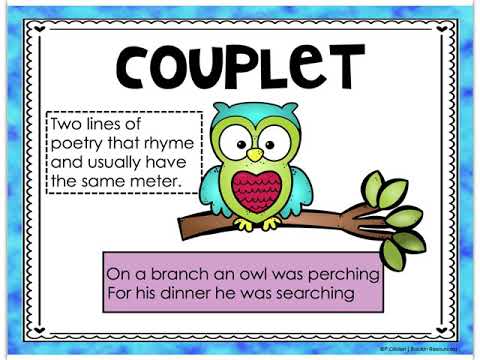
Couplet:
A pair of rhyming lines in a poem.
5
New cards
Types of Poetry
Types of Poetry
6
New cards
Ballad
A story poem usually meant to be sung. There are two types:
7
New cards
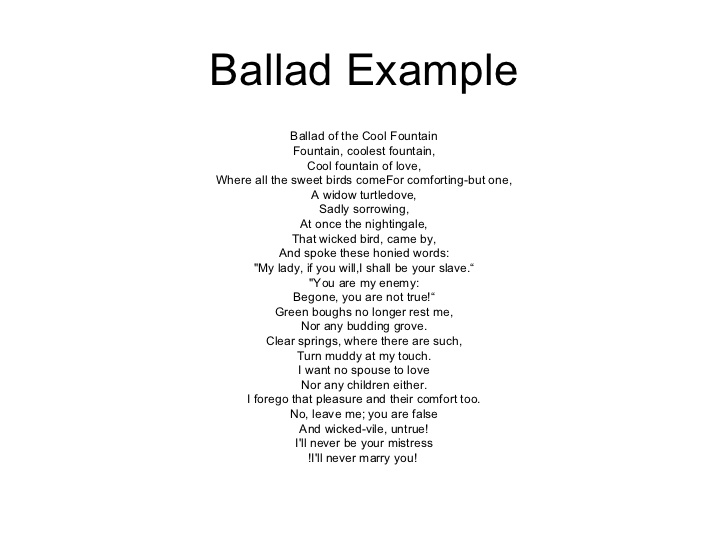
Traditional Ballad:
writer often unknown, it tells a single story, is often passed down from generation to generation. Usually rhymes and has a lot of repetition as it can be easily remembered.
8
New cards
Literary Ballad:
often written in four-line stanzas with the second and fourth lines rhyming. The author’s name is known and it does not have a tune. Also tells simple stories of things or events.
9
New cards
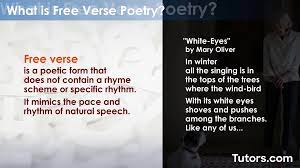
Free Verse
A form of poetry that does not follow a set rhythm.
10
New cards
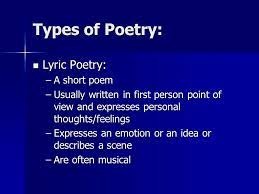
Lyrical
A poem that expresses intense personal thoughts moods and emotions
11
New cards
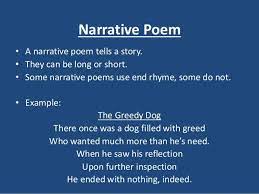
Narrative
A poem that tells a story
12
New cards
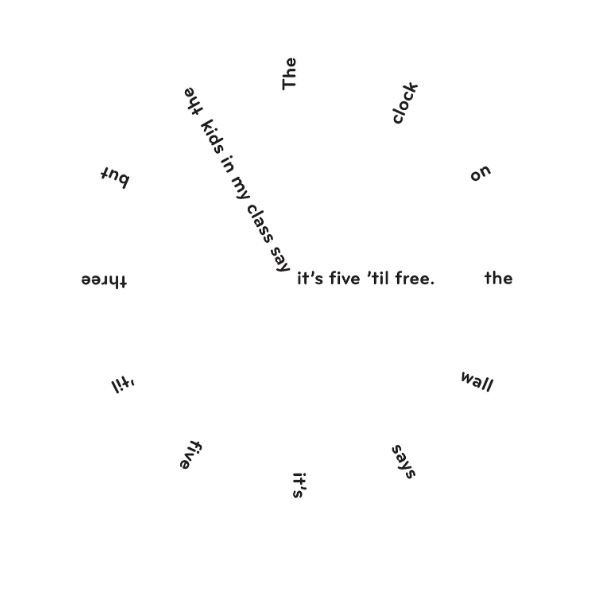
Concrete
A poem whose shape or visual appearance contributed to its meaning.
13
New cards
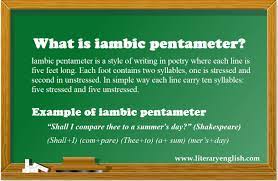
Sonnet
A fourteen-line poem written in iambic pentameter
14
New cards
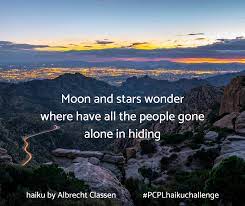
Haiku
A seventeen-syllable poem. It has three lines. The first line has five syllables, the second seven syllables, and the third five syllables. Many haikus are about nature.
15
New cards
**Figurative Language:**
Figurative Langauge:
16
New cards
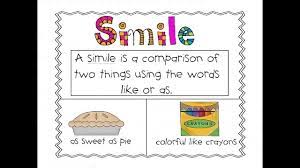
Simile
A comparison of two unlike things using the word like or as
17
New cards
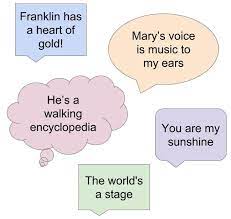
Metaphor
A direct comparison of two things not usually thought of as alike without using like or as.
18
New cards
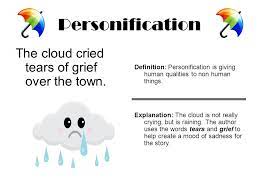
Personification
The giving of human characteristics to inanimate objects.
19
New cards
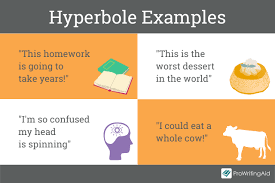
Hyperbole
An extreme exaggeration.
20
New cards
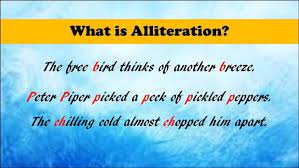
Alliteration
The repetition of the same consonant sound in a line of poetry.
21
New cards
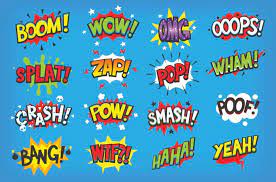
Onomatopoeia
When a word sounds like its meaning or what it is.
22
New cards
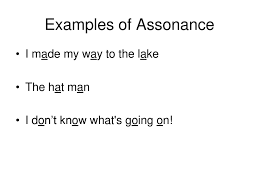
Assonance
The repetition of a vowel sound in consecutive words in a line of poetry or prose.
23
New cards
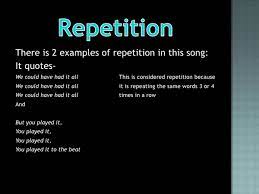
Repetition
The repeating of a word or words in a line of poetry.
24
New cards
**Literal Meaning vs Figurative Meaning**
Literal Meaning vs Figurative Meaning
25
New cards
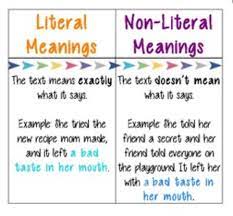
Literal Meaning:
A reader’s take on what the poem is saying literally. It involves what the words say at face value, what is written in black and white.
26
New cards
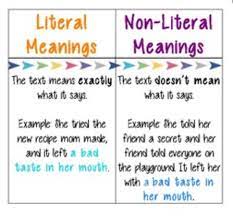
Figurative Meaning
Involves looking at a poem’s symbolic meaning. Symbolically the poem has a message for the audience that is implied (hinted at) rather than stated out and out (explicit).
27
New cards
Irony
Is when something happens that is the opposite of what you expect to happen.
28
New cards
**There are three types of irony.**
There are three types of irony.
29
New cards
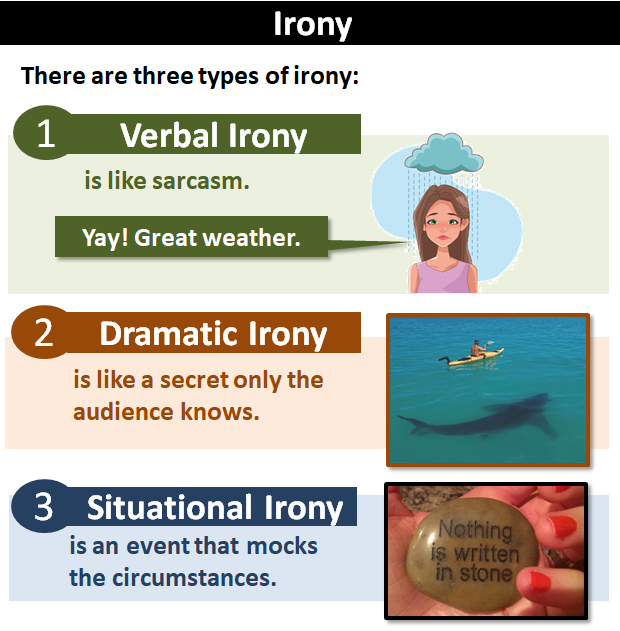
Verbal Irony:
Say something that means the opposite
30
New cards
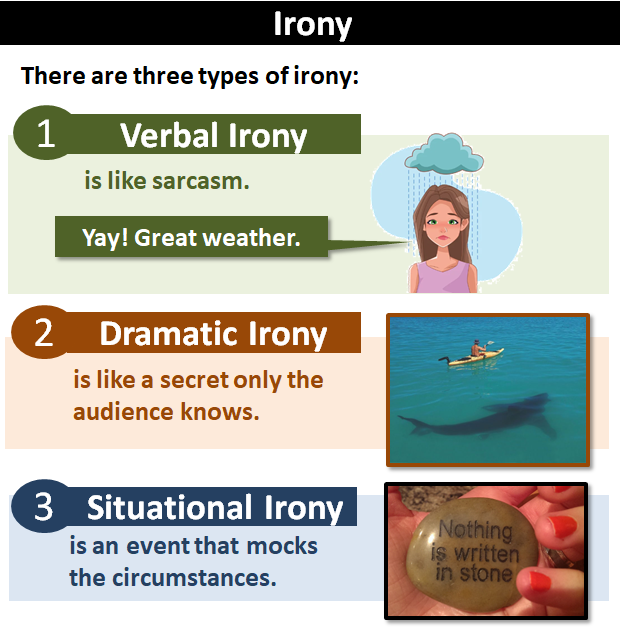
Dramatic Irony:
When one character or the audience is aware of something other characters are not aware of.
31
New cards
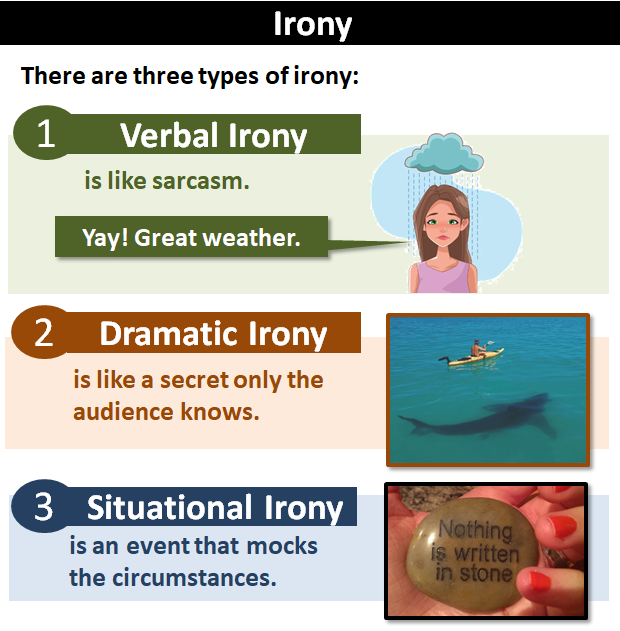
Situational Irony:
A contrast between what a character says or what he or she means or a contrast between what a character expects to happen and what actually happens.
32
New cards
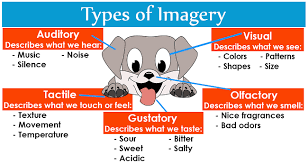
Imagery
Language that appeals to the five senses VISUAL imagery is the most common type of imagery Some writers even manage to create images of the way things smell, taste, or feel Purpose is to make readers think about how something smells etc
33
New cards
Rhyme
Matching word sounds
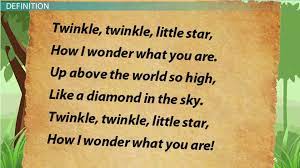
34
New cards
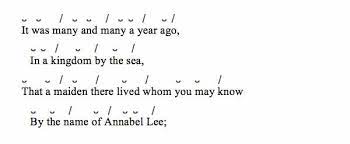
Rhythm/Meter
A pattern of stressed and unstressed syllables in a poem.
35
New cards
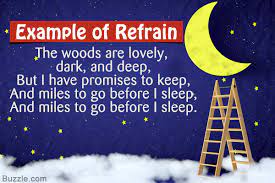
Refrain
A recurring passage or phrase in a poem.
36
New cards
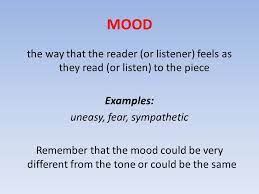
Mood
The feelings and emotions of the author as they come through in the writing, and the feelings that the writing produces in the reader.
37
New cards
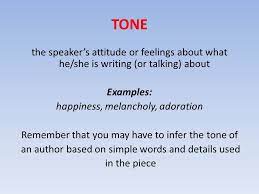
Tone
The way a writer’s choice of words reveals his or her attitude towards the subject, characters, and reader.
Ex. The cold, bleak, slushy pile of snow. 🙁
Ex. The fluffy featherbed of snow. 🙂
Ex. The cold, bleak, slushy pile of snow. 🙁
Ex. The fluffy featherbed of snow. 🙂
38
New cards
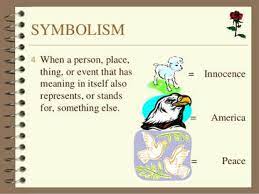
Symbol
An object, which stands for a quality or idea (For example a dove as a symbol for peace or a heart for love).
39
New cards
Consonance
The repetition of consonant sounds in consecutive words
40
New cards
Allusion
A reference to a person, event, or literary work outside the poem.
41
New cards
Contrast
A device used by a writer to emphasise the differences between two people, places, or things.
42
New cards