Lecture 18 - Plant Diversity and Systematics
 Call Kai
 Learn
 Practice Test
 Spaced Repetition
 Match
 Flashcards
 Knowt Play
1/31

There's no tags or description
Looks like no tags are added yet.
32 Terms
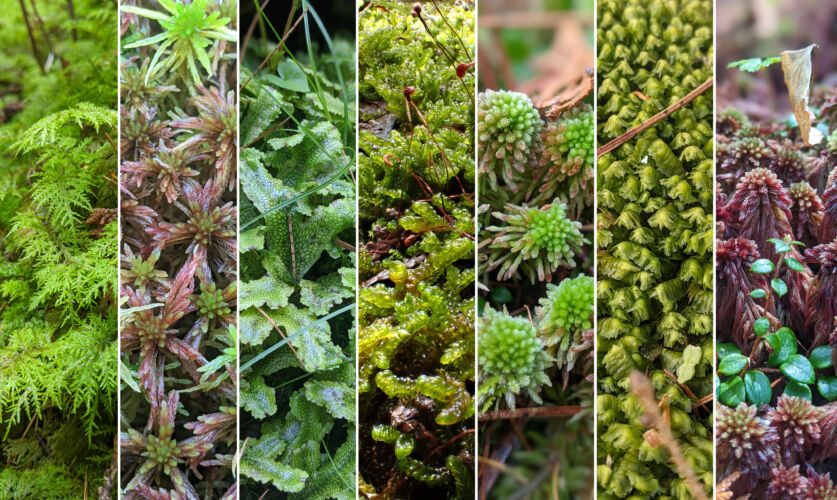
Bryophytes
Non-vascular, seedless land plants
Includes moss, liverwort
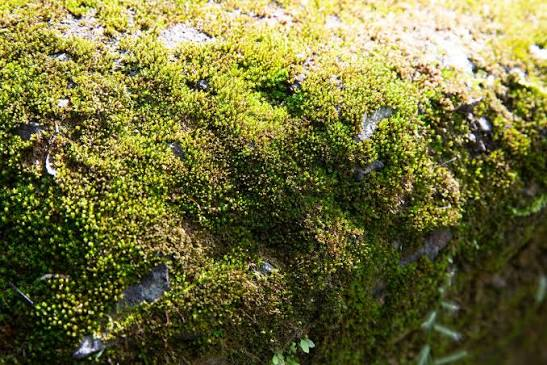

Seedless vascular plants
Club moss, horsetail, fern


Gymnosperms
Vascular plants that produce seeds
Cycads, ginkgo, pines

Carl Linnaeus
Swedish scientist/doctor/botanist
Father of Systematic Botany
Established modern taxonomy

Binomial nomenclature
Genus and species form of denoting organism type
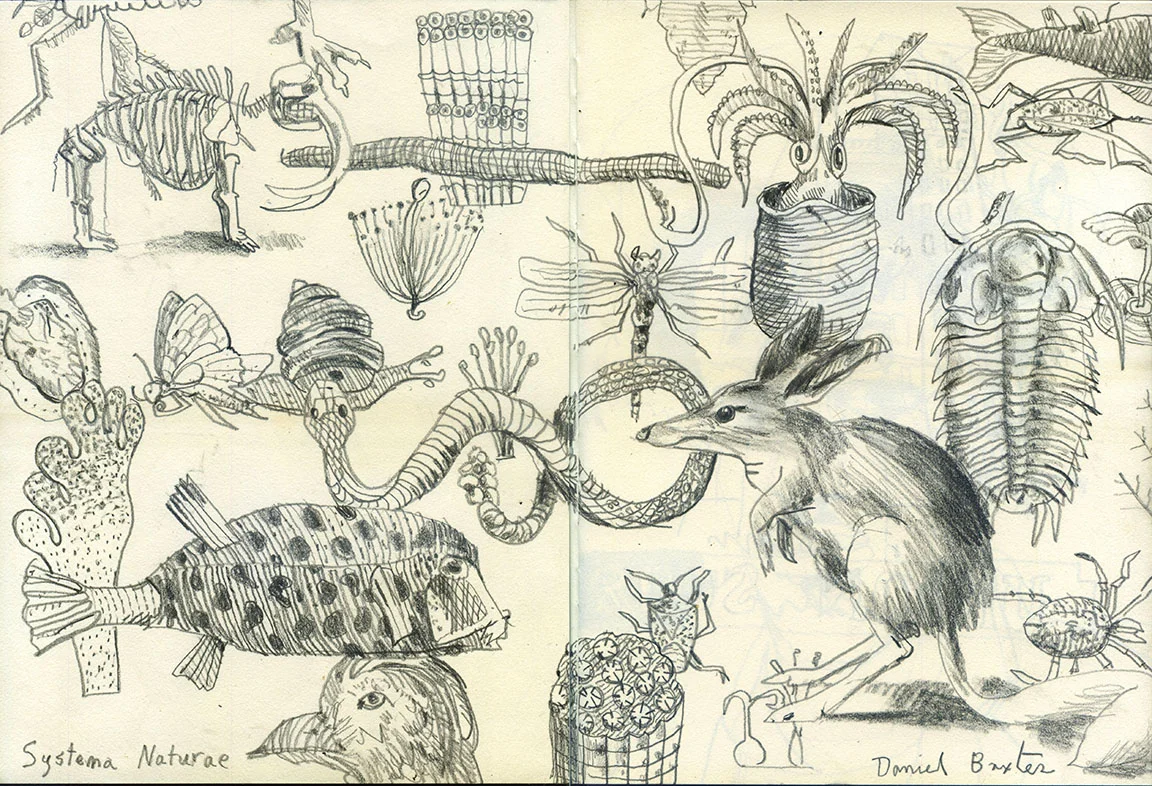
Systema Naturae
Book by Linnaeus establishing binomial nomenclature classifications, some names in use to this day
Genus format
Always italicized or underlined
Species format
Always italicized or underlined
Variety or cultivar format
Placed in ‘‘
e.g. ‘Mesilla’
Common name format
Changes with locale, variable
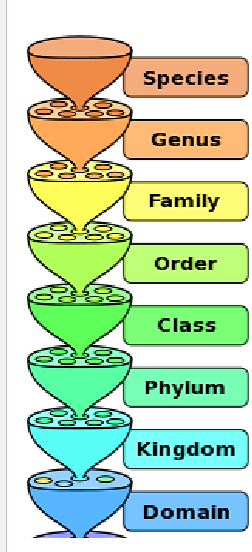
Taxonomic hierarchy
Domain
Kingdom
Phylum
Class
Order
Family
Genus
Species
Species
Set of individuals closely related by descent from a CA
Can reproduce with each other readily but not with members of other species
Cladogram
Chart of relationships based on shared characters
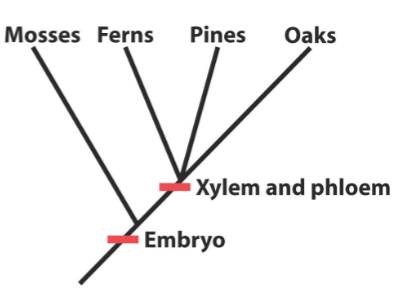
Phylogeny
Relationship between groups
How to improve a cladogram?
Add more characters

Examples of plant features that can be used as classifying characters
Life span (annual/perennial)
Appearance
Root system
Leaf and flower shape and taxis
Different structures used for classification
Trichomes
Pollen
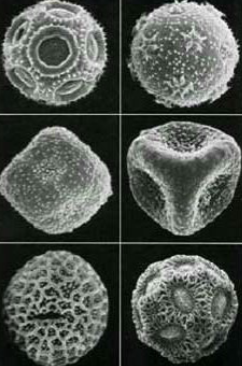
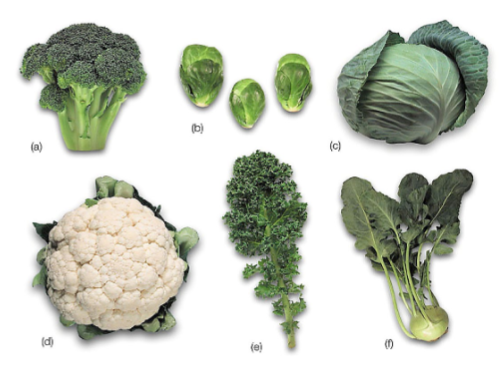
Are all of these the same species?
Yes
Broccoli
How to counter cryptic species?
Multiple character classification
Molecular tools to examine DNA
Nodes
Represent a taxonomic unit (species, populations, individuals)

Branches
Defines relationship between taxonomic units in terms of descent/ancestry

Branch length
Usually represents the # of changes that occurred within a branch
Rooted tree
Represents a CA
Unique path leads to node

What type of tree?
Rooted
What type of tree?
Unrooted
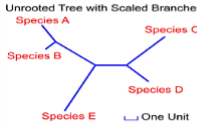
Unrooted tree
Only identifies relationships among species, no CA or path
Monophyletic grouping
Contains individuals that descend from a single shared ancestor
Polyphyletic grouping
Unrelated species that descend from more than one ancestor
What type of group are Angiosperms?
Polyphyletic
Molecular phylogenetics
Molecular “DNA” characteristics can be used to form their own trees
Best done in combo. w/ physical characters
Individual amino acid chains are used as?
Phylogenetic characters in molecular phylogenetics
