bonding unit
 Call Kai
 Learn
 Practice Test
 Spaced Repetition
 Match
 Flashcards
 Knowt Play
1/28

There's no tags or description
Looks like no tags are added yet.
29 Terms
what is a bond?
link between atoms that result from the sharing or transfer of electrons
each bond contains only 2 electrons
atoms can form single, double, or triple bonds
why do atoms bond?
fill empty valence orbitals
obtain an octet/ noble gas configuration
the bonding process releases energy, making atoms more stable
ionic bonds
bonds in which electrons are transferred from one atom to another
results from a metal bonding to a nonmetal
examples: NaF, FeO
covalent bonds
bond in which electrons are shared between two atoms
usually a metal bonded to a nonmetal
non polar covalent bond- electrons are shared equally, no dipole moment present in the compound
polar covalent bond- electrons are shared equally
dipole moment
the overall direction the electron density is shifted in an atom
not present in the compound of a covalent bond
diatomics
two identical atoms bonded together
example: Br I N Cl H O F
how to draw Lewis Dot Structure
determine the number of valence electrons in the compound
draw the central atom and single bond it to the other atoms
give everything an octet using lone pairs
double check the number of electrons drawn
if the number is too high, erase the extras and then double and triple bond
if the number is too low, place the additional electrons on the central atom
beware of the exceptions to the octet rule
exceptions to the octet rule (step 7)
hydrogen- exception because it only needs two to bond
p- across and down
bond length
the distance between two bonded atoms
this distance maximizes the attractive force between 2 atoms and minimizes repulsions
sigma bond
bond that forms along the internuclear axis between two atoms
pi bond
bond that forms above or below the internuclear axis
important reminders
as the number of bonds go up, bond length goes down to move overlapping orbitals, pulling atoms closer together
as the number of bonds between two atoms goes up, the bond strength goes up
more bonds = stronger attractive forces
bond strength
energy required to break a bond (endo-)
valence shell electron pair repulsion theory (VSEPRT)
lone pairs (non-bonding domains) will repel the electrons in the bonding domains
a molecule will arrange its domain in a 3d shape that minimizes these repelling forces
electron domain geometry
3D shape that takes into account the bonding and non-bonding domains
examples: liner, tetrahedral, trigonal planar, trigonal bi-pyramidal, octahedral
molecular geometry
3D shape of a molecule that relies on the bonding domains, no lone pairs

linear
linear
0 lone pairs: linear

trigonal planar
trigonal planar
o lone pairs: trigonal planar
1 lone pairs: bent

tetrahedral
tetrahedral
0 lone pairs: tetrahedral
1 lone pair: trigonal pyramidal
2 lone pairs: bent
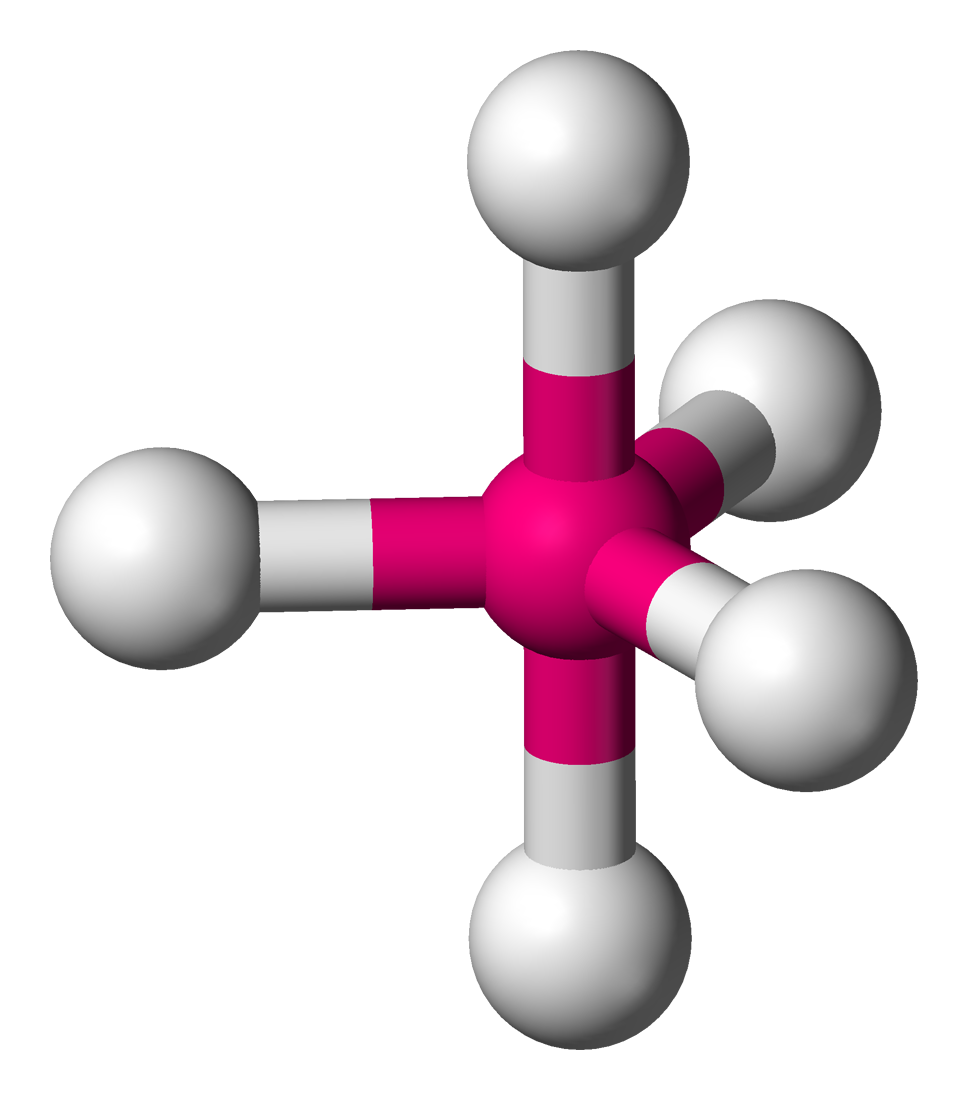
trigonal bi-pyramidal
trigonal bi-pyramidal
0 lone pairs: trigonal bi-pyramidal
1 lone pair: seesaw
2 lone pairs: t-shaped
3 lone pairs: linear
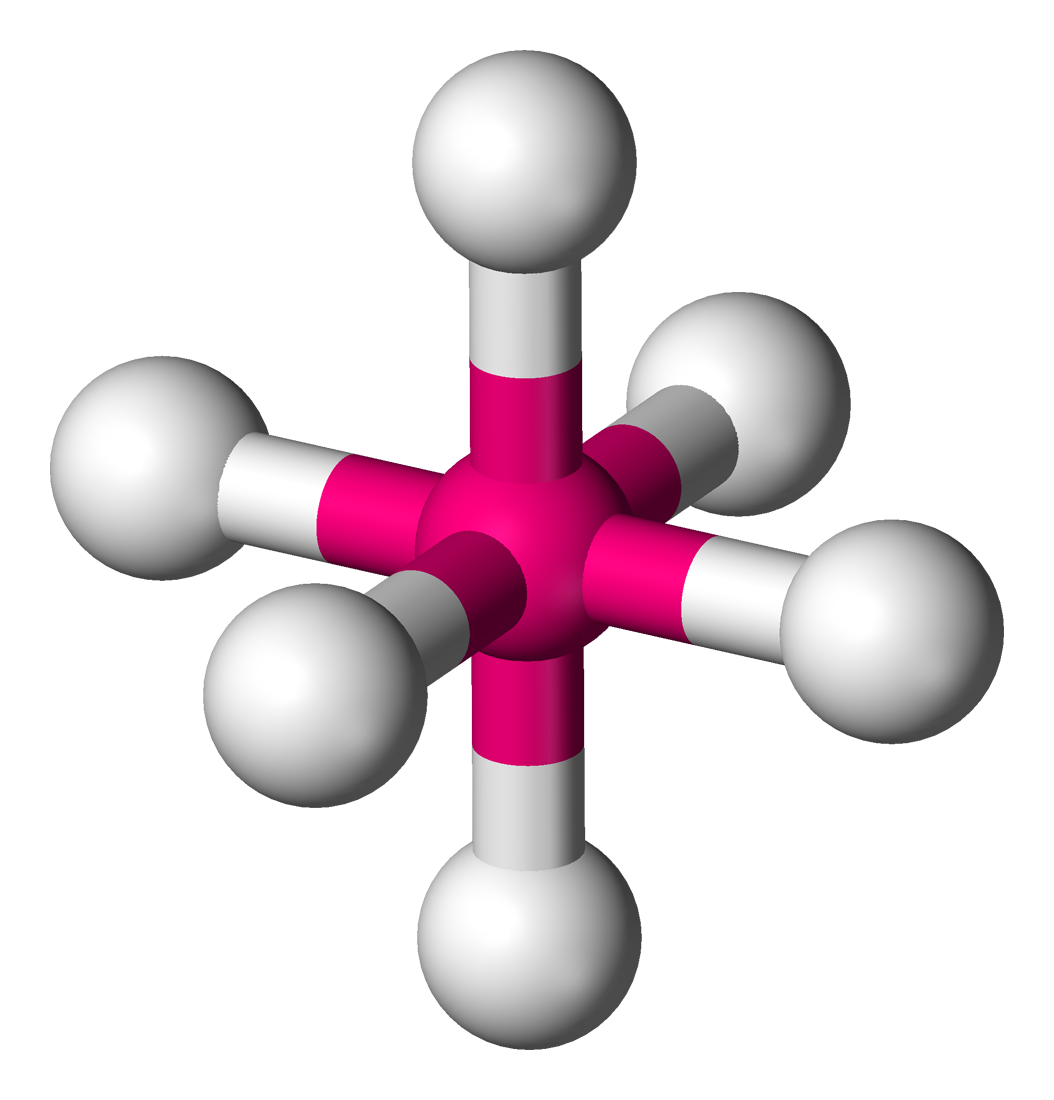
octahedral
octahedral
0 lone pairs: octahedral
1 lone pair: square pyramidal
2 lone pairs: square planar

bent
result of tetrahedral, trigonal planar, and linear
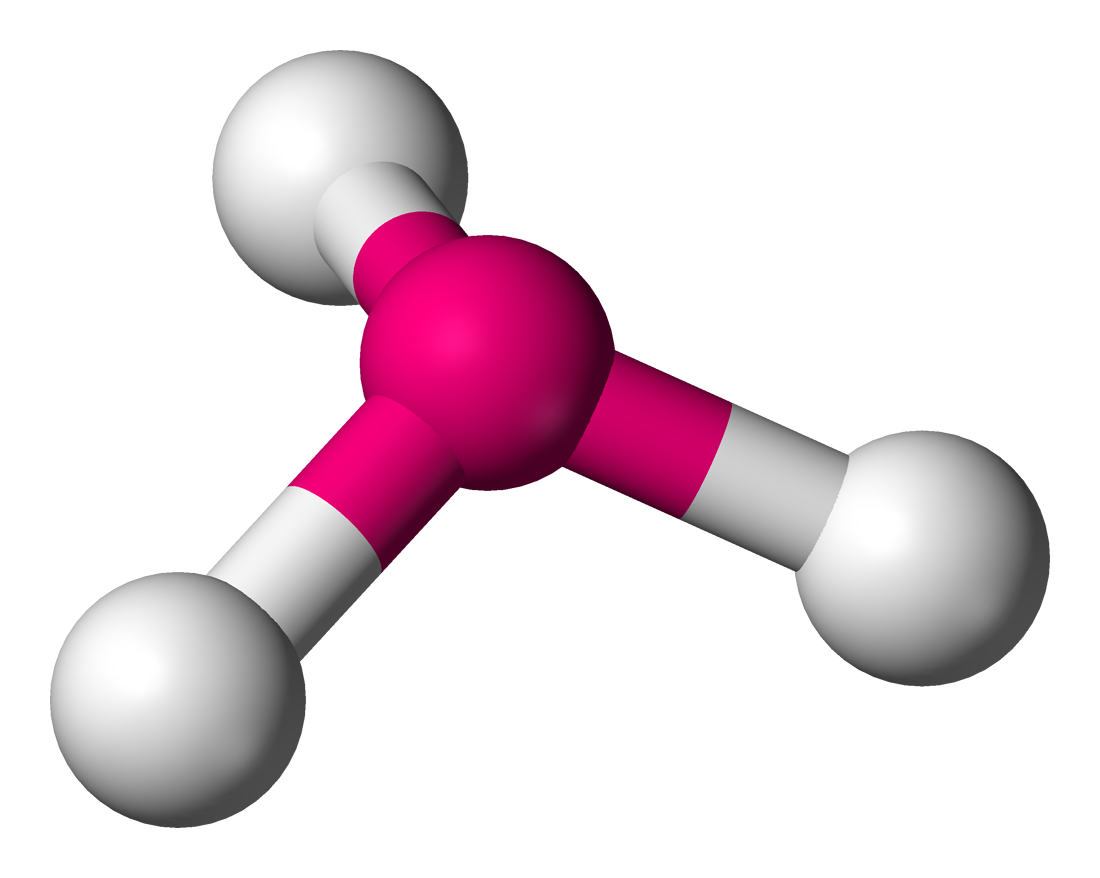
trigonal pyramidal
result of tetrahedral
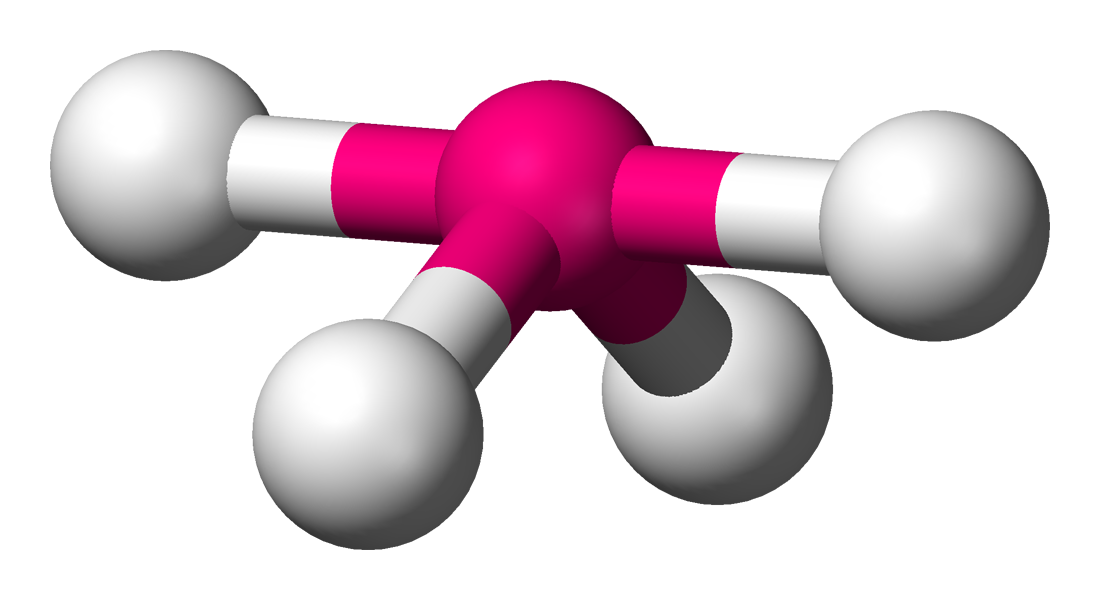
seesaw
result of trigonal bi-pyramidal
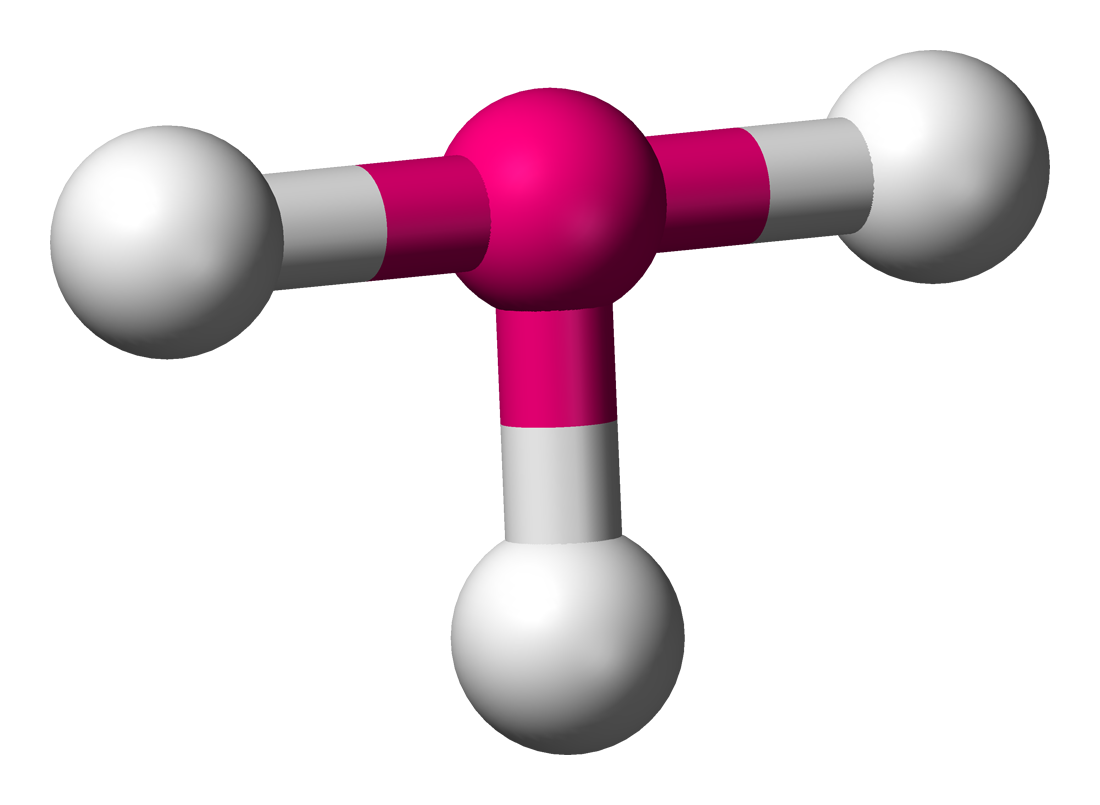
t-shaped
result of trigonal bi-pyramidal

square pyramidal
result of octahedral
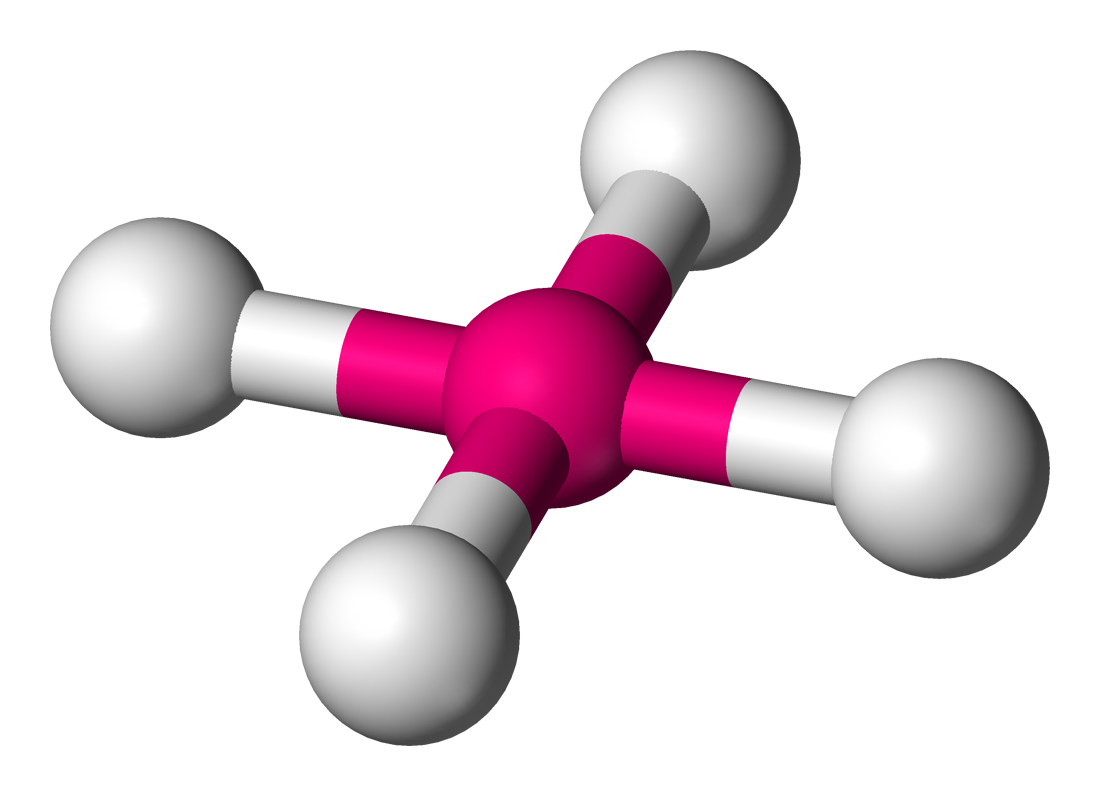
square planar
result of octahedral
axial atoms
atoms on the top and bottom of the compound
equatorial
atoms on the sides of the compound