bis2c lab practical

0.0(0)
Studied by 0 people
call kaiCall Kai
learnLearn
examPractice Test
spaced repetitionSpaced Repetition
heart puzzleMatch
flashcardsFlashcards
GameKnowt Play
Card Sorting

1/40

encourage image

There's no tags or description

Looks like no tags are added yet.

41 Terms

1
New cards

Bryophyte (moss)

No vascular tissue, dominant gametophyte, spores
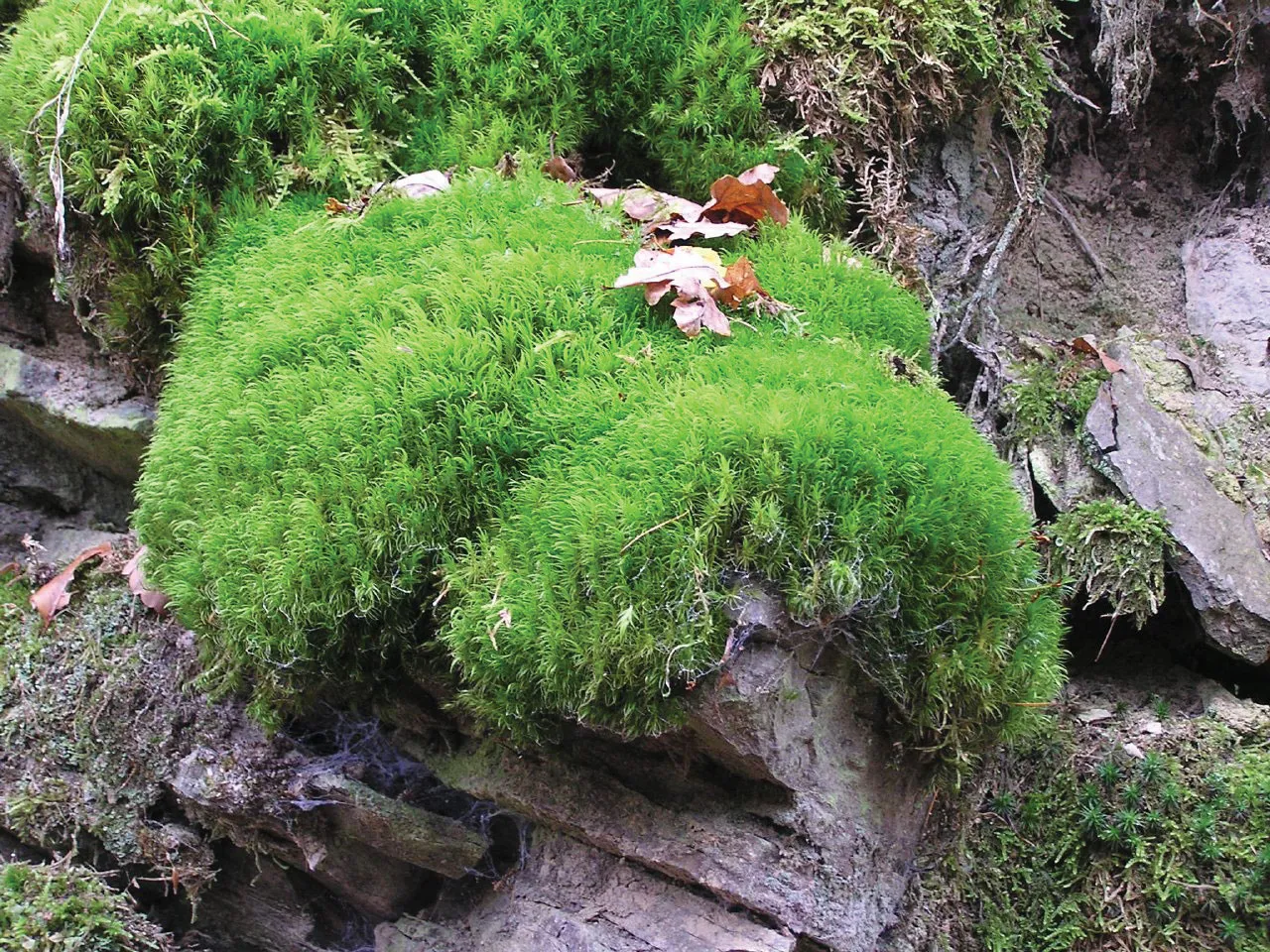
<p>No vascular tissue, dominant gametophyte, spores</p>
2
New cards

Fern

Vascular, spores, sori, swimming sperm, no seeds

<p>Vascular, spores, sori, swimming sperm, no seeds</p>
3
New cards

Gymnosperm

Seeds, pollen, cones, heterospory

<p>Seeds, pollen, cones, heterospory</p>
4
New cards

Angiosperm

Flowers, fruits, seeds, heterospory

<p>Flowers, fruits, seeds, heterospory</p>
5
New cards

Monocot

Parallel veins, 1 cotyledon

<p>Parallel veins, 1 cotyledon</p>
6
New cards

Eudicot

Net veins, 2 cotyledons

<p>Net veins, 2 cotyledons</p>
7
New cards

Porifera

Spicules, choanocytes, asymmetrical

<p>Spicules, choanocytes, asymmetrical</p>
8
New cards

Cnidaria

Cnidocytes, radial symmetry, incomplete gut

<p>Cnidocytes, radial symmetry, incomplete gut</p>
9
New cards

Mollusca

Mantle, foot, radula

<p>Mantle, foot, radula</p>
10
New cards

Annelida

Segmentation, setae

<p>Segmentation, setae</p>
11
New cards

Arthropoda

Ecdysis, exoskeleton, segmentation

<p>Ecdysis, exoskeleton, segmentation</p>
12
New cards

Echinodermata

Water vascular system, tube feet, deuterostome
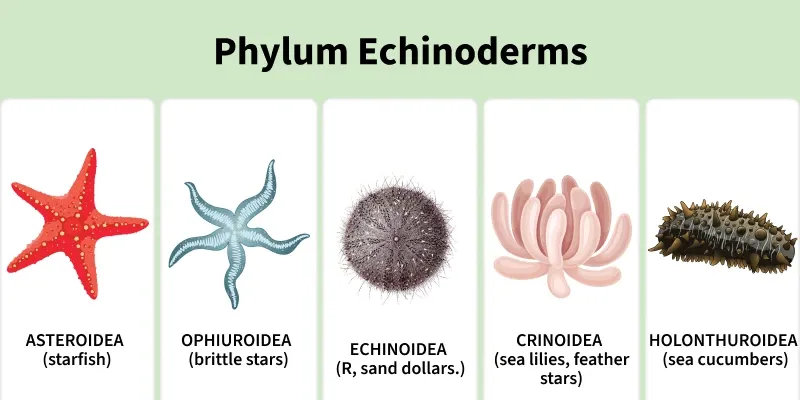
<p>Water vascular system, tube feet, deuterostome</p>
13
New cards

Chordata

Notochord, dorsal hollow nerve cord

<p>Notochord, dorsal hollow nerve cord</p>
14
New cards

Homospory


One spore type


15
New cards

Heterospory

Microspores + megaspores

16
New cards

Seed plants

heterosporous

17
New cards

Selaginella

heterosporous

18
New cards

Most ferns

homosporous

19
New cards

White + strong scent + night flower trait

pollinator are Moths

20
New cards

Red tubular flower trait

Hummingbirds

21
New cards

Sweet smell + landing platform pollinator trait

Bees

22
New cards

fruit type: simple

ex peach

23
New cards

fruit type aggregate

ex strawberry

24
New cards

fruit type multiple

ex pineapple

25
New cards

Total magnification

ocular × objective

26
New cards

10× ocular × 40× objective

400×

27
New cards
<p>Which of the following characteristics are associated with the plant depicted above? (check all that apply)</p><p>&nbsp;</p><p>Vascular tissue</p><p>&nbsp;</p><p>Sporophyte dependent on gametophyte</p><p>&nbsp;</p><p>Sporophyte not dependent on gametophyte</p><p>&nbsp;</p><p>Production of gametes by meiosis</p><p>&nbsp;</p><p>Seeds</p><p>&nbsp;</p><p>Flowers</p><p>&nbsp;</p><p>Secondary growth</p><p>&nbsp;</p><p>Homospory</p><p>&nbsp;</p><p>Heterospory</p><p>&nbsp;</p><p>Spores are dispersal stage</p><p>&nbsp;</p><p>Chloroplast DNA inversion</p>

Which of the following characteristics are associated with the plant depicted above? (check all that apply)


Vascular tissue


Sporophyte dependent on gametophyte


Sporophyte not dependent on gametophyte


Production of gametes by meiosis


Seeds


Flowers


Secondary growth


Homospory


Heterospory


Spores are dispersal stage


Chloroplast DNA inversion


Vascular tissue,  

Sporophyte not dependent on gametophyte,  

Spores are dispersal stage

28
New cards
<p>Which of the following characteristics are associated with the plant depicted above? (check all that apply)</p><p>&nbsp;</p><p>Xylem</p><p>&nbsp;</p><p>Sporophyte dependent on gametophyte</p><p>&nbsp;</p><p>Sporophyte not dependent on gametophyte</p><p>&nbsp;</p><p>Production of spores by meiosis</p><p>&nbsp;</p><p>Pollen</p><p>&nbsp;</p><p>Fruit</p><p>&nbsp;</p><p>Bifacial vascular cambium</p><p>&nbsp;</p><p>Homospory</p><p>&nbsp;</p><p>Heterospory</p><p>&nbsp;</p><p>Swimming sperm</p><p>&nbsp;</p><p>Chloroplast DNA inversion</p>

Which of the following characteristics are associated with the plant depicted above? (check all that apply)


Xylem


Sporophyte dependent on gametophyte


Sporophyte not dependent on gametophyte


Production of spores by meiosis


Pollen


Fruit


Bifacial vascular cambium


Homospory


Heterospory


Swimming sperm


Chloroplast DNA inversion

Xylem,  

Sporophyte not dependent on gametophyte, Homospory,  

Swimming sperm

29
New cards
<p>Which of the following characteristics are associated with the plant depicted above? (check all that apply)</p><p>&nbsp;</p><p>&nbsp;</p><p>Phloem</p><p>&nbsp;</p><p>Dominant sporophyte</p><p>&nbsp;</p><p>Dominant gametophyte</p><p>&nbsp;</p><p>Production of gametes by mitosis</p><p>&nbsp;</p><p>Seeds</p><p>&nbsp;</p><p>Fruit</p><p>&nbsp;</p><p>Secondary growth</p><p>&nbsp;</p><p>Homospory</p><p>&nbsp;</p><p>Heterospory</p><p>&nbsp;</p><p>Swimming sperm</p><p>&nbsp;</p><p>Chloroplast DNA inversion</p>

Which of the following characteristics are associated with the plant depicted above? (check all that apply)


Phloem


Dominant sporophyte


Dominant gametophyte


Production of gametes by mitosis


Seeds


Fruit


Secondary growth


Homospory


Heterospory


Swimming sperm


Chloroplast DNA inversion

phloem, dominant sporophyte, production of gametes by mitosis, seeds, fruit, hereospory

30
New cards
<p>Consider the monophyletic group defined by the MRCA of the two plants shown above. Which of the following are <span><strong><u>synapomorphies</u></strong></span> of this group? (check all that apply)&nbsp;</p><p><em>Hint: you saw plant D in lab 1.</em></p><p>&nbsp;</p><p>Vascular tissue</p><p>&nbsp;</p><p>Flowers</p><p>&nbsp;</p><p>Seeds</p><p>&nbsp;</p><p>Stomata</p><p>&nbsp;</p><p>Pollen</p><p>&nbsp;</p><p>Waxy cuticle</p><p>&nbsp;</p><p>Multicellular sporophyte</p><p>&nbsp;</p><p>Fruit</p>

Consider the monophyletic group defined by the MRCA of the two plants shown above. Which of the following are synapomorphies of this group? (check all that apply) 

Hint: you saw plant D in lab 1.


Vascular tissue


Flowers


Seeds


Stomata


Pollen


Waxy cuticle


Multicellular sporophyte


Fruit

seeds and pollen
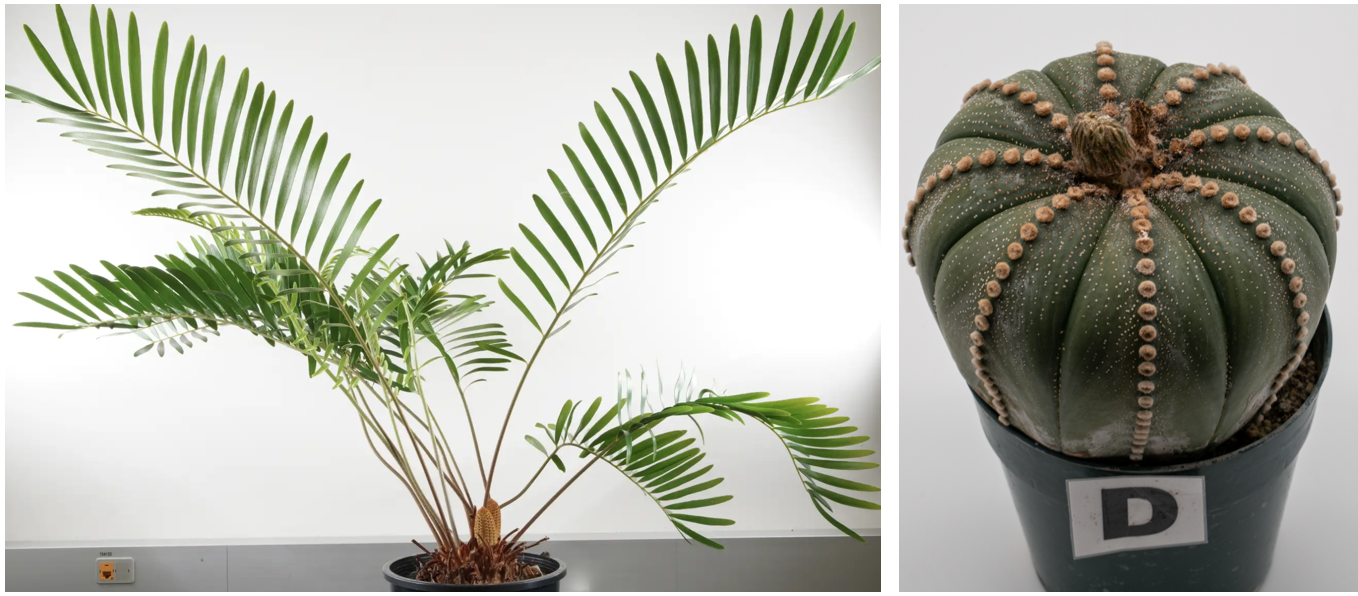
31
New cards
<p>Consider the monophyletic group defined by the MRCA of the two plants shown above. Which of the following are found in <span><strong><u>all</u></strong></span> members of this group, but are <span><strong><u>NOT</u></strong></span> synapomorphies of that group? (check all that apply)&nbsp;</p><p><em>Hint: you saw plant D in lab 1.</em></p><p>&nbsp;</p><p>&nbsp;</p><p>Vascular tissue</p><p>&nbsp;</p><p>Flowers</p><p>&nbsp;</p><p>Seeds</p><p>&nbsp;</p><p>Stomata</p><p>&nbsp;</p><p>Pollen</p><p>&nbsp;</p><p>Waxy cuticle</p><p>&nbsp;</p><p>Multicellular sporophyte</p><p>&nbsp;</p><p>Fruit</p>

Consider the monophyletic group defined by the MRCA of the two plants shown above. Which of the following are found in all members of this group, but are NOT synapomorphies of that group? (check all that apply) 

Hint: you saw plant D in lab 1.


Vascular tissue


Flowers


Seeds


Stomata


Pollen


Waxy cuticle


Multicellular sporophyte


Fruit

vascular tissue, stomata, waxy cuticle, multicellular sporophyte

32
New cards
<p>Which of the following apply to the modifications that have evolved in this plant? (check all that apply)</p><p>&nbsp;</p><p>The stem has been modified to perform photosynthesis</p><p>&nbsp;</p><p>The leaves have been modified to absorb water</p><p>&nbsp;</p><p>The leaves have been lost to reduce water loss</p><p>&nbsp;</p><p>The stem has been modified to store water</p>

Which of the following apply to the modifications that have evolved in this plant? (check all that apply)


The stem has been modified to perform photosynthesis


The leaves have been modified to absorb water


The leaves have been lost to reduce water loss


The stem has been modified to store water


The stem has been modified to perform photosynthesis and  

The leaves have been lost to reduce water loss

33
New cards
<p>Which of the following characters are associated with the animal shown above? (check all that apply)</p><p>&nbsp;</p><p>Complete gut</p><p>&nbsp;</p><p>Cnidocytes</p><p>&nbsp;</p><p>Spicules</p><p>&nbsp;</p><p>Triploblastic</p><p>&nbsp;</p><p>2-way gut</p><p>&nbsp;</p><p>Cephalization</p><p>&nbsp;</p><p>Ecdysis</p><p>&nbsp;</p><p>Mantle</p><p>&nbsp;</p><p>Bilateral symmetry</p>

Which of the following characters are associated with the animal shown above? (check all that apply)


Complete gut


Cnidocytes


Spicules


Triploblastic


2-way gut


Cephalization


Ecdysis


Mantle


Bilateral symmetry

cnidocytes and 2 way gut

34
New cards
<p>Which of the following characters are associated with the animal shown above? (check all that apply)</p><p>&nbsp;</p><p>Incomplete gut</p><p>&nbsp;</p><p>Cnidocytes</p><p>&nbsp;</p><p>Spicules</p><p>&nbsp;</p><p>Triploblastic</p><p>&nbsp;</p><p>1-way gut</p><p>&nbsp;</p><p>Trocophore larva</p><p>&nbsp;</p><p>Ecdysis</p><p>&nbsp;</p><p>Mantle</p><p>&nbsp;</p><p>Bilateral symmetry</p>

Which of the following characters are associated with the animal shown above? (check all that apply)


Incomplete gut


Cnidocytes


Spicules


Triploblastic


1-way gut


Trocophore larva


Ecdysis


Mantle


Bilateral symmetry

triploblastic, 1 way gut, ecdysis, bilateral symmetry

35
New cards

Which of the above animals is most closely related to animal A?


B


C


D


B, C, and D are equally related to A.

B

36
New cards

In which of the animals shown above does the blastopore develop in the anus?


A


B


C


D


None of the above

A

37
New cards

Which of the organisms shown above is most closely related to humans?


A


B


C


D

D

38
New cards

organism a has a radula, paired setae, or water vascular system

radula

39
New cards

organism b has a radula, paired setae, or water vascular system

paired setae

40
New cards

organism c has a radula, paired setae, or water vascular system

water vascular system

41
New cards

organism d has a radula, paired setae, or water vascular system

water vascular system



