AP Biology Macromolecule Test
 Call Kai
 Learn
 Practice Test
 Spaced Repetition
 Match
 Flashcards
 Knowt Play
1/65

There's no tags or description
Looks like no tags are added yet.
66 Terms
What makes a particle hydrophilic?
if it has full or partial charges, if it can form hydrogen bonds, if it dissolves in water


Hydrophilic functional groups
-OH (Hydrogen ion) -COOH (Carboxyl group) -NH2 (Amino group) -PO4³- (phosphate ion)

What makes a molecule hydrophobic?
Even distribution of electrical charge, no hydrogen bonding, separate from water
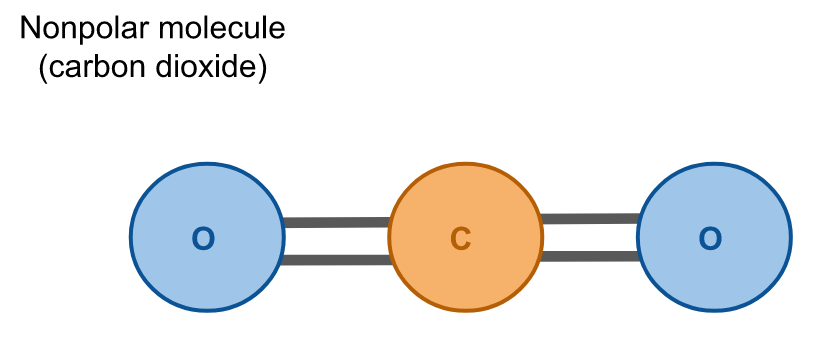

Polar meaning
uneven distribution of electron density


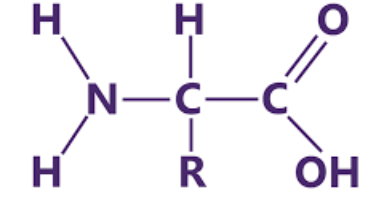
Protein elements:
CHON(S)

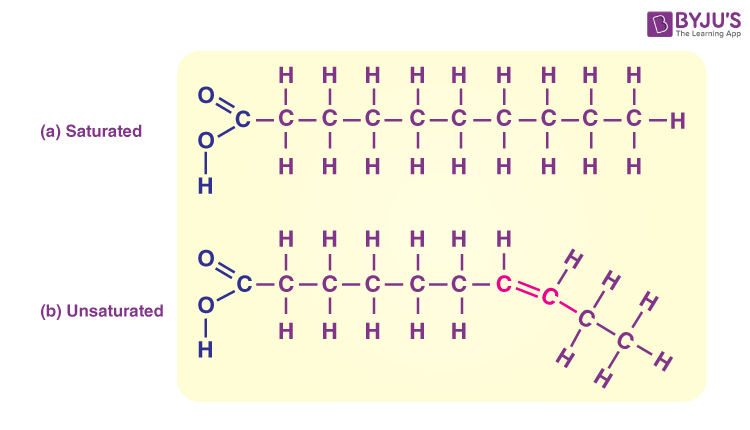
lipid elements:
CHO (mostly carbon and hydrogen)

Carb elements:
CHO (1:2:1)

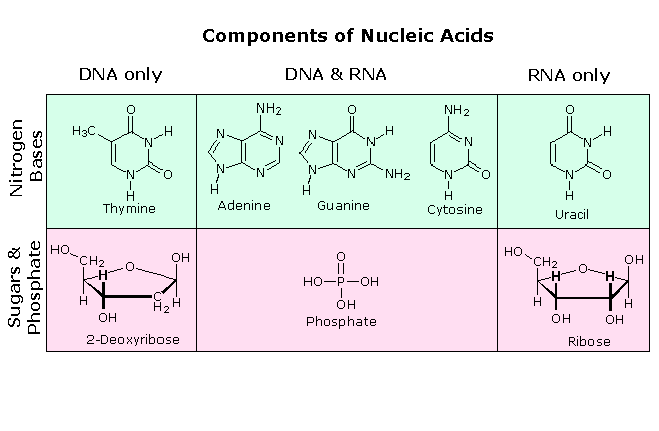
Nucleic/amino acid elements:
CHONP
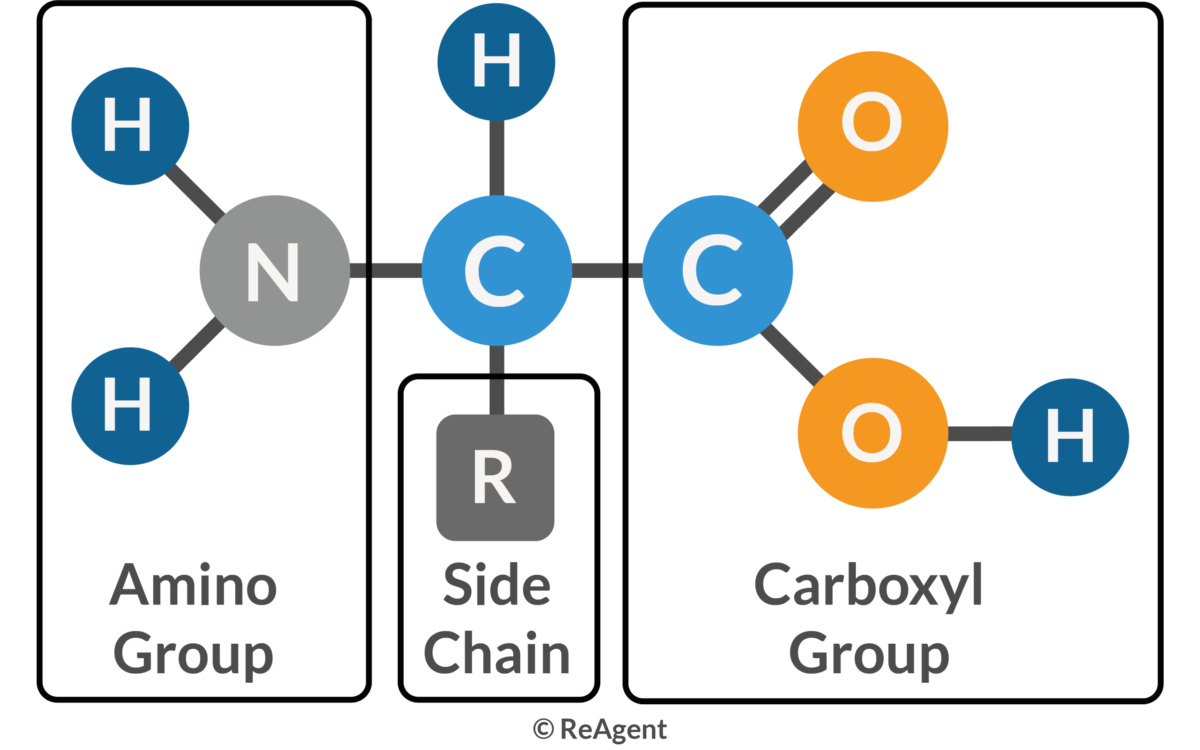
3 structural groups of an amino acid:
Amine group, R chain, carboxl group
Amine chain elements:
H2N

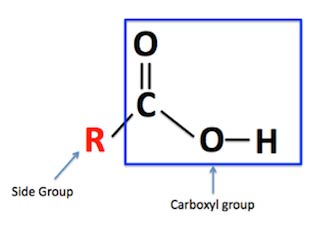
Carboxyl group elements
COOH
Peptide bond structure:
N-C-C-N-C-C

Saturated fat characteristics
Solid, straight

Unsaturated fat characteristics
Liquid, bent


Primary level of protein structure:
Amino acid sequence


Secondary structure of protein structure:
Folded a-helices and beta-pleated sheets

What causes secondary structure in proteins?
Hydrogen bonding between the N-C-C backbone of amino acids

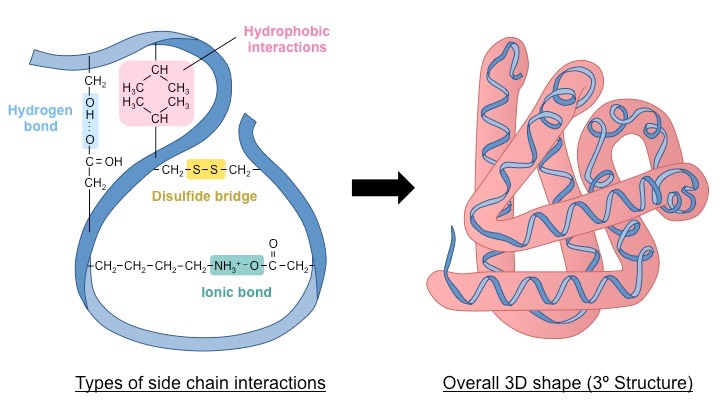
Tertiary structure of protein structure:
3D structure from R group interactions
Quaternary structure of protein structure:
Multiple peptide chains interacting


Carb monomer
monosaccharide (simple sugars)


Identifying carb structures
ring/linear carbon structures with (-OH) groups attached


Lipid monomer
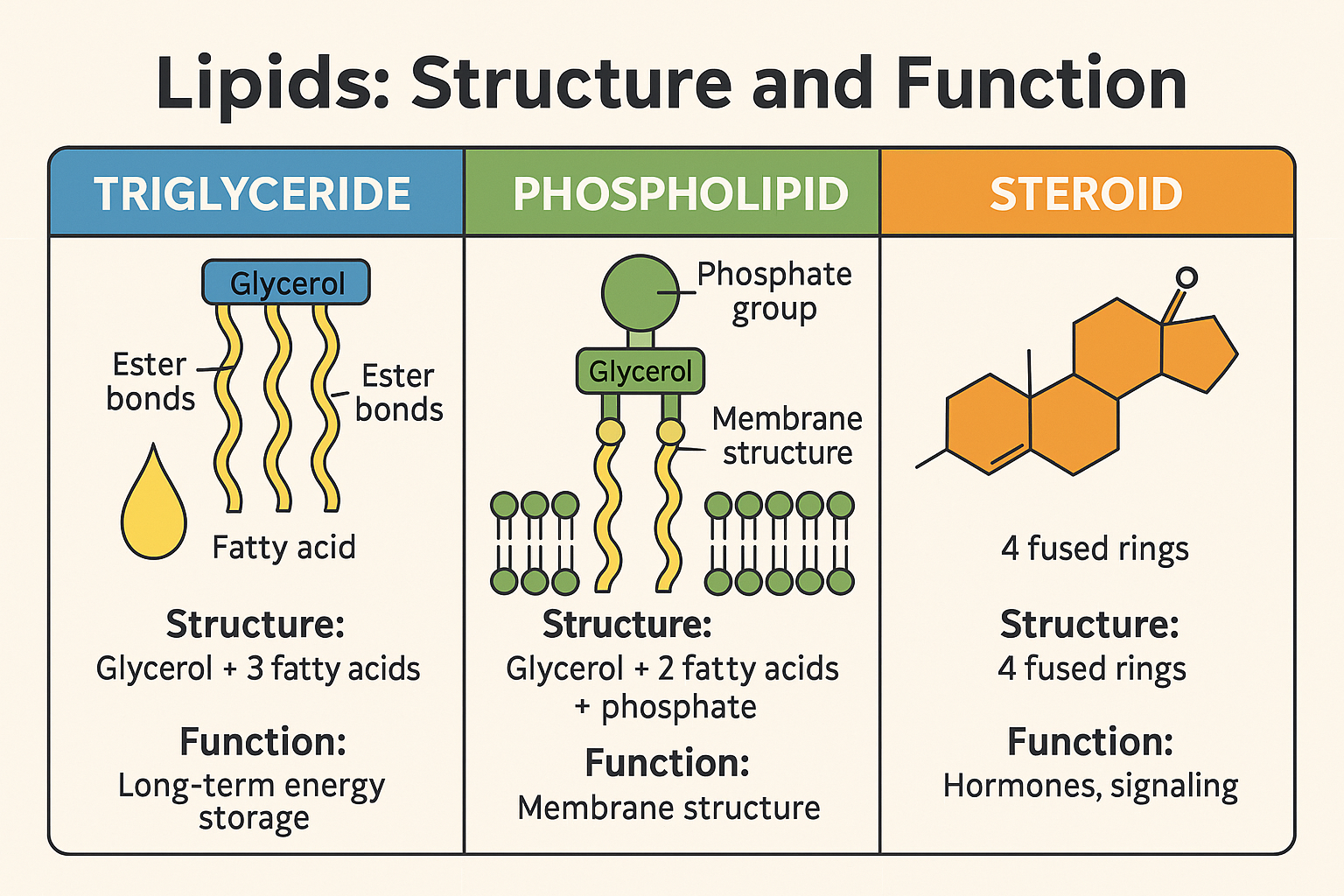
Not true polymers, but many are built from fatty acids

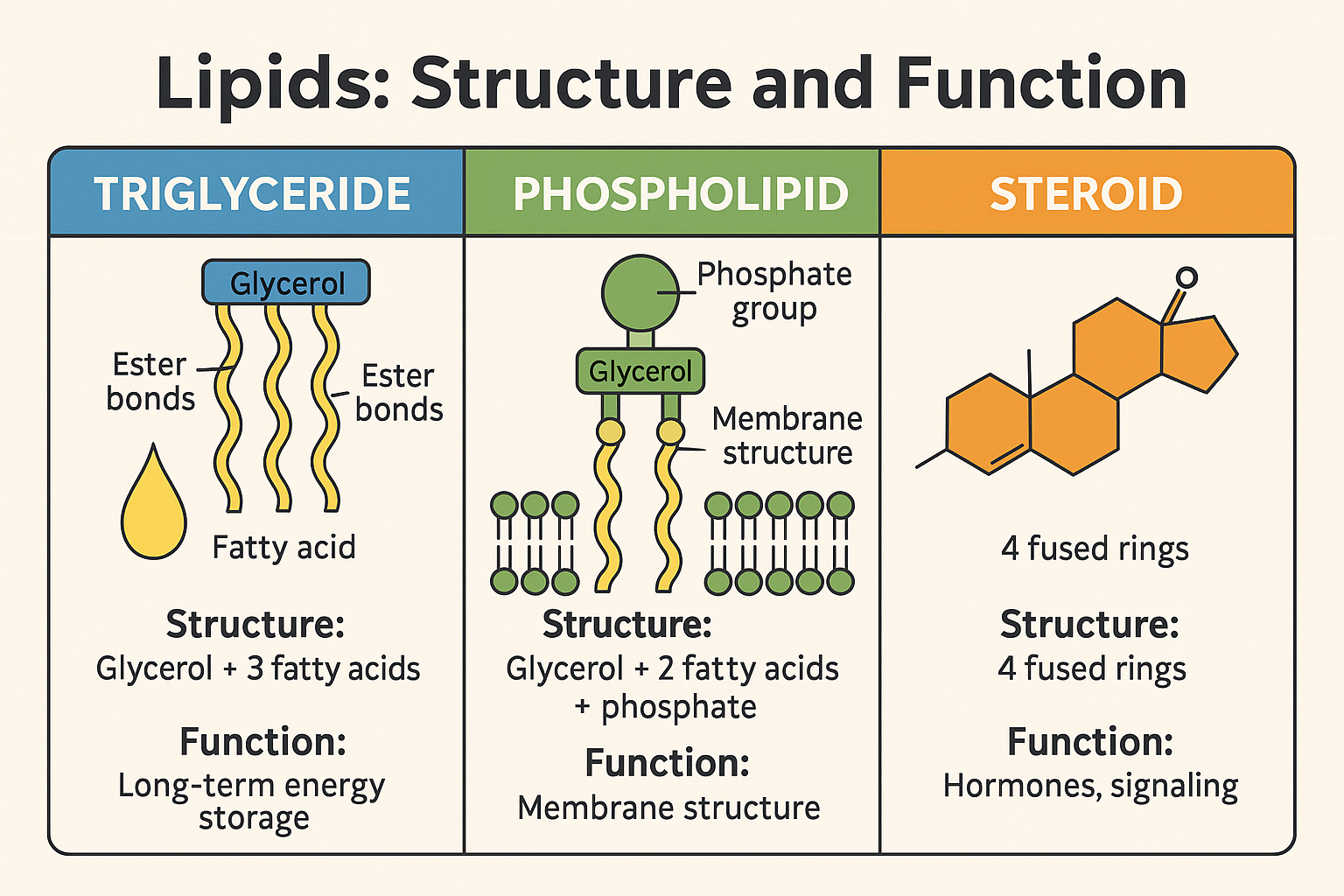
lipid structures to look for
Triglycerides(fats), phospholipids, steroids
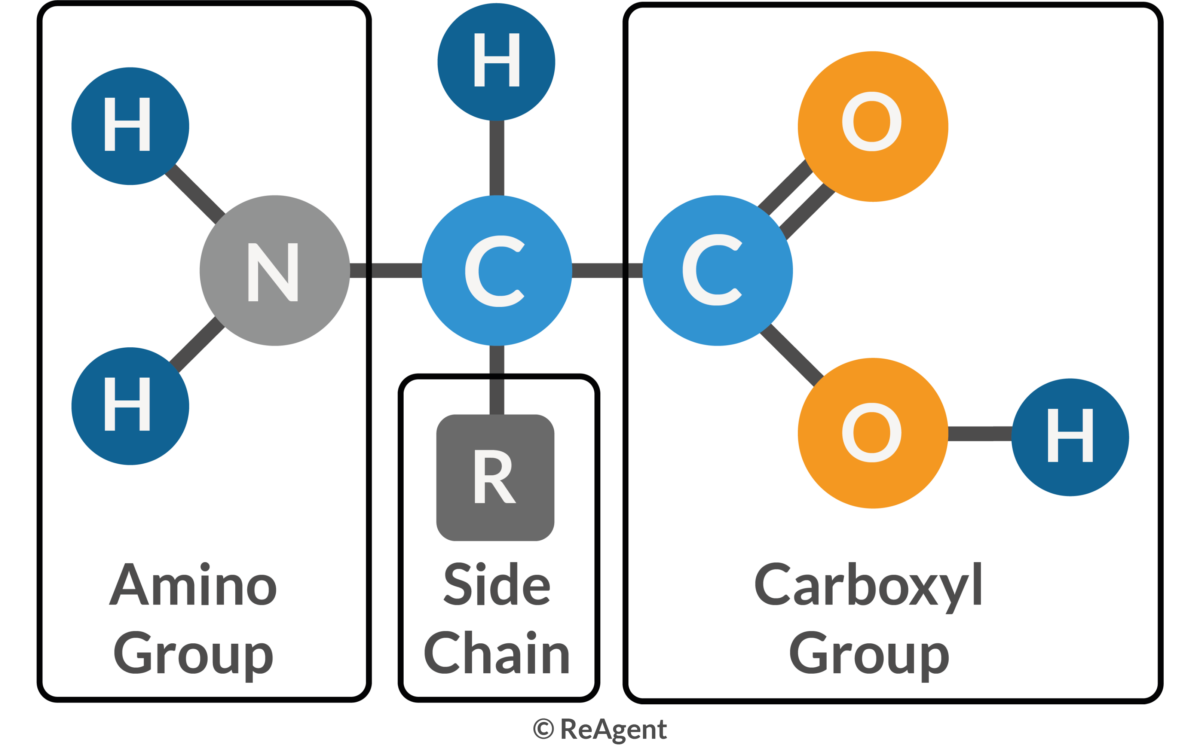
Protein monomer:
amino acids

protein structures to look for
amino group(-NH2), Carboxyl group(-COOH), R group, hydrogen atom


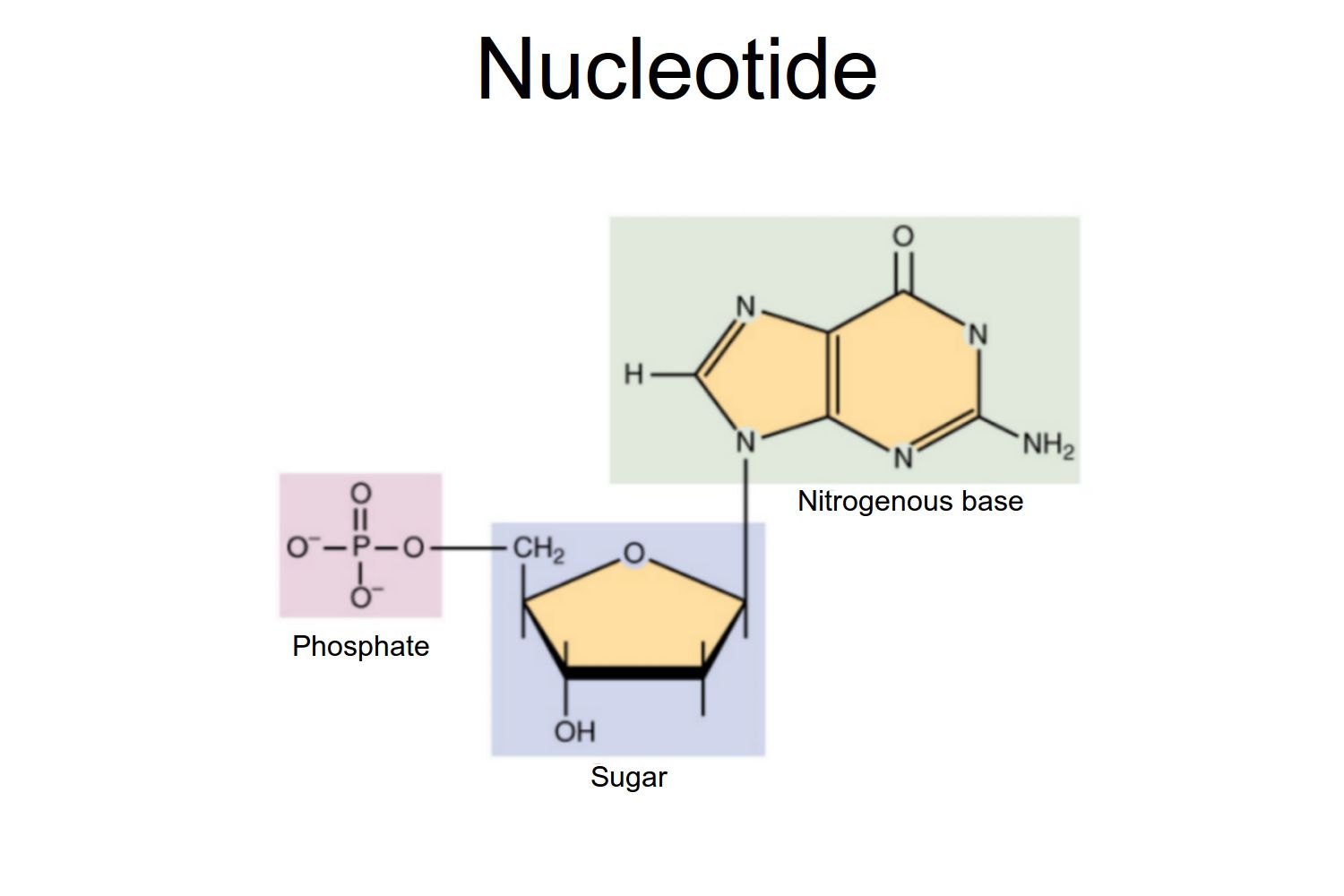
Nucleic acid monomer:
nucleotides

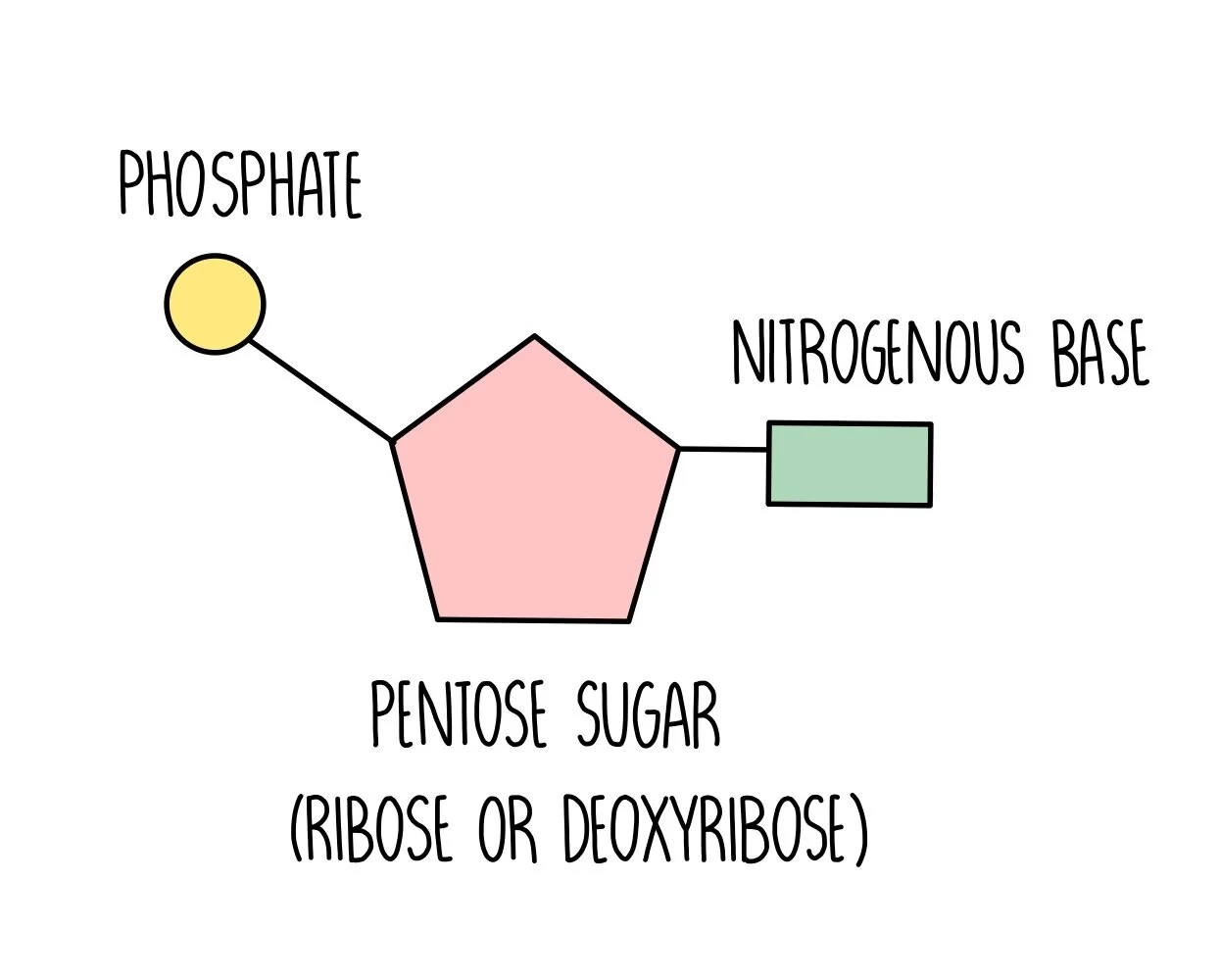
nucleic acid structures to look for
phosphate group, 5-carbon pentose sugar, nitrogenous base


what do monosaccharides (carb monomers) look like
flat-sided ring or a straight chain of carbon atoms
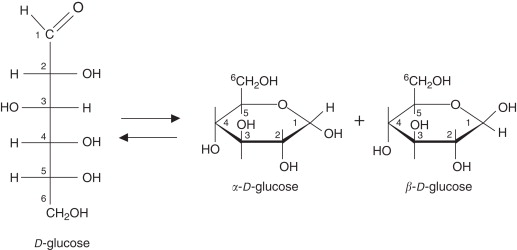

what do fatty acids look like
long chains of carbon and hydrogen atoms attached to a carboxyl group (-COOH)


what do phospholipids look like
A pin with a round head and two long tails

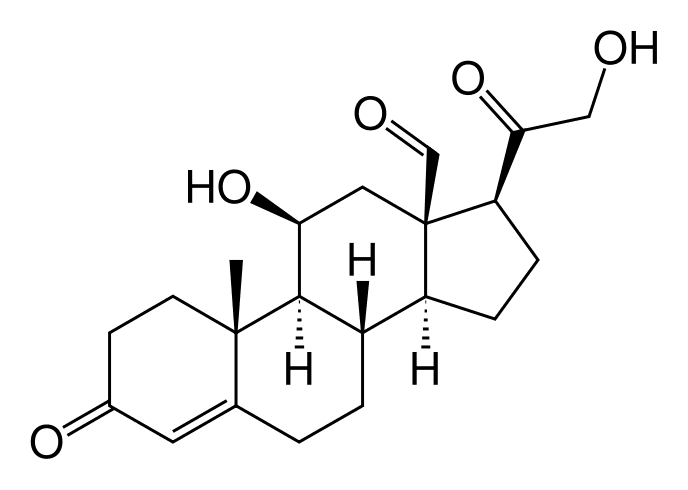
What do steroids look like
Made of 17 carbon atoms arranged in 4 fused rings

what do phosphate groups look like
a central phosphorus atom bonded to four oxygen atoms in a 3D pyramid shape


what do nitrogenous bases look like
flat and ring-shaped carbon and nitrogen


what do pentose sugars look like
open-chain (linear) structure or a closed-ring (cyclic)


What does a nucleotide (nucleic acid monomer) look like?
A 3 part molecular unit with a central sugar anchored to a side group and a tail


What does a monosaccharide (carb monomer) look like?
a flat-sided ring or a straight chain of carbon atoms

Carbohydrate functions
Primary energy source, short term energy, structure

Lipid functions
long term energy storage, waterproofing, membrane structure, steroids

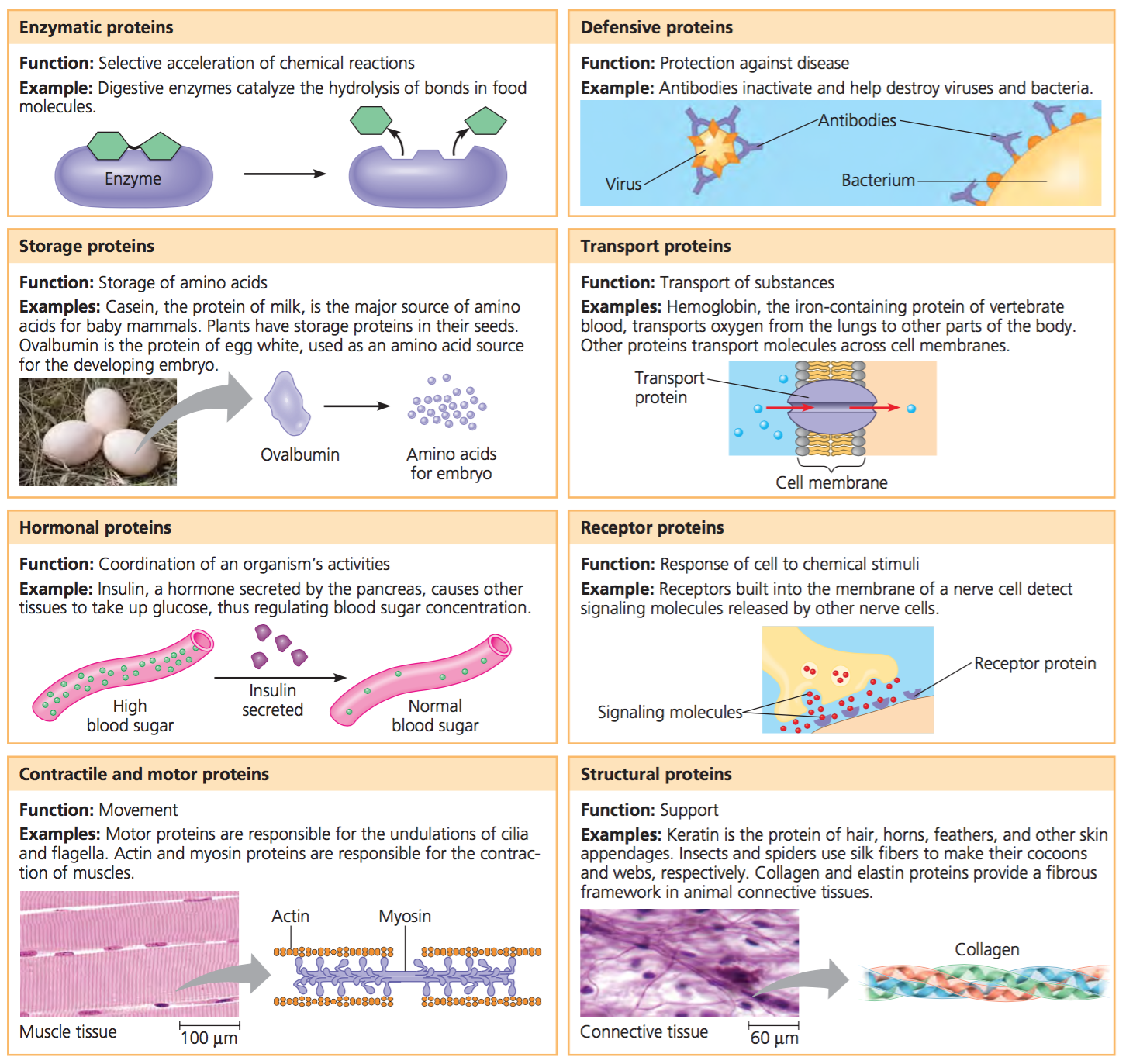
Protein functions
Structural support, transport, movement, defense, catalysts, signal transduction
nucleic acid functions
storage of genetic info (DNA), gene expression (RNA), energy currency for reactions (ATP)


Covalent bond
chemical link where 2 atoms share pairs of electrons so their outer shells become stable

hydrogen bonds
A type of non-covalent attraction that forms when a positive bonded hydrogen atom is attached to another electronegative atom with a pair of electrons
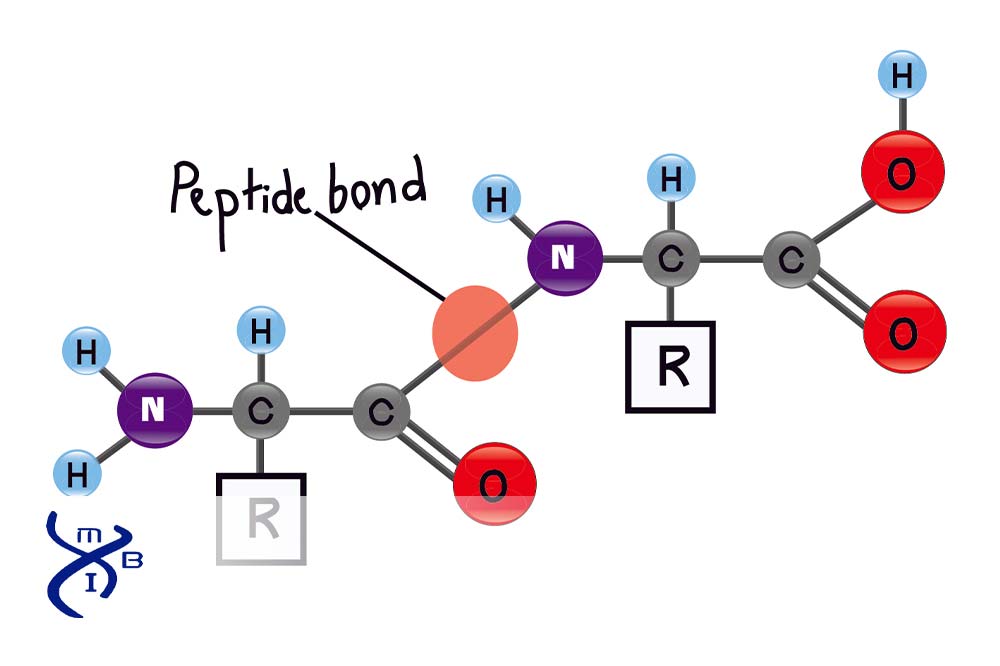
Peptide bond (the protein chain)
A type of covalent bond (amide bond) that joins 1 amino acid to the next

Non-covalent bond
Type of bond that relies on dispersed electromagnetic interactions based on full or partial electrical charges rather than involving sharing electron pairs
Denaturation
When a protein loses its shape from bonds breaking due to heat or pH changes
Phosphodiester bond
the covalent bond that links nucleotides, between a phosphate and a pentose
Glycosidic linkage
A covalent bond formed between two monosaccharides by a dehydration reaction
Ester linkage
The linkage formed between the glycerol molecule and the fatty acids through dehydration synthesis.
Dehydration reaction
Chemical reaction where 2 molecules become covalently bonded to each other with the removal of a water molecule
Hydrolysis
Chemical reaction where the bond between 2 monomers is broken and water is released
Ion
Atom that is charged from the gain (negative charge) or loss (positive charge) of electrons
Organic molecule
any molecule with CH
Phospholipid
Type of lipid made of a phosphate, glycerol, and two fatty acid tails
Phospholipid heads are ___ and the tails are___
polar, nonpolar

Enzyme
biological catalyst that’s usually a protein

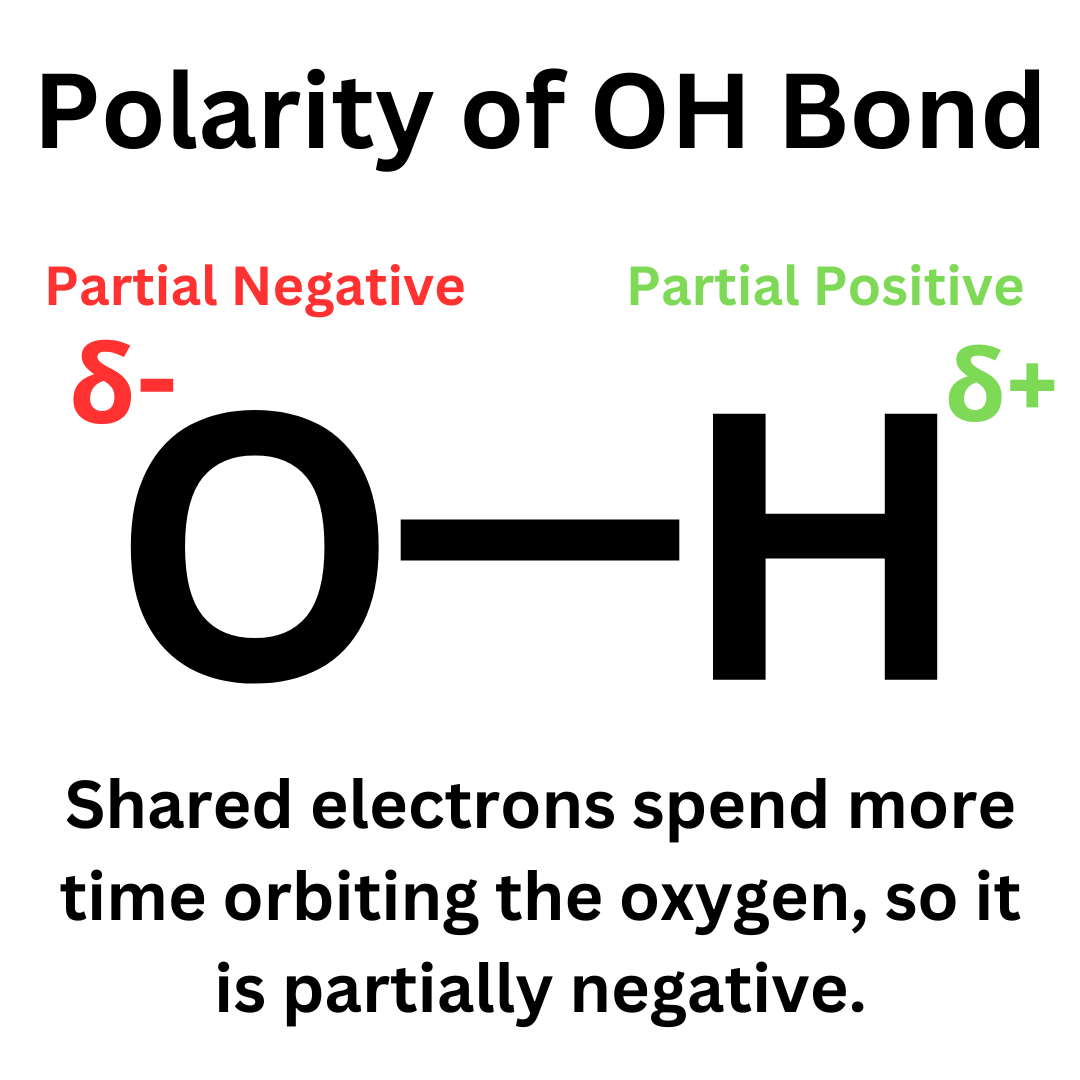
Why is water polar?
Oxygen is more electronegative than hydrogen which causes unequal sharing of electrons
What are the 5 properties of water?
Cohesion, high solvency, less dense as liquid, high specific heat capacity
Why does ice float?
Hydrogen bonds push water molecules further apart, which makes it less dense than liquid water
What are 3 types of nucleic acids?
DNA, RNA, ATP
What is the process by which polymers are split?
hydrolysis reaction
How does an enzyme change the rate of chemical reactions?
By lowering the activation energy
Induced fit
How an enzyme's active site is flexible and slightly changes shape to tightly bind a substrate
What are the two types of enzyme inhibition?
Competitive Inhibition, Allosteric/Non-competitive inhibition
Polar elements
O, N, S
hydrophilic
polar/charged
hydrophobic
non polar